




Ford Adds All-Wheel Drive to Transit Van
Ford's Transit full-size van will enter the 2020 model year with a heavy refresh that adds an available all-wheel-drive system, two new engine choices, and a 10-speed automatic transmission, as well as new interiors and seating options for the passenger model, Ford announced at the Work Truck Show.

Ford's Transit full-size van will enter the 2020 model year with a heavy refresh that adds an available all-wheel-drive system, two new engine choices, and a 10-speed automatic transmission, as well as new interiors and seating options for the passenger model, Ford announced at the Work Truck Show.
This update is the most significant since Ford introduced the globally-sold Transit to North America for the 2015 model year.
Fleets and commercial users who operate in areas of the country with inclement weather can now purchase an all-wheel-drive model that doesn't raise the load floor or seat height, according to Ray Eyles, the Transit's chief program engineer. The model will compete with the 2019 Mercedes-Benz Sprinter 4x4 as the only other all-wheel-drive van from the factory.
"We integrated Transit's new all-wheel-drive system into the vehicle design early on, making this van configuration as easy to enter and exit as the standard rear-wheel-drive model," Eyles said. "This is a significant benefit for commercial drivers who are in and out of their vehicles dozens of times a day, as well as for shuttle bus passengers and families."
Ford revamped the engine lineup with a new standard 3.5-liter gasoline V-6 and 2.0-liter bi-turbo inline-four diesel. The 3.5-liter V-6 will provide greater efficiency than the 3.7-liter V-6 it replaces, while the new diesel engine offers more power and torque than the outgoing 3.2-liter inline-five diesel it replaces. The carryover 3.5-liter turbocharged gasoline V-6 adds automatic stop-start.
The engines deliver power though Ford's 10-speed transmission, which will improve fuel economy. Because the vans have a GVWR above 10,000 pounds, Ford isn't required to release fuel economy ratings.
The Transit's chassis cab and cutaway models have also been updated so they're now rated at a maximum GVWR of 11,000 pounds from the 10,360 GVWR of the outgoing models.
The Transit is also adding an array of driver-assisting features such as pre-collision assist with automatic emergency braking and pedestrian detection, forward collision warning, post-collision braking, a lane keeping system, and automatic high beam headlights. The Transit XLT passenger van is equipped with Ford's Co-Pilot360, which includes these features and adds a blind spot alert with trailer coverage and cross-traffic alert. A new side sensing system joins the existing reverse sensing system as standard on XLT.
The 2020 Transit is a more connected vehicle, as Ford will offer an enmbedded FordPass Connect modem with a 4G LTE Wi-Fi hotspot to connect up to 10 devices. Commercial buyers can add Ford Telematics or Ford Data Services, which offer features such as live GPS tracking with order-to-delivery status, geofencing with alerts, and key performance indicators. Fuel waste reporting helps identify ways to save costs, and the telematics system suggests coaching opportunities to increase efficiency, reduce waste, and reveal concerns such as seatbelt use or speed compliance. Managers can receive maintenance notifications and vehicle health alerts.
Originally posted on Automotive Fleet
More Vehicle Research
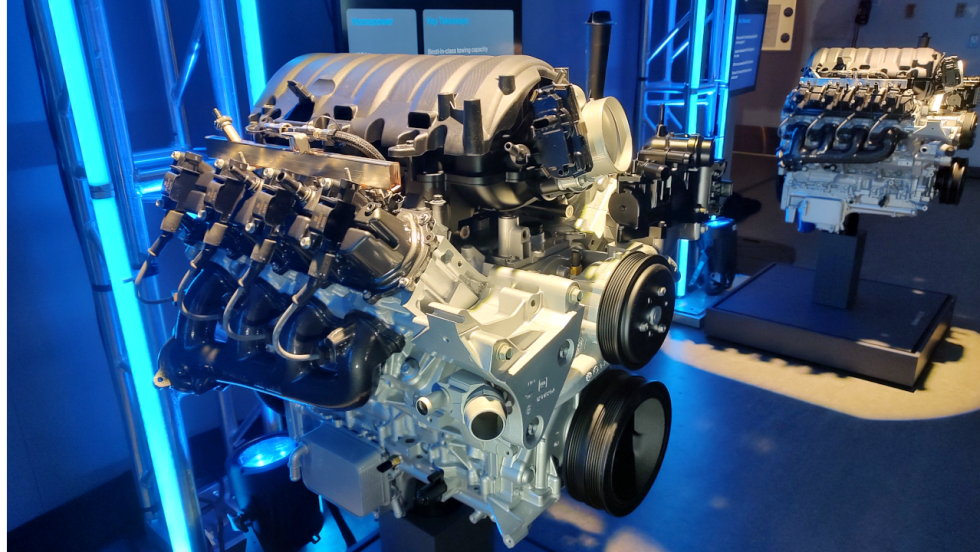
GM Unveils New Sixth-Generation Small Block Engines for 2027 Light-Duty Pickups
General Motors unveiled two new small-block engines, backed by extensive real-world validation and more than 70 years of small-block V8 manufacturing experience, as part of the engine portfolio for the 2027 Chevrolet Silverado 1500 and GMC Sierra 1500.
Read More →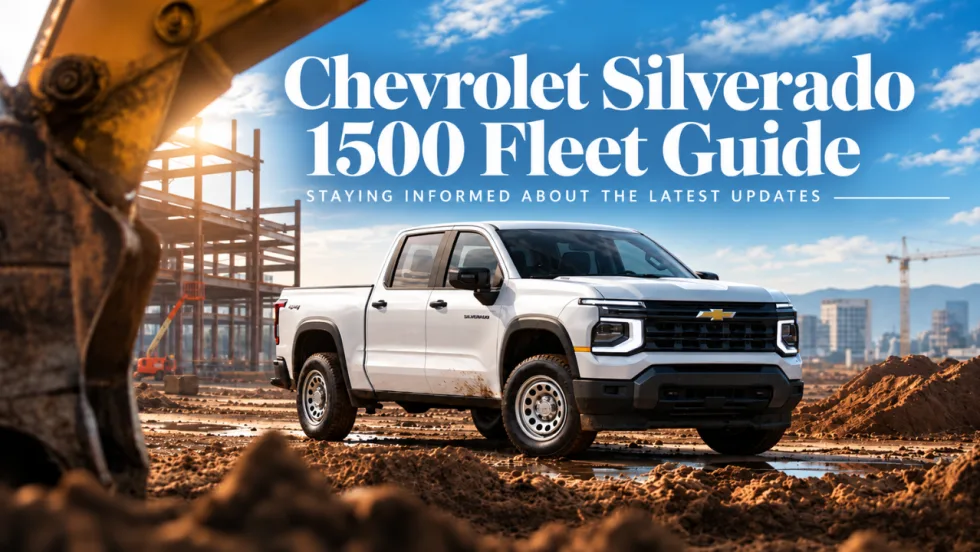
Chevrolet Silverado 1500 Fleet Guide Specs Capability and 2027 Model-Year Updates
The next-generation 2027 Chevrolet Silverado 1500 brings new V-8 engines, updated technology, expanded safety features, and a fleet-focused Work Truck. Here’s what commercial fleets need to know so far.
Read More →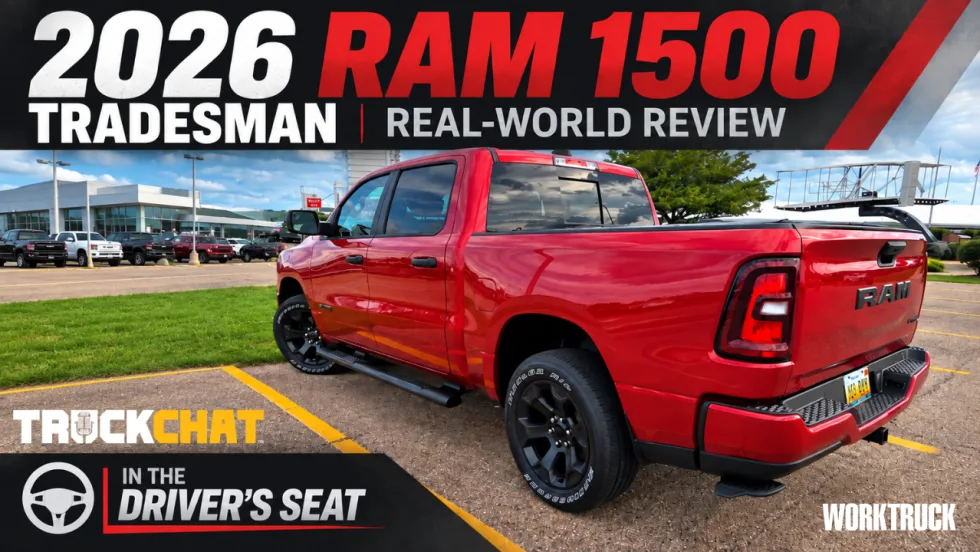
2026 Ram 1500 Tradesman Put to a Real-World Fleet Test
A few days behind the wheel of a 2026 Ram 1500 Tradesman turned into a test of visibility, parking, work-ready features, and even severe-weather driving.
Read More →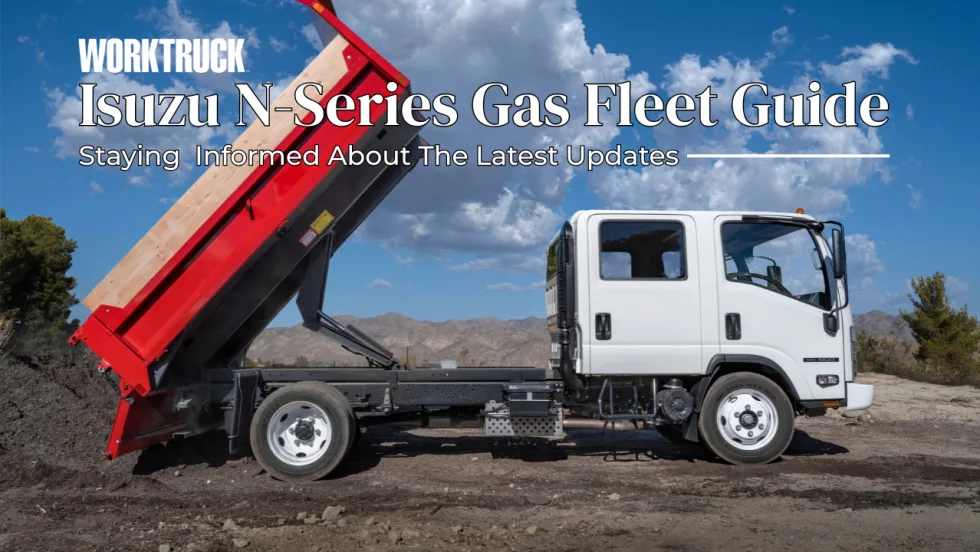
Isuzu N-Series Gas Fleet Guide: Specs, Capability and 2027 Model-Year Updates
Explore Isuzu Truck North America’s N-Series Gas fleet specs, engine performance, GVWR and payload capability, configurations, chassis dimensions, work-focused features, and 2027 model-year information.
Read More →
Ram ProMaster City Fleet Guide Specs Cargo Capacity and 2027 Updates
Work Truck’s Ram ProMaster City Fleet Guide tracks the latest specifications, cargo capability, configurations, fleet technology, pricing, and model-year updates for Ram’s mid-size commercial van.
Read More →
Ford F-150 Fleet Guide Specs Capability and 2026 Model-Year Updates
Explore 2026 Ford F-150 fleet specs, engines, towing and payload capability, configurations, work features, technology, and model-year updates.
Read More →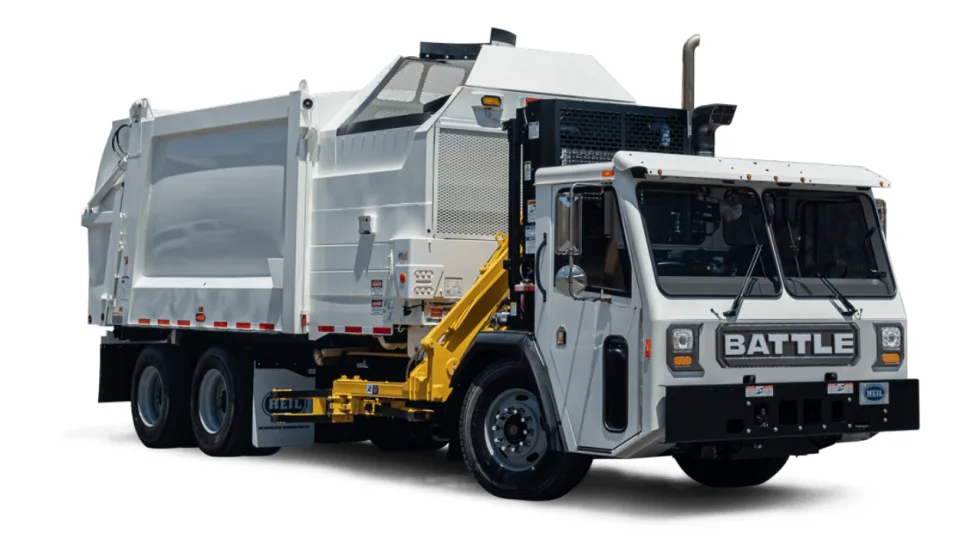
TCI Now Sells & Supports Battle Motors’ Vocational Trucks
Midwest truck dealer Truck Centers, Inc. (TCI) has expanded its transportation solutions with sales and service support for Battle Motors’ heavy-duty vocational trucks at locations in locations in Indiana, Illinois, and Missouri
Read More →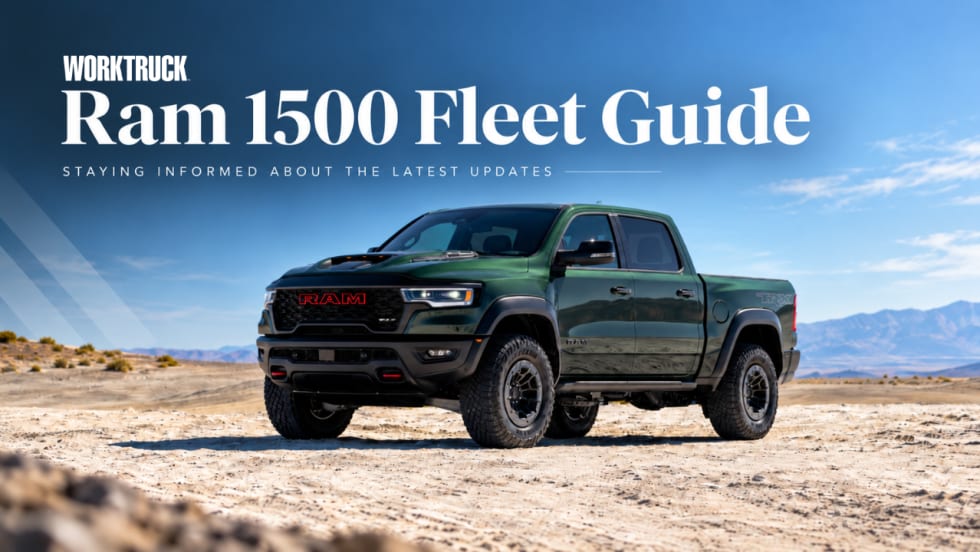
Ram 1500 Fleet Guide Specs, Capability and 2027 Model-Year Updates
Explore always up-to-date Ram 1500 fleet specs, engines, towing and payload capability, configurations, technology, pricing updates, and model-year changes.
Read More →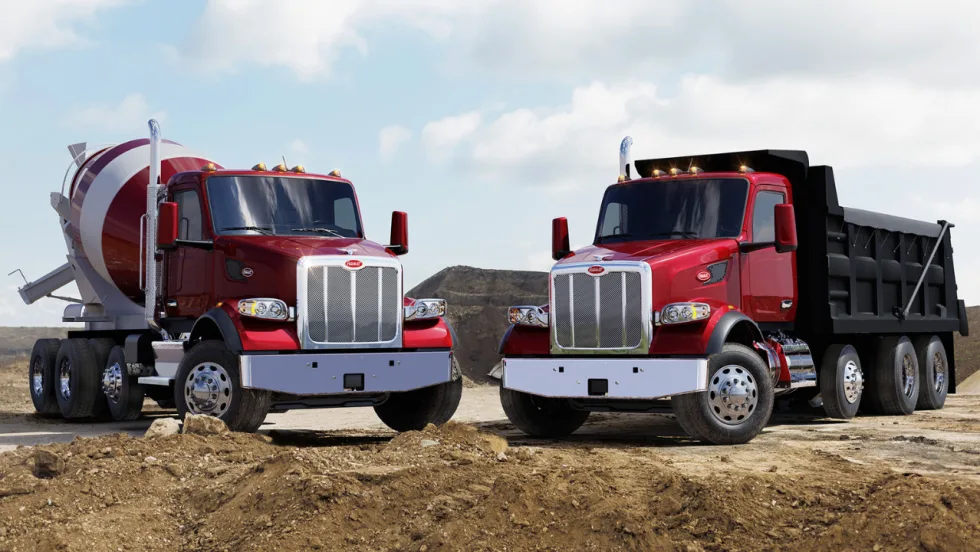
Peterbilt Trucks Equipped with Paccar TX-18 Pro Boost Efficiency for Maryland Fleet
Patuxent Companies is replacing aging trucks with the Peterbilt Model 567 and Model 589, specified with the Paccar TX-18 Pro 18-speed automated transmissions, and is reporting an 8% to 10% improvement in fuel economy.
Read More →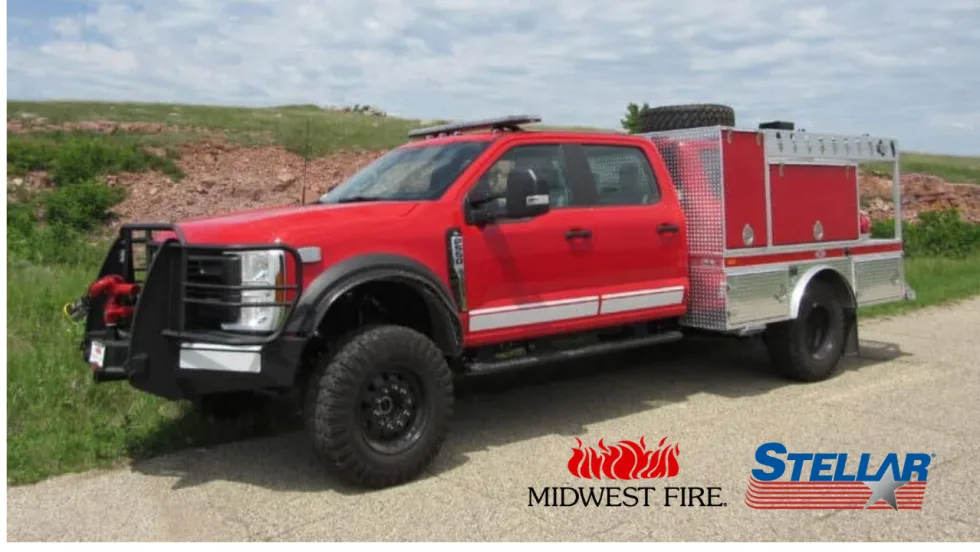
Stellar Expands into Fire Apparatus Market with Acquisition of Midwest Fire
Stellar Industries has acquired Midwest Fire, a custom fire apparatus manufacturer headquartered in Luverne, Minnesota, with nearly four decades of specialized apparatus experience.
Read More →