




Related: Hurricane Harvey Could Disrupt Trucking for Some Time
Florida Escapes Worst of Irma, Impact Felt Across State
Hurricane Irma's late shift to the west seems to have spared Florida the worst of the storm, but even with reduced impact, its effects are widespread.
by Staff
September 12, 2017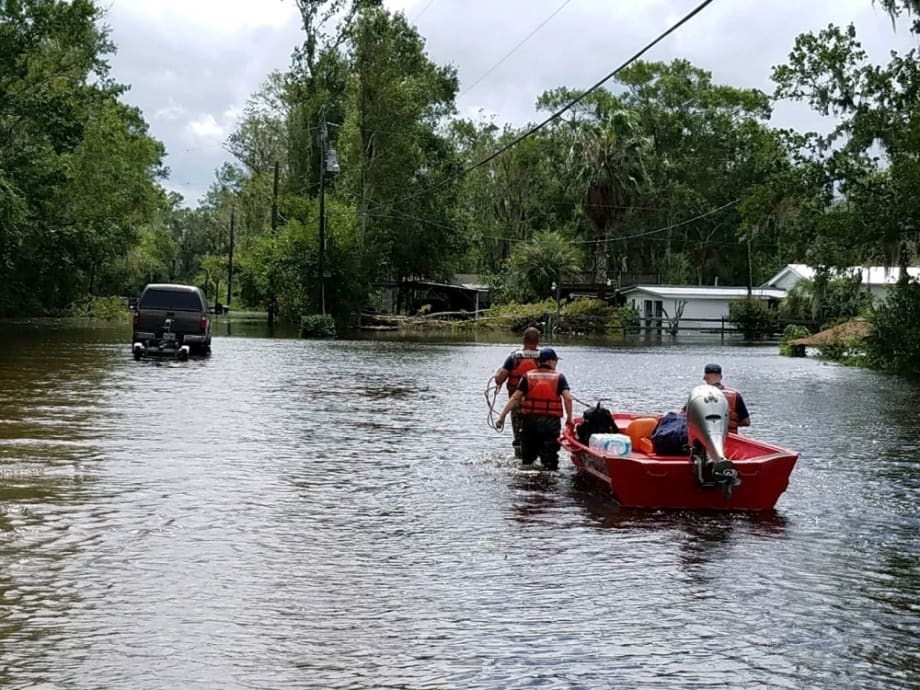
Coast Guard Flood Punt Teams conduct rescue operations in Jacksonville, Florida, Sept. 11, 2017. Photo: Courtesy of U.S. Coast Guard District 7
3 min to read
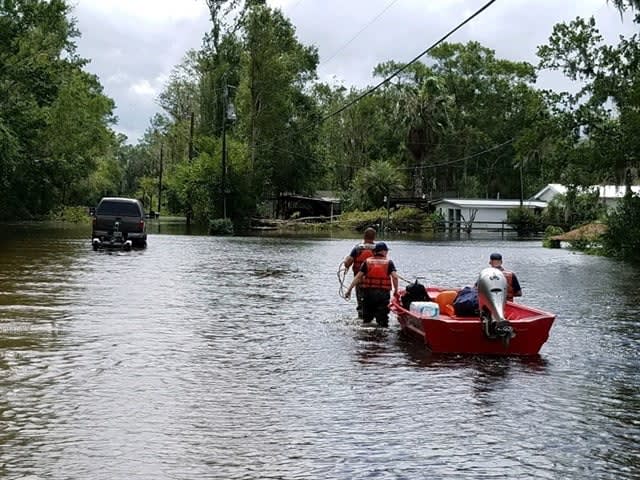
Coast Guard Flood Punt Teams conduct rescue operations in Jacksonville, Florida, Sept. 11, 2017. Photo: Courtesy of U.S. Coast Guard District 7
Hurricane Irma's late shift to the west seems to have spared Florida the worst of the storm, but even with reduced impact, its effects are widespread.
A combination of influences caused Irma to lose strength over the northern coast of Cuba and shift westward. That put it on a path that reduced the impact of high winds and storm surge on major urban centers in the southeast of the state, including Miami.
Recent estimates for total damage costs in the state are at $58 billion. That is far less than earlier numbers, which reached as high as $200 billion, according to Bloomberg. The current estimate is still higher than the total for Hurricane Andrew in 1992, which cost nearly $48 billion when adjusted for inflation, but is below the estimates for Hurricane Harvey, which may run upwards of $75 billion.
Fuel prices were up again in the latest numbers from the Energy Department. The average price of diesel fuel increased 4.4 cents for the week ending on Sept. 11 and stands at $2.80 per gallon. This is a week after jumping more than 15 cents in the aftermath of Hurricane Harvey. Perhaps more telling than the increase in price was a note in the report stating that data on Miami’s gas prices were unavailable due to the insufficient response from retailers.
A Florida Trucking Association representative told HDT that in the immediate aftermath of the storm, most Florida-based trucking companies are "still in damage assessment and power restoration mode and are doing the obvious things they need to do.”
As of Sept. 11, every major interstate and turnpike in the state was reopened. U.S. 1 South, which runs through the Florida Keys, is still being assessed for damage and no residents or visitors are permitted in the Keys until it is complete.
Florida residents are still being asked not to rush back to their homes and businesses as power, fuel, and other infrastructures are not restored in some places and congestion from returning Floridians is likely.
“Don't think just because this thing passed, you can run home,” said Florida Gov. Rick Scott in a briefing. “We've got downed power lines all across the state. We've got roads that are impassible still across the state. We've got debris all over the state."
Millions of residents are still without power a day after Irma moved through Florida. At the the worst of it, the hurricane left more than half of the state’s residents without power, according to a Washington Post report. But crews are working to repair damaged power lines and the number of people with power, especially on the east coast, is steadily increasing.
Ports from South Florida to South Carolina are slowly reopening, bringing back goods and fuel supplies to the region. With minimal damage, most are expected to reopen by Sept. 13.
Originally posted on Automotive Fleet
More Operations

Family Ties Inside the Fleet Families Building Careers Across Generations
Three fleet families share what it really takes to work together, learn across generations, and keep business from following them home.
Read More →
Shades of Fleet Call for Voices: Fleet's Hidden Heroes
Fleet’s hidden heroes are often the ones keeping everything moving behind the scenes. September’s Shades of Fleet is looking for dispatchers, coordinators, parts specialists, and other support pros to share their stories.
Read More →
Truck Centers, Inc. Celebrates National Truck Driver Appreciation Week with $1,000 Fuel Card Giveaways
During National Truck Driver Appreciation Week, Truck Centers, Inc. is offering customers a chance to fuel up for free. Customers at all Truck Centers locations can enter to win one of four $1,000 fuel cards from Sept. 14 - 18.
Read More →
Fleet Guides, AI Time-Savers, Truck Tariffs & Fuel Strategy Lead the News
This week’s Truck Chat Cheat Sheet covers new fleet vehicle guides, practical AI use cases, U.S.-Canada truck production, mixed-energy strategy, and more.
Read More →
What Fleet Employers Are Missing When Hiring Veterans
What if some of the strongest candidates for fleet are already out there, but their experience is written in a language our industry does not always recognize?
Read More →
Automotive Fleet Opens 2026 Personal Use Survey for Commercial Fleet Managers
Less than two weeks left! Commercial and corporate fleet managers are invited to share how their organizations handle company vehicle personal-use policies, charges, and driver eligibility.
Read More →
What Resilient Fleets Do Differently When Conditions Change
Fleet resilience is about more than reacting to disruption. Lauren Fletcher talks with AP Fleet’s Alex Coveney about flexibility, planning, scaling, and what helps fleets adapt when business conditions shift.
Read More →
If We Want the Next Generation in Automotive, We Have to Give Them a Reason to Care
The automotive industry talks constantly about its workforce shortage. But before we can recruit the next generation, we may need to do a better job giving kids a reason to care about automotive in the first place.
Read More →
Ram ProMaster City Under $40K, Truck Tariffs, and AI Maintenance Lead the News
A sub-$40K commercial van, tariff questions, AI-powered maintenance, and a new EV production strategy headline this week’s Truck Chat Cheat Sheet.
Read More →
Bob Adamsky Shares the Fleet Lessons You Usually Learn the Hard Way
After more than 30 years in fleet, Arrow International’s Bob Adamsky has learned that the job is about far more than vehicles. He shares the lessons he wishes every fleet manager could learn a little earlier.
Read More →