




FedEx Express Deploying 4,000 New Fuel-Efficient Vehicles
MEMPHIS, TN - The bulk of the new vehicles the company is placing into service are BlueTEC clean diesel Sprinter vans.
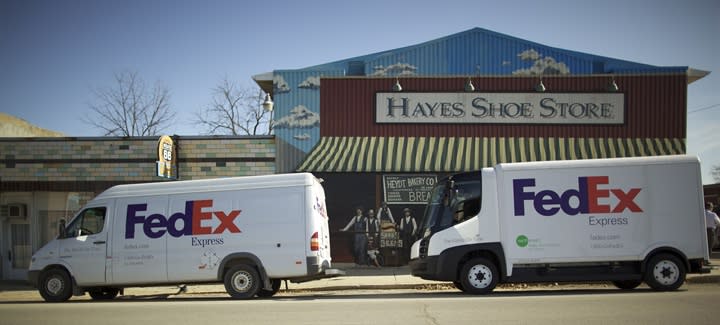
One of FedEx Express' Sprinter vans along with a new Freightliner Custom Chassis Corp. eCell all-electric vehicle.
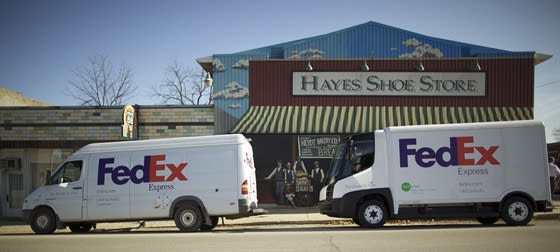
MEMPHIS, TN – FedEx Corp. subsidiary FedEx Express began deploying a total of 4,000 new fuel-efficient vehicles in its fleet in May of this year and is in the middle of this rollout.
The bulk of the new vehicles the company is placing into service are BlueTEC clean diesel Sprinter vans. The company is also putting new electric vehicles (EVs), hybrids, and composite vehicles into service in a number of cities, including New York City, Chicago, and Memphis, and diversifying the vehicle makeup of its existing Los Angeles-based fleet.
You can check out our photo gallery of FedEx's new vehicles here.
A company spokesperson told Automotive Fleet that the 4,000-vehicle rollout began this spring, Fedex Express said the EVs and hybrids will have joined the fleet this summer. FedEx Express’ spokesperson said the company began receiving the clean diesel BlueTEC Sprinters in May and will receive 600 – 700 vans a month, completing delivery of the vehicles in November. According to the company’s spokesperson, FedEx Express is removing the vehicles it’s replacing from service, so the rollout of new vehicles constitutes a significant upgrade.
This rollout constitutes an upgrade to more than one-tenth of FedEx Express' fleet.
"On high-mileage routes, FedEx is upgrading vehicles with 4,000 fuel efficient, lower emitting BlueTEC clean diesel Sprinter Vans,” said Keshav Sondhi, manager of Asset Management for FedEx Express Global Vehicles. “Each Sprinter is at least 100 percent more fuel efficient than the most commonly found alternative it replaces. Since launching our first Sprinter in 2000, we have put close to 1.4 billion miles on these more fuel efficient vehicles, saving over 66 million gallons of fuel compared to their predecessors."
The EVs FedEx Express is placing into service include 15 Navistar eStar EVs, two Freightliner Custom Chassis Corp. (FCCC) eCell EVs, two FCCC electric retrofits, and five Ford Transit Connect Electric vans. The company also said it’s adding 45 new FCCC-Eaton hybrid-electric pickup and delivery vehicles to its fleet. The addition of these new EVs doubles FedEx Express' all-electric fleet to a total of 43 vehicles.
FedEx Express currently has 19 EVs deployed in Los Angeles, London, and Paris, and the five Transit Connect Electric vehicles will join the EVs in those cities. The company said it plans to use the Transit Connect Electric vans to support its Information Technology Asset Disposal program. These vehicles will drive regularly scheduled routes to pick up, recycle, reuse, and dispose of the company’s IT assets.
The company’s spokesperson said the two vehicles being retrofit with electric powertrains are from California and are still in good shape. The company plans to use them at its global headquarters in Memphis to study their performance. A company called Enova is providing the EV retrofit technology and performed the upgrade.
FedEx Express plans to study all of the new EVs it’s placing into service to get a better understanding of utility grid needs and model the impact the growth in the number of EVs on the road will have on the grid. As part of this program, in New York, the company is working with GE and Columbia University's Engineering School to study how large vehicle deployments will affect the grid’s performance. In Chicago, the company will be comparing different types of all-electric vehicle technologies to determine what meets its fleet’s needs.
The company is also running a pilot program of five Utilimaster composite vehicles in Detroit, Memphis, Jackson, Tenn., and Jonesboro, Ark. According to FedEx Express, this vehicle (called “The Reach”) can achieve 35 percent better fuel economy than its predecessor, and the company said the test fleet has been performing well. This composite vehicle features a smaller, more fuel-efficient engine and reduced overall weight due to the use of recycled rubber material, resin, fiberglass, and poly core (instead of aluminum).
"Different vehicles are appropriate for different routes," explained Sondhi. "The key is to use the right truck for the mission on the right route. FedEx Express is adding all-electric and hybrid-electric vehicles to dense urban routes that have a lot of starting and stopping. This use of regenerative braking and electric motors significantly improves the efficiency of the vehicles on such urban routes."
By Greg Basich
Originally posted on Automotive Fleet
More Green Fleet

Fleet Forward Conference Introduces One-Day Passes for 2026
New one-day registration gives fleet professionals the flexibility to attend Tuesday, Wednesday, or Thursday, with passes available for $199 through Sept. 18.
Read More →
CALSTART Rebrands as Catalyst Mobility, Will Combine with Forth in 2027
CALSTART has rebranded as Catalyst Mobility and will combine with Forth at the start of 2027. The new organization said it is poised to become one of the world's largest, strongest, and most impactful clean transportation nonprofits.
Read More →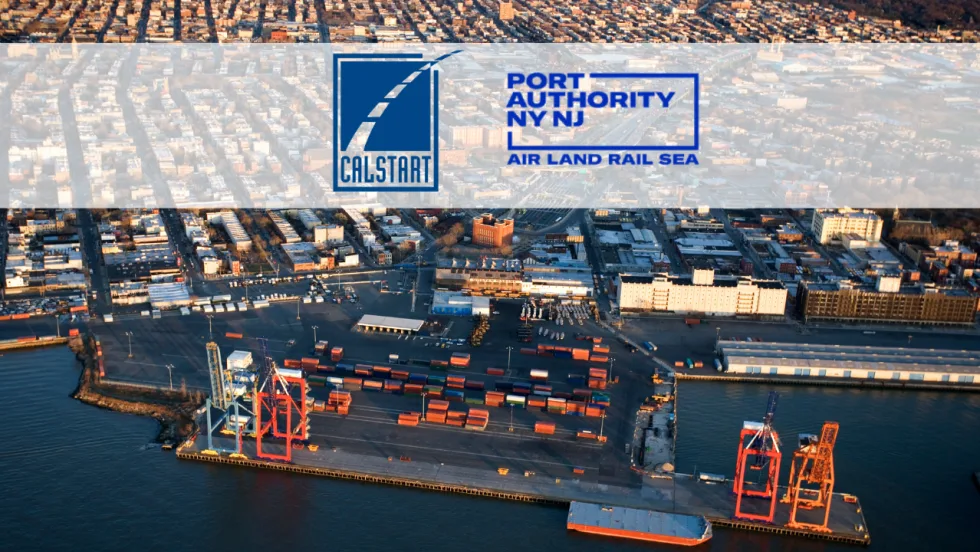
Electric Truck and Charging Programs to Boost Sustainability at NY & NJ Ports
Together, the Port Authority of New York and New Jersey and CALSTART will electrify drayage and terminal operations serving the East Coast’s busiest container port. A pair of incentive programs totaling $45 million has launched to accelerate adoption of zero-emission drayage trucks and terminal tractors.
Read More →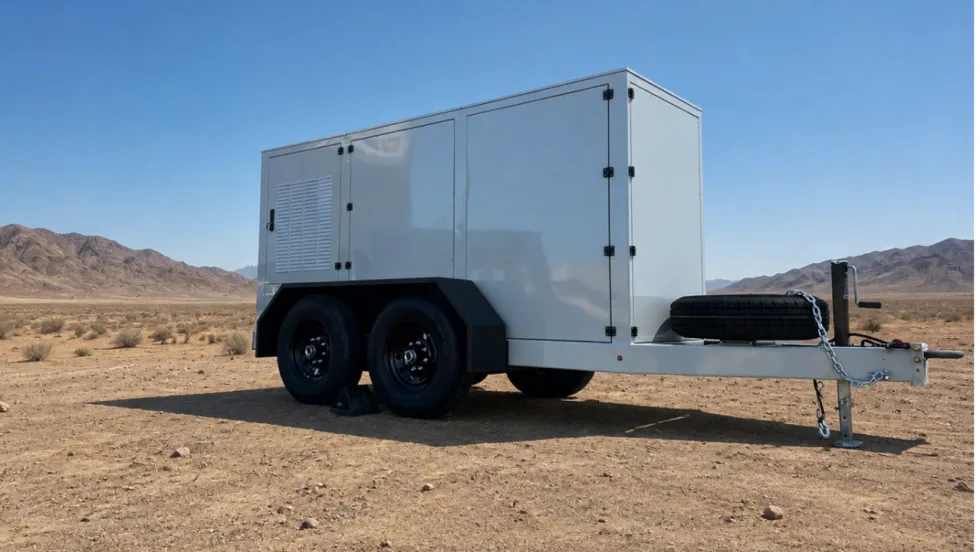
Xos Hub Surpasses One Gigawatt-Hour of Energy Delivered in the Field
A single Xos Hub has surpassed one gigawatt-hour of energy across more than 33,600 charging sessions in the field, demonstrating performance that supports Xos' expansion across new products and markets.
Read More →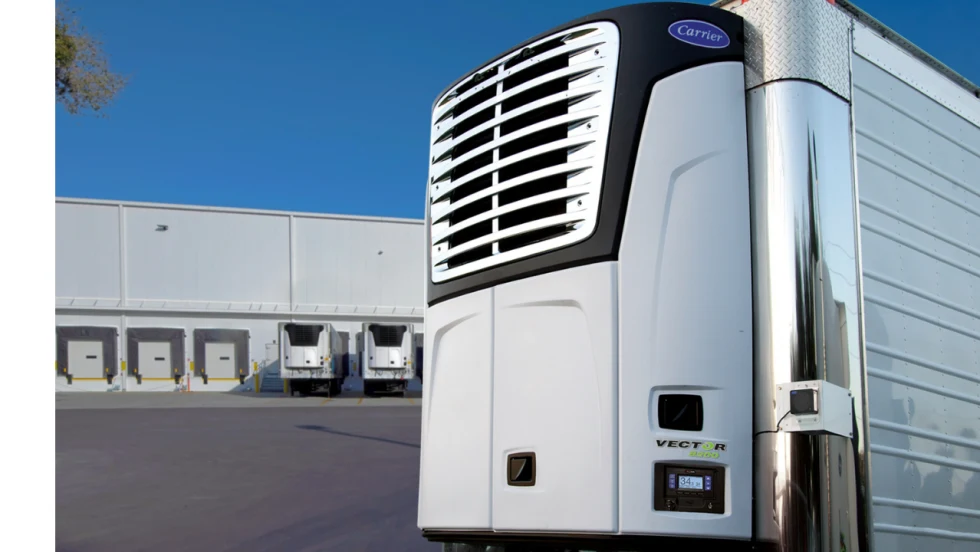
Carrier Transicold Launches All-Electric Vector 8200 TRU for Diesel-Free On-Site Cold Storage
Carrier Transicold’s first engineless multi-temperature TRU helps fresh- and frozen-food fleets add supplemental cold storage capacity during seasonal peaks.
Read More →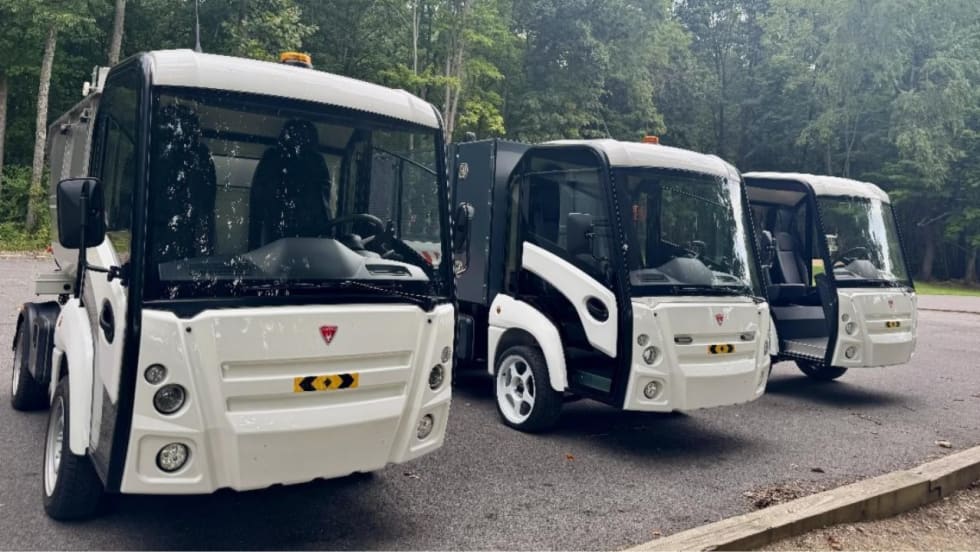
Narro Trucks Introduces Electric Utility Vehicle
Narro Trucks officially launched its operations on Aug. 20 and hosted a ride and drive to showcase its electric truck, which will be produced in Virginia.
Read More →
Samsung SDI Takes Full Control of GM Battery JV as Indiana Plant Pivots to Energy Storage
Samsung SDI is taking full control of its Indiana battery plant with GM, marking a major shift from the EV-focused joint venture Charged Fleet first covered in 2023.
Read More →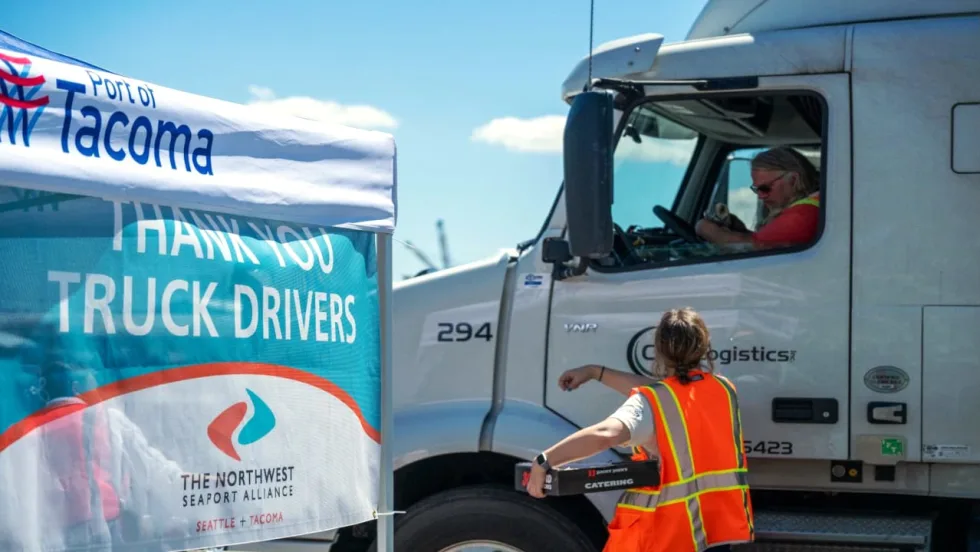
NWSA Taps CALSTART to Administer Zero-Emission Drayage Assistance Program
CALSTART will provide free technical assistance services to drayage fleets serving the Ports of Seattle and Tacoma and looking to transition to cleaner technologies and help decarbonize freight hubs.
Read More →
EV Fleet Reality Check: What Operators Wish They Knew Before Electrifying Their Work Vans
Electric work truck upfits bring new compatibility questions. Learn how parts availability, OEM guidance, power demands, and route planning can affect fleet performance.
Read More →
Peterbilt Expands Sourcewell Partnership with Electric Vehicle Lineup
Peterbilt Motors Company’s cooperative purchasing agreement with Sourcewell and its Canadian partner, Canoe Procurement Group, now includes including Peterbilt's battery-electric vehicle lineup.
Read More →