




Related: What's Available in Hybrid and Electric Drive Systems
Federal Grants Fund Green Tech Despite Uncertain Future
While U.S. Department of Energy grants are still funding electric vehicle and alternative fuel technologies, it is uncertain how the Trump administration could affect this funding in the future.
by Staff
March 7, 2017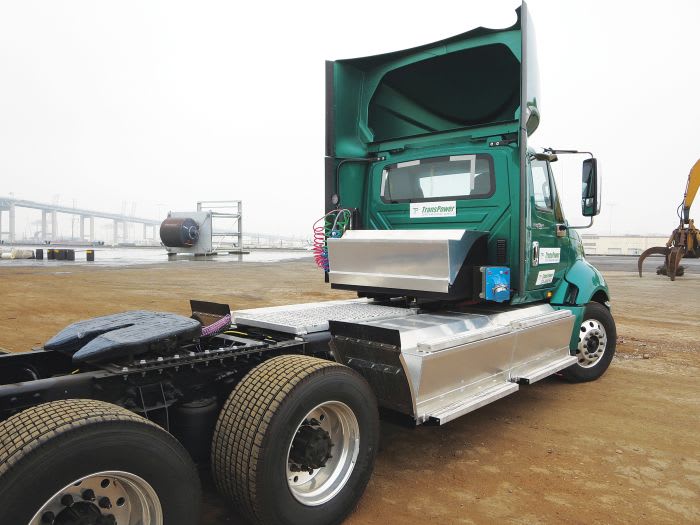
Photo: TransPower
2 min to read
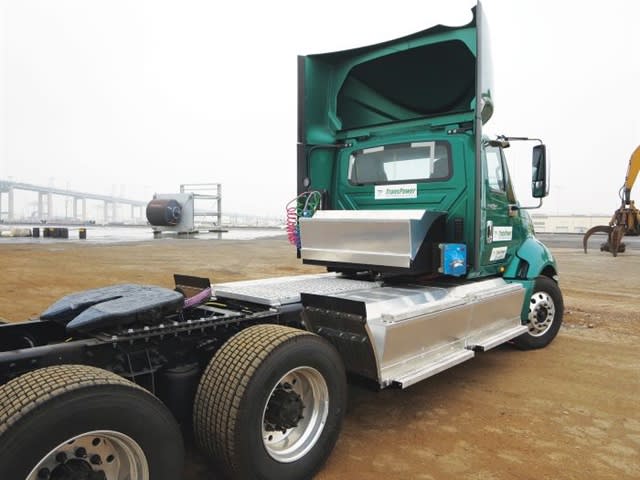
Photo: TransPower
While U.S. Department of Energy grants are still funding electric vehicle and alternative fuel technologies, it is uncertain how the Trump administration could affect this funding in the future, according to ACT Research’s North American On-Highway Commercial Vehicle Engine Outlook.
According to DOE, five firms will split $18 million in grants to advance plug-in electric technology for cars and heavy-duty vehicles. The EPA has also approved a pathway for isobutanol to be used as an advanced biofuel under the Renewable Fuel Standard Program.
Isobutanol uses starch from feed corn to produce alcohol and when used along with fossil fuels, the biofuel could achieve a 50% or greater reduction in greenhouse gas emissions. This would qualify it for the advanced D5 Renewable Identification Number.
These projects are aimed at advancing the development of green technologies while also reducing engine emissions.
"The money is meant to improve energy security, reduce emissions, and enhance local and regional economies, according to information released on December 22," said Tom Rhein, president of Rhein Associates. "Funding from the department's Office of Energy Efficiency and Renewable Energy is directed to projects that advance development and deployment of efficient and renewable technologies, as well as market-based innovations to enhance energy security."
However, given the Trump administration’s stance on reducing regulations, particularly in the energy sector, some of the latest advancements pushed forward by the Obama administration’s GHG Phase 2 Rule may be in limbo. Those rules took effect on Dec. 17, 2016 and will determine emissions and fuel efficiency standards through 2027. Fleets and manufacturers will have to adjust in the long term if they are rolled back, according to ACT Research.
“We know the concerns and regulations from our last engine outlook article, but we don't know the White House factor. It is obvious that the new administration opposes regulations that will add costs at the expense of jobs, but what does this mean for GHG2?” ACT stated in its Engine Outlook report.
Many truck and engine manufacturers are global companies and if other nations move forward with stricter emissions standards, a rollback in the U.S. could complicate these strategies. Ultimately, until the Trump administration makes a concrete decision on the matter, fleets and manufacturers must wait and see before making long-term plans.
“If the U.S. cancels or delays GHG2, the name of the game in the U.S. market continues to be price and cost. Much will be decided in the next couple of months. We will be surprised to see GHG2 stand as is, expecting a revised regulation with a delayed enactment schedule,” ACT Research stated in the report.
The full ACT Research report is available online.
Originally posted on Automotive Fleet
More Green Fleet

Fleet Forward Conference Introduces One-Day Passes for 2026
New one-day registration gives fleet professionals the flexibility to attend Tuesday, Wednesday, or Thursday, with passes available for $199 through Sept. 18.
Read More →
CALSTART Rebrands as Catalyst Mobility, Will Combine with Forth in 2027
CALSTART has rebranded as Catalyst Mobility and will combine with Forth at the start of 2027. The new organization said it is poised to become one of the world's largest, strongest, and most impactful clean transportation nonprofits.
Read More →
Electric Truck and Charging Programs to Boost Sustainability at NY & NJ Ports
Together, the Port Authority of New York and New Jersey and CALSTART will electrify drayage and terminal operations serving the East Coast’s busiest container port. A pair of incentive programs totaling $45 million has launched to accelerate adoption of zero-emission drayage trucks and terminal tractors.
Read More →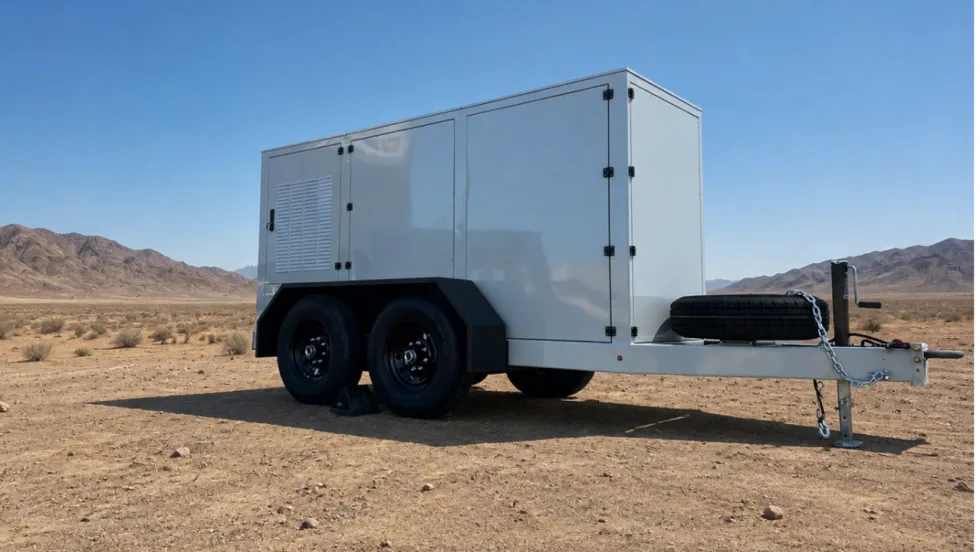
Xos Hub Surpasses One Gigawatt-Hour of Energy Delivered in the Field
A single Xos Hub has surpassed one gigawatt-hour of energy across more than 33,600 charging sessions in the field, demonstrating performance that supports Xos' expansion across new products and markets.
Read More →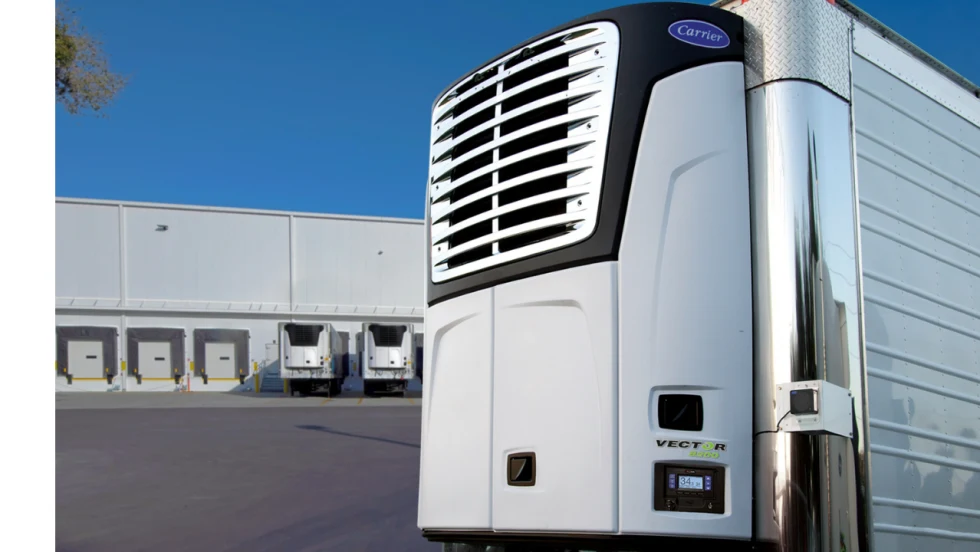
Carrier Transicold Launches All-Electric Vector 8200 TRU for Diesel-Free On-Site Cold Storage
Carrier Transicold’s first engineless multi-temperature TRU helps fresh- and frozen-food fleets add supplemental cold storage capacity during seasonal peaks.
Read More →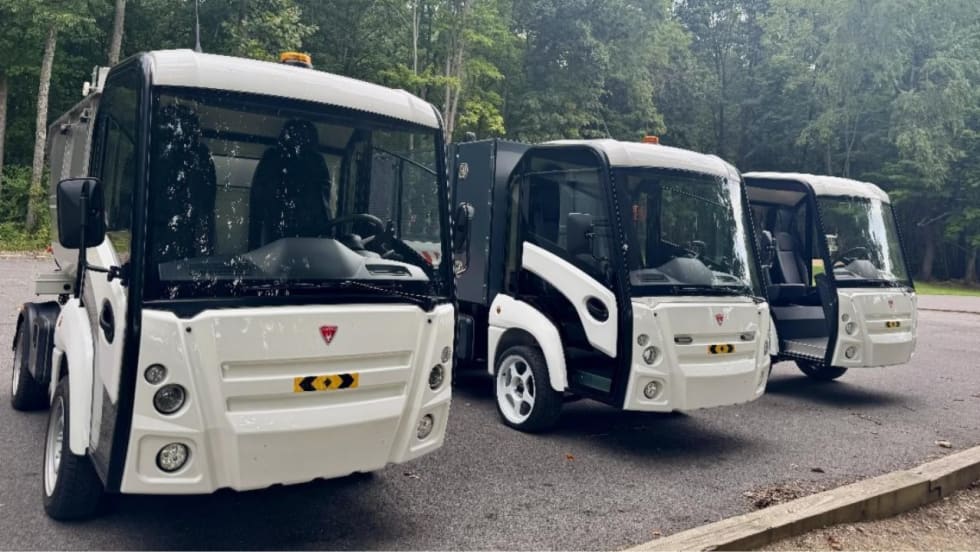
Narro Trucks Introduces Electric Utility Vehicle
Narro Trucks officially launched its operations on Aug. 20 and hosted a ride and drive to showcase its electric truck, which will be produced in Virginia.
Read More →
Samsung SDI Takes Full Control of GM Battery JV as Indiana Plant Pivots to Energy Storage
Samsung SDI is taking full control of its Indiana battery plant with GM, marking a major shift from the EV-focused joint venture Charged Fleet first covered in 2023.
Read More →
NWSA Taps CALSTART to Administer Zero-Emission Drayage Assistance Program
CALSTART will provide free technical assistance services to drayage fleets serving the Ports of Seattle and Tacoma and looking to transition to cleaner technologies and help decarbonize freight hubs.
Read More →
EV Fleet Reality Check: What Operators Wish They Knew Before Electrifying Their Work Vans
Electric work truck upfits bring new compatibility questions. Learn how parts availability, OEM guidance, power demands, and route planning can affect fleet performance.
Read More →
Peterbilt Expands Sourcewell Partnership with Electric Vehicle Lineup
Peterbilt Motors Company’s cooperative purchasing agreement with Sourcewell and its Canadian partner, Canoe Procurement Group, now includes including Peterbilt's battery-electric vehicle lineup.
Read More →