





Learn More: Fleet Tech in 2026 Will Stop Being a Stack and Start Being a System
FCC Certifies Kapsch TrafficCom Roadside Unit
Kapsch TrafficCom said the FCC has fully certified its RIS-9360 roadside unit, which, according to the company, makes it the first connected-vehicle hardware to be certified under the new FCC regulation.
February 10, 2026
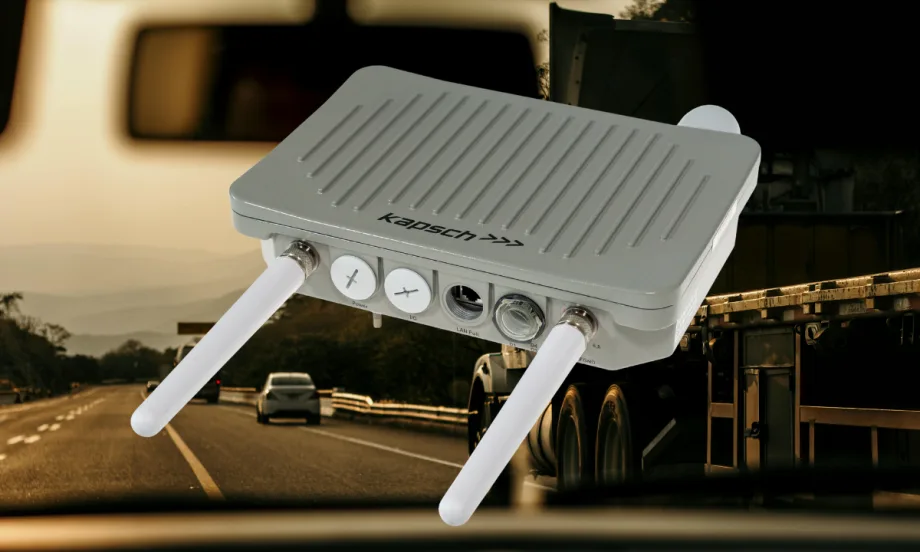
Kapsch TrafficCom said that by formalizing the transition to connected-vehicle technology, the FCC is paving the way for the next generation of intelligent transportation systems.
Credit: Kapsch TrafficCom/Work Truck
2 min to read
The Federal Communications Commission (FCC) has fully certified the RIS-9360 roadside unit (RSU) from Kapsch TrafficCom, which the company said makes it the first connected-vehicle hardware to be certified under the new FCC regulation effective Feb. 11, 2025.
Cellular-vehicle-to-everything (C-V2X) technology enables vehicles to communicate directly with one another, infrastructure, and other road users.
Data exchanged between vehicles and road infrastructure can help ensure safety and improve traffic flow efficiency.
The FCC-certified hardware enables connected-vehicle use cases, including roadwork warnings, weather alerts, and alerts for congestion and emergency vehicles, among others.
“We are excited to be the first provider to have our hardware certified under the new regulation to facilitate reliable system performance and advancements of connected mobility applications. This allows us and our distribution partners to provide state-of-the-art connected vehicle hardware and critical software, bringing this safety-relevant technology to American roads,” said JB Kendrick, president at Kapsch TrafficCom North America.
The FCC's role in connected vehicles is to regulate technologies that enable communication among vehicles, roadside infrastructure, and other road users to enhance transportation safety and mobility.
Key Provisions of the New FCC Regulation
The FCC’s Report and Order outlines specific technical guidelines for the use of connected vehicle technology, including operational standards that establish radio spectrum usage and interference protection measures to ensure reliable system performance.
This new regulation confirms that agencies are no longer required to apply for experimental licenses, although a site license is still required for each installation.
Kapsch TrafficCom said that by formalizing the transition to connected vehicle technology, the FCC is paving the way for the next generation of intelligent transportation technologies, giving the industry, including authorities, OEMs, and infrastructure suppliers, the legal framework for the operation of the C-V2X radio technology and security for investments.
According to the company, the new regulations will foster the development of smart infrastructure, autonomous vehicles, and other advanced transportation systems, ultimately resulting in safer roads, reduced traffic congestion, and enhanced economic productivity.
Kapsch TrafficCom said the certification of the hardware signifies a crucial milestone in the modernization of the U.S. transportation network, representing a vital step towards a more connected and automated future.
More Technology
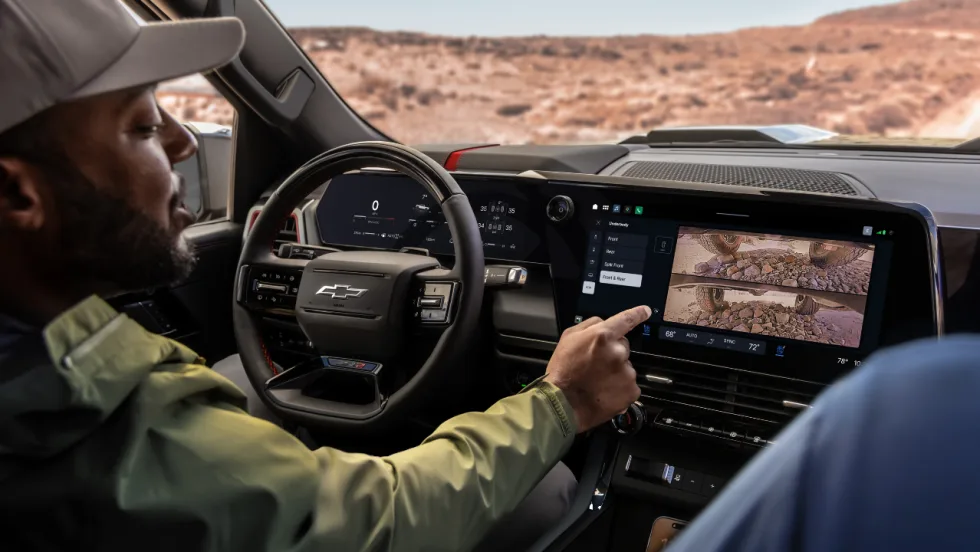
GM Brings New Truck Focused Interface to 2027 Silverado and Sierra
GM's new pickup interface puts trailering data, camera views, vehicle controls, and smartphone integration closer to the driver in the 2027 Silverado and Sierra.
Read More →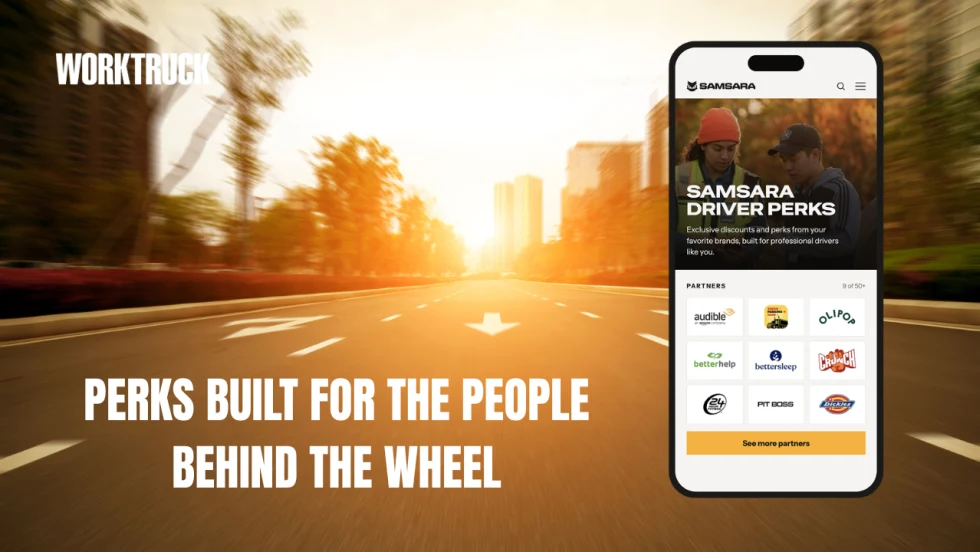
Samsara Driver Perks Expands Rewards Beyond the Long Haul Driver
Samsara’s new driver rewards program was built with a broader professional driver in mind, including employees who split their day between driving, job sites, service calls, and other work.
Read More →
AI Service Advisor Aims to Cut Fleet Repair Downtime
Fleetio said its AI Service Advisor can help fleets cut repair downtime by an average of 2.5 hours per repair while reducing manual maintenance work.
Read More →
Verra Mobility Launches AI-Driven Title & Registration Solution
Verra Mobility has launched a new AI-driven Title & Registration platform to help fleets move vehicles from acquisition to the road the same day while reducing compliance risk.
Read More →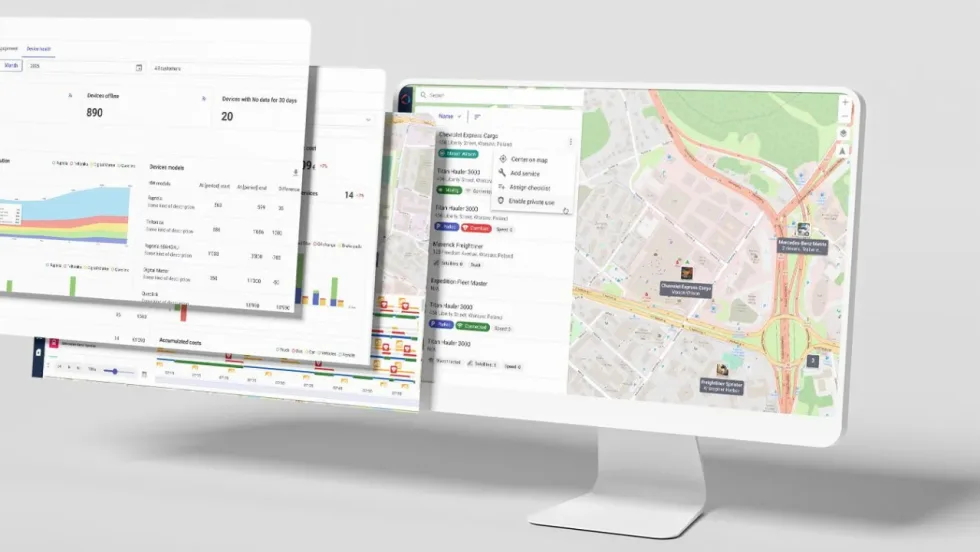
Wialon Unlocks OEM Data to Give Fleet Owners Data Ownership & Operational Clarity
Wialon has introduced hardware-free OEM integration as the EU Data Act accelerates the shift in vehicle data access across the fleet industry in many countries.
Read More →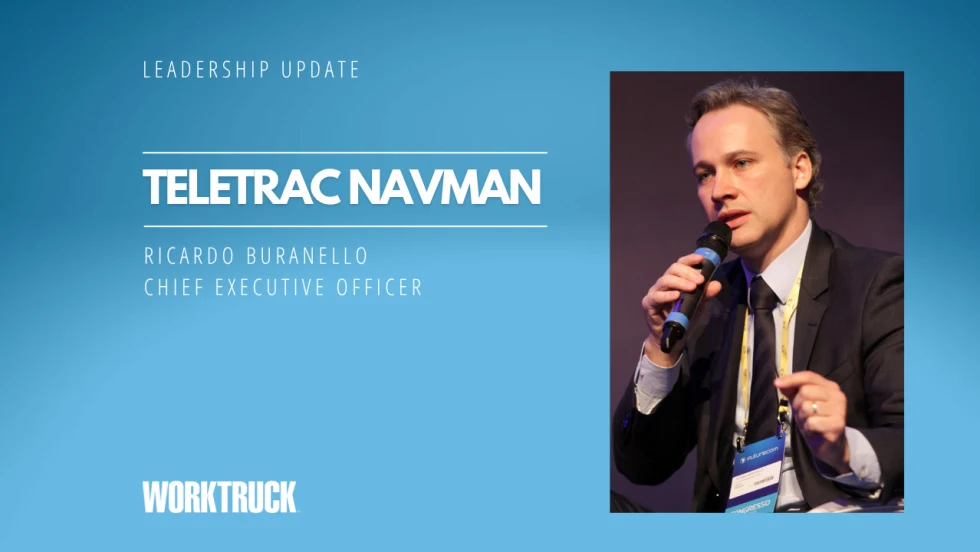
Teletrac Navman Promotes New CEO from Within
Teletrac Navman’s next CEO, Ricardo Buranello, has served as the company’s chief financial and operating officer. He brings deep financial and operational expertise, a strong strategic orientation, and an intimate knowledge of the business to his new role.
Read More →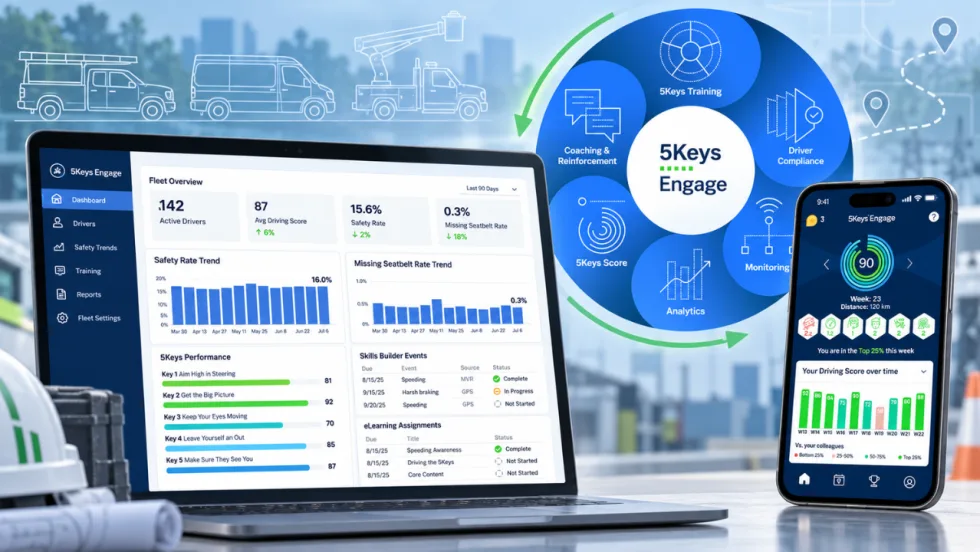
Smith System Wants Work Truck Fleets to Look Beyond the Driver Alert
Smith System’s new Driver Risk Management program is built to help mixed work truck fleets turn telematics alerts and observations into specific behaviors, coaching actions, and measurable follow-up.
Read More →
Ford Pro Software Updates: August 26
Check out the latest Ford Pro software updates, including Google Maps integration, Remote Vehicle Alarm integration, Motor Pool for easier management of shared pool vehicles, and more.
Read More →
Where AI Is Actually Saving Fleet Managers Time
AI is moving past the buzzword stage and into the daily fleet workflow. Fleetio’s Brianna Perry Lang breaks down where fleets are seeing real time savings, from maintenance and data entry to repair decisions, safety, and compliance
Read More →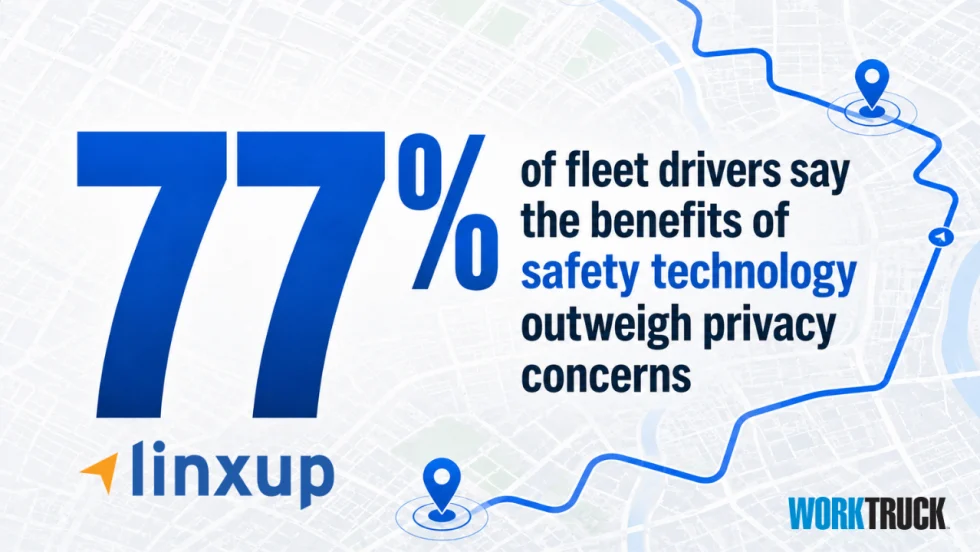
Are Work Truck Drivers Warming Up to Dash Cams and GPS Tracking?
A new survey finds field-service drivers may be more comfortable with dash cams and GPS tracking than fleet managers think, especially when the technology helps protect them after a crash.
Read More →