




EV Trial in Europe Gives Glimpse of the Future
After more than 1 million kilometers in two years – from May 2013 to June 2015 – the real-world trial of electric cars known as eMERGE has been completed.
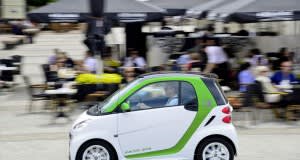
Photo: Daimler
Photo: Daimler
After more than 1 million kilometers in two years – from May 2013 to June 2015 – the real-world trial of electric cars known as eMERGE has been completed. Those taking part in the project were private and business customers with 146 smart fortwo electric drive cars from Berlin, Potsdam, and North Rhine-Westphalia. Some of them set records: the lowest average energy consumption over one year was 10.4 kWh/100 km, while the longest range was 161 kilometres. The smart fortwo electric drive is certified with a consumption of 16.3 kWh/100 km and a range of 145 kilometres, according to the automaker.
The broad-based field trial within the framework of the eMERGE project has not only provided information on user behavior and e-car technology; it also studied intelligent charging systems for improving the utilization of the power supply as well as various pricing systems with regard to customer acceptance. Based on transport models, the project partners examined the need for a publicly available charging infrastructure. Within the project Daimler was responsible for collecting the driving and charging data required for evaluation of the field trial. Data such as charging time and charging frequency were collected anonymized and scientifically evaluated; there were also regular interviews with the participants, according to the automaker.
“The participants in the eMERGE research project have made a key contribution to the mobility of the future. With their assistance, we have scientifically investigated the real-world customer use of electric cars and thereby obtained valuable data to help us develop future electric cars”, says Harald Kröger, head of Development Electrics/Electronics & E-Drive Mercedes-Benz Cars. “Increasingly low-cost battery systems will enable us to offer our customers ever more attractive prices in future. However, we also advocate an attractive system of incentives capable of giving a quick boost to electric mobility. Daimler already offers the world’s most diverse fleet of electric and hybrid vehicles and is continuing to invest heavily in the development of alternative drive systems.”
Alongside the Mercedes-Benz plug-in hybrid initiative, which envisages a total of 10 models by 2017, the company said it is also planning further all-electric vehicles powered by either battery or fuel cell.
eMERGE will be directly followed by eMERGE2, which will see up to 200 cars being used in the model regions of Berlin/Potsdam, Stuttgart, Rhine-Ruhr, and Rhine-Main. The vehicle fleet will be made up of the battery electric B 250 e and plug-in hybrids from Mercedes-Benz. The different technology and vehicle segments suggest different reasons for use than in the case of the smart fortwo electric drive. The inclusion of plug-in hybrids allows the project partners to study the usage patterns of a further group of customers and to compare them with those of customers with all-electric vehicles. In this way, the findings from real-world customer use in eMERGE2 can, in turn, be pooled with other empirical data – such as from endurance trials – and be incorporated into the development of electric drivetrains and systems.
Originally posted on Automotive Fleet
More Vehicle Research
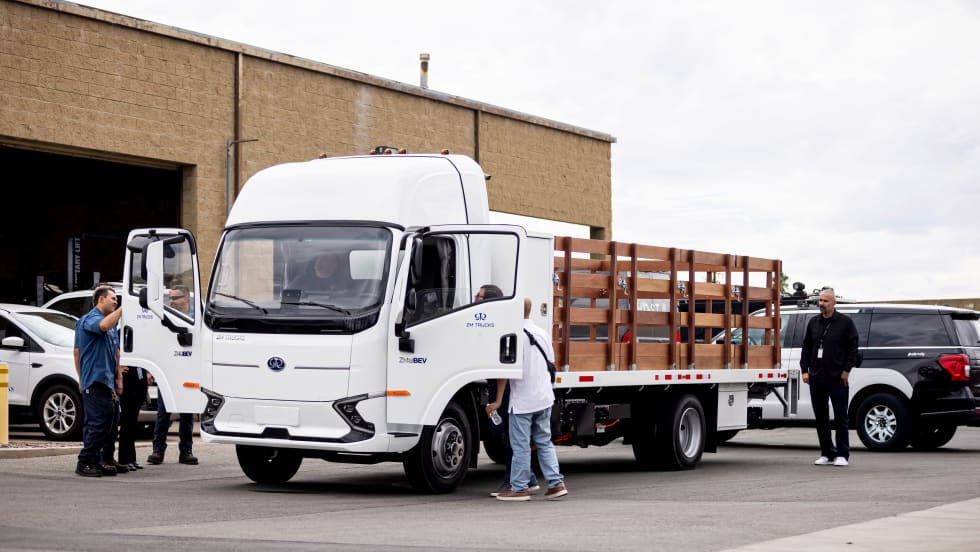
Electrification Incentives: The Acquisition Windfall Fleets Can't Miss
Discover how fleets can use tax credits, grants, rebates, and vouchers to dramatically reduce electric truck and charging infrastructure costs—before today’s funding disappears.
Read More →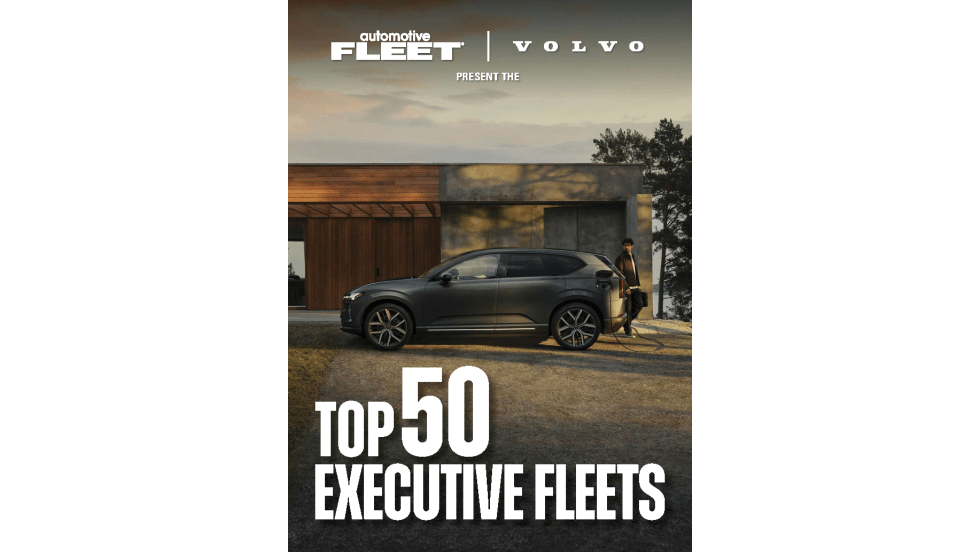
Top 50 Executive Fleets
It is that time of year again! Time for the 2026 list of the Top 50 Executive Fleets, presented by Automotive Fleet and Volvo as part of its annual Fleet 500. Download now to see this year's list of companies!
Read More →
Back at Star Nation for a Closer Look at Western Star Trucks and the People Behind Them
Work Truck returned to Western Star’s Star Nation Experience for another hands-on look at the trucks, technology, and operator community behind the brand.
Read More →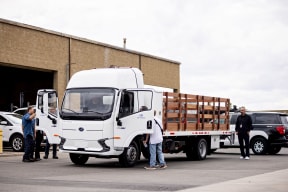

The Top 300 Commercial Fleets
The Top 300 Commercial Fleets: See the List
Read More →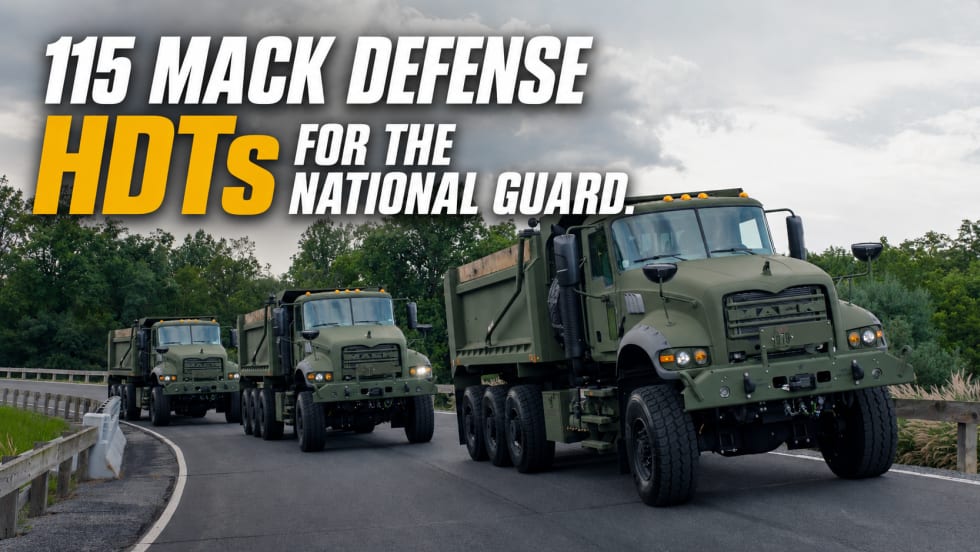
Mack Defense Receives Additional Order for 115 Heavy Dump Trucks Under U.S. Army’s M917A3 Program
The latest order of 115 Heavy Dump Trucks (HDTs) from Mack Defense for the National Guard is part of the $47-million order from the U.S. Army approved in the 2026 National Defense Appropriations Act.
Read More →
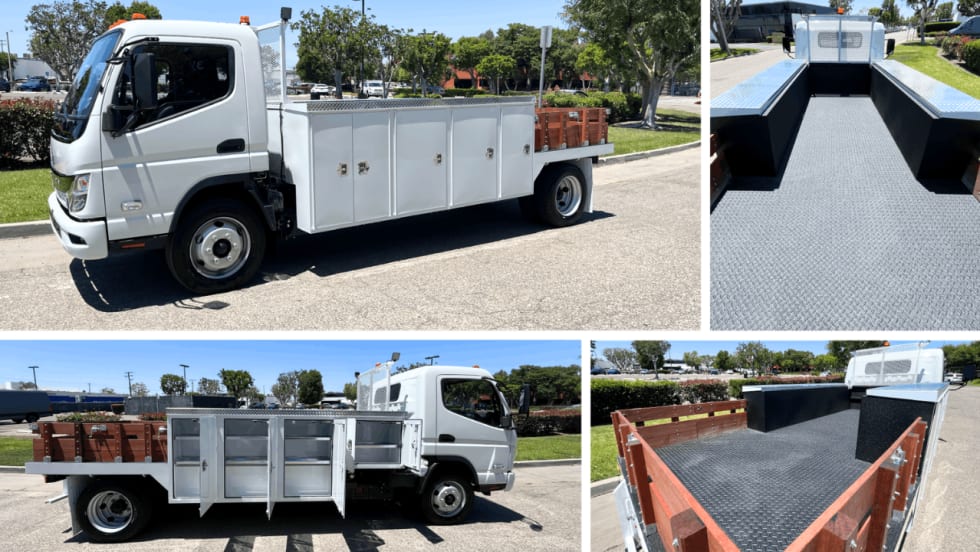
Rizon Introduces Service Combo Body, Increases Electric Truck Applications
Rizon now offers a combo service body that combines lockable storage and a spacious cargo bed in a single zero-emission vehicle. The body supports unique options including cranes, ladder racks, generators, lift gates, and work lighting for a wide range of vocational applications.
Read More →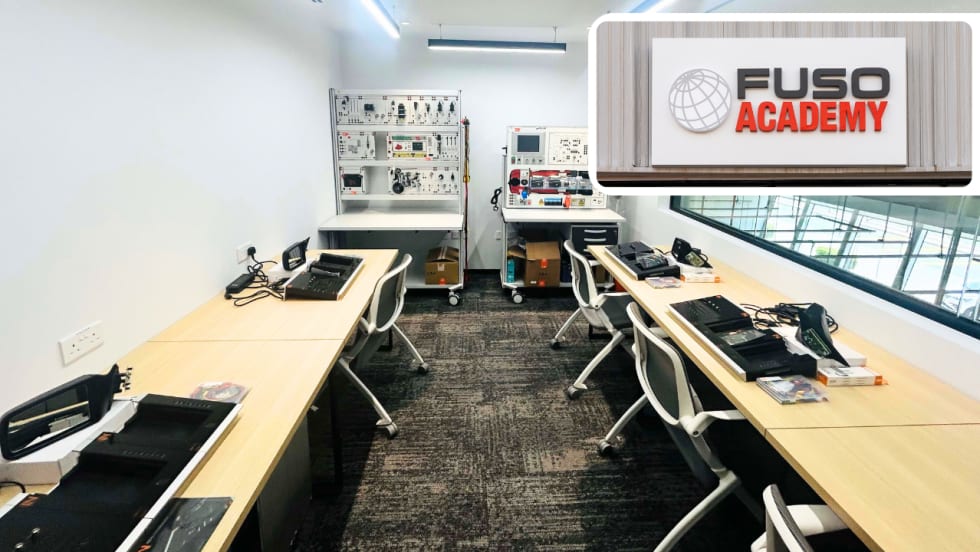
MFTBC Establishes FUSO Academy Dubai Training Center to Strengthen Network Capabilities in Middle East & Africa
Mitsubishi Fuso Truck and Bus Corporation’s new FUSO Academy Dubai Training Center will support technical and non-technical capability development. It features enhanced training infrastructure to improve service quality, uptime, and readiness for advanced vehicle technologies.
Read More →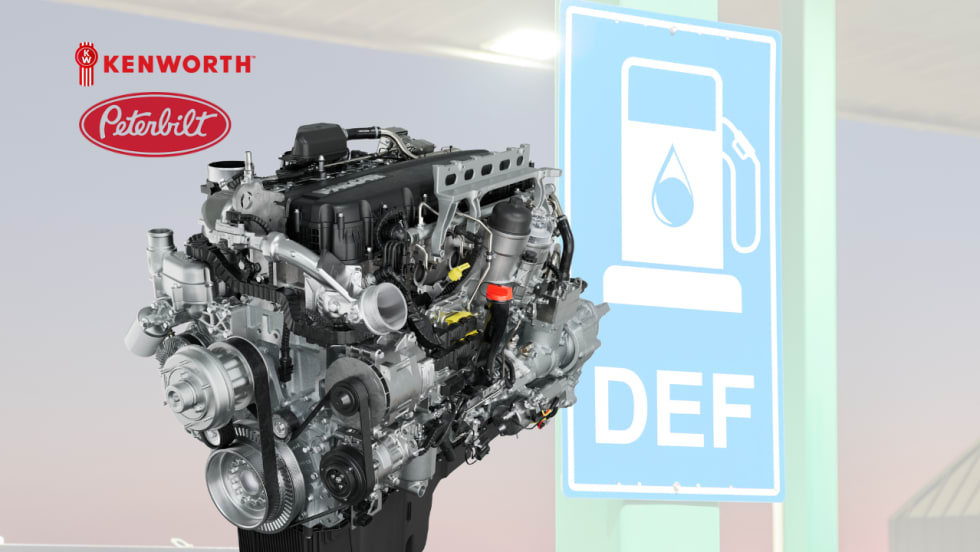
Paccar Updates MX-11 and MX-13 Engine Software to Enhance Customer Operations
Kenworth Truck Company and Peterbilt Motors Company will update software for vehicles equipped with Paccar MX-11 and Paccar MX-13 engines to ensure they comply with EPA guidance on diesel exhaust fluid inducements.
Read More →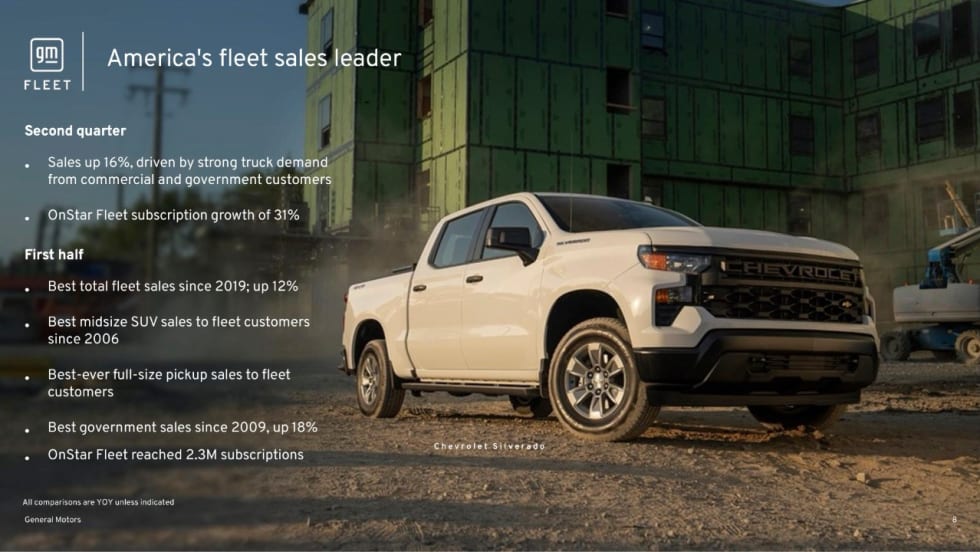
GM #1 in U.S. Sales for the Second Quarter of 2026
General Motors said it was America’s #1 automaker in U.S. sales for the second quarter of 2026 with total sales of 714,896 vehicles, down 4.2%. GM led in full-size pickup and large SUV sales and reported growth in fleet sales.
Read More →