




Electric Utilities Moving Toward Renewable Energy
A new analysis released by Ceres shows that many of the nation’s largest electric utilities and their local subsidiaries are moving toward lower carbon fuel sources and that ambitious state policies and strong corporate demand for renewable energy are key drivers of this trend.
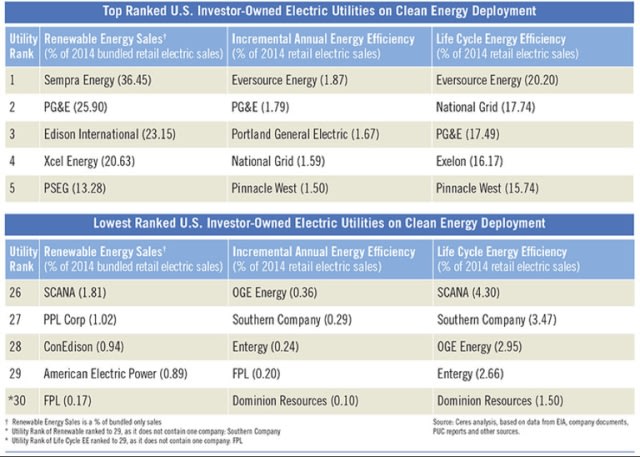
Among the 30 holding companies, Sempra, PG&E, Edison International and Xcel ranked the highest for renewable energy sales, accounting for more than half of the total sales. (SOURCE: CERES)
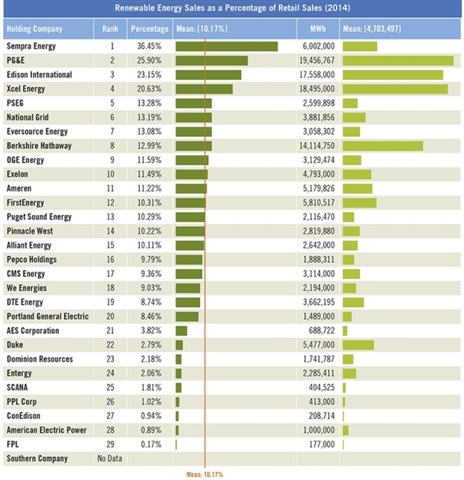
Sempra Energy’s renewable energy sales grew by more than 55% between 2013 and 2014 alone and Pinnacle West’s grew by nearly 50%, while Eversource and DTE Energy demonstrated a growth of more than 25%.
A new analysis released by Ceres shows that many of the nation’s largest electric utilities and their local subsidiaries are moving toward lower carbon fuel sources and that ambitious state policies and strong corporate demand for renewable energy are key drivers of this trend.
The 2016 Benchmarking Utility Clean Energy analysis ranks the 30 largest electric utility holding companies and their 119 subsidiary companies, which collectively account for about 60% of U.S. retail electricity sales. The results show overall advances on renewable energy and energy efficiency in 2014, the latest year for which data is available, with some utilities producing 25 to 35% of their electricity from wind, solar, and other renewables.
Wide disparities in the utilities’ clean energy performance remain; however, underscoring the need for swift implementation of the U.S. Environmental Protection Agency’s Clean Power Plan. The plan reduces carbon emissions from electric power plants by 32% by 2030.
“Renewable energy and energy efficiency, key building blocks of the Clean Power Plan, are increasingly cost-effective options for electric utilities looking to lower their carbon emissions,” said Dan Bakal, director of electric power programs at Ceres, a nonprofit sustainability advocacy organization. “Our analysis shows that the U.S. electric sector is in the midst of an unprecedented shift toward clean energy resources and that state policies are critical for continued progress in achieving national and international climate goals.”
Utilities with the strongest results were typically in states with strong clean energy policies, such as Colorado, Minnesota, Massachusetts, and California. The lowest-ranked utilities were mostly in southeast states, such as Alabama and Mississippi, which have weak state policies.
Among the 30 holding companies, Sempra, PG&E, Edison International and Xcel ranked the highest for renewable energy sales, accounting for more than half of the total sales. Renewable resources made up more than 20%, and in Sempra’s case, nearly 36% of the companies’ sales in 2014. FPL, American Electric Power, ConEdison, and PPL Corp ranked at the bottom, with renewable energy sales accounting for less than 2% of their total retail electricity sales.
Sempra Energy’s renewable energy sales grew by more than 55% between 2013 and 2014 alone and Pinnacle West’s grew by nearly 50%, while Eversource and DTE Energy demonstrated a growth of more than 25%.
“Xcel Energy’s positive ranking results from more than a decade of working with our states on clean energy policies,” said Frank Prager, vice president, Policy and Federal Affairs for Xcel Energy. “We continue to focus on our customers’ growing desire for clean, renewable energy while demonstrating that we can successfully integrate these resources reliably and at a reasonable cost. It’s an approach that is significantly reducing emissions and ensuring a more sustainable energy future for our communities.”
Energy efficiency top performers among the holding companies include Eversource Energy, PG&E, Portland General Electric, National Grid, and Pinnacle West. Each achieved annual savings of at least 1.5% of their total retail electric sales, while also helping their customers save on their energy bills.
Continued investment in energy efficiency and zero-carbon energy is central to Exelon’s effort to build the next generation energy grid and drive the transition to clean energy,” said Chris Gould, Exelon’s senior vice president, corporate strategy, and chief innovation and sustainability officer. “Exelon continuously works to identify new innovations and smart technologies to give customers greater access to clean energy and tools to help them use energy more efficiently.”
Among the report’s other key findings:
The Clean Power Plan’s key approaches to compliance, energy efficiency, and renewable energy, are increasingly economically feasible options for electric utilities. Energy efficiency is the lowest-cost energy resource and renewable energy costs continue to decline dramatically.
State policies are no longer the only driver of utility clean energy deployment. Companies with ambitious renewable energy sourcing goals are using their voice as major energy users to encourage utilities to offer more renewable energy. A consortium of major companies pledged not only to promote 60 gigawatts of new renewables development but also to help overcome the barriers that complicate clean energy procurement. Companies are sourcing ever-greater amounts of clean energy directly from utilities.
Performance is not the only measure of clean energy leadership, which should include utility support for clean energy policies. For example, National Grid and PG&E have been outspoken supporters of energy efficiency, while FirstEnergy has been a vocal critic of Ohio's energy efficiency policy and supported efforts to freeze the state’s goals.
"Seeing the leaps the renewable energy leaders have made in just two years has been amazing,” said Ron Pernick, managing director of Clean Edge, a clean-tech research and advisory firm, which co-authored the report with Ceres. "Governments, corporations, and individual customers continue to demand clean, efficient energy, and some utilities are answering that call.”
The report is available for download at www.ceres.org/cleanenergyreport.
More Utility Fleet
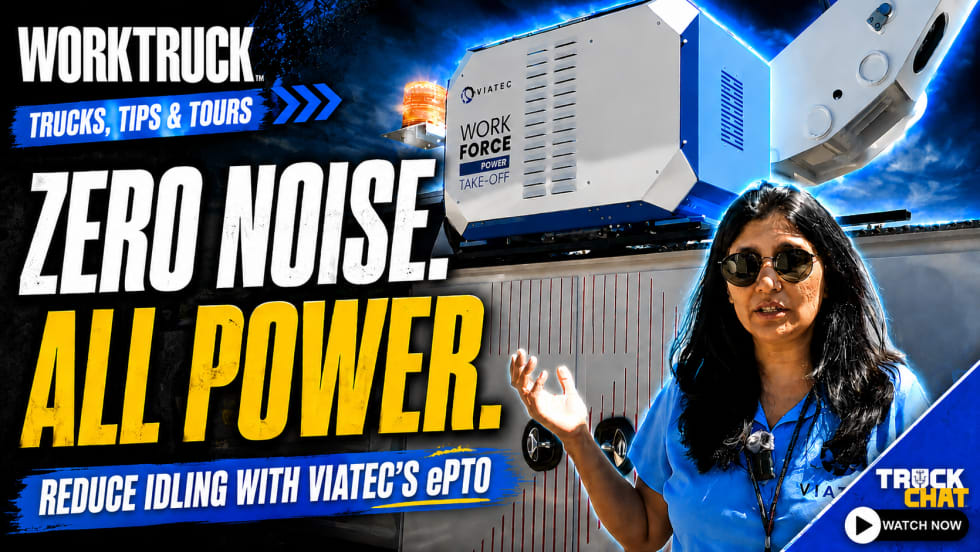
Reduce Noise & Idling with Viatec’s ePTO
Viatec's Workforce ePTO lets utility trucks power booms, outriggers, and auxiliary equipment using battery power instead of idling the engine. Learn how this technology helps reduce fuel use, noise, engine wear, and emissions while improving operator comfort.
Read More →
Why Utility Fleets Choose the Kenworth T380
The Kenworth T380 is engineered for utility fleets with custom chassis layouts, optimized frame rails, 4x4 capability, and improved driver visibility. See how its design helps maximize upfit flexibility and field performance.
Read More →
PALFINGER PB 38 AT P: Purpose-Built for Telecom Fleets
Purpose-built for telecommunications crews, the PALFINGER PB 38 ATP combines a 43-foot working height, flexible basket stowage, integrated cameras, and operator communication systems to improve productivity and safety during fiber and overhead cable installation.
Read More →
Inside Terex Utilities' Latest Work Truck Innovations
Terex Utilities is advancing utility fleet operations with its new TRX aerial platforms, Flex Pro controls, and AI-powered 3rd Eye safety technology. See how these innovations are helping fleets work safer, smarter, and more productively.
Read More →
Walkaround of International MV607 Digger Derrick
The International MV607 combines advanced safety technologies, excellent visibility, vocational flexibility, and seamless body integration to create a powerful platform for utility fleet operations. Take a closer look at this Altec digger derrick configuration from EUFMC.
Read More →
Inside the Electric Utility Fleet Managers Conference
What is EUFMC? For more than seven decades, the Electric Utility Fleet Managers Conference has served as a hub for collaboration, education, and innovation within the utility fleet industry. In this video, Work Truck talks to EUFMC President Greg Loew to learn more.
Read More →
Inside the EUFMC Equipment Expo & Drive-Through
Follow Work Truck as we check out the trucks and other vehicles that were showcased at the Electric Utility Fleet Managers Conference in Williamsburg, Virginia. Whether looking for something on tires or treads, it was there for fleet managers to see.
Read More →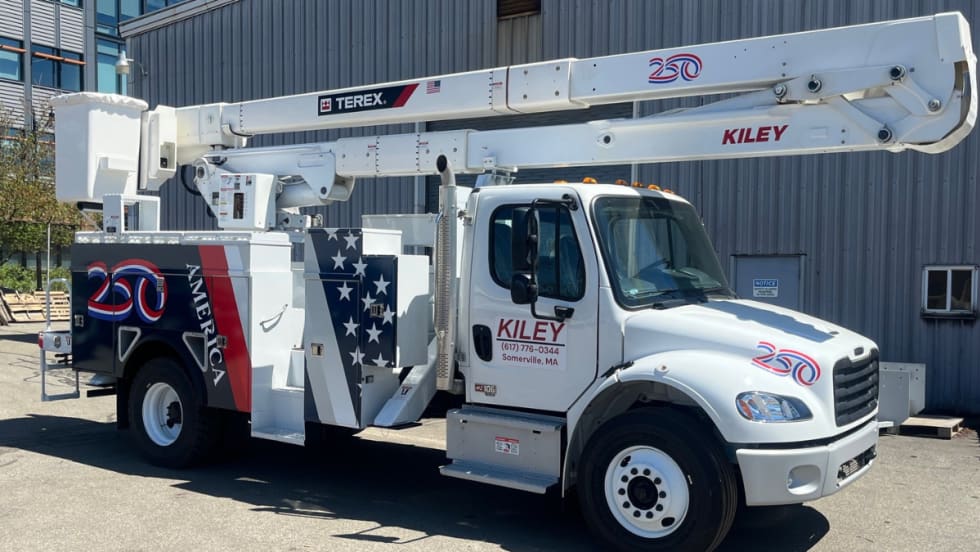
Terex Utilities & Kiley Unveil Custom America 250 Bucket Trucks at EUFMC 2026
Terex Utilities showcased a patriotic spirit in its booth this week during the Electric Utility Fleet Managers Conference in Williamsburg, Virginia, by debuting two custom-wrapped bucket trucks celebrating America’s upcoming 250th anniversary.
Read More →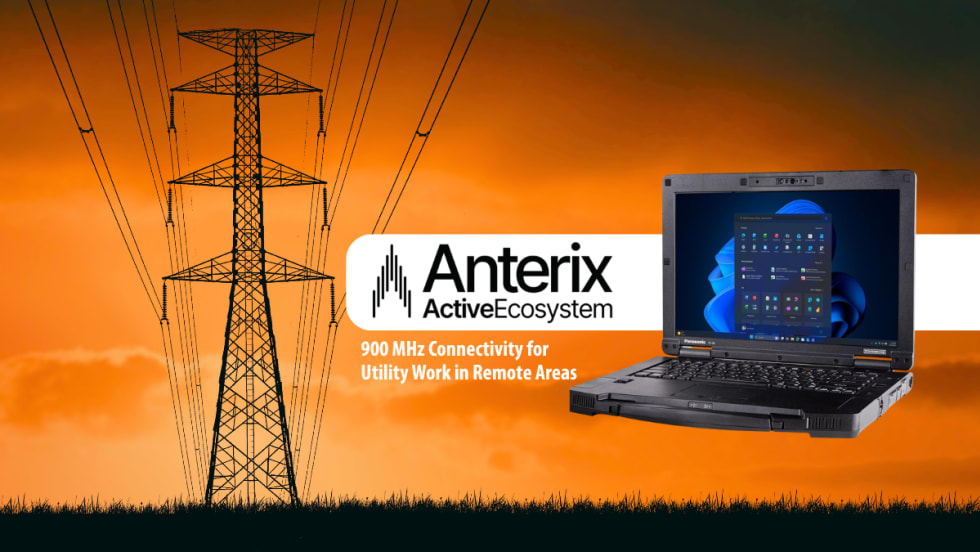
Panasonic Connect & Anterix Strengthen Connectivity Options for Utilities and Field Workers
The Panasonic Connect Toughbook 56 is the first Toughbook to earn the AnterixActive badge, which means it can connect to and operate on Anterix’s 900 MHz network even in the most remote locations.
Read More →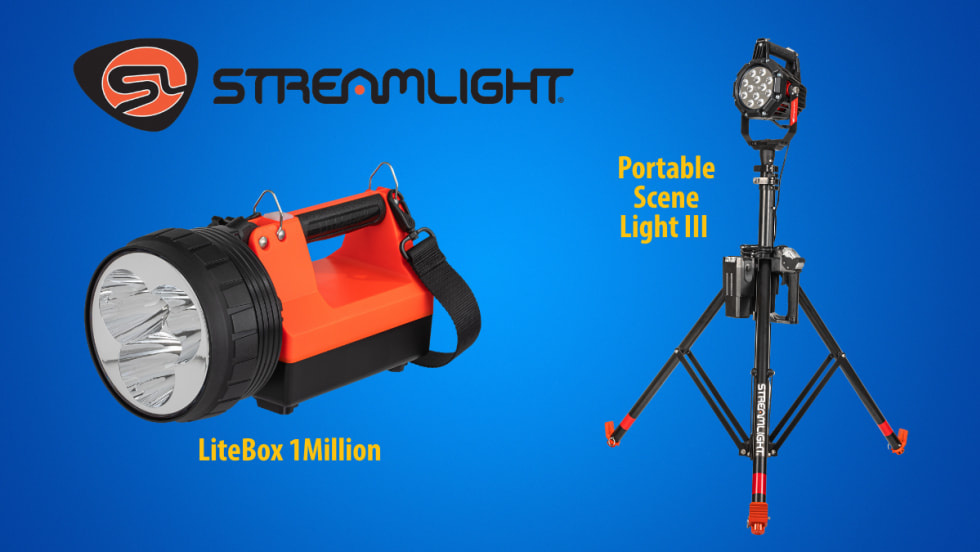
Streamlight Launches Portable Scene Light III & LiteBox 1Million
Streamlight has launched its Portable Scene Light III (PSL III), which delivers up to 10,000 lumens, and the LiteBox 1Million, a long-range search light that delivers one million candela.
Read More →