




DTNA's Circular Economy Approach Revolutionizes EV Sustainability
The circular economy approach aims to maximize battery lifespans and minimize material waste, aiming to prolong the use of rare-earth materials and products, resulting in addressing global sustainability challenges.

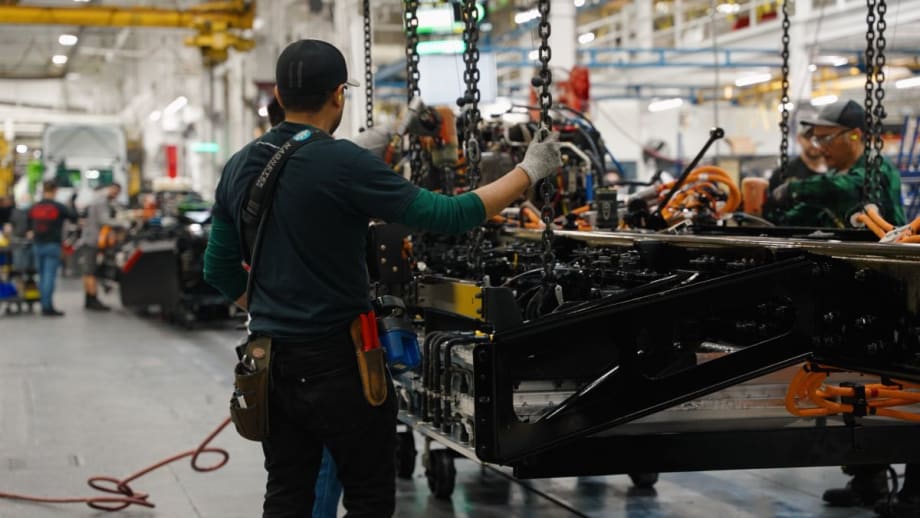
By utilizing advanced technology, DTNA can determine when a lithium-ion battery no longer meets the high standards required for vehicle use.
Photo: DTNA
Daimler Truck North America LLC (DTNA) is committed to reducing its overall carbon footprint by implementing a comprehensive circular economy approach. This strategy focuses on repairing, remanufacturing, repurposing, and recycling lithium-ion battery materials used in all DTNA electric vehicles (EVs).
The circular economy approach aims to maximize battery lifespans and minimize material waste, aiming to prolong the use of rare-earth materials and products, thereby addressing global sustainability challenges.
By utilizing advanced technology, DTNA can determine when a lithium-ion battery no longer meets the high standards required for vehicle use. This information guides the decision on the best process to maximize materials for a second life, with repair being the preferred option whenever possible.
While batteries receive significant attention due to their use of rare-earth metals like cobalt and nickel, DTNA's approach extends to all components of the EV product.
“As part of our commitment to maximizing material life cycles, we meticulously assess environmental and ethical implications from sourcing to post-production,” said Rakesh Aneja, vice president and chief of Zero-Emission Transformation Group at DTNA. “Our primary goal is to repair our lithium-ion battery materials and reduce the consumption of new resources.”
Revitalizing Electric Vehicle Components
When a battery or electric vehicle component is no longer easily repairable, it undergoes the remanufacturing process at existing Detroit Diesel Remanufacturing locations across the U.S., such as the recently expanded Hibbing facility, to reuse it in vehicles. This process includes partial disassembly, module replacement, and thorough testing to ensure optimal reliability.
All remanufactured products are updated with the latest technology and must meet or exceed new product standards before being reintroduced.
Remanufactured products offer a cost-effective solution that improves the overall cost of ownership, benefiting both DTNA’s customers and the environment. Currently, the main EV components being remanufactured are Detroit batteries and eAxles, with the potential for further expansion.
DTNA and Nuvation Energy's Battery Energy Storage System
DTNA has teamed up with Nuvation Energy to test a battery energy storage system (BESS) that is intended to help with charging, peak shaving, backup storage, and microgrid scenarios. This groundbreaking solution allows DTNA to repurpose batteries that are no longer suitable for use in a vehicle.
“We’re thrilled to announce the incorporation of DTNA’s first battery energy storage system units, designed by Nuvation Energy using Detroit battery modules, at Electric Island later this year,” continued Aneja. “Battery energy storage systems play a pivotal role in the electric vehicle ecosystem, given the escalating demand for charging infrastructure and limitations of the current power grid. As the number of EVs on the road increases, the existing grid capacity may struggle to meet charging demands. Energy storage systems alleviate this issue by facilitating off-peak charging, utilizing stored power when needed, and reducing reliance on the grid.”
DTNA's Sustainable Battery Material Recovery Partnership
DTNA has partnered with Li-Cycle, a leading lithium-ion battery resource recovery company, to create a process for responsibly recycling critical battery-grade materials from batteries that have reached the end of their life cycle. Li-Cycle uses an environmentally friendly and safe method that recycles batteries within a liquid-based solution, achieving up to a 95% recovery rate for returning critical materials back to the battery supply chain while producing minimal water discharge.
“This circular approach extends beyond just batteries,” concluded Aneja. “We are actively working to apply this concept to other facets of our product development, aiming to increase our utilization of reusable or recyclable materials. Our goal is to continue contributing positively to the preservation of our planet for future generations.”
On a Path to Net-Zero Operations
Since 2006, DTNA has made it a top priority to establish recycling solutions within its production facilities. Early initiatives, such as achieving ISO 14001 certification at every plant in the U.S. and Mexico by 2008 and reaching Zero Waste to Landfill status at all plants by 2017, highlight DTNA’s dedication to sustainable practices. Not only does DTNA provide practical solutions for its production facilities, but it also communicates a clear recycling strategy to its customers from the beginning.
Aligned with its sustainability goals, DTNA aims to achieve carbon neutrality for all new products and services from direct suppliers in Europe, the United States, and Japan by 2039. As early as 2020, the Portland Truck Manufacturing Plant, where the Freightliner eCascadia and eM2 are built, achieved CO₂-neutral production by reducing energy consumption and offsetting on-site emissions. DTNA further plans to achieve CO₂-neutral production at all its remaining truck manufacturing plants by 2025.
More Green Fleet

Fleet Forward Conference Introduces One-Day Passes for 2026
New one-day registration gives fleet professionals the flexibility to attend Tuesday, Wednesday, or Thursday, with passes available for $199 through Sept. 18.
Read More →
CALSTART Rebrands as Catalyst Mobility, Will Combine with Forth in 2027
CALSTART has rebranded as Catalyst Mobility and will combine with Forth at the start of 2027. The new organization said it is poised to become one of the world's largest, strongest, and most impactful clean transportation nonprofits.
Read More →
Electric Truck and Charging Programs to Boost Sustainability at NY & NJ Ports
Together, the Port Authority of New York and New Jersey and CALSTART will electrify drayage and terminal operations serving the East Coast’s busiest container port. A pair of incentive programs totaling $45 million has launched to accelerate adoption of zero-emission drayage trucks and terminal tractors.
Read More →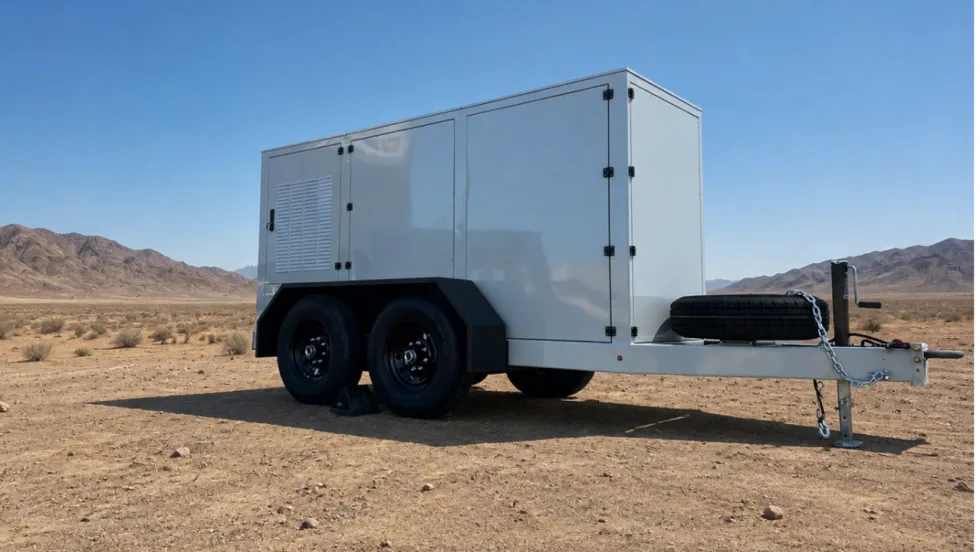
Xos Hub Surpasses One Gigawatt-Hour of Energy Delivered in the Field
A single Xos Hub has surpassed one gigawatt-hour of energy across more than 33,600 charging sessions in the field, demonstrating performance that supports Xos' expansion across new products and markets.
Read More →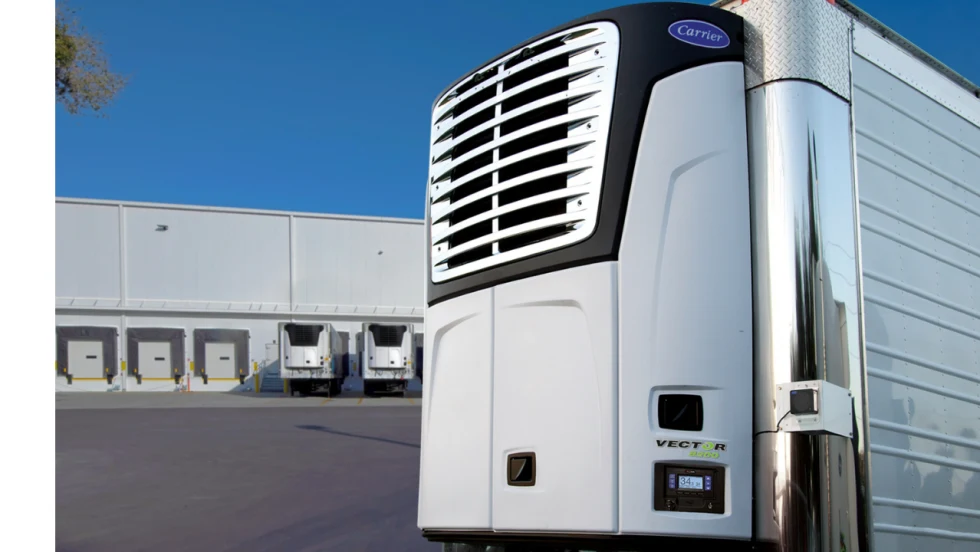
Carrier Transicold Launches All-Electric Vector 8200 TRU for Diesel-Free On-Site Cold Storage
Carrier Transicold’s first engineless multi-temperature TRU helps fresh- and frozen-food fleets add supplemental cold storage capacity during seasonal peaks.
Read More →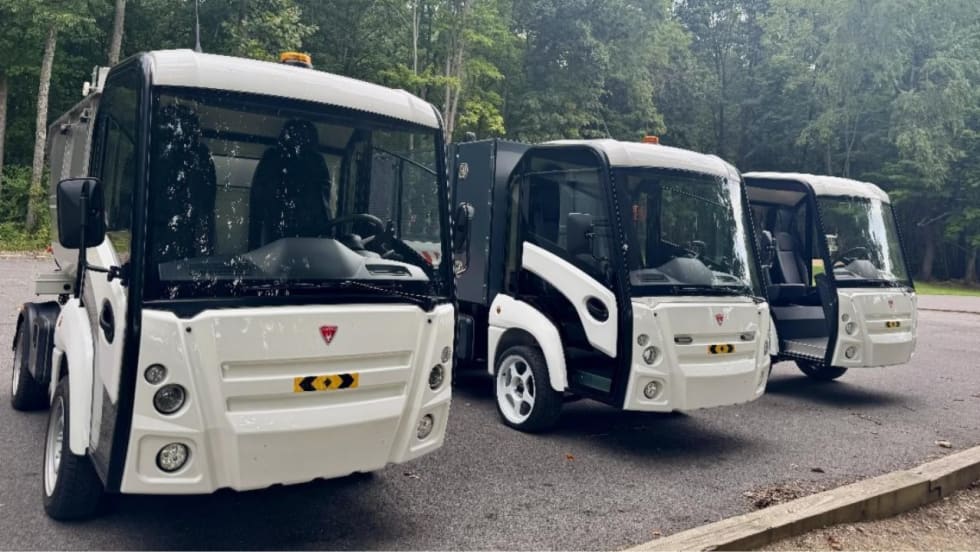
Narro Trucks Introduces Electric Utility Vehicle
Narro Trucks officially launched its operations on Aug. 20 and hosted a ride and drive to showcase its electric truck, which will be produced in Virginia.
Read More →
Samsung SDI Takes Full Control of GM Battery JV as Indiana Plant Pivots to Energy Storage
Samsung SDI is taking full control of its Indiana battery plant with GM, marking a major shift from the EV-focused joint venture Charged Fleet first covered in 2023.
Read More →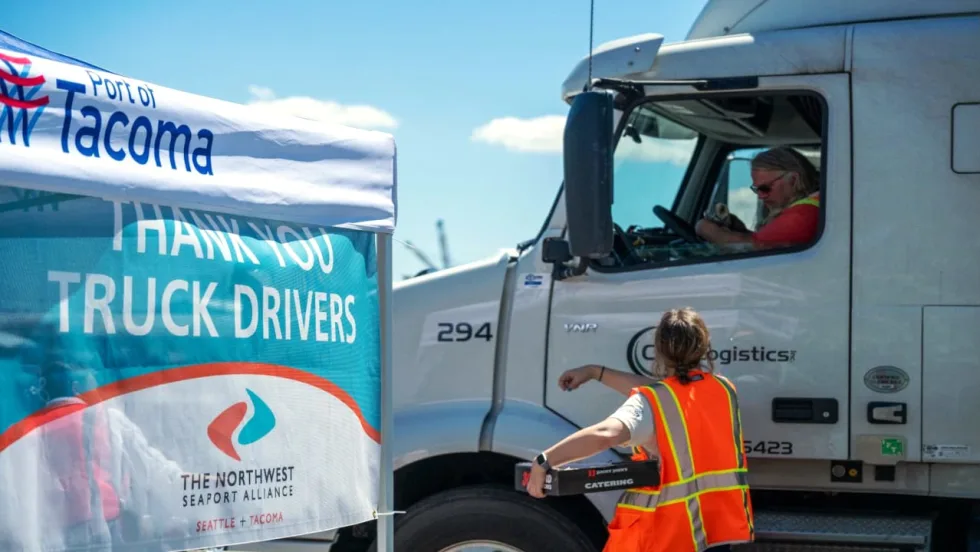
NWSA Taps CALSTART to Administer Zero-Emission Drayage Assistance Program
CALSTART will provide free technical assistance services to drayage fleets serving the Ports of Seattle and Tacoma and looking to transition to cleaner technologies and help decarbonize freight hubs.
Read More →
EV Fleet Reality Check: What Operators Wish They Knew Before Electrifying Their Work Vans
Electric work truck upfits bring new compatibility questions. Learn how parts availability, OEM guidance, power demands, and route planning can affect fleet performance.
Read More →
Peterbilt Expands Sourcewell Partnership with Electric Vehicle Lineup
Peterbilt Motors Company’s cooperative purchasing agreement with Sourcewell and its Canadian partner, Canoe Procurement Group, now includes including Peterbilt's battery-electric vehicle lineup.
Read More →