




DTNA Builds 1,000th Hybrid-Electric Vehicle
MT. HOLLY, NC - Daimler Trucks North America (DTNA) marked the production of its 1,000th hybrid electric vehicle with a celebration at its Mt. Holly, N.C. plant.
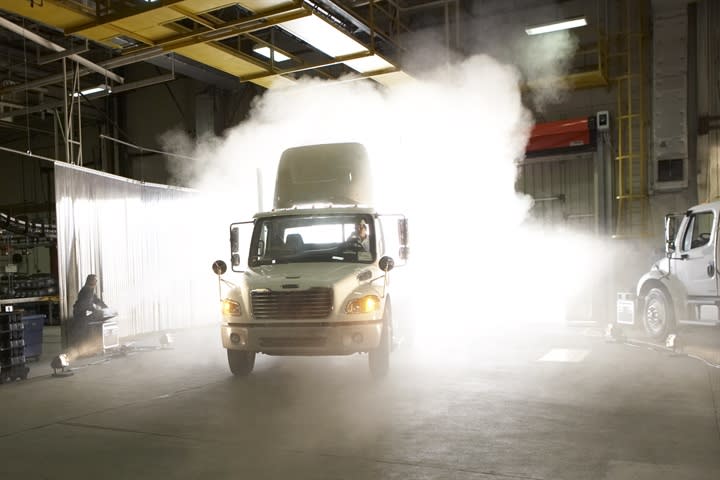
Daimler Trucks North America (DTNA) marked the production of its 1,000th hybrid electric vehicle with a celebration at its Mt. Holly, N.C. plant. The 1,000th vehicle - a Freightliner Business Class® M2 106 Hybrid truck - is manufactured at the Mt. Holly location.
MT. HOLLY, NC - Daimler Trucks North America (DTNA) marked the production of its 1,000th hybrid electric vehicle with a celebration at its Mt. Holly, N.C. plant. The 1,000th vehicle - a Freightliner Business Class® M2 106 Hybrid truck - is manufactured at the Mt. Holly location.
The Freightliner Business Class M2 106 Hybrid features the same benefits of the Freightliner Business Class M2, such as outstanding visibility and maneuverability, with the added efficiency and environment-friendly features of hybrid power. The Business Class M2 106 Hybrid also can be easily configured for a wide variety of bodies for different applications, such as beverage, dump, government, landscape, towing, utility vehicles, and emergency.
In addition to the Business Class M2 106 Hybrid, Freightliner Custom Chassis Corporation (FCCC), a subsidiary of DTNA, leads the way for alternative power in its markets. For the walk-in van industry, FCCC manufactures hybrid-electric vehicle (HEV) chassis, hydraulic hybrid vehicle (HHV) chassis and an all-electric chassis. FCCC also manufactures HEV chassis for the commercial bus market segments. In 2009, Thomas Built Buses, another DTNA subsidiary, launched is first HEV, the Saf-T-Liner C2e solution, also supported by FCCC's hybrid-electric chassis.
All of DTNA's hybrid products are equipped with EPA 2010-compliant engines utilizing selective catalytic reduction (SCR) technology and the Eaton Hybrid Electric Drivetrain System, a parallel hybrid system that enables the truck to operate using the diesel engine alone, or in combination with the hybrid electric motor. The hybrid-electric motor provides power to launch and accelerate the truck, improving fuel economy and reducing emissions in stop-and-go operations, and the electric power comes from regenerative braking while the vehicle is slowing down. Further, DTNA hybrid's can be equipped with electronic PTO and/or 110V power generation capabilities to power hydraulics, lights, tools, or other equipment for job site or refrigerated cargo applications.
"DTNA has worked closely with our partners and customers to develop leading-edge hybrid solutions that shape future transportation by maximizing fuel efficiency while also benefiting the environment," said Mark Lampert, senior vice president of sales and marketing for DTNA. "And it is because of the shared dedication between us, our partners and customers that we were able to reach this important 1,000th vehicle milestone."
Last spring, DTNA further demonstrated its leadership in hybrid technologies with the announcement of the opening of its Local Hybrid Application Center in Portland, Ore. An extension of Daimler's Global Hybrid Center in Japan, the Local Hybrid Application Center will spearhead DTNA's product research and development for hybrid and alternative fuel solutions in North America.
The Local Hybrid Application Center will work closely with the Global Hybrid Center to implement products that specifically meet the needs of the North American market.
DTNA's commitment to green technologies is part of Daimler AG's global "Shaping Future Transportation" initiative. Launched in Stuttgart, Germany in 2007, the initiative is focused on reducing criteria pollutants, carbon dioxide, and fuel consumption. Not only has DTNA had success with its hybrid and all-electric products, it has demonstrated leadership in development and sales of other green products as well, including natural gas-fueled vehicles.
More Green Fleet

Fleet Forward Conference Introduces One-Day Passes for 2026
New one-day registration gives fleet professionals the flexibility to attend Tuesday, Wednesday, or Thursday, with passes available for $199 through Sept. 18.
Read More →
CALSTART Rebrands as Catalyst Mobility, Will Combine with Forth in 2027
CALSTART has rebranded as Catalyst Mobility and will combine with Forth at the start of 2027. The new organization said it is poised to become one of the world's largest, strongest, and most impactful clean transportation nonprofits.
Read More →
Electric Truck and Charging Programs to Boost Sustainability at NY & NJ Ports
Together, the Port Authority of New York and New Jersey and CALSTART will electrify drayage and terminal operations serving the East Coast’s busiest container port. A pair of incentive programs totaling $45 million has launched to accelerate adoption of zero-emission drayage trucks and terminal tractors.
Read More →
Xos Hub Surpasses One Gigawatt-Hour of Energy Delivered in the Field
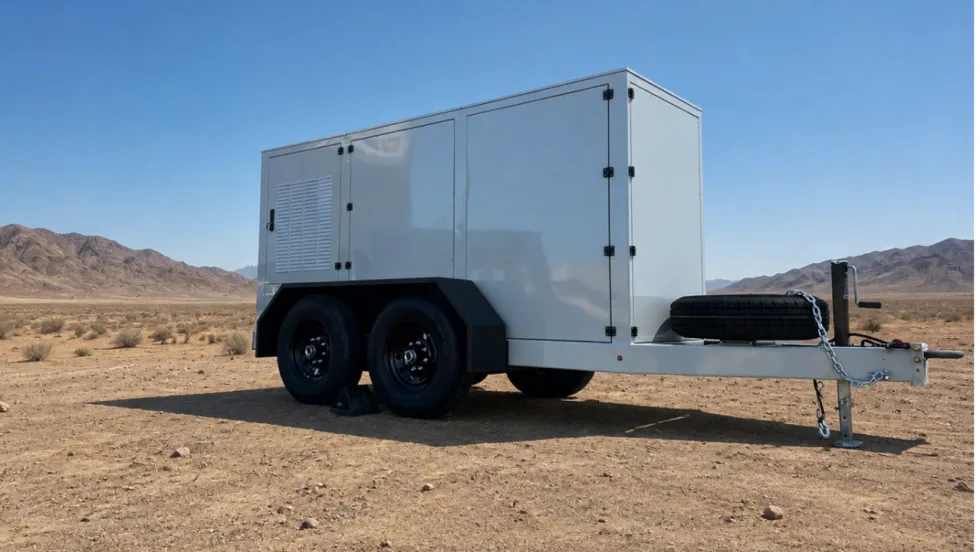
A single Xos Hub has surpassed one gigawatt-hour of energy across more than 33,600 charging sessions in the field, demonstrating performance that supports Xos' expansion across new products and markets.
Read More →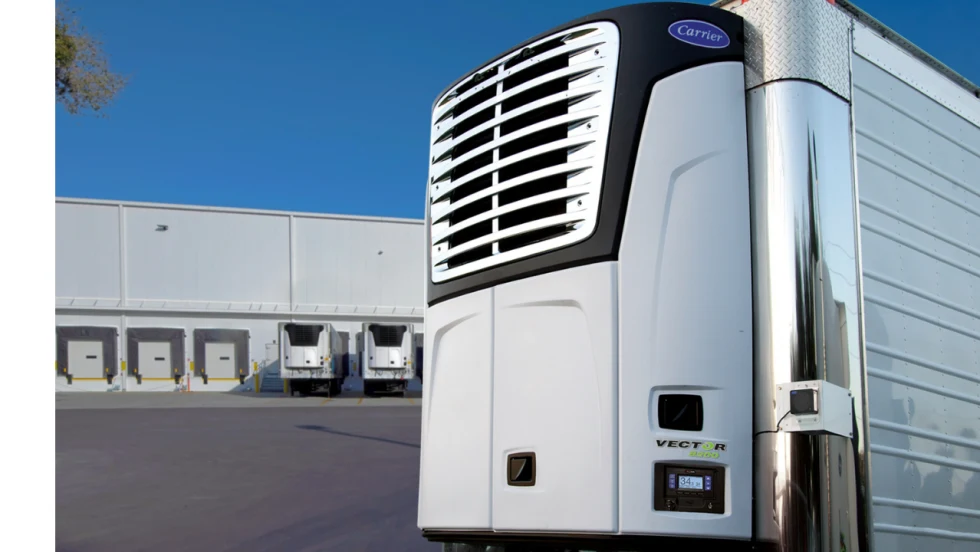
Carrier Transicold Launches All-Electric Vector 8200 TRU for Diesel-Free On-Site Cold Storage
Carrier Transicold’s first engineless multi-temperature TRU helps fresh- and frozen-food fleets add supplemental cold storage capacity during seasonal peaks.
Read More →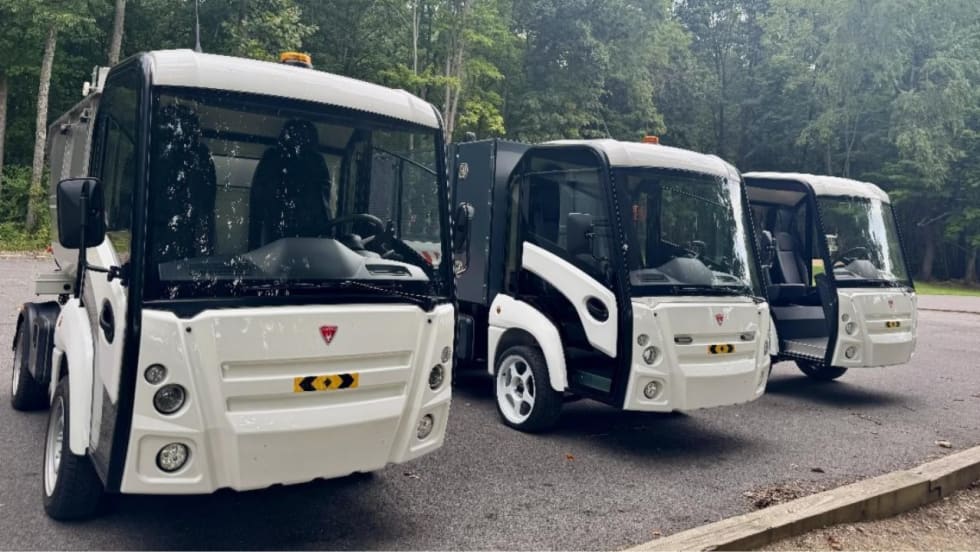
Narro Trucks Introduces Electric Utility Vehicle
Narro Trucks officially launched its operations on Aug. 20 and hosted a ride and drive to showcase its electric truck, which will be produced in Virginia.
Read More →
Samsung SDI Takes Full Control of GM Battery JV as Indiana Plant Pivots to Energy Storage
Samsung SDI is taking full control of its Indiana battery plant with GM, marking a major shift from the EV-focused joint venture Charged Fleet first covered in 2023.
Read More →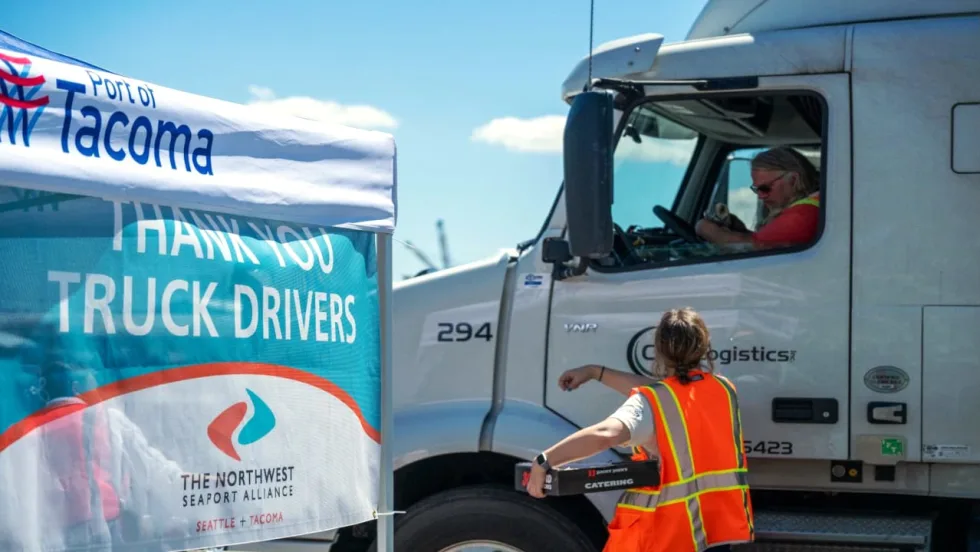
NWSA Taps CALSTART to Administer Zero-Emission Drayage Assistance Program
CALSTART will provide free technical assistance services to drayage fleets serving the Ports of Seattle and Tacoma and looking to transition to cleaner technologies and help decarbonize freight hubs.
Read More →
EV Fleet Reality Check: What Operators Wish They Knew Before Electrifying Their Work Vans
Electric work truck upfits bring new compatibility questions. Learn how parts availability, OEM guidance, power demands, and route planning can affect fleet performance.
Read More →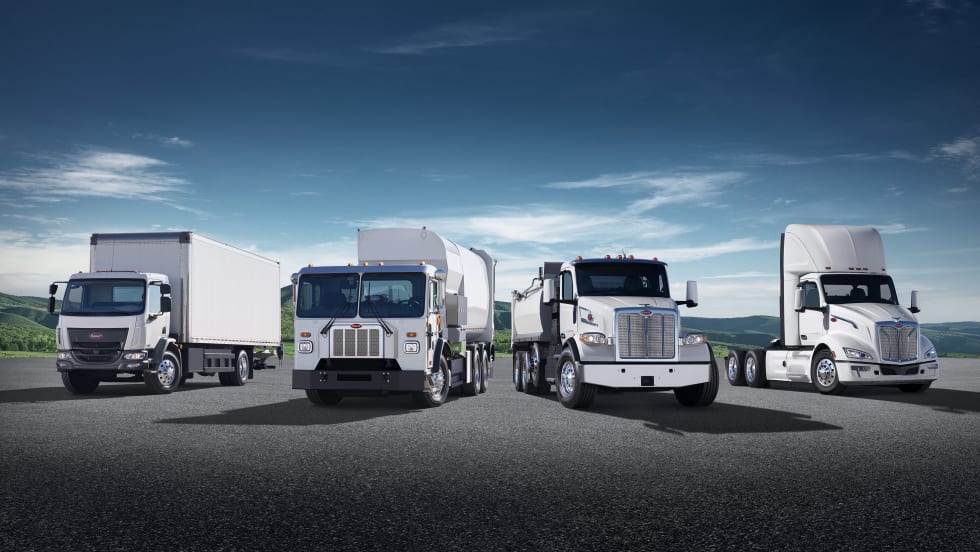
Peterbilt Expands Sourcewell Partnership with Electric Vehicle Lineup
Peterbilt Motors Company’s cooperative purchasing agreement with Sourcewell and its Canadian partner, Canoe Procurement Group, now includes including Peterbilt's battery-electric vehicle lineup.
Read More →