




Diesel to Remain Dominant Fuel Type Through 2040
Commercial vehicles are expected to run on diesel fuel through 2040 due to increases in fuel economy, according to new research from IHS Markit.

Commercial vehicles are expected to run on diesel fuel through 2040 due to increases in fuel economy, according to new research from IHS Markit.
In 22 years, 66% of new medium and heavy commercial vehicles sold in the U.S. will be fueled by diesel, compared to 80% today. Range and load capacity requirements from long-haul, on-highway trucking will keep diesel relevant in the short- and long-term, while other vehicle types will grow in popularity as technology continues to advance, according to the forecast.
The findings came in Reinventing the Truck, a research report that analyzes the world’s largest trucking markets.
“Understanding the future course of commercial trucking is so important because its impacts will reverberate far beyond just the trucking industry and through a whole host of industries,” said Daniel Evans, vice president of the IHS Markit downstream practice and co-author of the study. “Trucking accounts for half of diesel demand globally, or one-sixth of oil demand, making the future of trucking critically important for the oil industry. A wholistic, system-wide view is needed to see the full picture of this new reality of transportation.”
The report predicts a 15% compound annual growth rate for battery electric vehicles in the U.S. through 2040, as acquisition rates increase for medium-duty trucks. The initial cost disadvantage of BEVs will require adoption from larger truck fleets first, before they can be implemented by smaller fleet owners and operators.
Originally posted on Automotive Fleet
More Small Fleet

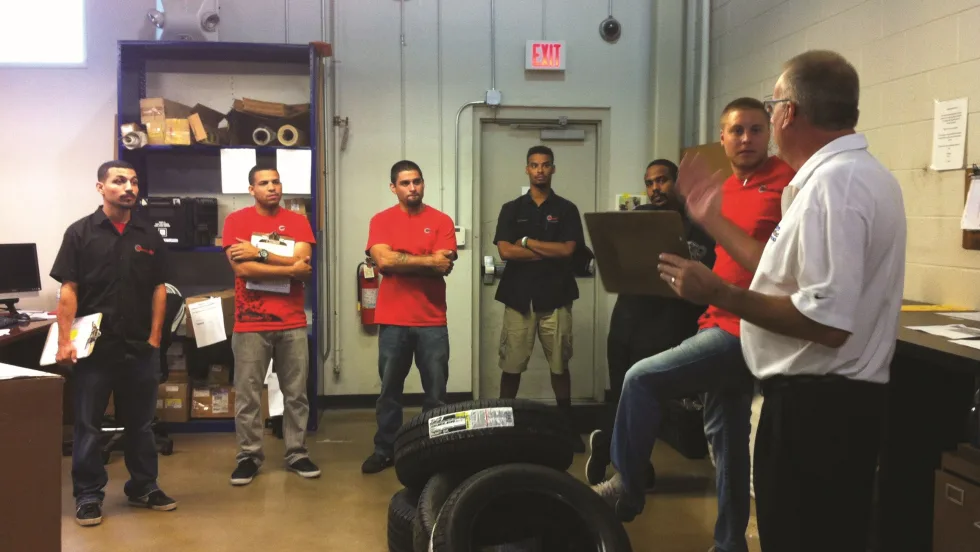
Developing Budget-Friendly Driver Safety Programs
From driver training and safety meetings to one-on-one coaching and incentive programs, several small fleets share how they have developed a safety culture with their drivers using low- to no-cost resources.
Read More →
Boosting Last-Mile Fleet Uptime, Safety, and Value with AI Vehicle Inspections
AI-powered inspections are transforming last-mile fleets by replacing manual checks with highly accurate automated scans that detect defects in seconds. By giving fleet operations visibility into the daily condition of their vehicles, you can identify trends over the vehicle’s lifecycle that enable improved procurement decisions, route management, driver training and accountability.
Read More →

Five Ways Seat Belts Help Prevent Injuries
There are five ways seat belts protect occupants from injuries, according to the Tennessee Department of Safety and Homeland Security.
Read More →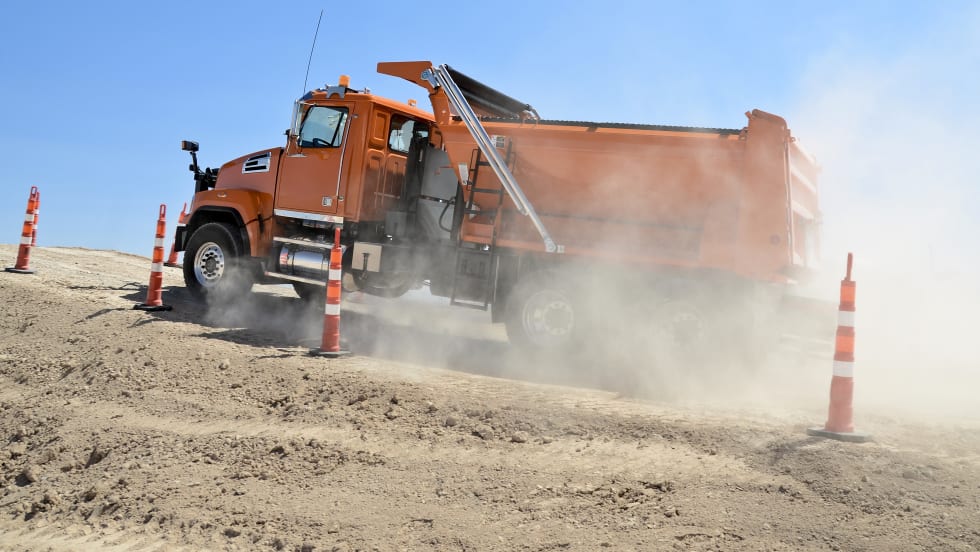
Basic Tracking vs Next Generation Fleet Technology
Fleet software is getting more sophisticated and effective than ever, tying big data models together to transform maintenance, safety, and the value of your existing tech stack. Fleet technology upgrades are undoubtedly an investment, but updated technology can offer a much higher return. Read how upgrading your fleet technology can increase the return on your investment.
Read More →
It’s here: The 2026 Fleet Technology Trends Report
What does AI mean for fleets? Get the answer — and learn other top tech trends.
Read More →
Small Fleets, Big Impact: How Independent Drivers Power Wreaths Across America
Check out how small fleets and independent drivers power Wreaths Across America each December and why their impact matters more than ever.
Read More →
VMS Survey Finds 65% of Small Fleet Managers Run Operations Alone
A new VMS survey shows small fleet managers are stretched thin, with most handling operations solo and eager to adopt digital tools for relief.
Read More →
Tips for Driving Safely on Halloween Night
This video features a reminder from the Connecticut Department of Transportation (DOT) and the Connecticut Police Chiefs Association, urging drivers to prioritize safety this Halloween.
Read More →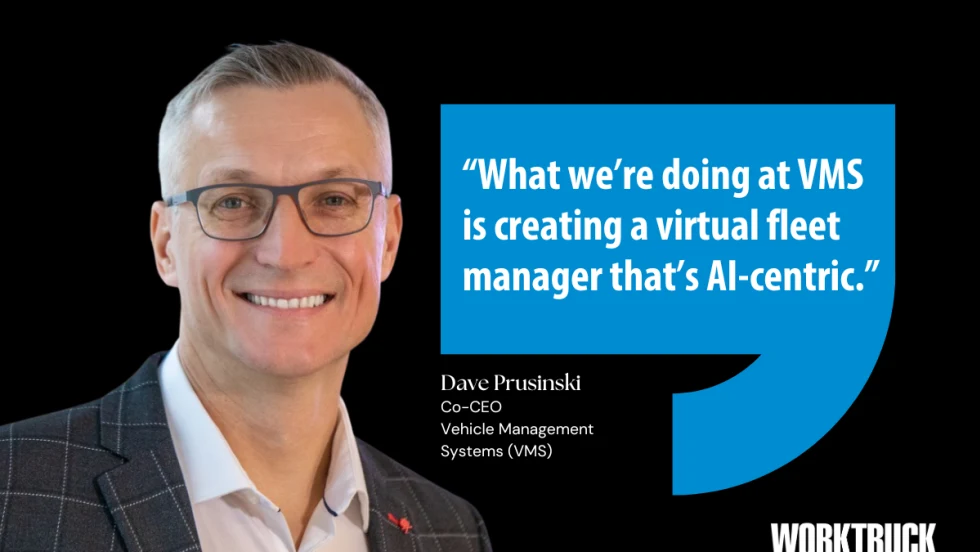
AI, Access, and Uptime: VMS’s Next Chapter with David Prusinski
VMS’s new Co-CEO, David Prusinski, shares how an AI-first approach will give small fleets and repair shops the tools to compete like big players.
Read More →