




Detroit Diesel Marks 75th Anniversary
Starting with the production of the first Detroit engine in March 1938, the Daimler Trucks North America subsidiary has a long history of innovative powertrain solutions.
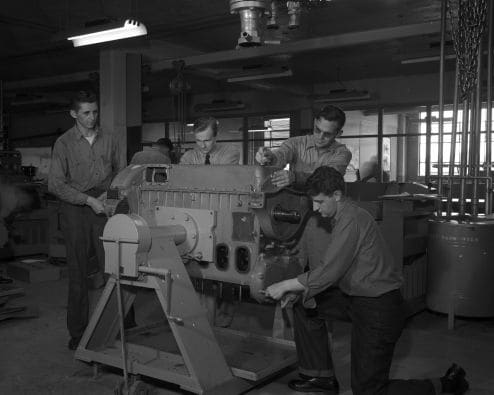
Detroit Diesel Corporation began its life in 1938 as part of GM's Diesel Division. It joined Daimler in 2000.
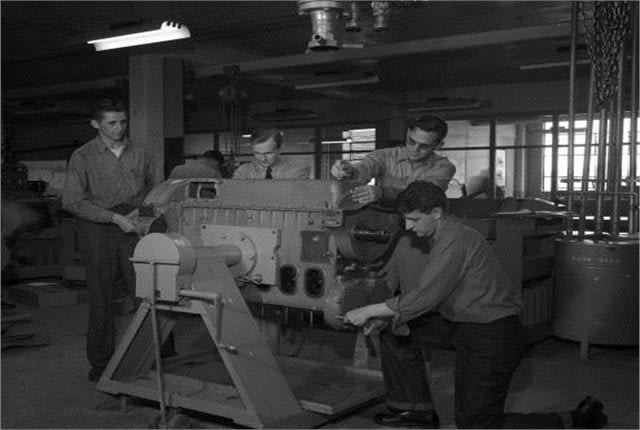
Detroit Diesel Corporation began its life in 1938 as part of GM's Diesel Division. It joined Daimler in 2000.
This year marked 75 years of operation for Detroit Diesel Corporation. Starting with the production of the first Detroit engine in March 1938, the Daimler Trucks North America subsidiary has a long history of innovative powertrain solutions, which today includes the Detroit family of heavy-duty engines, transmissions, and axles.
Originally founded as the General Motors Diesel Division, Detroit’s strength, quality and tradition have been on display through multiple product and technology introductions throughout the years, according to the company. With the market launch of the Series 60 in 1987, for example, Detroit began to forge the path for cleaner and fuel-efficient heavy-duty engines.
The company officially changed its name to Detroit Diesel Corporation in 1988 as part of a joint venture between Penske Corporation and General Motors, and, in 2000, became part of the Daimler family.
From a $350-million investment to refurbish the Redford manufacturing plant in 2005, to launching the Detroit DD15 engine in 2007 and the implementation of BlueTec SCR emissions technology in 2010, Detroit has continued its emphasis on performance and sustainability. The DD13 and DD16 designed for the vocational market rounded out the Detroit Diesel family of EPA engines and were launched in 2009 and 2010 respectively.
Most recently, the introduction of Detroit axles and the Detroit DT12 automated manual transmission marked the completion of the Detroit integrated powertrain. As part of Daimler Trucks’ Global Excellence Strategy to have uniform production standards and processes worldwide, the integrated powertrain results in an efficient, high quality and low cost of ownership products, according to the company. The new powertrain related component line as well as the Detroit family of engines equipped with BlueTec emissions technology were all renamed under the new Detroit brand name in 2012.
Also joining the Detroit brand family in 2012 was Virtual Technician — the company’s real-time diagnostic system. The on-board diagnostic system provides real-time engine diagnostics, enabling drivers and fleet managers to quickly and accurately evaluate events. Detroit Virtual Technician comes standard on every EPA 2010 and later Freightliner truck (optional on Western Star trucks) equipped with a Detroit engine.
Pacing the industry in emissions compliance and fuel efficiency, the Detroit family of updated 2013 engines was engineered to meet Greenhouse Gas 2014 (GHG14) regulations from the Environmental Protection Agency and the National Highway Safety Administration. The newly designed heavy-duty engines reinforce Detroit’s commitment to sustainability and combine engine, electronics and BlueTec emissions technology improvements to benefit fuel economy. A 1-Box package with fewer parts universally configured for all trucks as well as a new fuel filter system also results in improved serviceability, according to the company.
Since its inception in 1938, Detroit has built more than four million engines at its three million square-foot manufacturing plant in Redford. Over the past 10 years, Daimler Trucks North America has invested more than $750 million in the Detroit plant, according to the company.
More Operations
Family Ties Inside the Fleet Families Building Careers Across Generations
Three fleet families share what it really takes to work together, learn across generations, and keep business from following them home.
Read More →
Shades of Fleet Call for Voices: Fleet's Hidden Heroes
Fleet’s hidden heroes are often the ones keeping everything moving behind the scenes. September’s Shades of Fleet is looking for dispatchers, coordinators, parts specialists, and other support pros to share their stories.
Read More →
Truck Centers, Inc. Celebrates National Truck Driver Appreciation Week with $1,000 Fuel Card Giveaways
During National Truck Driver Appreciation Week, Truck Centers, Inc. is offering customers a chance to fuel up for free. Customers at all Truck Centers locations can enter to win one of four $1,000 fuel cards from Sept. 14 - 18.
Read More →
Fleet Guides, AI Time-Savers, Truck Tariffs & Fuel Strategy Lead the News
This week’s Truck Chat Cheat Sheet covers new fleet vehicle guides, practical AI use cases, U.S.-Canada truck production, mixed-energy strategy, and more.
Read More →
What Fleet Employers Are Missing When Hiring Veterans
What if some of the strongest candidates for fleet are already out there, but their experience is written in a language our industry does not always recognize?
Read More →
Automotive Fleet Opens 2026 Personal Use Survey for Commercial Fleet Managers
Less than two weeks left! Commercial and corporate fleet managers are invited to share how their organizations handle company vehicle personal-use policies, charges, and driver eligibility.
Read More →
What Resilient Fleets Do Differently When Conditions Change
Fleet resilience is about more than reacting to disruption. Lauren Fletcher talks with AP Fleet’s Alex Coveney about flexibility, planning, scaling, and what helps fleets adapt when business conditions shift.
Read More →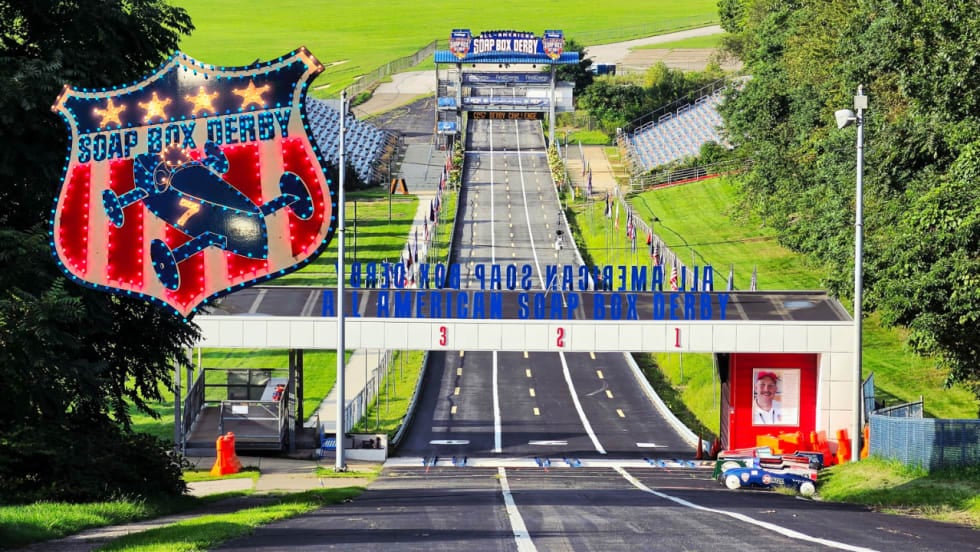
If We Want the Next Generation in Automotive, We Have to Give Them a Reason to Care
The automotive industry talks constantly about its workforce shortage. But before we can recruit the next generation, we may need to do a better job giving kids a reason to care about automotive in the first place.
Read More →
Ram ProMaster City Under $40K, Truck Tariffs, and AI Maintenance Lead the News
A sub-$40K commercial van, tariff questions, AI-powered maintenance, and a new EV production strategy headline this week’s Truck Chat Cheat Sheet.
Read More →
Bob Adamsky Shares the Fleet Lessons You Usually Learn the Hard Way
After more than 30 years in fleet, Arrow International’s Bob Adamsky has learned that the job is about far more than vehicles. He shares the lessons he wishes every fleet manager could learn a little earlier.
Read More →