




DEF Tanks May Get Smaller Under New EPA Rules
Under new rules approved by the EPA, vehicles could get smaller DEF tanks than now, because the special fluid is widely available and not as much of it must be carried aboard the vehicle.

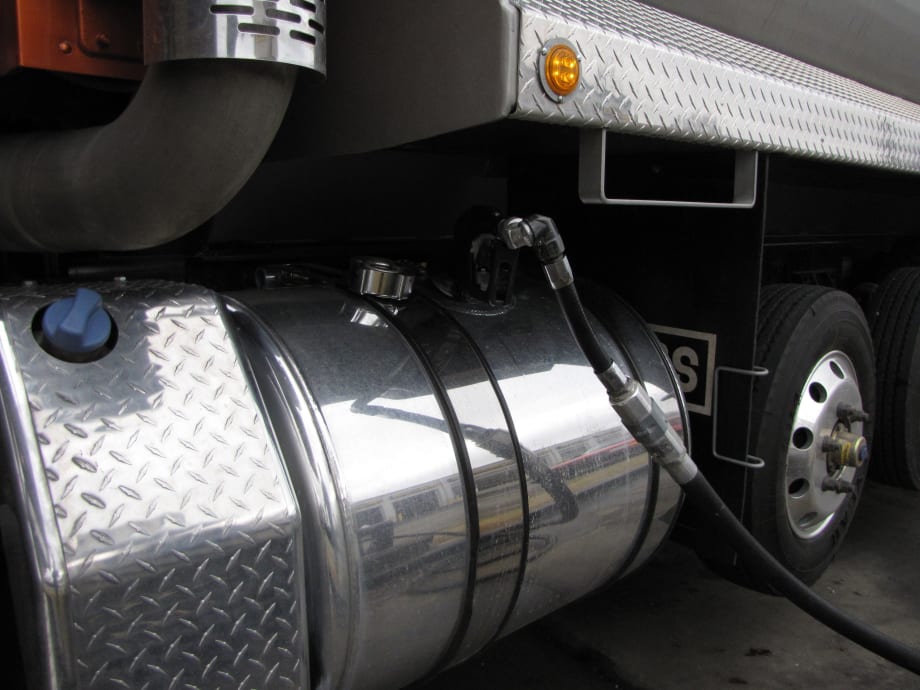
New rules say the blue-capped DEF tank can be replenished more often, allowing trucks to carry less fluid. Thus tanks could become smaller.
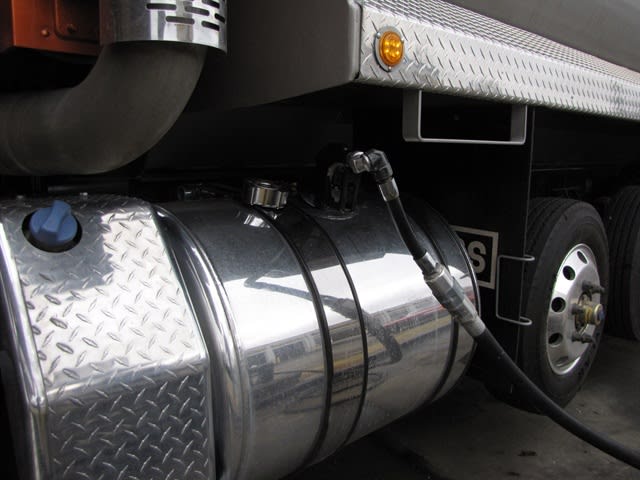
New rules say the blue-capped DEF tank can be replenished more often, allowing trucks to carry less fluid. Thus tanks could become smaller.
New rules on replenishment of diesel exhaust fluid will allow vehicle manufacturers more leeway in equipping cars and trucks with DEF tanks without certifying them individually, according to the Environmental Protection Agency. Truck owners and drivers are not directly affected by the new rules, but must continue to maintain vehicles as before.
One practical result is that trucks might get smaller DEF tanks than they currently have. The special fluid is widely available today so not as much of it must be carried aboard the vehicle.
DEF is sprayed into diesel engines’ hot exhaust to reduce nitrogen oxide through a chemical reaction. It is the active part of selective catalytic reduction used by virtually all builders of on-road diesels, and many makers of off-road diesel engines. Dosing rates are about 2% of fuel use, builders have said, though this varies with the operation and engine size and type.
The new rules reflect EPA’s greater confidence in availability of the special fluid, said a source within the agency who couldn’t be directly quoted. In 2001, when rules were first published, selective catalytic reduction was a new concept in North America and EPA wasn’t sure DEF would be readily available.
The new rules set tank-size “ratios” of DEF to fuel, which builders can use for any vehicle. This will give manufacturers “more flexibility” in choosing tank sizes than before, the EPA source said.
Vocational trucks that return home daily for fueling can have DEF tanks that need filling whenever the fuel tanks do, which the rules call a 1 to 1 ratio. This might allow trucks to carry a smaller DEF tank, which could save some weight and frame space.
For long-haul trucks the ratio is 2 to 1, meaning their DEF tanks could be filled every other time the fuel tanks are. This might also allow a smaller DEF tank, though truck owners might prefer larger tanks so the fluid refilling task could be done less often.
Truck builders size tanks based on estimated fluid-dosing rates, and have established several tank sizes for various truck classes. These may or may not change, but under the new rules, manufacturers could follow the 1 to 1 or 2 to 1 ratio and be legal.
Truck owners and drivers are not affected, except that they must continue properly maintaining their vehicles so the anti-pollution equipment, including SCR gear, works properly, EPA says. Like now, failure to keep enough fluid in DEF tanks results in warning lights and eventual cutting of power and torque until tanks are replenished.
However, the rules might have more effect on diesel-powered light-duty vehicles, especially cars, because EPA wants replenishing schedules to be shorter than they are becoming, said Allen Schaeffer, executive director at the Diesel Technology Forum. Manufacturers have sized DEF tanks so top-offs could be done at engine oil-change times, when dealers and service shops could do both, and motorists need not be concerned with DEF.
But those intervals are becoming longer, Schaeffer noted, and EPA worries that fluid fills could be delayed. Motorists who drive diesel-powered cars might have to learn about DEF and know when to top off the tanks.
The rules continue exemptions for emergency vehicles, like fire trucks and ambulances, so their diesels can keep operating at full power even if DEF tanks run low. Emergency exemptions for off-road engines, like diesel-powered generators and pumps, also remain in effect.
Originally posted on Automotive Fleet
More Green Fleet

Fleet Forward Conference Introduces One-Day Passes for 2026
New one-day registration gives fleet professionals the flexibility to attend Tuesday, Wednesday, or Thursday, with passes available for $199 through Sept. 18.
Read More →
CALSTART Rebrands as Catalyst Mobility, Will Combine with Forth in 2027
CALSTART has rebranded as Catalyst Mobility and will combine with Forth at the start of 2027. The new organization said it is poised to become one of the world's largest, strongest, and most impactful clean transportation nonprofits.
Read More →
Electric Truck and Charging Programs to Boost Sustainability at NY & NJ Ports
Together, the Port Authority of New York and New Jersey and CALSTART will electrify drayage and terminal operations serving the East Coast’s busiest container port. A pair of incentive programs totaling $45 million has launched to accelerate adoption of zero-emission drayage trucks and terminal tractors.
Read More →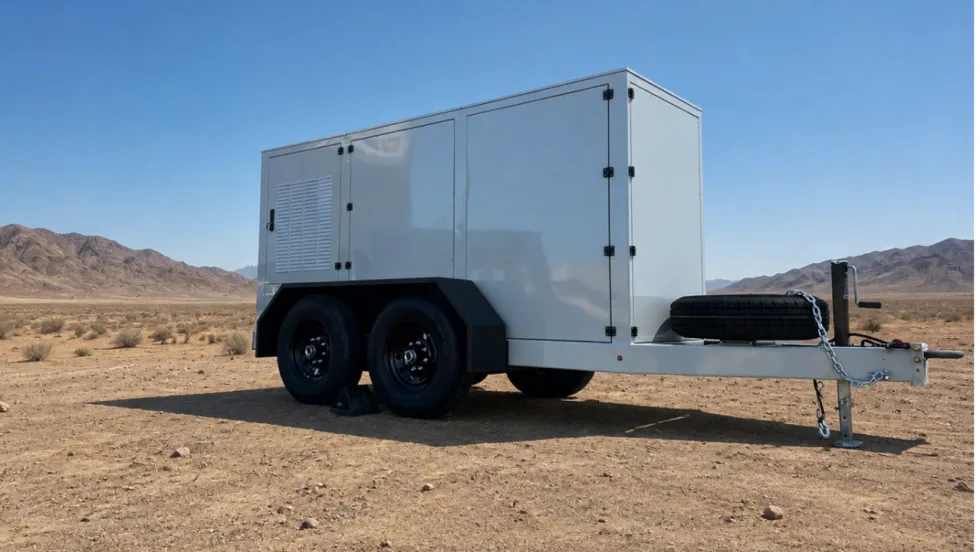
Xos Hub Surpasses One Gigawatt-Hour of Energy Delivered in the Field
A single Xos Hub has surpassed one gigawatt-hour of energy across more than 33,600 charging sessions in the field, demonstrating performance that supports Xos' expansion across new products and markets.
Read More →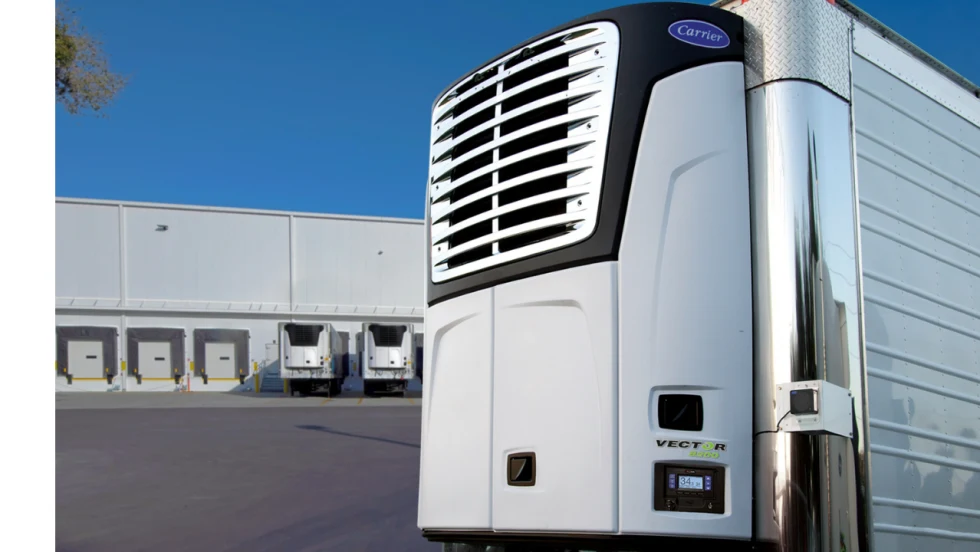
Carrier Transicold Launches All-Electric Vector 8200 TRU for Diesel-Free On-Site Cold Storage
Carrier Transicold’s first engineless multi-temperature TRU helps fresh- and frozen-food fleets add supplemental cold storage capacity during seasonal peaks.
Read More →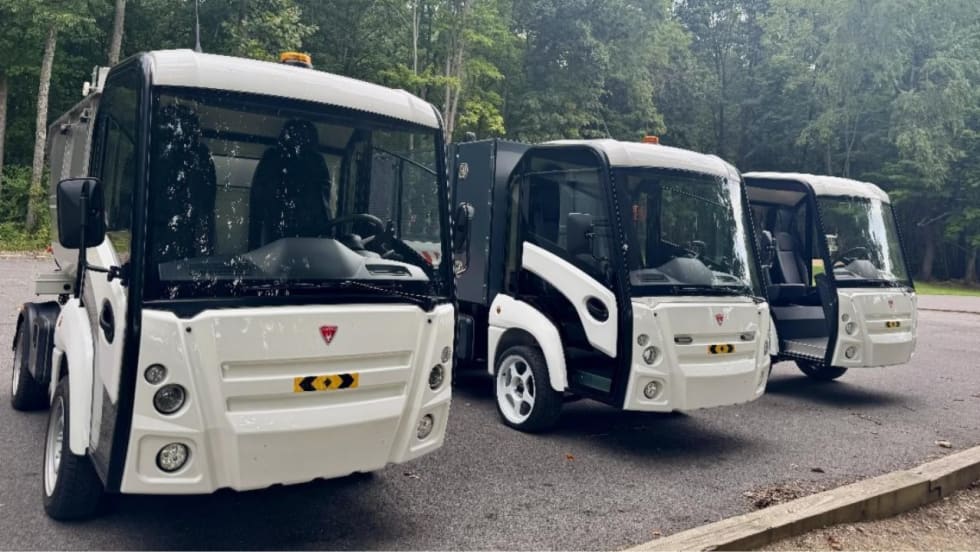
Narro Trucks Introduces Electric Utility Vehicle
Narro Trucks officially launched its operations on Aug. 20 and hosted a ride and drive to showcase its electric truck, which will be produced in Virginia.
Read More →
Samsung SDI Takes Full Control of GM Battery JV as Indiana Plant Pivots to Energy Storage
Samsung SDI is taking full control of its Indiana battery plant with GM, marking a major shift from the EV-focused joint venture Charged Fleet first covered in 2023.
Read More →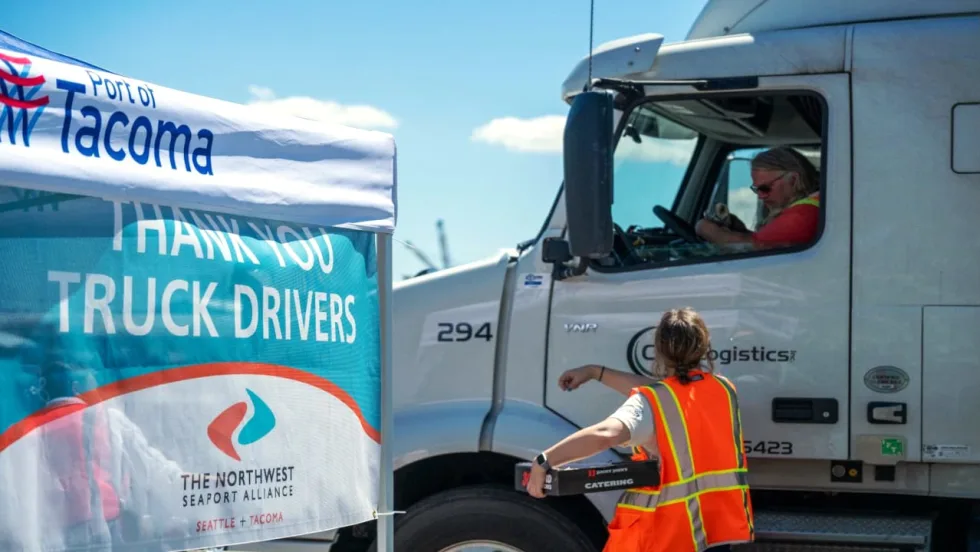
NWSA Taps CALSTART to Administer Zero-Emission Drayage Assistance Program
CALSTART will provide free technical assistance services to drayage fleets serving the Ports of Seattle and Tacoma and looking to transition to cleaner technologies and help decarbonize freight hubs.
Read More →
EV Fleet Reality Check: What Operators Wish They Knew Before Electrifying Their Work Vans
Electric work truck upfits bring new compatibility questions. Learn how parts availability, OEM guidance, power demands, and route planning can affect fleet performance.
Read More →
Peterbilt Expands Sourcewell Partnership with Electric Vehicle Lineup
Peterbilt Motors Company’s cooperative purchasing agreement with Sourcewell and its Canadian partner, Canoe Procurement Group, now includes including Peterbilt's battery-electric vehicle lineup.
Read More →