




DaimlerChrysler to Produce Hybrid Dodge Durango in 2003
DaimlerChrysler has announced that it will start offering the Dodge Durango SUV with a hybrid powertrain in 2003. The company expects that up to 15 percent of total Durango volume will be equipped with the new gasoline-electric propulsion system. The hybrid Dodge Durango, with patented through-the-road powertrain technology, is designed to give consumers the option of an environmentally- friendly vehicle that continues to provide the performance, size and utility suited for the U.S. market, according to Bernard Robertson, DaimlerChrysler senior vice president - engineering technologies and general manager - truck operations. "You can get V-8 power out of a V-6 while burning much less fuel," Robertson said. "It's exactly what people want -- to be able to have a positive impact on the environment without having to pay for it. And we are doing this with a sport-utility vehicle, one of the most popular segments of the market today." Federal legislation introduced by Senator William Roth (R-DE), Chairman of the Senate Finance Committee, to create up to $3,000 in tax incentives for purchasers of hybrid vehicles could make the Durango hybrid cost competitive with its gasoline-powered counterpart. The hybrid Durango combines two separate propulsion systems: a 3.9-liter, V-6 engine with automatic transmission that powers the rear wheels, and a three-phase, AC induction electric motor that drives the front wheels. The electric motor assists the gasoline engine during acceleration, and recaptures energy normally lost during deceleration. The combination provides the power, acceleration and performance of a conventional V-8 engine. In fact, it is quicker than a 5.9-liter V-8-powered Durango from 0-60 miles per hour, according to Robertson. The hybrid powertrain yields a 20 percent increase in fuel efficiency, achieving 18.6 miles per gallon combined city/highway, compared with 15.5 miles per gallon for the conventional V-8 Durango. According to Robertson, the application of fuel-saving hybrid technology in a popular sport-utility vehicle results in greater overall savings in fuel consumption than the same technology applied to a smaller passenger car. "This has the potential of saving hybrid Durango owners nearly five million gallons of gas a year, in the aggregate," Robertson noted. In addition, the improved fuel efficiency results in reduced emissions of carbon dioxide. Passengers also enjoy a quieter, smoother ride, with no sacrifices in comfort or equipment options, although trailer tow capability is reduced, Robertson said. The gains in fuel efficiency result in part from the downsizing of components in the hybrid vehicle. A smaller engine can be used, permitting use of smaller related components, including catalytic converter, fan and fan clutch, radiator, and drive shaft. The improved fuel efficiency, in turn, permits use of a smaller fuel tank (20 gallons vs. 25 gallons). With the performance provided by the gas-electric hybrid, the Durango can be adapted for the U.S. and European markets to meet consumers' differing demands for fuel efficiency, lower emissions and performance, according to Robertson. DaimlerChrysler has been a leader in the development of vehicles demonstrating hybrid technology, including the ESX, ESX2 and ESX3 concept cars with mild hybrid, or "mybrid" powertrain technology, and the Chrysler Citadel, the first concept vehicle to implement DaimlerChrysler's patented through-the-road technology.
More Vehicle Insights

Truckers’ Strike Rumors, Electric Fleet Lessons, and GM’s New Duramax Lead This Week’s News
Truckers’ strike rumors, Republic Services’ electric fleet lessons, GM’s new 8.3L Duramax, van upfitting, Ford Pro used trucks, and more headline this week’s Truck Chat Cheat Sheet.
Read More →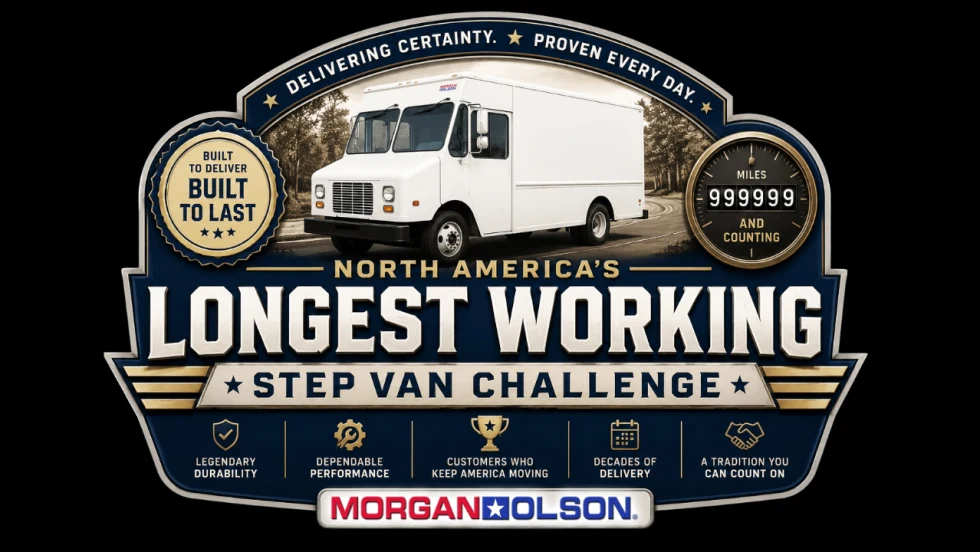
Morgan Olson Launches North America’s Longest Working Step Van Challenge
Morgan Olson has launched North America’s Longest Working Step Van Challenge, a new customer campaign to find the longest-working qualifying Morgan Olson or Grumman step van actively delivering packages for an independent service provider contracted by FedEx.
Read More →
Ford Transit Fleet Guide Specs Capability and 2027 Model-Year Updates
Explore 2027 Ford Transit fleet specs, engines, payload and towing capability, cargo configurations, work features, technology, and model-year updates.
Read More →
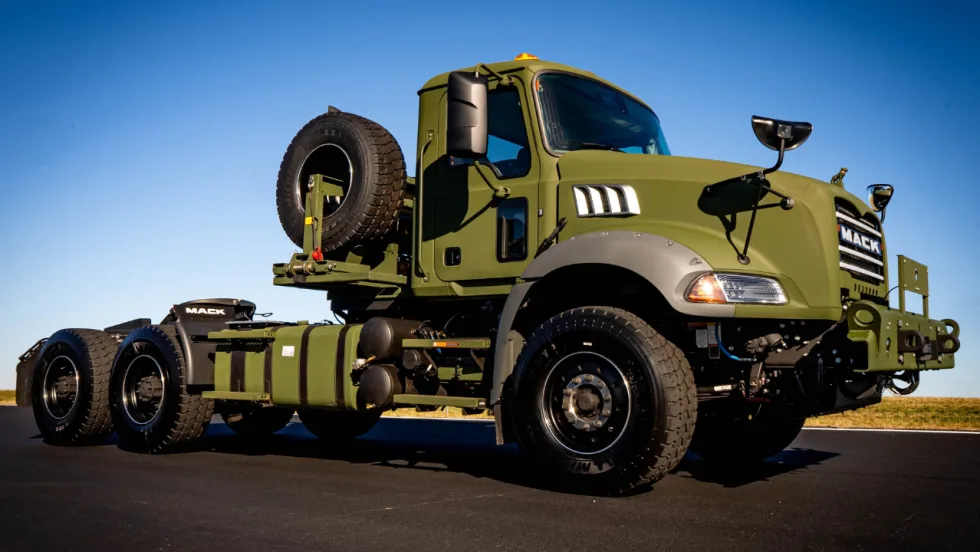
Mack Defense to Spotlight Common Tactical Truck Line Haul Hybrid Tractor During AUSA 2026
Mack Defense was awarded a contract to design, build, and deliver prototype vehicles for the U.S. Army’s Common Tactical Truck (CTT) program. It will show off its line-haul hybrid tractor prototype, based on the Mack Granite, at the 2026 United States Army (AUSA) Annual Meeting and Exposition.
Read More →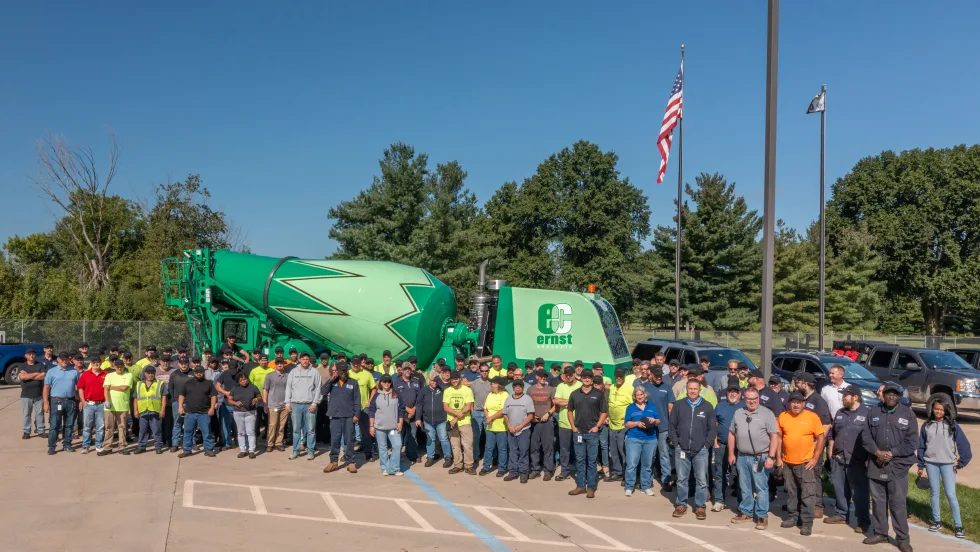
Advance Produces 20,000th Front-Discharge Mixer
Advance celebrated the production of its 20,000th front-discharge mixer, a Commander Series FD4000 mixer. Jack Willard first developed the original Rite-Way Truck in 1964, and then Advance was established in 1972.
Read More →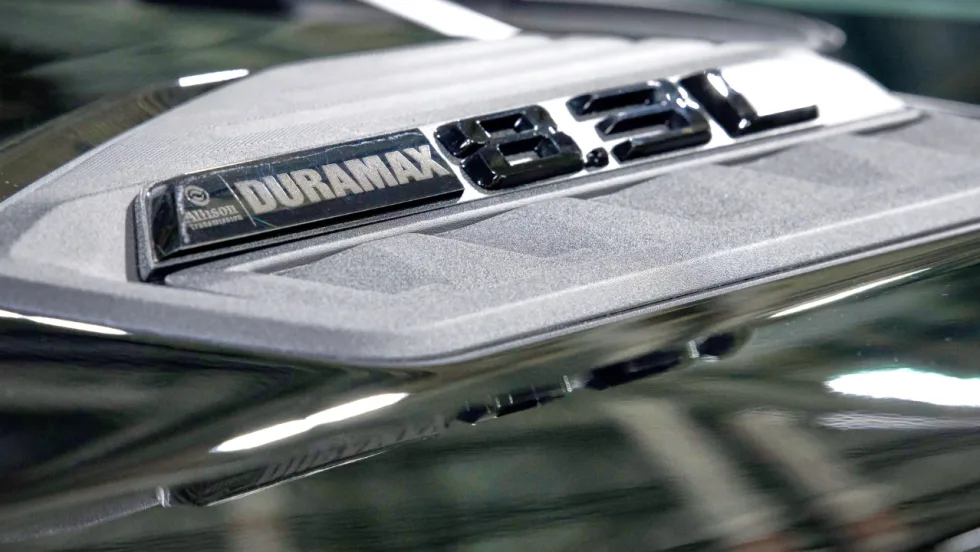
GM Launches Clean Sheet Duramax 8.3L Turbo-Diesel V8 for 2027 HD Pickups
General Motors previewed key updates for its 2027 HD pickup lineup, which will now include a new Duramax 8.3L Turbo-Diesel, electric power steering, and electronic brake boost.
Read More →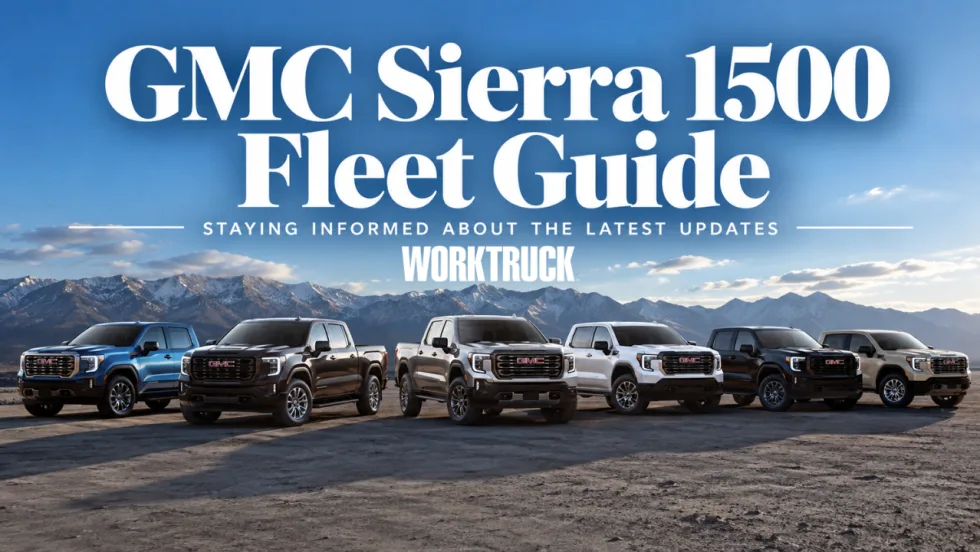
GMC Sierra 1500 Fleet Guide Specs Capability and 2027 Model-Year Updates
The next-generation 2027 GMC Sierra 1500 brings new V-8 engines, more standard safety technology, updated trailering tools, and a work-focused Pro trim. Here’s what fleets need to know.
Read More →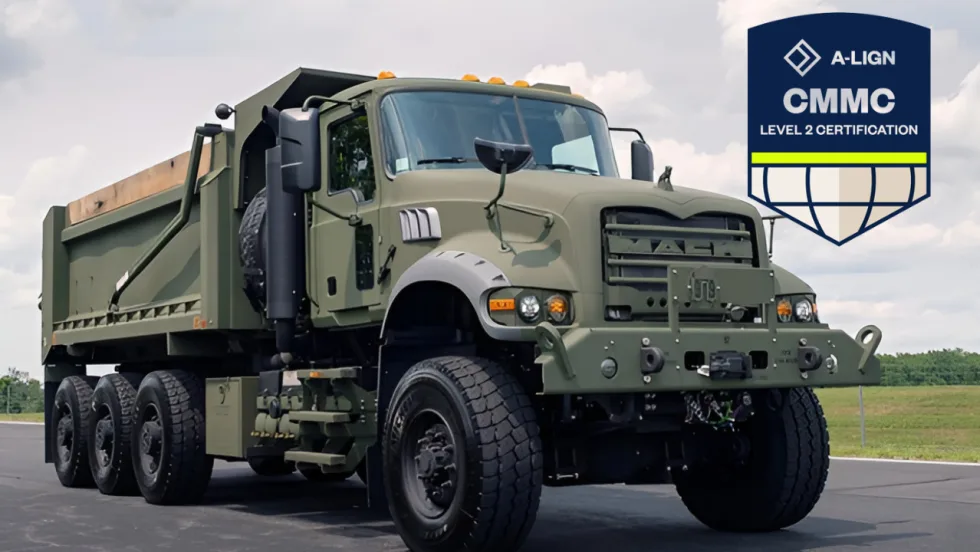
Mack Defense Achieves Cybersecurity Maturity Model Certification Level 2
After an assessment conducted by an authorized Certified Third-Party Assessment Organization (C3PAO), Mack Defense has achieved Cybersecurity Maturity Model Certification (CMMC) Level 2.
Read More →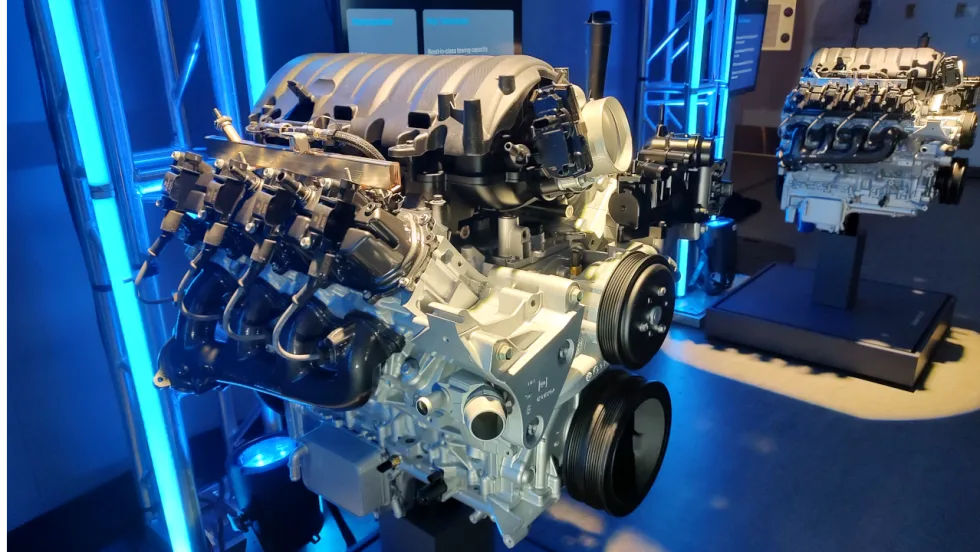
GM Unveils New Sixth-Generation Small Block Engines for 2027 Light-Duty Pickups
General Motors unveiled two new small-block engines, backed by extensive real-world validation and more than 70 years of small-block V8 manufacturing experience, as part of the engine portfolio for the 2027 Chevrolet Silverado 1500 and GMC Sierra 1500.
Read More →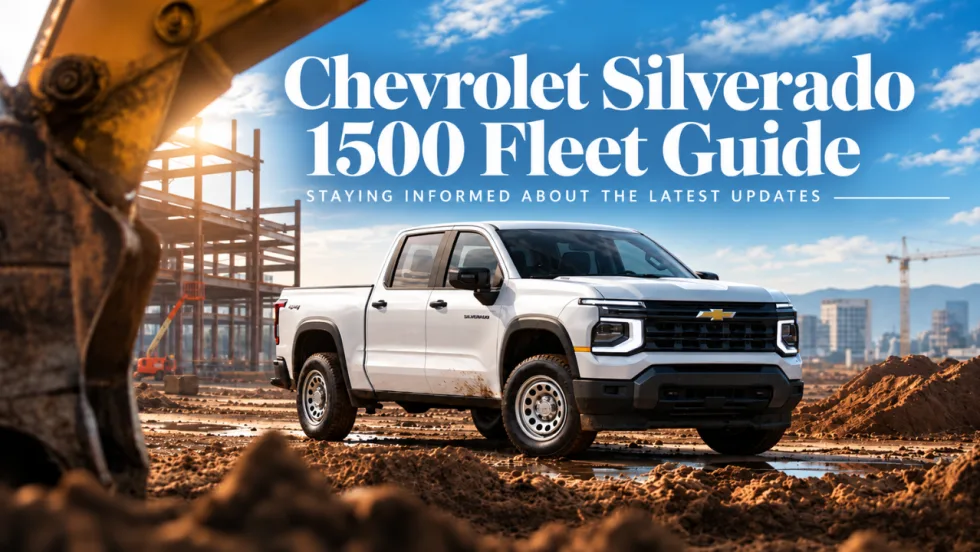
Chevrolet Silverado 1500 Fleet Guide Specs Capability and 2027 Model-Year Updates
The next-generation 2027 Chevrolet Silverado 1500 brings new V-8 engines, updated technology, expanded safety features, and a fleet-focused Work Truck. Here’s what commercial fleets need to know so far.
Read More →