




Related item: EV100 Surpasses 100 Members
Corporate Action On Electric Vehicles Doubled In 2020
Companies have already rolled out 169,000 vehicles, up from 80,000 last year. More than half of companies are using 100% renewable electricity for charging.
by Charged Fleet Staff
February 16, 2021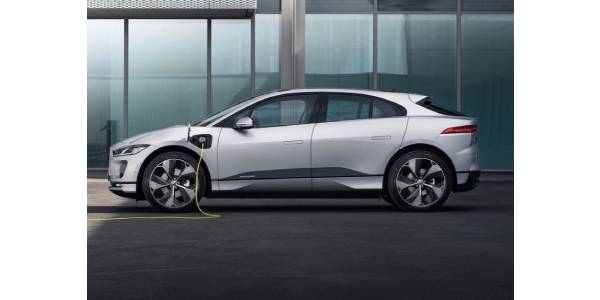
Photo: Blacklane
3 min to read
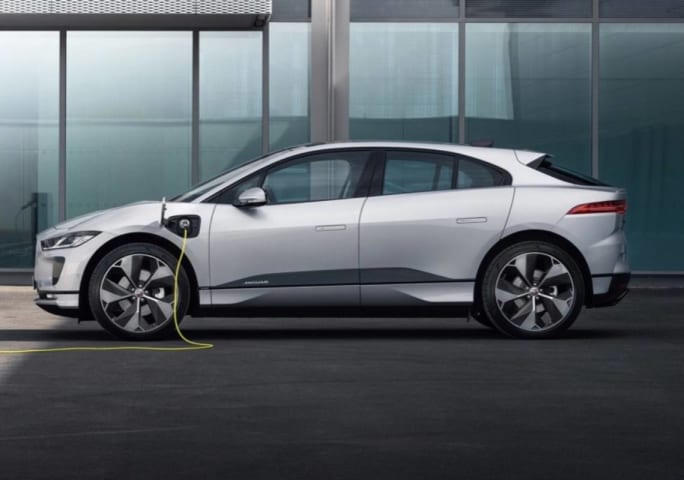
The Jaguar IPACE electric vehicles is an example of the models that appeal to corporations that are electrifying their fleets.
Photo: Blacklane
Major companies have doubled their action on electromobility over the course of a turbulent year, a new report from global non-profit The Climate Group revealed Feb. 16.
In just a year, the number of electric vehicles on the road operated by the large multinationals in the Climate Group’s EV100 initiative has risen to 169,000 vehicles, over twice the number in 2019. The number scheduled to be on the road as part of corporate and leasing company customer fleet commitments by 2030 has risen by 80% to 4.8 million — more than the number of vehicles sold in Germany every year.
The businesses in this initiative are not just changing their fleets. They are using their property portfolios — their offices and stores — to build a network of charging infrastructure that supports their staff and customers alike. There has been a boom in planned charging infrastructure this year: 6,500 locations have been committed to have charging installed, a 103% increase on last year.
There has also been an 84% increase in the number of locations with charging already installed, to nearly 2,100, and the number of individual charge points installed has increased by 79% to nearly 16,900.
These findings come from the Climate Group’s ‘EV100 Progress and Insights Report’ which is based on data from 101 major global businesses such as Siemens, Sky and AstraZeneca, covering 80 markets.
In the U.S. members have deployed over 46,000 vehicles but 69% of companies reported a lack of charging infrastructure as a significant challenge. Despite this, members have installed more charging units in the U.S. than any other country to date. 64% of companies also said that their employees or customers were anxious about the new technology. Lyft made the biggest vehicle related commitment in 2020 by moving to a fully electric platform by 2030; an estimated 2 million vehicles. Other companies leading the way on the transition to electric in the U.S. are Biogen, HP, PG&E, and the Port Authority of New York and New Jersey.
"Corporate uptake of electric vehicles is on a roll,” said Sandra Roling, head of transport at the Climate Group. Despite the uncertainty of 2020, the business community has made remarkable progress in transitioning its fleets. The EV revolution is underway.
“With the UN climate conference COP26 due in Glasgow at the end of the year, 2021 is the year of climate action. We need businesses to lead from the front. Now is the time for every company with a fleet or an employee car scheme to join EV100 and commit to going electric.”
This year, over half of EV100 members say that they have either continued or sped up their progress towards meeting their commitments.
Other key findings:
75 million metric tons CO2e emissions set to be avoided by 2030.
Tackling the climate crisis, reducing air pollution and the reputational benefits. were reported by companies as the main drivers.
Companies cite challenges in procuring electric commercial and heavy-duty vehicles and lack of public charging infrastructure as their biggest obstacles to achieving their commitments.
Originally posted on Charged Fleet
More Small Fleet


Developing Budget-Friendly Driver Safety Programs
From driver training and safety meetings to one-on-one coaching and incentive programs, several small fleets share how they have developed a safety culture with their drivers using low- to no-cost resources.
Read More →
Sponsored•March 9, 2026
Boosting Last-Mile Fleet Uptime, Safety, and Value with AI Vehicle Inspections
AI-powered inspections are transforming last-mile fleets by replacing manual checks with highly accurate automated scans that detect defects in seconds. By giving fleet operations visibility into the daily condition of their vehicles, you can identify trends over the vehicle’s lifecycle that enable improved procurement decisions, route management, driver training and accountability.
Read More →
Five Ways Seat Belts Help Prevent Injuries
There are five ways seat belts protect occupants from injuries, according to the Tennessee Department of Safety and Homeland Security.
Read More →
Sponsored•January 14, 2026
It’s here: The 2026 Fleet Technology Trends Report
What does AI mean for fleets? Get the answer — and learn other top tech trends.
Read More →
Small Fleets, Big Impact: How Independent Drivers Power Wreaths Across America
Check out how small fleets and independent drivers power Wreaths Across America each December and why their impact matters more than ever.
Read More →
VMS Survey Finds 65% of Small Fleet Managers Run Operations Alone
A new VMS survey shows small fleet managers are stretched thin, with most handling operations solo and eager to adopt digital tools for relief.
Read More →
Tips for Driving Safely on Halloween Night
This video features a reminder from the Connecticut Department of Transportation (DOT) and the Connecticut Police Chiefs Association, urging drivers to prioritize safety this Halloween.
Read More →
AI, Access, and Uptime: VMS’s Next Chapter with David Prusinski
VMS’s new Co-CEO, David Prusinski, shares how an AI-first approach will give small fleets and repair shops the tools to compete like big players.
Read More →
Fleet Managers Share Winter Prep Tips: It's Never Too Early!
Three fleets share best practices to prep vehicles for winter and prevent downtime when the cold sets in.
Read More →