




Continental Increases Production of Retreads
Continental's pre-cured tread plant in Mt. Vernon, Ill., adds a second production shift, and is expected to reach a 300% increase in production compared with 2018.

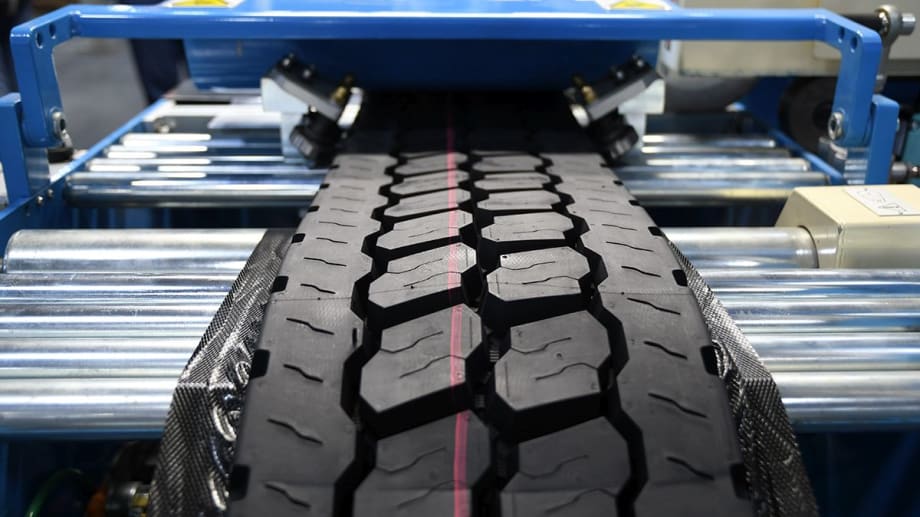
Many tread patterns are identical to Continental’s new tires, giving customers a “looks like new, runs like new” advantage.
Photo courtesy of Continental
Continental continues to increase production at the pre-cured tread manufacturing plant it added to its Mount Vernon, Ill., campus in February 2018. The plant is prepared for an expected 300% increase in production this year, thanks to its high-tech manufacturing process and retread sales growth.
In March, the company hired a second shift of production employees to support the additional volume demands.
“Continental saw a double-digit percent increase in demand for our retreads in North America last year,” said Tom Fanning, vice president of sales and marketing for commercial vehicle tires. “We expect that growth to continue as the quality of ContiTread becomes better known in the market and as we continue to add new partners to our ContiLifeCycle retreader network.”
ContiTread pre-cured tread rubber is only available to ContiLifeCycle retread partners of Continental. Many tread patterns are identical to Continental’s new tires.
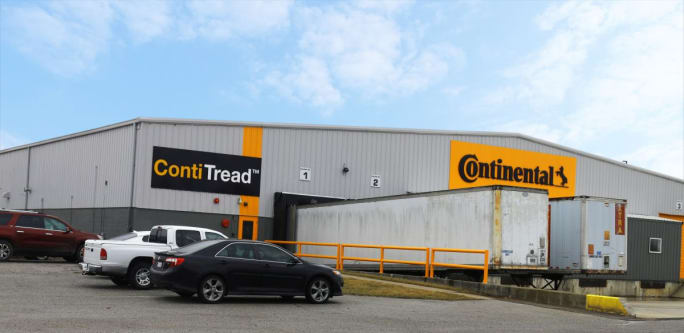
The pre-cured tread plant is realizing efficiencies thanks to its sophisticated manufacturing equipment, as well as its location on Continental’s Mount Vernon campus, home to one of the largest rubber mixing operations in North America.
Photo courtesy of Continental
The pre-cure tread plant gains efficiencies thanks not only to its sophisticated manufacturing equipment, but also to its location on Continental’s Mount Vernon campus, home to one of the largest rubber-mixing operations in North America.
“Our changeover process to move from producing one retread pattern to producing a different one is completely driven by programming,” explained John Barnes, head of ContiLifeCycle retreading for the Americas. “Where other plants, from other manufacturers, may have to go through a manual process, we’re able to create an automatic one, driven by digital expertise. This shortens our changeover time significantly. It also requires a different skillset in the operators.”
More Maintenance & Uptime
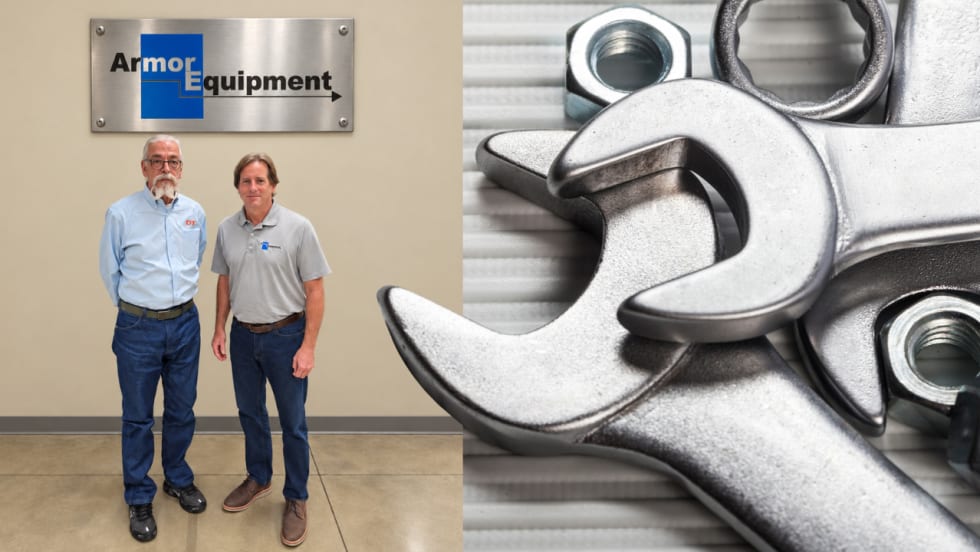
Armor Equipment Strengthens Minnesota Service Capabilities with Acquisition of Dakota Truck
Armor Equipment has acquired Dakota Truck, a medium- and heavy-duty truck and trailer repair business based in Lakeville, Minnesota. The acquisition adds truck and trailer repair expertise, building on Armor’s expansion into the Upper Midwest.
Read More →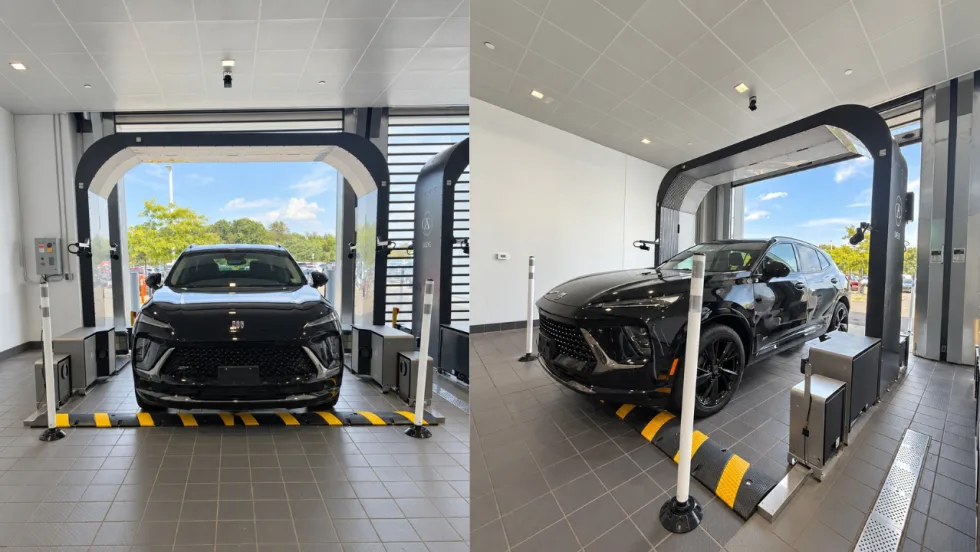
LaFontaine Partners With UVeye to Expand AI Vehicle Inspections in Michigan
LaFontaine is expanding UVeye AI vehicle inspections across Michigan, while UVeye tells Work Truck how the technology can support fleet maintenance and heavy-duty vehicle inspections.
Read More →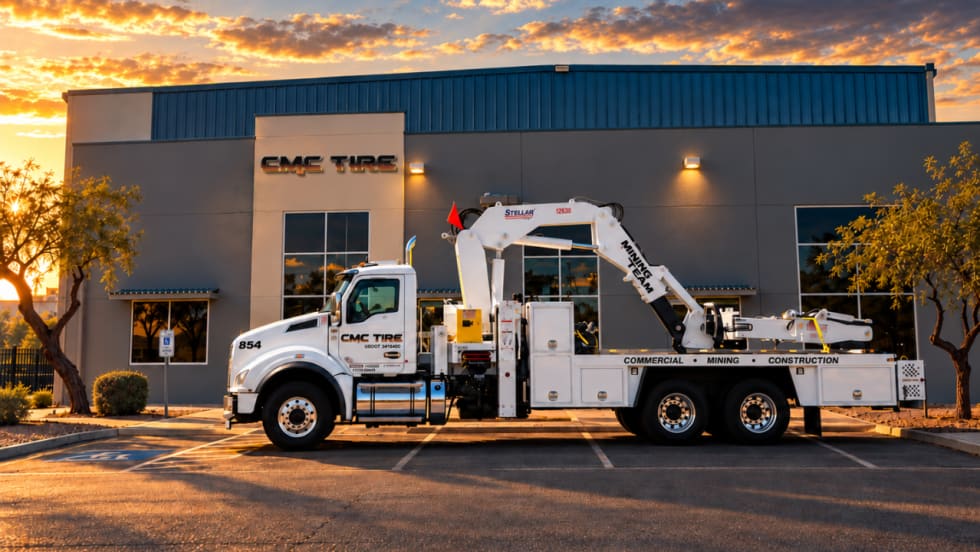
Les Schwab Expands Commercial Tire Footprint Into Arizona
Les Schwab Tires has expanded into Arizona with two commercial tire locations in Phoenix and Tucson, strengthening its fleet service footprint in the Southwest.
Read More →From Our Partners



Volvo Trucks’ 'Lock and Leave' Software Updates Go Live Across North America
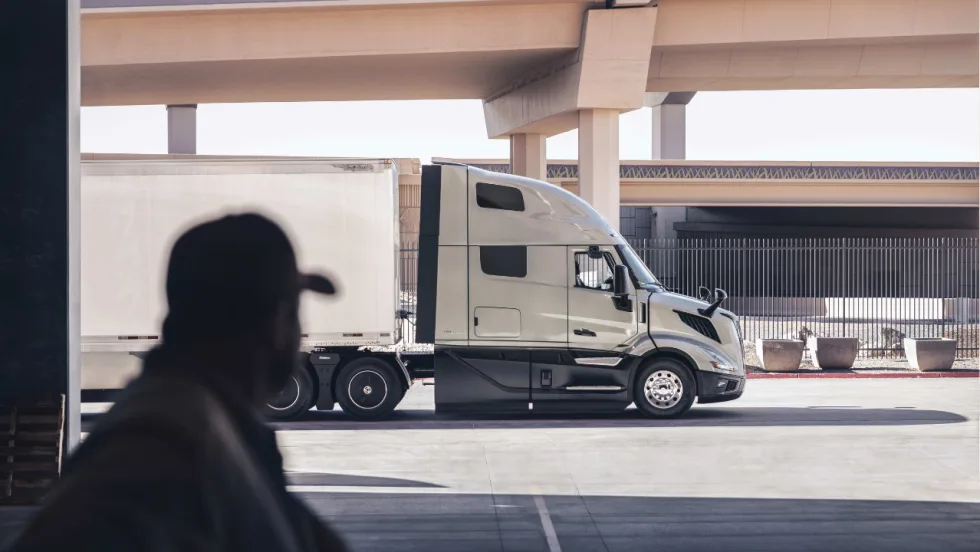
Unattended over-the-air software updates are now available in Volvo trucks across the U.S. and Canada. The new capability lets trucks stay current with the latest software without interrupting operations or requiring a dealership visit.
Read More →
Why Technician Appreciation Can’t Be a Once-a-Year Thought
For fleets trying to keep skilled technicians, recognition cannot begin and end with Technician Appreciation Week. Learn what year-round appreciation really looks like and why the everyday technician experience matters just as much as pay when fleets are trying to keep good people.
Read More →
How Faster Driver Reporting Can Keep Small Truck Problems Small
When minor damage, warning lights, or equipment issues are reported late, small problems can quickly become bigger maintenance headaches. Conversational AI can help shorten the path from what a driver notices in the field to the person who can act on it.
Read More →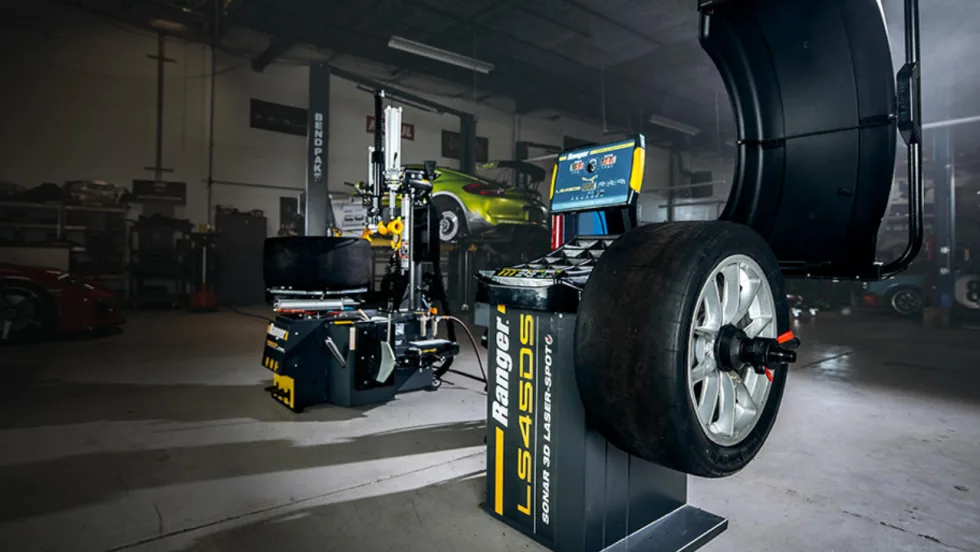
BendPak’s Ranger Wheel Service Equipment Achieves North American Safety Certification
BendPak’s full line of Ranger tire changers and wheel balancers has been ETL certified to UL and CSA standards to improve operator safety.
Read More →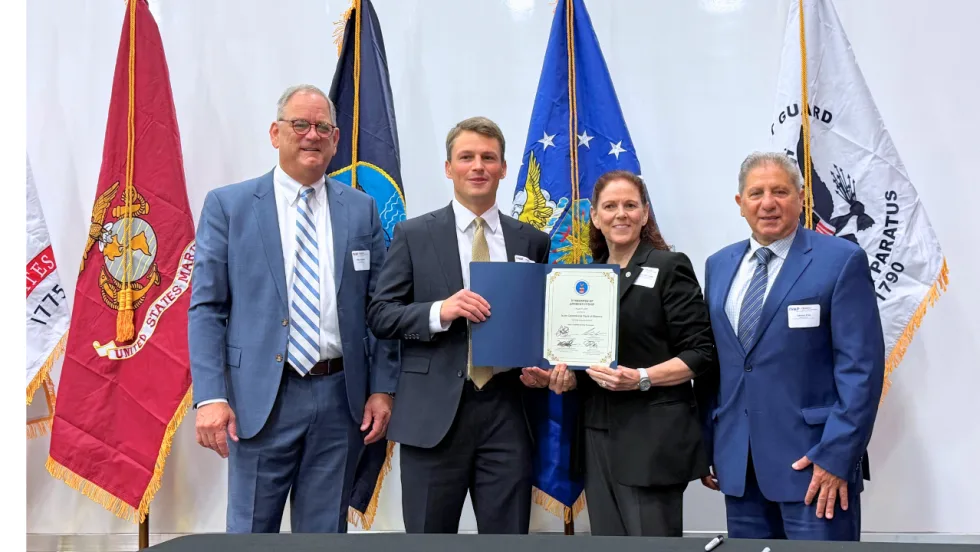
Isuzu & U.S. Department of Labor Celebrate Milestone for Veterans Apprenticeship Program
The Isuzu Veterans Apprenticeship Program (IVAP) signing ceremony highlighted Isuzu’s long-term commitment to veterans, Isuzu dealers, and the skilled workforce supporting its customers and the commercial transportation industry.
Read More →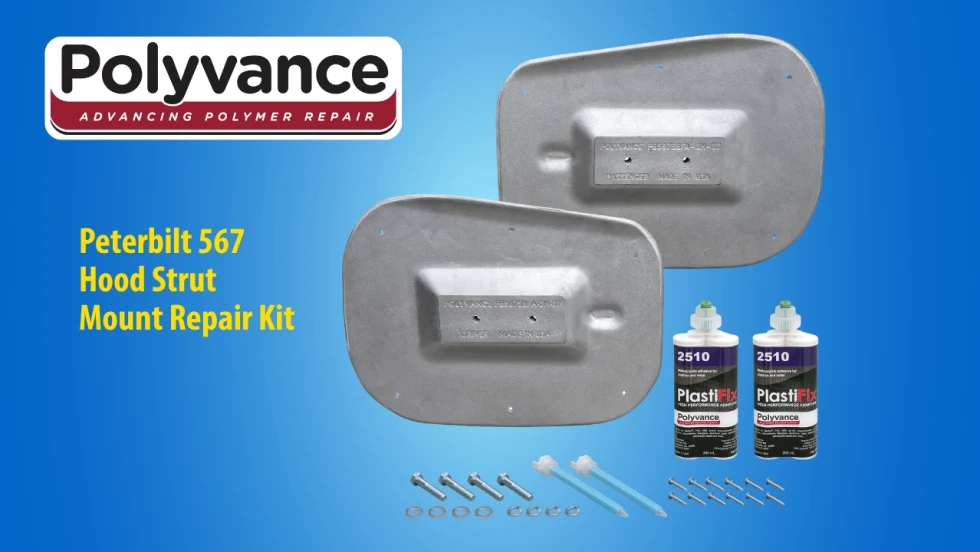
Polyvance Introduces New Peterbilt 567 Hood Strut Mount Repair Kit
Polyvance has launched a repair solution for Peterbilt 567 hood struts, helping truck owners and repair facilities avoid costly hood replacements.
Read More →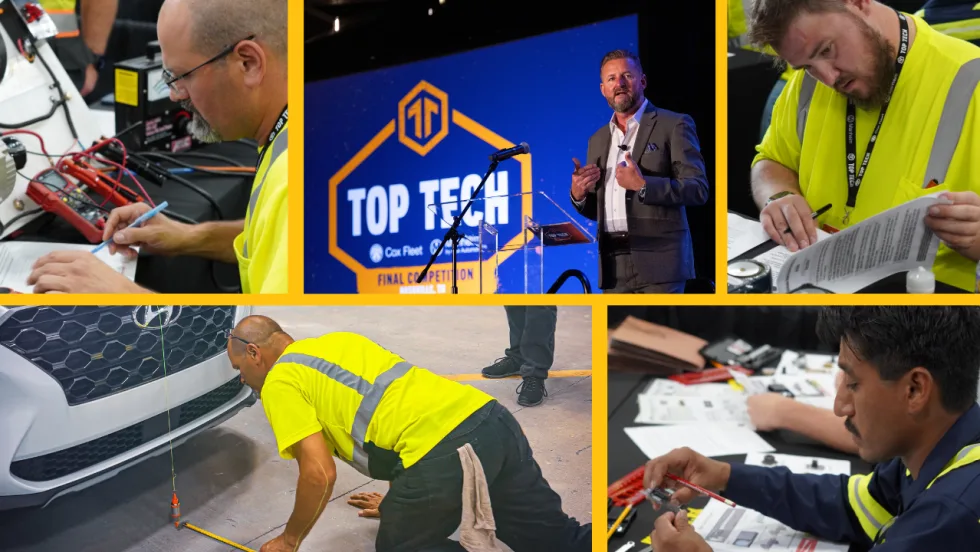
Cox Automotive Celebrates Technical Excellence at 2026 Top Tech Finals
The top technicians from Cox Fleet and Manheim tested their skills in Nashville, Tennessee, at Cox Automotive’s 2026 Top Tech Finals. The overall winners will advance to compete at the American Trucking Association’s TMC SuperTech competition.
Read More →