




Consumer Reports: Good/Bad Bets to Make 200,000 Miles
All the cars in the magazine's "Good bets" list are manufactured by Honda and Toyota. The "Bad bets" are a mixture of European models and two Nissans.

Proper maintenance is key to helping a vehicle reach 200,000 miles, according to Consumer Reports. The magazine recommends the following steps to extend a vehicle’s life:
- Follow the maintenance schedule. Refer to your owner’s manual and make needed repairs promptly.
- Use the recommended fluids. Choose the oil, transmission fluid, and other fluids specified by the manufacturer.
- Check under the hood regularly. Listen for unusual sounds, check for odd smells, and inspect hoses and belts for fraying, cracks, or bulges. A vehicle service manual, available at many auto parts stores or dealerships, can also be helpful.
- Keep the vehicle clean inside and out. Regular cleaning can help prevent premature rust, while vacuuming removes sand and grit that can wear down carpeting.
- Choose a safe, reliable vehicle. Buying a vehicle with up-to-date safety equipment can help you feel more comfortable keeping it for the long haul.
At the time of the report, Consumer Reports also identified vehicles it considered more or less likely to reach 200,000 miles based on its data. All models on its “Good Bets” list came from Honda or Toyota, including Toyota’s Lexus brand. The “Bad Bets” list included several European models and vehicles from Nissan and its Infiniti brand.
Good Bets
- Honda Civic
- Honda CR-V
- Honda Element
- Lexus ES
- Lexus LS
- Toyota 4Runner
- Toyota Highlander
- Toyota Land Cruiser
- Toyota Prius
- Toyota RAV4
Bad Bets
- BMW 7 Series
- Infiniti QX56
- Jaguar X-Type
- V8-powered Mercedes-Benz M-Class
- Mercedes-Benz SL
- Nissan Armada
- Nissan Titan
- Volkswagen Touareg
- V6-powered Volvo XC90
More Small Fleet

Tips for Driving Safely on Halloween Night
This video features a reminder from the Connecticut Department of Transportation (DOT) and the Connecticut Police Chiefs Association, urging drivers to prioritize safety this Halloween.
Read More →
Simple Tire Checks That Help Keep Your Business Fleet Moving
A survey found that nearly one in every 10 passenger vehicles has at least one bald tire. What's more, 27% -- more than one in four -- of vehicles are driven with one or more severely under-inflated tires.
Read More →

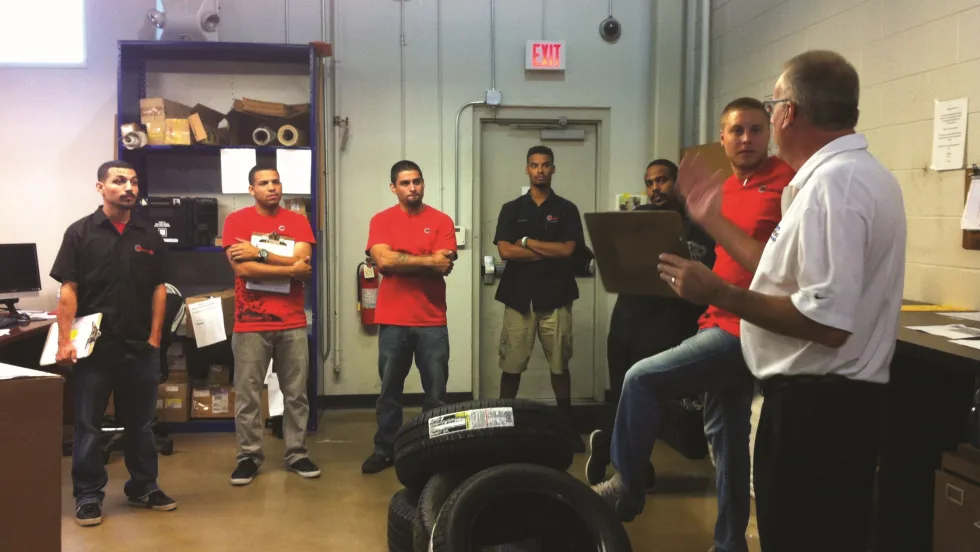
Developing Budget-Friendly Driver Safety Programs
From driver training and safety meetings to one-on-one coaching and incentive programs, several small fleets share how they have developed a safety culture with their drivers using low- to no-cost resources.
Read More →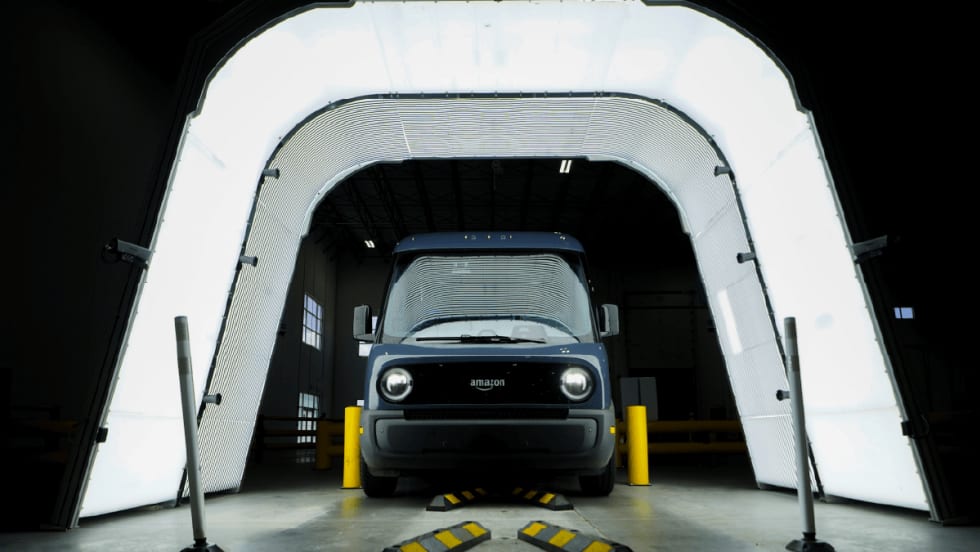
Boosting Last-Mile Fleet Uptime, Safety, and Value with AI Vehicle Inspections
AI-powered inspections are transforming last-mile fleets by replacing manual checks with highly accurate automated scans that detect defects in seconds. By giving fleet operations visibility into the daily condition of their vehicles, you can identify trends over the vehicle’s lifecycle that enable improved procurement decisions, route management, driver training and accountability.
Read More →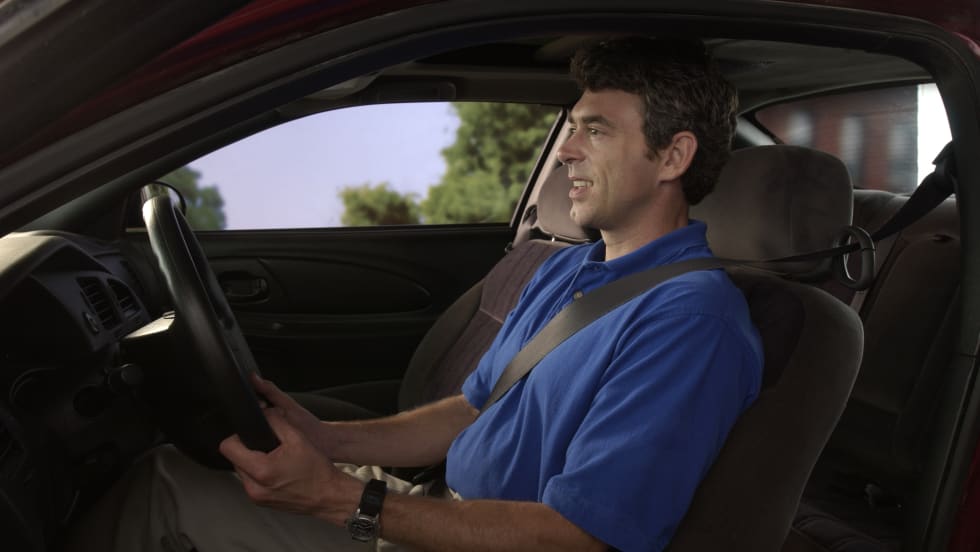
Five Ways Seat Belts Help Prevent Injuries
There are five ways seat belts protect occupants from injuries, according to the Tennessee Department of Safety and Homeland Security.
Read More →
Basic Tracking vs Next Generation Fleet Technology
Fleet software is getting more sophisticated and effective than ever, tying big data models together to transform maintenance, safety, and the value of your existing tech stack. Fleet technology upgrades are undoubtedly an investment, but updated technology can offer a much higher return. Read how upgrading your fleet technology can increase the return on your investment.
Read More →
It’s here: The 2026 Fleet Technology Trends Report
What does AI mean for fleets? Get the answer — and learn other top tech trends.
Read More →
Small Fleets, Big Impact: How Independent Drivers Power Wreaths Across America
Check out how small fleets and independent drivers power Wreaths Across America each December and why their impact matters more than ever.
Read More →
VMS Survey Finds 65% of Small Fleet Managers Run Operations Alone
A new VMS survey shows small fleet managers are stretched thin, with most handling operations solo and eager to adopt digital tools for relief.
Read More →