



What weight ranges are Class 6 and 7 trucks?
Class 6 trucks typically have a weight rating between 19,501 and 26,000 pounds, while Class 7 trucks have a weight rating between 26,001 and 33,000 pounds.
 MENU
MENU SEARCH
College HUNKS Hauling Junk joins the electric movement with its first electric box truck from Xos, the Xos MDXT.
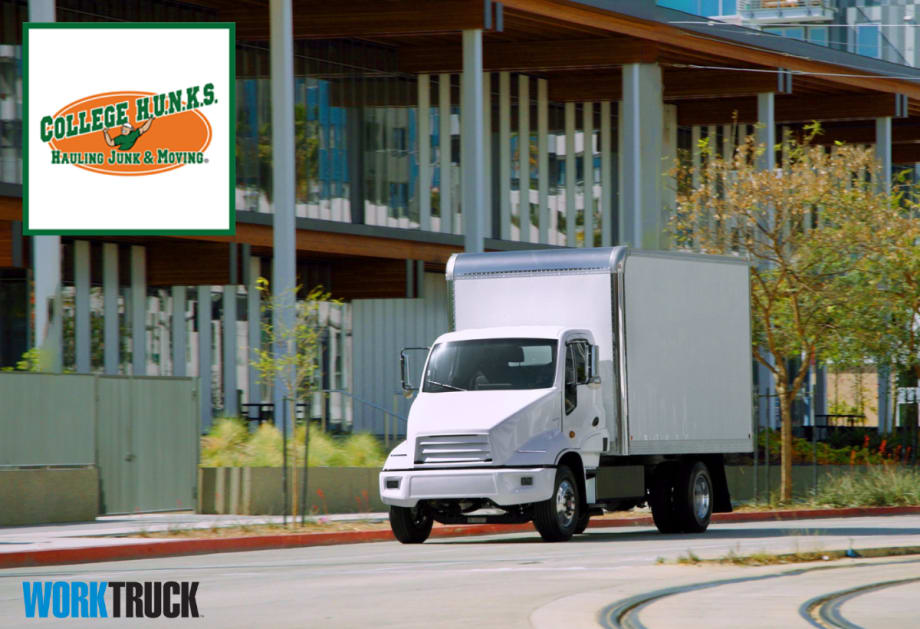
College HUNKS partnered with Xos to pilot the MDXT box truck.
Photo: Xos, College HUNKS/Work Truck
College HUNKS Hauling Junk and Moving is moving toward a green future with Xos.
The company purchased its first 100% battery-electric truck which will be used at a College HUNKS location in New Jersey before rolling out to the rest of the system. College HUNKS states it is the first electric moving truck in the U.S.
"By going electric, we're able to hold true to several of our core values and beliefs from building leaders to being innovative to staying conscious of our environmental impact," Nick Friedman said, Co-Founder and Visionary of College HUNKS.
"Throughout our organization, we emphasize the core value of building leaders, and this includes being leaders within our industry. By exploring electric vehicles, we can continue to demonstrate our commitment to leadership and stay ahead of the pack while also leaning into innovation. We are thrilled to take these steps that can further benefit our teams, customers, and the communities that we serve," Friedman added.
College HUNKS will be piloting the Xos MDXT box truck — a brand-new release available as a Class 6 or Class 7 vehicle.
Xos is a Los Angeles-based technology company electric truck manufacturer, and fleet services provider with a mission to help fleets transition from internal combustion engines to battery-electric operations.
Xos designs and manufactures medium- and heavy-duty electric vehicles including step vans, box trucks, and vocational vehicles, in addition to providing charging infrastructure and a fleet management platform called Xosphere.

New one-day registration gives fleet professionals the flexibility to attend Tuesday, Wednesday, or Thursday, with passes available for $199 through Sept. 18.
Read More →
CALSTART has rebranded as Catalyst Mobility and will combine with Forth at the start of 2027. The new organization said it is poised to become one of the world's largest, strongest, and most impactful clean transportation nonprofits.
Read More →
Together, the Port Authority of New York and New Jersey and CALSTART will electrify drayage and terminal operations serving the East Coast’s busiest container port. A pair of incentive programs totaling $45 million has launched to accelerate adoption of zero-emission drayage trucks and terminal tractors.
Read More →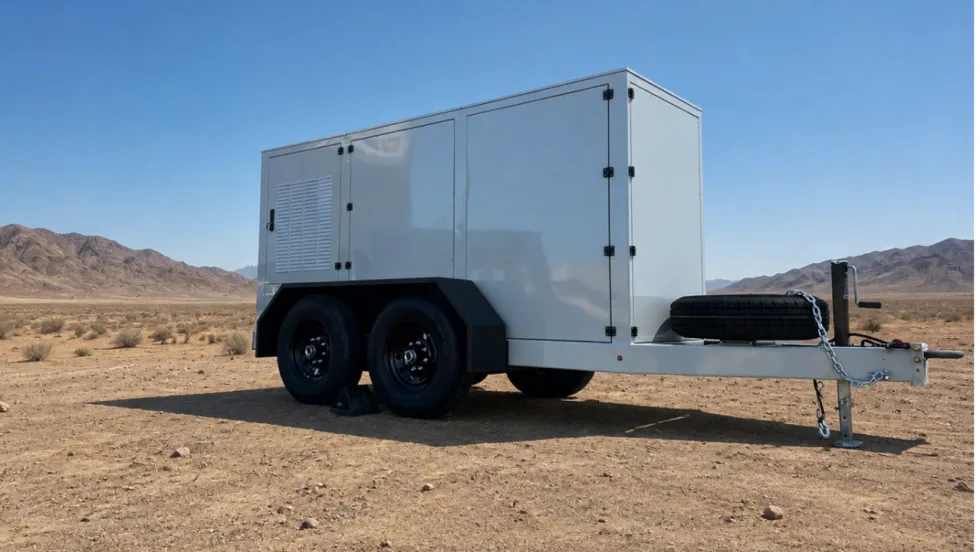
A single Xos Hub has surpassed one gigawatt-hour of energy across more than 33,600 charging sessions in the field, demonstrating performance that supports Xos' expansion across new products and markets.
Read More →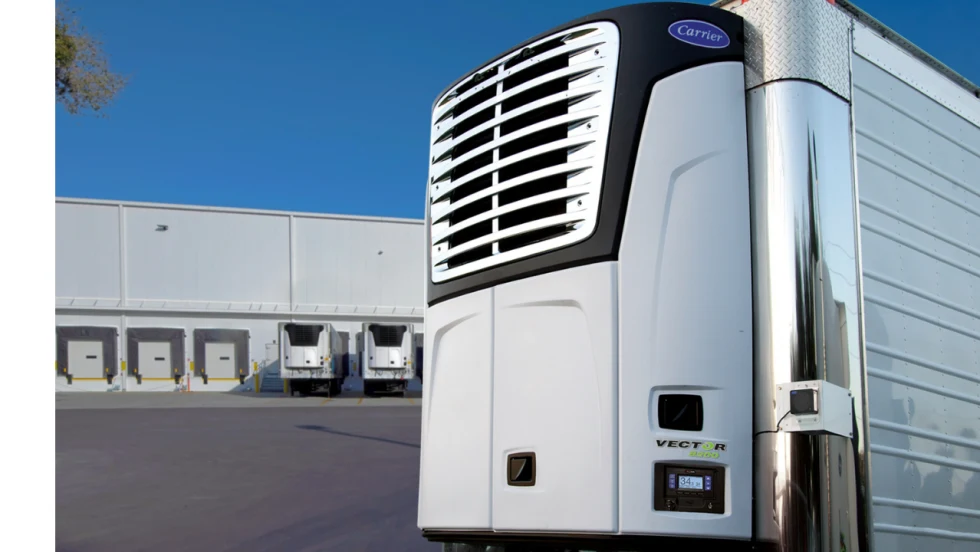
Carrier Transicold’s first engineless multi-temperature TRU helps fresh- and frozen-food fleets add supplemental cold storage capacity during seasonal peaks.
Read More →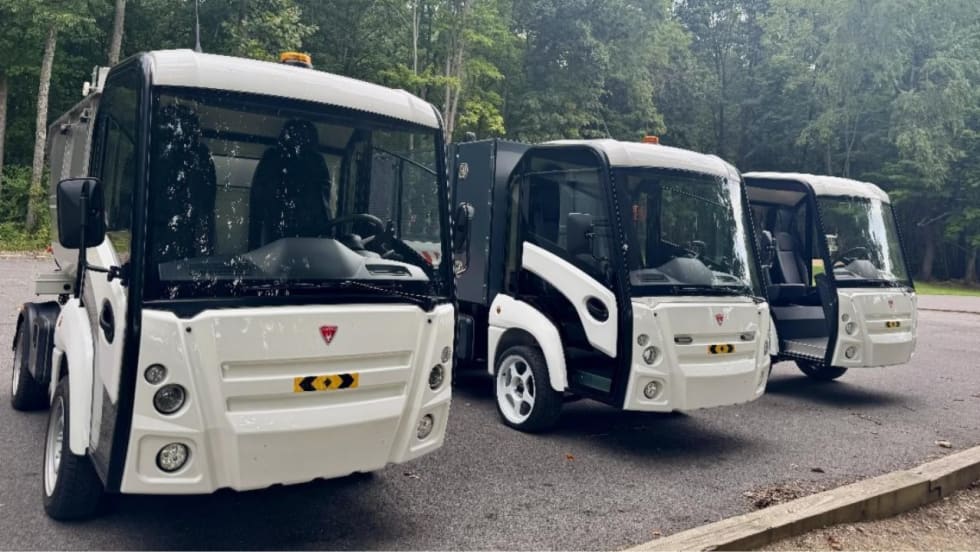
Narro Trucks officially launched its operations on Aug. 20 and hosted a ride and drive to showcase its electric truck, which will be produced in Virginia.
Read More →
Samsung SDI is taking full control of its Indiana battery plant with GM, marking a major shift from the EV-focused joint venture Charged Fleet first covered in 2023.
Read More →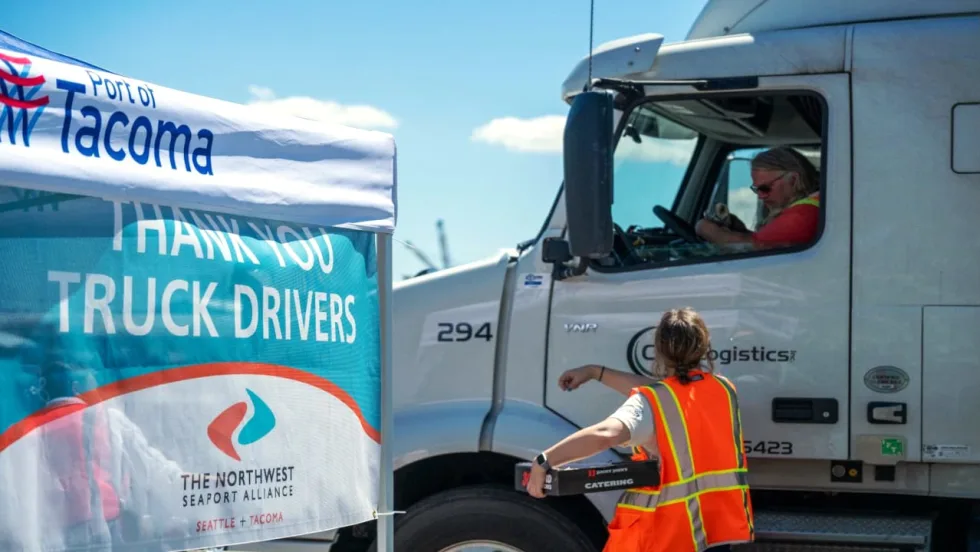
CALSTART will provide free technical assistance services to drayage fleets serving the Ports of Seattle and Tacoma and looking to transition to cleaner technologies and help decarbonize freight hubs.
Read More →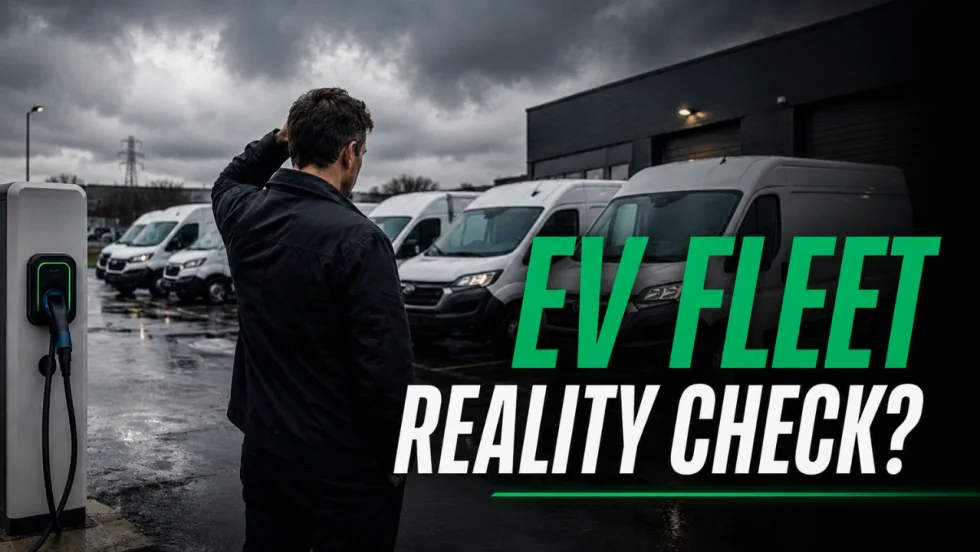
Electric work truck upfits bring new compatibility questions. Learn how parts availability, OEM guidance, power demands, and route planning can affect fleet performance.
Read More →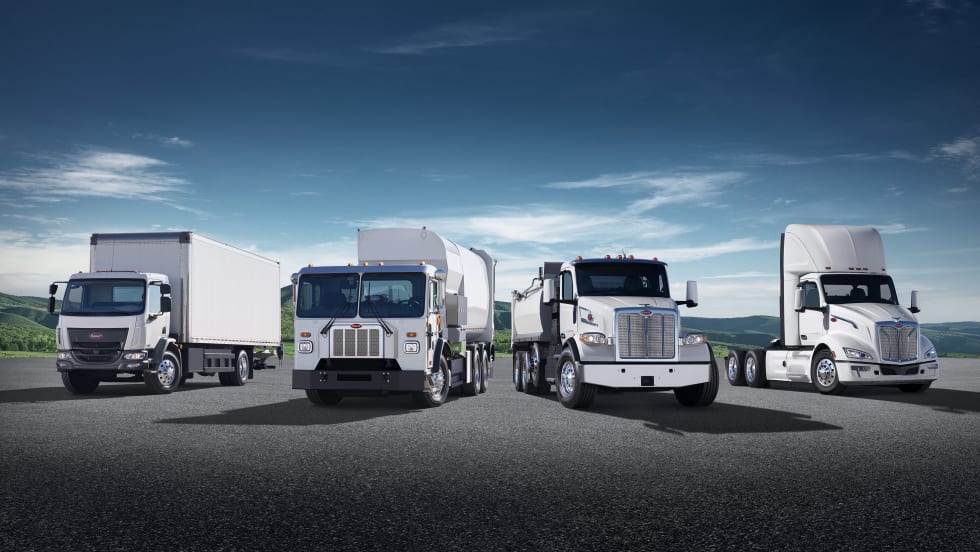
Peterbilt Motors Company’s cooperative purchasing agreement with Sourcewell and its Canadian partner, Canoe Procurement Group, now includes including Peterbilt's battery-electric vehicle lineup.
Read More →