




Coca-Cola Bottling Co. Reinforces Environmental Commitment
MONTRÉAL, QC - Coca-Cola Bottling Company is expanding its fleet of hybrid-electric delivery trucks across Canada as part of its ongoing commitment to Corporate Responsibility & Sustainability (CRS).
MONTRÉAL, QC - Coca-Cola Bottling Company is expanding its fleet of hybrid-electric delivery trucks across Canada as part of its ongoing commitment to Corporate Responsibility & Sustainability (CRS). The company is adding 15 hybrid single-axle tractors to its existing hybrid fleet of 20 side-bay trucks and 2 straight trucks in Canada. Of these 15, five have been deployed in Montreal.
The largest hybrid vehicles in North America, these trucks use about 30-percent less fuel and produce about 30-percent fewer emissions than standard tractors. These first-of-their-kind vehicles are servicing markets in Vancouver, London, Toronto, Ottawa, and Montreal.
Coca-Cola Enterprises (CCE) has deployed a total of 327 hybrid delivery vehicles across North America. These vehicles were manufactured in Sainte-Therese, QC. The investment in hybrid technology is a critical component of CCE's commitment to reduce its overall carbon footprint by 15 percent by the year 2020.
"We are proud to expand Canada's largest fleet of heavy-duty hybrid diesel-electric delivery vehicles," said Alain Robichaud, Vice President, Supply Chain Customer Service. "This is one of several ways we are investing to reduce energy consumption across our business."
The technology in these hybrid vehicles will also support Coca-Cola's sustainability efforts around the Olympic Torch Relay.
More Green Fleet
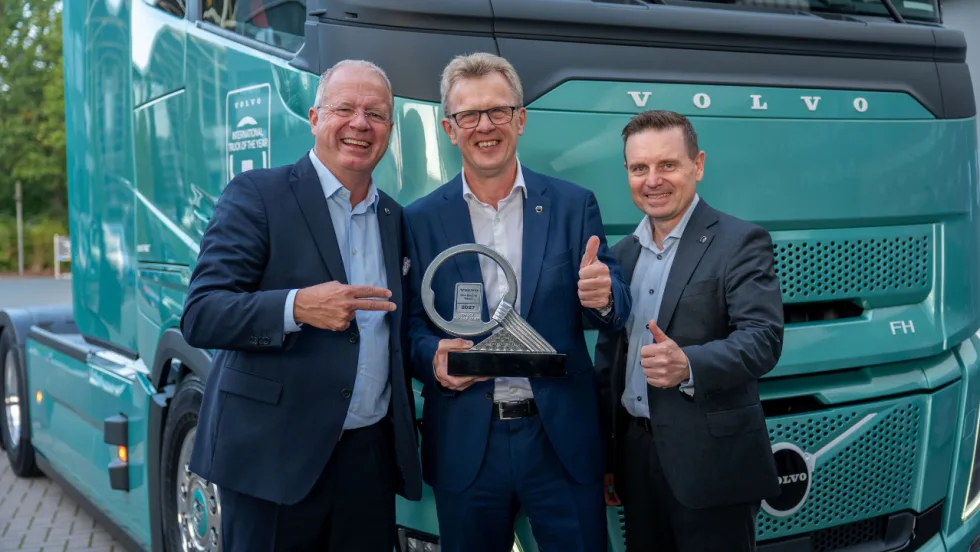
Volvo Trucks Wins International Truck of the Year 2027 for its Global Electric Range
Volvo Trucks' global heavy-duty electric range has been named International Truck of the Year 2027. Since 2019, more than 7,000 electric Volvo trucks have driven more than 310 million miles worldwide.
Read More →
Fleet Forward Conference Introduces One-Day Passes for 2026
New one-day registration gives fleet professionals the flexibility to attend Tuesday, Wednesday, or Thursday, with passes available for $199 through Sept. 18.
Read More →
CALSTART Rebrands as Catalyst Mobility, Will Combine with Forth in 2027
CALSTART has rebranded as Catalyst Mobility and will combine with Forth at the start of 2027. The new organization said it is poised to become one of the world's largest, strongest, and most impactful clean transportation nonprofits.
Read More →
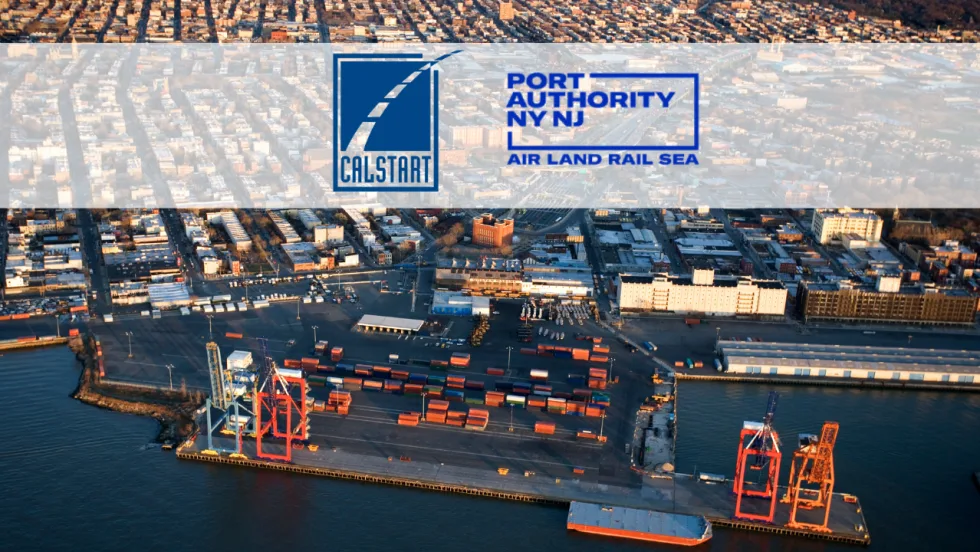
Electric Truck and Charging Programs to Boost Sustainability at NY & NJ Ports
Together, the Port Authority of New York and New Jersey and CALSTART will electrify drayage and terminal operations serving the East Coast’s busiest container port. A pair of incentive programs totaling $45 million has launched to accelerate adoption of zero-emission drayage trucks and terminal tractors.
Read More →
The Smart Way to Build a Mixed-Energy Fleet Isn’t About Picking a Side
Mixed-energy fleets aren’t about picking a winning fuel. Sarah Booth of WEX explains how vehicle data, duty cycles, charging strategy, and real-world costs can help fleets choose the right energy source for each job.
Read More →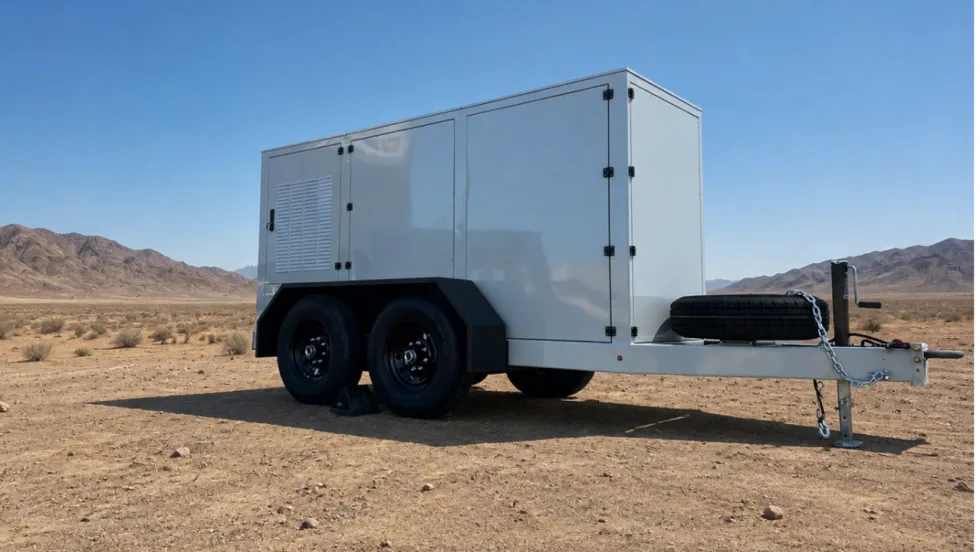
Xos Hub Surpasses One Gigawatt-Hour of Energy Delivered in the Field
A single Xos Hub has surpassed one gigawatt-hour of energy across more than 33,600 charging sessions in the field, demonstrating performance that supports Xos' expansion across new products and markets.
Read More →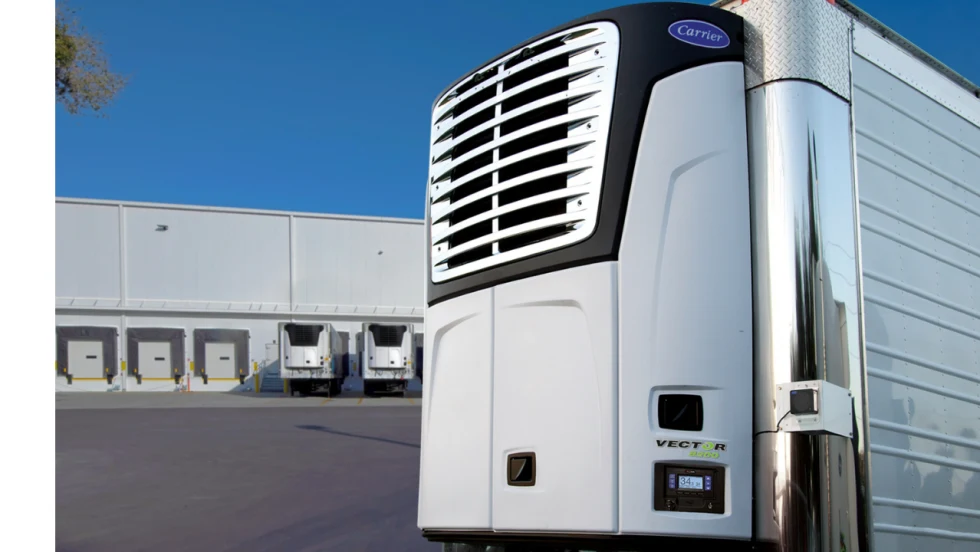
Carrier Transicold Launches All-Electric Vector 8200 TRU for Diesel-Free On-Site Cold Storage
Carrier Transicold’s first engineless multi-temperature TRU helps fresh- and frozen-food fleets add supplemental cold storage capacity during seasonal peaks.
Read More →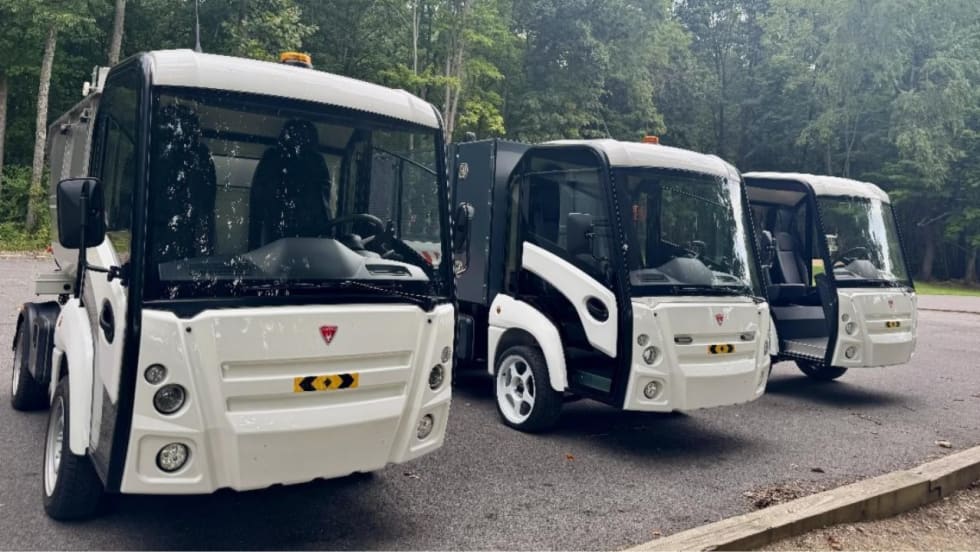
Narro Trucks Introduces Electric Utility Vehicle
Narro Trucks officially launched its operations on Aug. 20 and hosted a ride and drive to showcase its electric truck, which will be produced in Virginia.
Read More →
Samsung SDI Takes Full Control of GM Battery JV as Indiana Plant Pivots to Energy Storage
Samsung SDI is taking full control of its Indiana battery plant with GM, marking a major shift from the EV-focused joint venture Charged Fleet first covered in 2023.
Read More →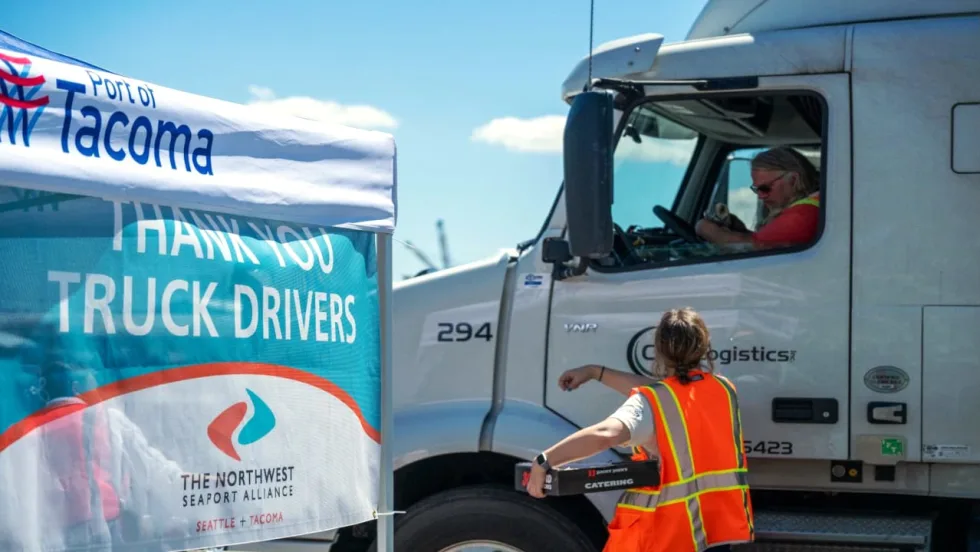
NWSA Taps CALSTART to Administer Zero-Emission Drayage Assistance Program
CALSTART will provide free technical assistance services to drayage fleets serving the Ports of Seattle and Tacoma and looking to transition to cleaner technologies and help decarbonize freight hubs.
Read More →