




Cleaning up the Environment is No. 1 Priority for a 'Clean Truck Coalition' of 10 Southern California Carriers
LOS ANGELES COUNTY - A group of local, family owned trucking companies have united under the Clean Truck Coalition (CTC) name and are making it their mission to help clean the air in Southern California by investing in hundreds of the cleanest trucks serving the San Pedro Bay ports.
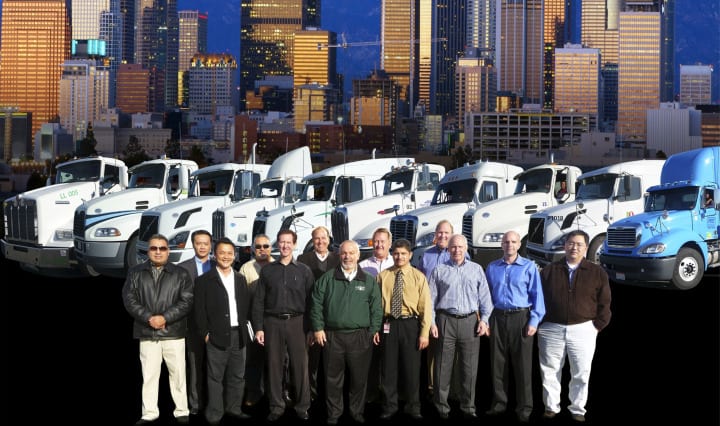
A group of local, family owned trucking companies have united under the Clean Truck Coalition (CTC) name and are making it their mission to help clean the air in Southern California by investing in hundreds of the cleanest trucks serving the San Pedro Bay ports.
LOS ANGELES COUNTY - A group of local, family owned trucking companies have united under the Clean Truck Coalition (CTC) name and are making it their mission to help clean the air in Southern California by investing in hundreds of the cleanest trucks serving the San Pedro Bay ports.
CTC members have been hit with almost insurmountable challenges at just about every turn over the past several months, including an increasingly difficult financing climate, the downturn in containerized cargo business due to the weak economy, and delays in starting the collection of the Clean Truck Fees. The 10 local companies have serviced the Los Angeles and Long Beach ports for an average of 27 years and contribute approximately 2,000 jobs to the regional economy. The CTC companies are replacing older trucks with brand-new, state-of-the-art 2007 USEPA-compliant trucks that haul containerized cargo throughout the Los Angeles basin.
In October 2008, the group purchased nearly 500 "new" liquefied natural gas (LNG) and diesel trucks that meet the emissions criteria that CARB established and the ports adopted as part of a five-year initiative to reduce port truck pollution by roughly 80 percent. The "mom & pop" companies secured financing on the $62 million dollars worth of trucks, despite dealing with one of the worst financial factors in some 30 years. Owners of each company have had to personally guarantee bank loans in order to make their "clean fleet" investments.
"Fortunately, the Port of Los Angeles offered a $20,000 Incentive Rebate for new trucks purchased and placed into service at the ports by January 15, 2009," says Mike Fox owner of Fox Transportation, a member of the Clean Truck Coalition. "Without The Port of Los Angeles Incentive, it would have been cost-prohibitive to purchase these hundreds of new trucks in this difficult economic climate."
Another member, Brian Griley, owner of Southern Counties Express says: "We have made a major commitment to the ports' Clean Truck Program with the purchase of over 100 LNG and 2007-compliant diesel trucks at a cost of $12 million. To make this investment fully pencil out, we anxiously wait for the Clean Truck Fees to start February 18th."
Like other CTC members, Mr. Griley's green fleet of trucks will be exempt from the Clean Truck Fee because they meet the ports' Clean Truck Program standard.
"The Clean Truck Fees have been delayed by challenges from the Federal Maritime Commission (FMC); but we really need the fees to start this week so we can recoup our investment by serving cargo owners who demand the cleanest available trucks to haul their containers," said CTC member Gary Mooney, owner of Green Fleet Systems.
"All companies who purchased new trucks to support the Clean Truck Program at our local ports are hurting because of the delay in the collection of the fees," says Kevin Dukesherer, of Progressive Transportation.
"Most of my trucks are new LNG and clean-diesel trucks. I made a huge financial commitment, and I could not have done it without the $20,000 per-truck incentive offered by the Port of Los Angeles," says TTSI owner, Vic LaRosa.
"There are about 13,500 trucks that serve our local ports on a full-time basis, but only about 19 percent are new trucks that have been put into service. Our group represents roughly 18 percent of that new fleet segment; but without collection of the Clean Truck Fee, cleaning up our environment will not have long-term viability," says Le Phan, owner of Pacific 9 Transportation.
"If the Clean Truck Fees do not start this week, we will not be able to make future fleet investments and this will impede overall Clean Truck Program objectives," says Joseph Wang, CFO of Overseas Freight.
Steve Straub of Price Transfer says: "We have been in business 74 years. We have seen the local ports grow from humble beginnings to major cargo gateways. We are thankful the Port of Los Angeles provided millions of dollars to companies like ours in order to accelerate the change-over from old trucks to new ones. Now, we just need the Clean Truck Fee to start so that this program will have lasting benefits."
"The implementation of the Clean Truck Fee is critical in providing a revenue stream to pay for our new clean trucks so fewer older trucks will be required to serve the harbor, and the result will be cleaner air quicker", according to Fred Johring, Golden State Express, Inc.
"The Port of Los Angeles' $20,000-per-truck incentive and implementation of the clean truck fee this week gives us hope of reaching our goal of reducing our carbon footprint," said Gabriel Chaul, President CIA Trucking.
More Green Fleet

Fleet Forward Conference Introduces One-Day Passes for 2026
New one-day registration gives fleet professionals the flexibility to attend Tuesday, Wednesday, or Thursday, with passes available for $199 through Sept. 18.
Read More →
CALSTART Rebrands as Catalyst Mobility, Will Combine with Forth in 2027
CALSTART has rebranded as Catalyst Mobility and will combine with Forth at the start of 2027. The new organization said it is poised to become one of the world's largest, strongest, and most impactful clean transportation nonprofits.
Read More →
Electric Truck and Charging Programs to Boost Sustainability at NY & NJ Ports
Together, the Port Authority of New York and New Jersey and CALSTART will electrify drayage and terminal operations serving the East Coast’s busiest container port. A pair of incentive programs totaling $45 million has launched to accelerate adoption of zero-emission drayage trucks and terminal tractors.
Read More →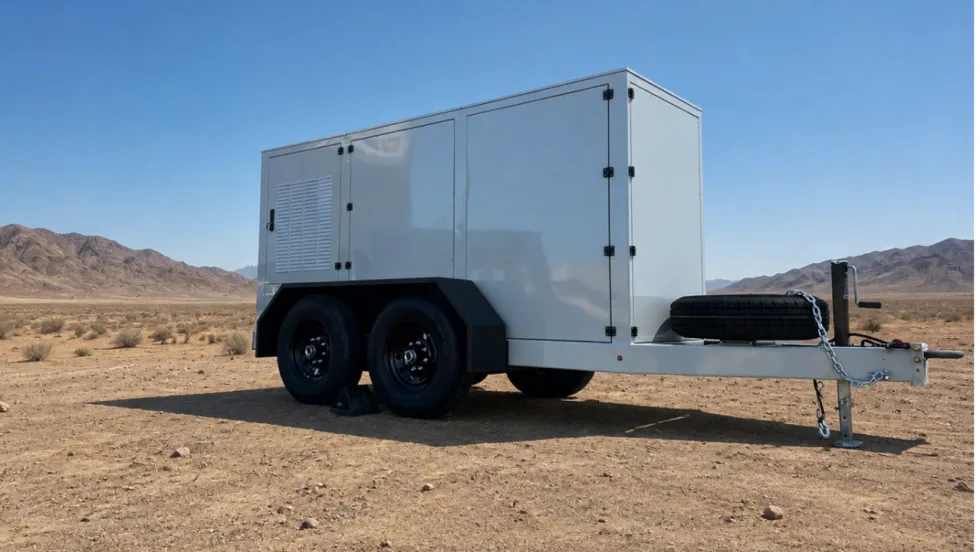
Xos Hub Surpasses One Gigawatt-Hour of Energy Delivered in the Field
A single Xos Hub has surpassed one gigawatt-hour of energy across more than 33,600 charging sessions in the field, demonstrating performance that supports Xos' expansion across new products and markets.
Read More →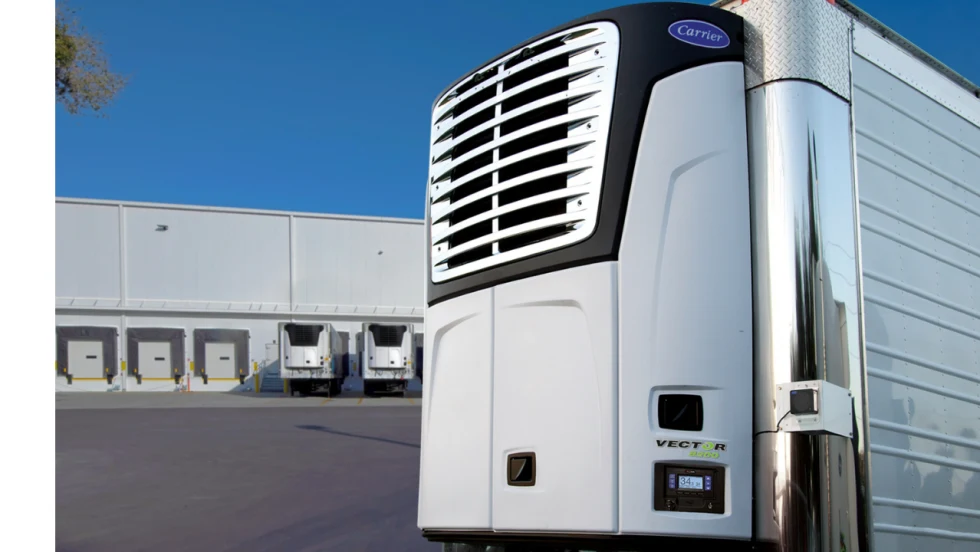
Carrier Transicold Launches All-Electric Vector 8200 TRU for Diesel-Free On-Site Cold Storage
Carrier Transicold’s first engineless multi-temperature TRU helps fresh- and frozen-food fleets add supplemental cold storage capacity during seasonal peaks.
Read More →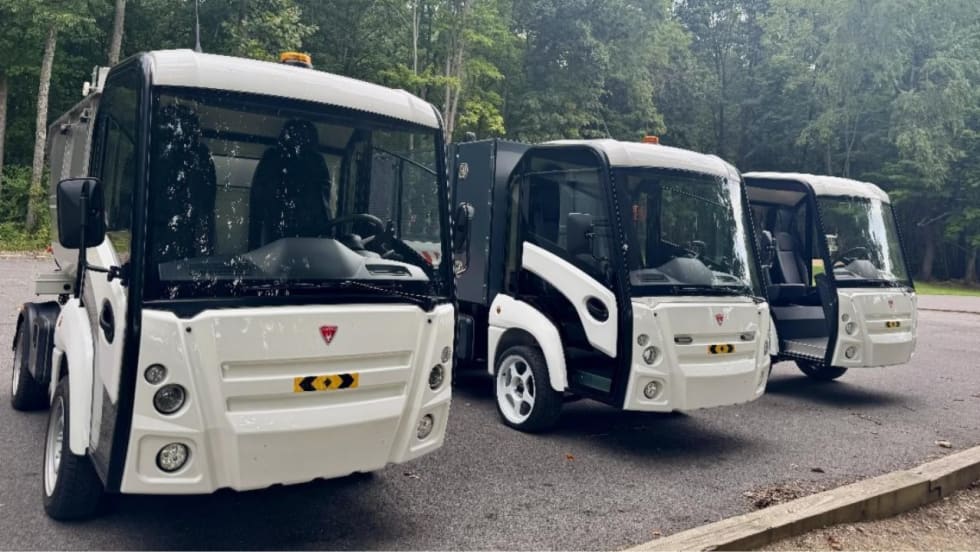
Narro Trucks Introduces Electric Utility Vehicle
Narro Trucks officially launched its operations on Aug. 20 and hosted a ride and drive to showcase its electric truck, which will be produced in Virginia.
Read More →
Samsung SDI Takes Full Control of GM Battery JV as Indiana Plant Pivots to Energy Storage
Samsung SDI is taking full control of its Indiana battery plant with GM, marking a major shift from the EV-focused joint venture Charged Fleet first covered in 2023.
Read More →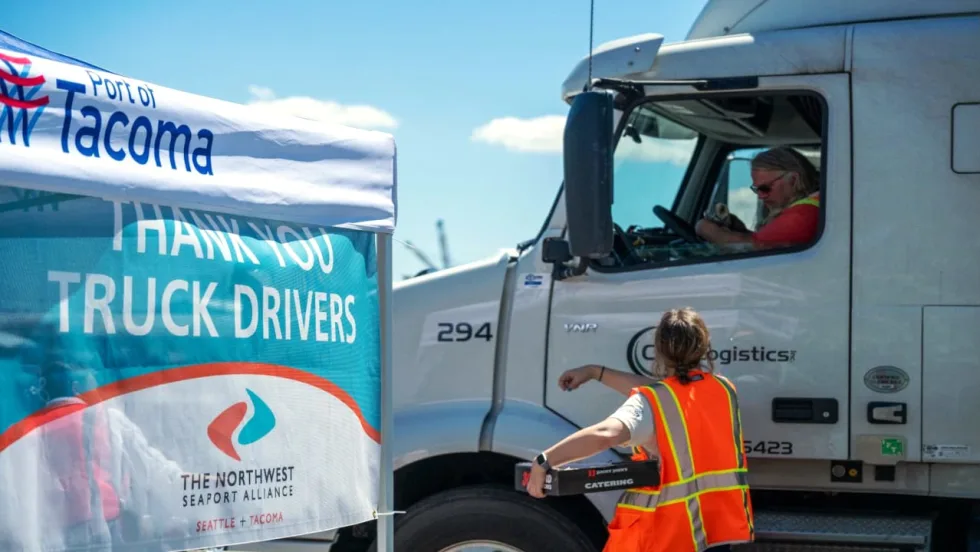
NWSA Taps CALSTART to Administer Zero-Emission Drayage Assistance Program
CALSTART will provide free technical assistance services to drayage fleets serving the Ports of Seattle and Tacoma and looking to transition to cleaner technologies and help decarbonize freight hubs.
Read More →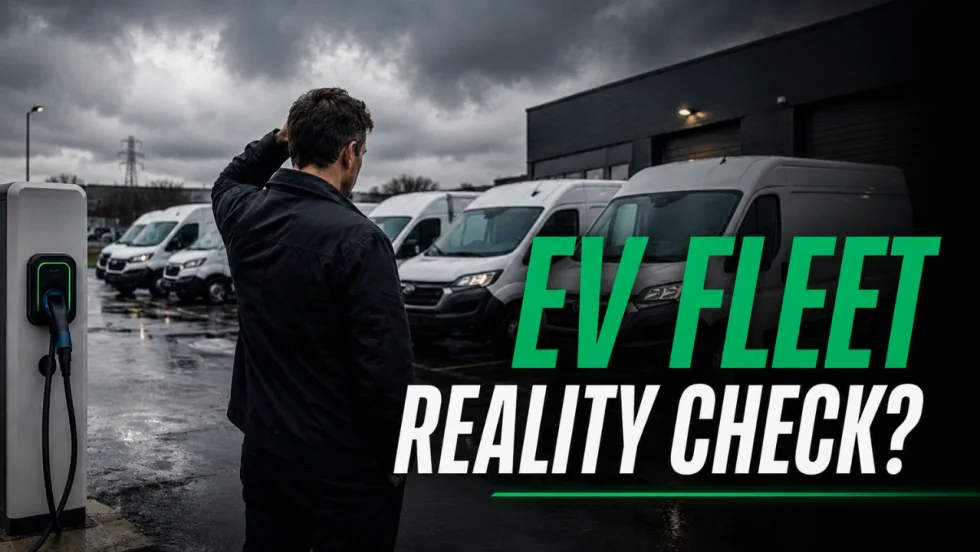
EV Fleet Reality Check: What Operators Wish They Knew Before Electrifying Their Work Vans
Electric work truck upfits bring new compatibility questions. Learn how parts availability, OEM guidance, power demands, and route planning can affect fleet performance.
Read More →
Peterbilt Expands Sourcewell Partnership with Electric Vehicle Lineup
Peterbilt Motors Company’s cooperative purchasing agreement with Sourcewell and its Canadian partner, Canoe Procurement Group, now includes including Peterbilt's battery-electric vehicle lineup.
Read More →