




CleanFUEL USA Partners with Freightliner on New Propane Engine
GEORGETOWN, TEXAS - CleanFUEL USA, a supplier of alternative-fuel infrastructure and propane engine systems, announced a partnership to build and certify a multi-purpose 8.0L General Motors (GM) propane engine with Freightliner Custom Chassis Corporation (FCCC).
GEORGETOWN, TEXAS - CleanFUEL USA, a supplier of alternative-fuel infrastructure and propane engine systems, announced a partnership to build and certify a multi-purpose 8.0L General Motors (GM) propane engine with Freightliner Custom Chassis Corporation (FCCC), a subsidiary of Daimler Trucks North America. Featuring CleanFUEL's new 8L liquid propane injection (LPI) system the medium-duty engine will offer fleet managers a high-performance, propane-powered alternative to reduce fleet operating costs and greenhouse-gas (GHG) emissions. First versions of the engine chassis will be designed for use in urban delivery trucks and school buses.
Propane is the most widely used alternative fuel today, powering more than 14 million vehicles around the world. CleanFUEL anticipates significant market interest in the 8L engine, with pent up demand lingering from GM stopping production of medium-duty engines in 2009. CleanFUEL expects the engine to be available for 2012 vehicles, providing a viable option for fleet operators to keep pace with stricter GHG legislation.
"We've seen an industry-wide shift to becoming more environmentally conscious, and our customers are requesting more options for green-fleet vehicles," said Jonathan Randall, director of sales and marketing for FCCC. "Working with CleanFUEL to address the demand for green vehicles was a natural fit. We look forward to collaborating on this project and keeping with our legacy of providing innovative technologies that benefit customers and the environment."
Freightliner will certify CleanFUEL's 8L propane fuel injection system to run on the Thomas Built Type C school bus and Freightliner straight truck chassis. This partnership expands use of GM's 8L long-block engine, originally intended for industrial and marine markets, to new on-highway applications of up to 33,000 lb. GVW (gross vehicle weight). Conversion kits also will be available to switch medium-duty gasoline vehicles to run on propane.
The Propane Education and Research Council (PERC) approved a $3.9 million grant to support the project's development. CleanFUEL, FCCC, GM and Powertrain Integration will co-fund the project and release a generator version of the engine for the agriculture market, where propane equipment currently supports 865,000 U.S. farms (e.g. irrigation pumps, grain dryers, standby generators, etc.).
"Since the discontinuance of the GM 8.1 liter engine there have been limited options for medium-duty propane engines," said Tucker Perkins, President and COO, CleanFUEL USA. "Demand for medium-duty propane engines still persists. From a fleet standpoint, we see immense potential for this new 8L platform to stimulate additional interest and adoption in the market for propane-powered vehicles."
Medium- and heavy-duty vehicles (MHDVs) in the U.S. consume a significant and increasing amount of fuel. In 2008, these vehicles consumed 26 percent of all U.S. transportation fuels and despite rising fuel prices, use of liquid fuels in the transportation sector are expected to increase to roughly 45 percent overall from 2007 to 2035 (Source: Energy Information Administration). The Obama administration recently announced new rules to reduce GHG emissions and other pollutants by requiring greater fuel efficiency for fleet vehicles, starting with 2014 models. According to the EPA, the new regulations would save the trucking industry about 500 million barrels of oil over the life of vehicles made between 2014 and 2018, and reduce greenhouse gas emissions by nearly 250 million metric tons.
Propane is a clean burning fuel that yields 87 percent less hydrocarbons and 50 percent fewer toxins than gasoline, and is more economical compared to petroleum-based options, roughly 40 to 50 percent less than gasoline/diesel per gallon. PERC estimates that operating costs of a propane fleet typically range from five to 30 percent less than a gasoline-powered fleet. Propane is also an approved alternative fuel under the Energy Policy Act of 1992 and qualifies for several alternative fuel vehicle tax incentives.
More Green Fleet

Fleet Forward Conference Introduces One-Day Passes for 2026
New one-day registration gives fleet professionals the flexibility to attend Tuesday, Wednesday, or Thursday, with passes available for $199 through Sept. 18.
Read More →
CALSTART Rebrands as Catalyst Mobility, Will Combine with Forth in 2027
CALSTART has rebranded as Catalyst Mobility and will combine with Forth at the start of 2027. The new organization said it is poised to become one of the world's largest, strongest, and most impactful clean transportation nonprofits.
Read More →
Electric Truck and Charging Programs to Boost Sustainability at NY & NJ Ports
Together, the Port Authority of New York and New Jersey and CALSTART will electrify drayage and terminal operations serving the East Coast’s busiest container port. A pair of incentive programs totaling $45 million has launched to accelerate adoption of zero-emission drayage trucks and terminal tractors.
Read More →

The Smart Way to Build a Mixed-Energy Fleet Isn’t About Picking a Side
Mixed-energy fleets aren’t about picking a winning fuel. Sarah Booth of WEX explains how vehicle data, duty cycles, charging strategy, and real-world costs can help fleets choose the right energy source for each job.
Read More →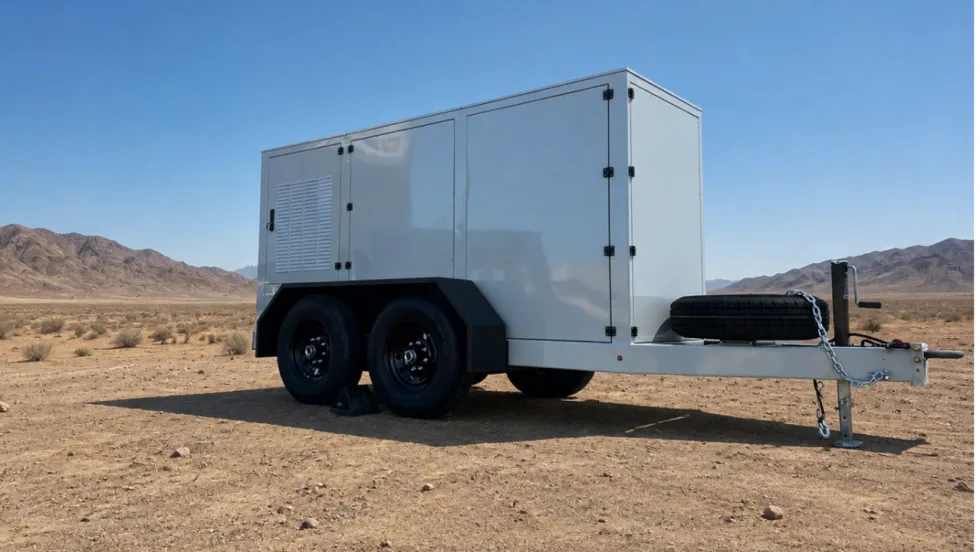
Xos Hub Surpasses One Gigawatt-Hour of Energy Delivered in the Field
A single Xos Hub has surpassed one gigawatt-hour of energy across more than 33,600 charging sessions in the field, demonstrating performance that supports Xos' expansion across new products and markets.
Read More →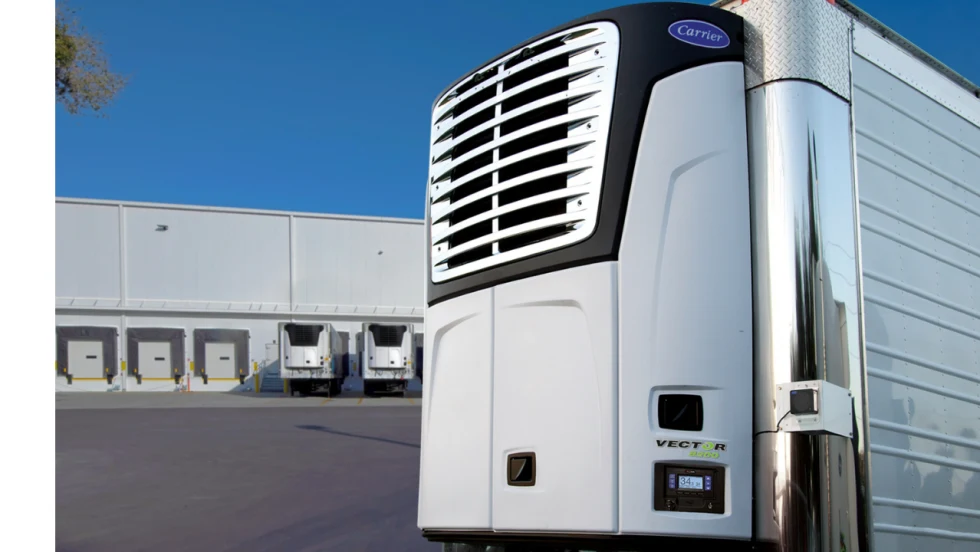
Carrier Transicold Launches All-Electric Vector 8200 TRU for Diesel-Free On-Site Cold Storage
Carrier Transicold’s first engineless multi-temperature TRU helps fresh- and frozen-food fleets add supplemental cold storage capacity during seasonal peaks.
Read More →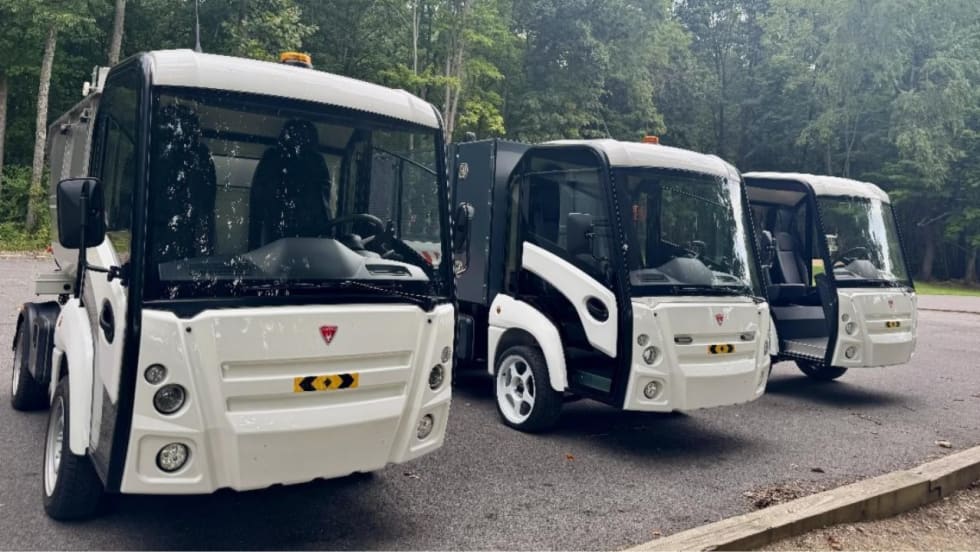
Narro Trucks Introduces Electric Utility Vehicle
Narro Trucks officially launched its operations on Aug. 20 and hosted a ride and drive to showcase its electric truck, which will be produced in Virginia.
Read More →
Samsung SDI Takes Full Control of GM Battery JV as Indiana Plant Pivots to Energy Storage
Samsung SDI is taking full control of its Indiana battery plant with GM, marking a major shift from the EV-focused joint venture Charged Fleet first covered in 2023.
Read More →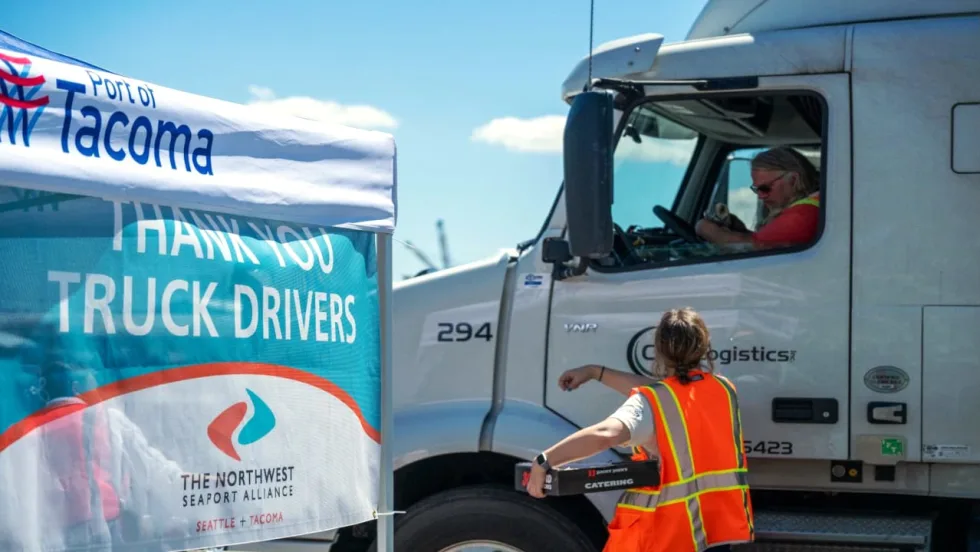
NWSA Taps CALSTART to Administer Zero-Emission Drayage Assistance Program
CALSTART will provide free technical assistance services to drayage fleets serving the Ports of Seattle and Tacoma and looking to transition to cleaner technologies and help decarbonize freight hubs.
Read More →
EV Fleet Reality Check: What Operators Wish They Knew Before Electrifying Their Work Vans
Electric work truck upfits bring new compatibility questions. Learn how parts availability, OEM guidance, power demands, and route planning can affect fleet performance.
Read More →