




Chanje Bringing Class 5 Electric Cargo Van to U.S.
Can an electric medium-duty vehicle manufactured at a global scale and priced on par with a diesel finally achieve mass-market appeal? Chanje is betting on it.

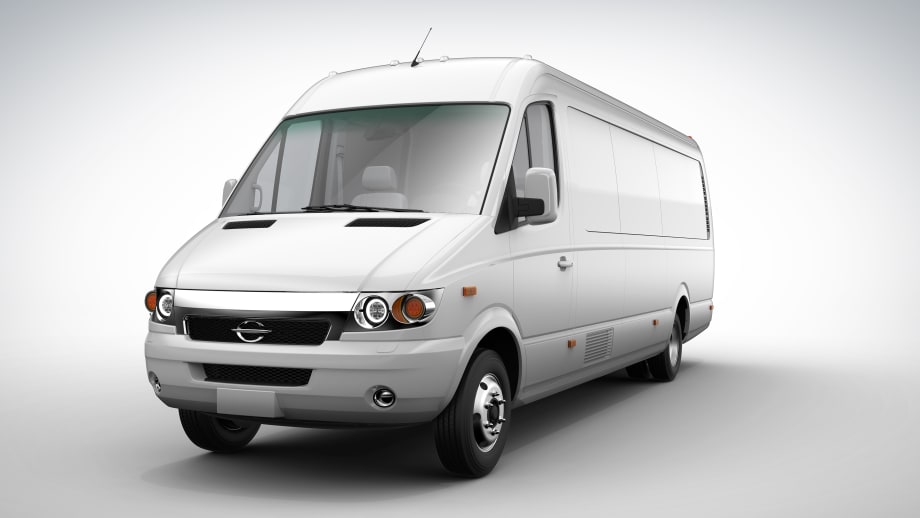
Chanje's first North American offering will be a Class 5, 16,500-lb GVW all-electric panel van with a 100-mile range. Photo: Chanje
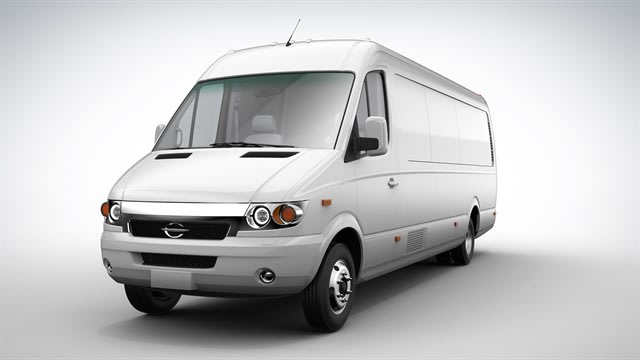
Chanje's first North American offering will be a Class 5, 16,500-lb GVW all-electric panel van with a 100-mile range.Photo: Chanje
A Los Angeles-based electric vehicle and energy solutions company, Chanje (pronounced "change"), will bring to the U.S. market in the fourth quarter a Class 5 panel van that it says can be economically produced at a scale and price not previously possible. The company says it already has volume orders for fourth-quarter delivery of its ground-up designed and purpose-built all-electric vehicle.
Chanje is a privately held, U.S. registered corporation with initial strategic investment from Hong Kong-based FDG Electric Vehicles Limited. FDG brings an investment of more than $1 billion in medium-duty EV R&D to the partnership. Chanje provides global expertise from the transportation sector through its understanding of clean-energy vehicle engineering and adoption.
Chanje says it chose to partner with FDG to leverage the economies of scale found in the Central Asian markets.
Chanje CEO, Bryan Hansel, told Heavy Duty Trucking the vehicle was designed from the start as a long-life, global-platform vehicle that could not only leverage U.S. domestic volume, but also capture significant market share in Europe and Asia.
"We have designed a vehicle that will play well in several different markets so that we can leverage the supply chain and get that volume," he said. "For the first time, the North American fleet market has an opportunity to access a world-class, high-quality and cost-effective commercial electric truck."
The first model to be released in the U.S. is a Class 5 commercial panel van equipped to haul a payload of up to 6,000 pounds on an "average" urban delivery route of about 70 miles a day. Hansel said the truck will be a high-roof model with roughly double the cubic capacity of current EV offerings and a significantly higher gross vehicle weight. The projected range of the battery system is said to be 100+ miles.
Chanje will later introduce a full range of electric trucks from Class 4 to Class 6, along with a 15- to 20-passenger airport-style shuttle bus.
"We will build the entire vehicle in a high-volume OEM environment where historically we have seen cut-away chassis with third-party bodies," Hansel says. "These vehicles are built more like cars than trucks, from unibody construction to the OEM fit and finish we see in automotive manufacturing."
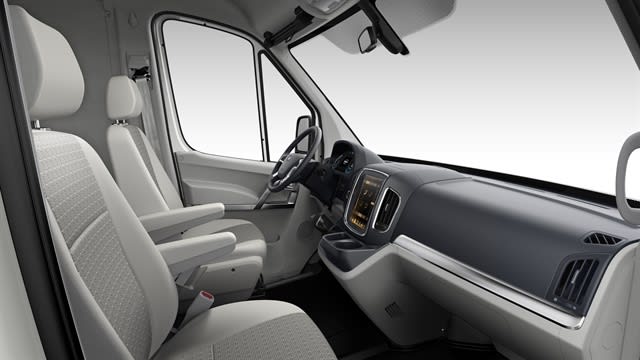
The Chanje van is a unibody construction, not a typical cut-away chassis with a third-party body.Photo: Chanje
Initial production of the first American orders is on the assembly line now at a manufacturing facility in mainland China. Production will continue there through 2018, Chanje says, while it selects and develops a U.S manufacturing site, likely to be located close to a port facility somewhere west of the Mississippi.
Chanje's concept, from the start, is to build an electric commercial vehicle that will fit easily into any market on the planet. With a few local exceptions, there are no varying environmental regulations to contend with, which have hamstrung producers of vehicles equipped with internal combustion engines from selling product globally. There are variations in vehicle safety standards for different regions, such as lighting requirements or bumper configurations, but Hansel said they can be easily accommodated.
"Our entire powertrain is unsprung weight sitting across the rear axle of the vehicle powering two hub-mounted motors," he explained. "The length of the vehicle can vary, right-hand or left-hand drive, you name it. We have no volume concerns because there is nothing to get in the way."
Competitive Pricing
While Hansel declined to discuss exact pricing, he said it will be very straightforward, with an emphasis on leasing programs. The way Hansel describes it, a truck is a truck and energy is energy.
"When you look just at the truck, we believe it can be absolutely competitive on the cap-ex side," he said. "On the operational side, the battery rental fee plus the electricity will be very close to the cost of the fuel you'd otherwise be putting into the vehicle. The owner's cash flow from month-one will be very similar. We think we'll be very close to price parity [with a similar diesel vehicle] right out of the gate. We can show them from the first year out to the 10th year that we have a very competitive cash-flow product from day-one."
Chanje will work with large fleet customers to provide renewable energy and charging capabilities as a turnkey service. The goal is to support organizations as they transition to energy systems that are secure, stable, local, renewable and efficient. This will be in the form of a micro-grid depot solution that is expected to include four components a renewable energy source, the charging infrastructure, energy storage and grid services.
The vehicles are designed to be all-electric from the ground up and developed to meet global quality and durability standards. Chanje said a ground-up-designed EV can be produced economically at scale and provides substantially improved safety, reliability, and energy efficiency. The company predicts customers will see an average of 70% lower maintenance costs and 70% savings in fuel costs versus a diesel equivalent. Chanje said its vehicles have demonstrated greater than 50 MPGe fuel economy in city and highway driving when tested by independent third parties. (MPGe, or “miles per gallon equivalent,” represents the average miles traveled per unit of energy consumed when compared to 1 gallon of fuel.)
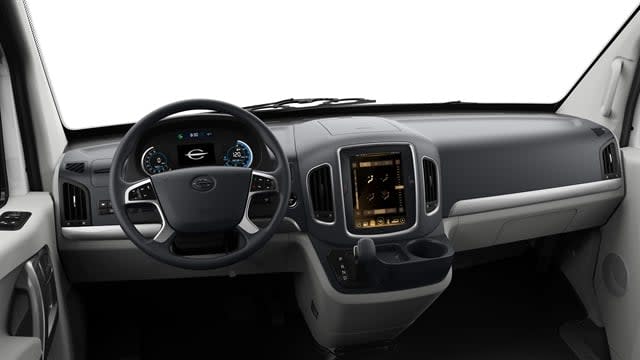
Chanje offeres intelligent connected vehicles with apps and touch screens.Photo: Chanje
Chanje sees an opportunity to dramatically reduce emissions from commercial vehicle traffic in urban centers, since they have the highest concentration of diesel-powered trucks and buses. Currently, medium-duty diesel vehicles account for 18% of all greenhouse gas emissions from the transportation sector nationwide. The company said upgrading from a diesel truck to medium-duty zero-emission electric truck will reduce noise pollution in cities, neighborhoods and along roadways; increase driver health, safety, and satisfaction, and save as much CO2 emissions as 20 acres of U.S. forest would absorb in one year.
The Executive Team
Chanje's executive team includes members with experience from the automotive and clean energy industries, including Tesla, Daimler, Volkswagen, Schneider Electric, U.S. EPA and others.
Bryan Hansel, CEO - previously with Smith Electric Vehicles (U.S.), previous experience includes the fields of health care, technology and transportation.
Ian Gardner, President - previously The Boston Consulting Group (BCG), Duke Energy, Los Angeles Clean Tech Incubator and others
Joerg Sommer, Chief Operating Officer - previously SVP at Volkswagen, Daimler, Renault and others
James Chen, VP and General Counsel - previously VP at Tesla, two of Washington, D.C.’s top law firms, the U.S. EPA, and others
Jeff Robinson, VP of Manufacturing - previously Tesla, Ford, Mazda, General Motors and others
Suresh Jayanthi, VP of Energy Services - previously Schneider Electric and others
In the coming weeks, Chanje will announce a major U.S. service, parts and distribution partnership that will provide a foothold in the domestic market.
For more information, visit www.chanje.us
Originally posted on Automotive Fleet
More Green Fleet

Fleet Forward Conference Introduces One-Day Passes for 2026
New one-day registration gives fleet professionals the flexibility to attend Tuesday, Wednesday, or Thursday, with passes available for $199 through Sept. 18.
Read More →
CALSTART Rebrands as Catalyst Mobility, Will Combine with Forth in 2027
CALSTART has rebranded as Catalyst Mobility and will combine with Forth at the start of 2027. The new organization said it is poised to become one of the world's largest, strongest, and most impactful clean transportation nonprofits.
Read More →
Electric Truck and Charging Programs to Boost Sustainability at NY & NJ Ports
Together, the Port Authority of New York and New Jersey and CALSTART will electrify drayage and terminal operations serving the East Coast’s busiest container port. A pair of incentive programs totaling $45 million has launched to accelerate adoption of zero-emission drayage trucks and terminal tractors.
Read More →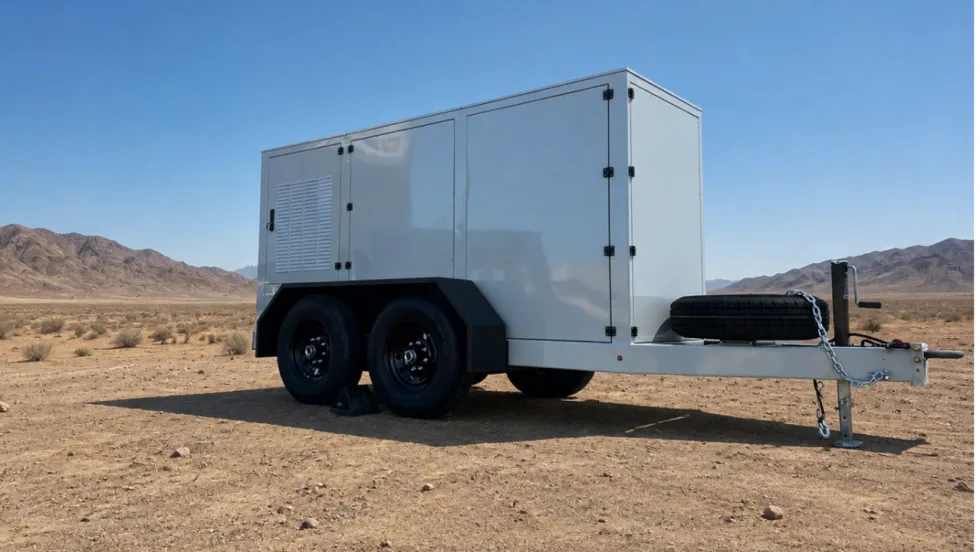
Xos Hub Surpasses One Gigawatt-Hour of Energy Delivered in the Field
A single Xos Hub has surpassed one gigawatt-hour of energy across more than 33,600 charging sessions in the field, demonstrating performance that supports Xos' expansion across new products and markets.
Read More →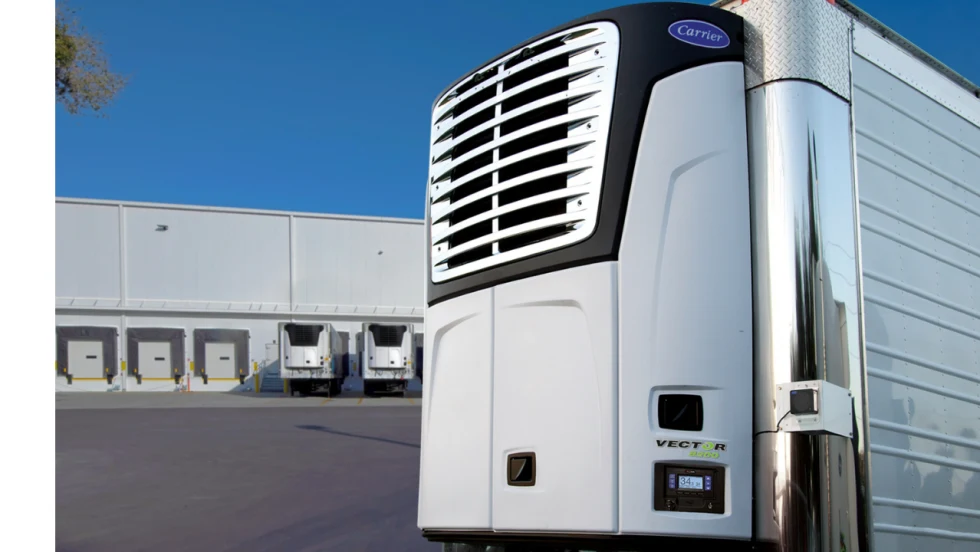
Carrier Transicold Launches All-Electric Vector 8200 TRU for Diesel-Free On-Site Cold Storage
Carrier Transicold’s first engineless multi-temperature TRU helps fresh- and frozen-food fleets add supplemental cold storage capacity during seasonal peaks.
Read More →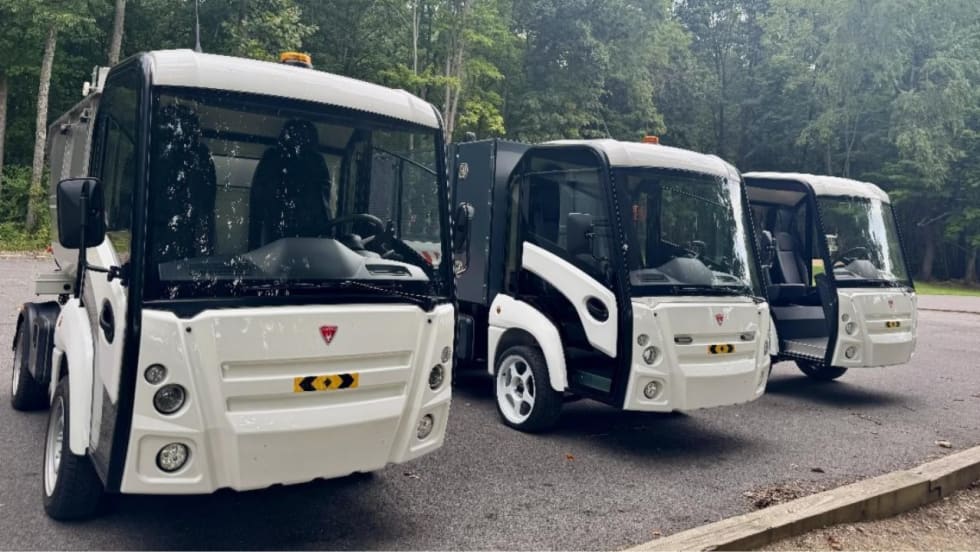
Narro Trucks Introduces Electric Utility Vehicle
Narro Trucks officially launched its operations on Aug. 20 and hosted a ride and drive to showcase its electric truck, which will be produced in Virginia.
Read More →
Samsung SDI Takes Full Control of GM Battery JV as Indiana Plant Pivots to Energy Storage
Samsung SDI is taking full control of its Indiana battery plant with GM, marking a major shift from the EV-focused joint venture Charged Fleet first covered in 2023.
Read More →
NWSA Taps CALSTART to Administer Zero-Emission Drayage Assistance Program
CALSTART will provide free technical assistance services to drayage fleets serving the Ports of Seattle and Tacoma and looking to transition to cleaner technologies and help decarbonize freight hubs.
Read More →
EV Fleet Reality Check: What Operators Wish They Knew Before Electrifying Their Work Vans
Electric work truck upfits bring new compatibility questions. Learn how parts availability, OEM guidance, power demands, and route planning can affect fleet performance.
Read More →
Peterbilt Expands Sourcewell Partnership with Electric Vehicle Lineup
Peterbilt Motors Company’s cooperative purchasing agreement with Sourcewell and its Canadian partner, Canoe Procurement Group, now includes including Peterbilt's battery-electric vehicle lineup.
Read More →