




CARB Sends California Warehouse & Distribution Companies Packing, States The International Warehouse Logistics Association
SACRAMENTO, CA - The International Warehouse Logistics Association (IWLA) today continued to express its strong opposition about actions taken by the California Air Resources Board.
SACRAMENTO, CA - The International Warehouse Logistics Association (IWLA) today continued to express its strong opposition about actions taken by the California Air Resources Board. CARB's actions, beginning in 2009, significantly increased the price of diesel fuel inCalifornia.
CARB requires that global commodity diesel fuel be included in a single state fuel regulation. This regulation, one that includes diesel fuel for trucks and trains involved in international trade, is an attack on the jobs of blue-collar Californians. This action drastically raises the price of diesel at the retail pump with very little environmental benefit.
IWLA's unanswered concerns have now been confirmed by an independent economic study: The Impact of the Low Carbon Fuel Standard and Cap and Trade Programs on California Retail Diesel Prices by Stonebridge Associates for the California Trucking Association answers many of the questions CARB continues to evade.
According to the study, CARB will raise "California-only" diesel fuel wholesale prices by an additional$2.22 per gallon. This translates to a retail diesel price increase of 50 percent: $6.69 per gallon of diesel by 2020 – a price that only California companies would bear.
Joel D. Anderson, IWLA president & CEO, says, "This unnecessary and extremely costly fuel formulation directly threatens the livelihood of third-party logistics providers – the warehouses and companies that are our members – whose distribution centers receive goods from the ports of Los Angeles, Long Beach andOakland. In essence, CARB's message to shippers in the Pacific Rim is to bypass California ports and change course to Seattle and Canada – or plan to use the Panama Canal when it widens in 2014."
The ripple effect in California would be a shift from blue-collar, middle-class jobs in logistics (with an average annual salary of $45,851, as cited in the Stonebridge Associates report) that provide upward mobility and career-advancement opportunities to below-the-poverty-level hotel/motel or food-service jobs (with an average annual salary of $16,026, again as reported in the study.) The most recent U.S. Bureau of Labor Statistics data reveal that 170,000 warehouse and transportation workers are employed inCalifornia.
When diesel fuel was first added to the states' electric-vehicle-forcing Low Carbon Fuel Standard, IWLA expressed grave concerns. IWLA has attended the hearings, submitted written detailed comments and asked for the organization's economic questions to be answered. To date, IWLA's concerns continue to fall on deaf ears. Despite the facts, CARB maintains the position that the LCFS will cost nothing for the end users.
Mike Williams, IWLA's California governmental affairs representative, testified December 16, 2011, before the California Air Resources Board. "I am here today to ask that you suspend the diesel requirement of the Low Carbon Fuel Standard," he said before the board. "IWLA requests that diesel be removed from the LCFS until such time that a fuel recipe could be tested and an economic analysis completed. It looks like we are half way there. We have the cost. It is too expensive. Testing the fuel is futile as companies will leave the state in droves."
"Now, we have an independent study that looked at retail prices and the results confirmed our suspicions," Williams reported. "California will have diesel fuel reaching almost $7 a gallon. This alone could shut down the supply chains surrounding the ports of Oakland, Long Beach and Los Angeles and restart a completely unnecessary statewide recession."
IWLA president & CEO, Anderson, concurs: "While CARB designs a 'one-state' diesel-fuel emission policy that drives our members out of California, ports outside the state are more than happy and willing to take the business away."
Anderson cited Alberto Zubieta's (the CEO of the Panama Canal Authority) recent comment: "What you need to understand is that you're in a globalized world and if you don't capture the market someone else is going to."
Since 1891, the International Warehouse Logistics Association has defined the standards of excellence in warehousing and logistics outsourcing. Based in Des Plaines, Ill., IWLA promotes the growth and success of third-party logistics companies by providing its nearly 500 member companies (with more than 48 million square feet of warehouse space in California alone) with resources, information, education and professional programs designed to advance their businesses and provide greater value to their customers. For more information, visit www.IWLA.com.
More Green Fleet
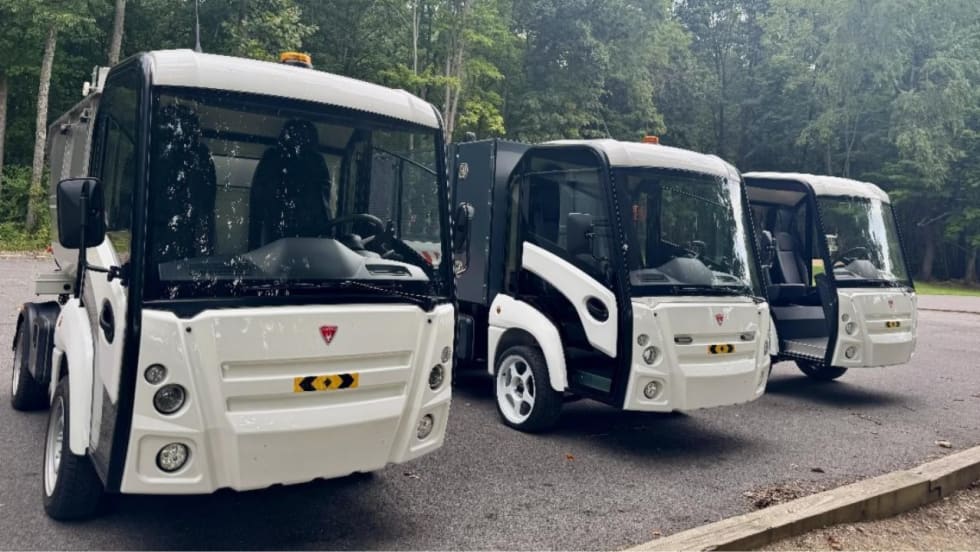
Narro Trucks Introduces Electric Utility Vehicle
Narro Trucks officially launched its operations on Aug. 20 and hosted a ride and drive to showcase its electric truck, which will be produced in Virginia.
Read More →
Samsung SDI Takes Full Control of GM Battery JV as Indiana Plant Pivots to Energy Storage
Samsung SDI is taking full control of its Indiana battery plant with GM, marking a major shift from the EV-focused joint venture Charged Fleet first covered in 2023.
Read More →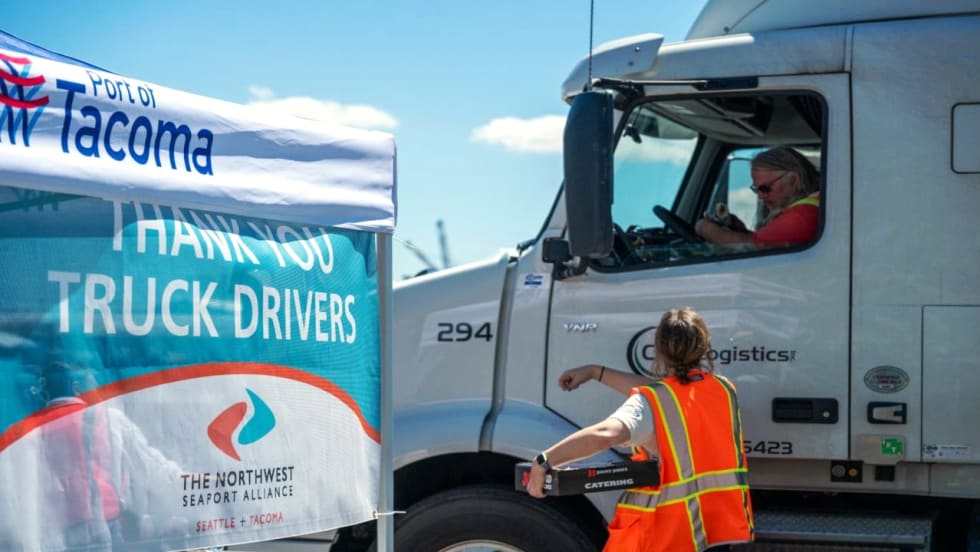
NWSA Taps CALSTART to Administer Zero-Emission Drayage Assistance Program
CALSTART will provide free technical assistance services to drayage fleets serving the Ports of Seattle and Tacoma and looking to transition to cleaner technologies and help decarbonize freight hubs.
Read More →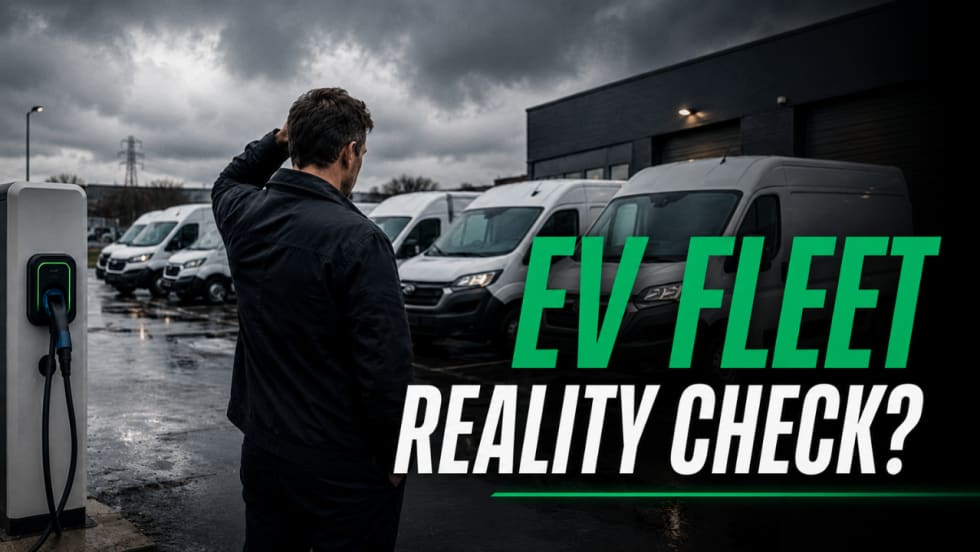
EV Fleet Reality Check: What Operators Wish They Knew Before Electrifying Their Work Vans
Electric work truck upfits bring new compatibility questions. Learn how parts availability, OEM guidance, power demands, and route planning can affect fleet performance.
Read More →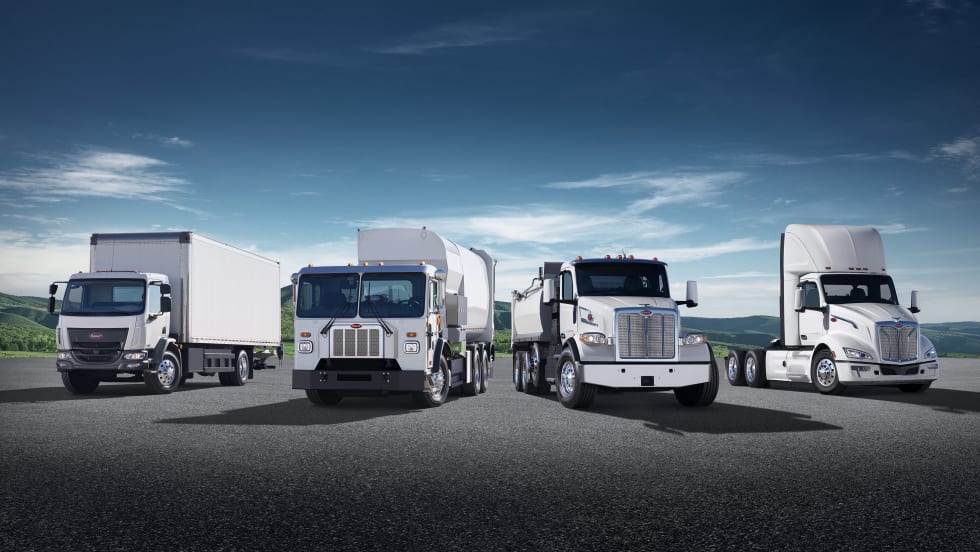
Peterbilt Expands Sourcewell Partnership with Electric Vehicle Lineup
Peterbilt Motors Company’s cooperative purchasing agreement with Sourcewell and its Canadian partner, Canoe Procurement Group, now includes including Peterbilt's battery-electric vehicle lineup.
Read More →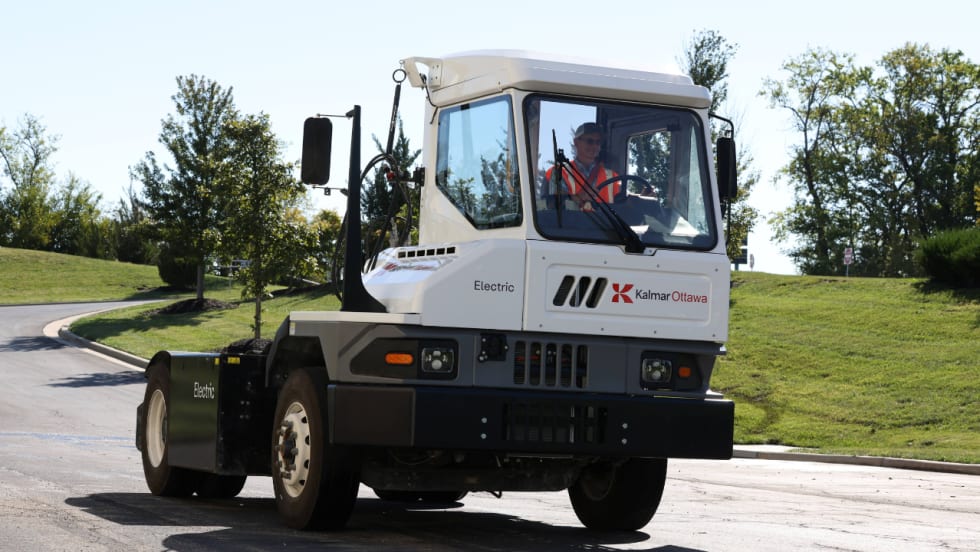
WTC Group Expands Sustainable Operations with Kalmar Ottawa T2 EV Fleet
Commercial adoption of the Kalmar Ottawa T2 EV terminal tractor continues to grow as customers add the zero-emission yard tractor to their fleets. WTC Group has placed an order for a Kalmar Ottawa T2 EV.
Read More →
Where Propane Autogas Fits in Today's Fleet Fuel Strategy
Learn more from PERC's Joel Stutheit, as he explains why propane autogas remains a practical alternative for fleets seeking to reduce emissions without sacrificing operational flexibility.
Read More →
Schneider Electric Simplifies Commercial EV Charging with New Charge Pro for the U.S.
Schneider Electric’s updated Charge Pro Level 2 chargers deliver reliable, flexible charging for multi-unit dwellings, fleets and workplaces, as well as public and destination charging locations such as hotels and retail centers.
Read More →
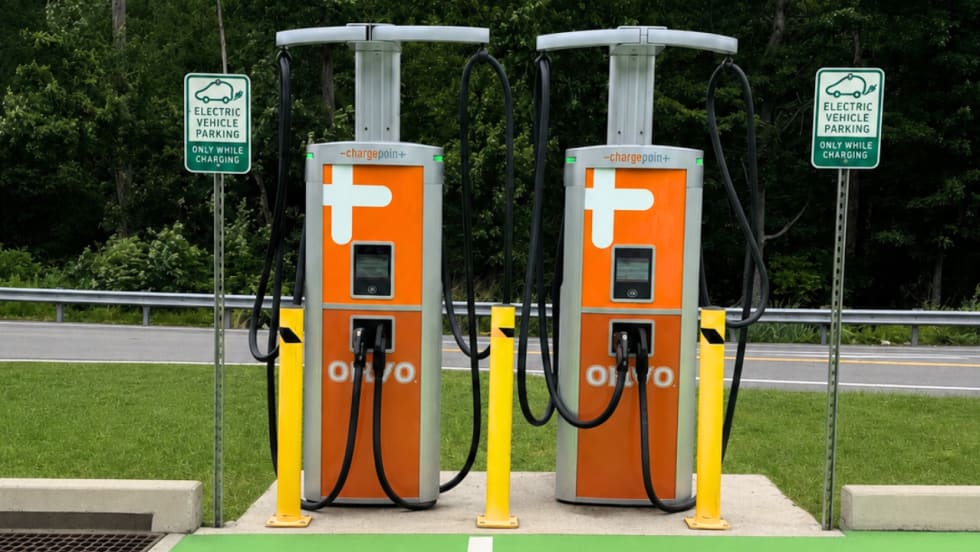
ChargePoint and Onvo Expand Highway Fast Charging Across the Northeastern U.S.
ChargePoint is working with Onvo, a locally owned travel plaza brand headquartered in Pennsylvania, to install ultra-fast EV charging stations at locations in the Northeastern U.S.
Read More →