




CARB Releases Draft Amendments to California Truck & Bus Rule and SmartWay Mandate
SACRAMENTO - The California Air Resources Board (CARB) released draft regulatory language for proposed amendments to the In-Use On-Road Diesel Vehicle Regulation (Truck and Bus Rule) and the Heavy-Duty Vehicle Greenhouse Gas Emission Reduction Regulation (California SmartWay mandate).
SACRAMENTO - The California Air Resources Board (CARB) released draft regulatory language for proposed amendments to the In-Use On-Road Diesel Vehicle Regulation (Truck and Bus Rule) and the Heavy-Duty Vehicle Greenhouse Gas Emission Reduction Regulation (California SmartWay mandate). The CARB Board of Directors has directed the staff to propose amendments to the Truck and Bus Rule and the California SmartWay Mandate due to the fact that the global recession has led to lower than expected emissions levels. Proposed amendments will aim to help fleet owners affected by the downturn in the economy.
Draft language for amendments to the Truck and Bus Rule would implement major changes to the rule. Documents released by CARB state that the amended regulation would exempt smaller vehicles from meeting particulate matter filter requirements and would delay the first replacements for all trucks until 2015. No engine less than 20 years old would need to be replaced until January 1, 2020. A fact sheet for Draft Proposed Amendments to the Truck and Bus Regulation can be seen here. Full text of the amended proposed regulatory language can be seen here.
There are a number of proposed changes for the California SmartWay mandate, including an additional phase-in option for large fleets, additional flexibility for fleets to report, recordkeeping requirement for dealers and lessors, and extended deadlines for required use of low rolling resistance tires.
One of the changes contained in the draft of the modified language would change the CARB-required policies for lessors and lessees when determining compliance responsibility for the California SmartWay mandate. In the original rule, CARB required that lessors insert specific language in lease agreements in order to avoid liability for possible non-compliance with the California SmartWay mandate by their customers. TRALA argued during the rulemaking process that CARB should not be dictating language in lease agreements, but instead it should be up to lessors and lessees to determine the most efficient and effective allocation of compliance responsibilities through contractual language tailored to fit each specific situation. TRALA also stated that since the requirement treated all leases alike, regardless of length of lease, it would require changes to existing lease agreements. The CARB-required language in lease agreements ultimately became part of the rule, but now CARB is proposing that the language be agreed upon by lessors and lessees in a document separate from the lease agreement. This change will help to avoid the burden of changing existing lease agreements, which TRALA warned would happen. California-licensed lessors would need to retain these records for at least three years under the modified language.
The proposed amendments to the California SmartWay mandate contains a second phase-in option for compliance with the mandate. The option two phase-in begins one year later and is more accelerated than option one. The current regulation requires fleets to identify up-front the specific trailers that will be brought into compliance during each compliance year. The proposed amendment will allow fleets to either report compliance on an annual basis, or continue with the phase-in plan as reported up-front.
The California SmartWay mandate also contained some amendments for the low rolling resistance tires requirements. Under the current regulation, 2010 and older model year tractors must use SmartWay verified tires by January 1, 2012. Under the proposed amendment, 2010 and older model year tractors must use SmartWay verified tires by January 1, 2013. There are no proposed changes in tire requirements for 2011 and newer model year tractors. There are proposed amendments for the trailer requirements for low rolling resistance tires as well. Under the current regulation, 2010 and older model year trailers must use SmartWay verified tires by January 1, 2013, or comply with the large fleet or small fleet compliance schedule. Under the proposed amendment, all 2010 and older model year trailers must use SmartWay verified tires by January 1, 2017, and there would be no phase-in for low rolling resistance tires. There are no proposed changes in tire requirements for 2011 and newer model year trailers.
A brief summary or fact sheet for the California SmartWay Mandate was not released by CARB, but the full text of the amended proposed regulation can be seen here. Amendments to the Truck and Bus Rule and the California SmartWay mandate will be considered at a hearing on December 16 & 17, 2010. For more information, please contact TRALA's Joe Sculley at jsculley@trala.org or by calling (703) 299-9120.
More Green Fleet

Fleet Forward Conference Introduces One-Day Passes for 2026
New one-day registration gives fleet professionals the flexibility to attend Tuesday, Wednesday, or Thursday, with passes available for $199 through Sept. 18.
Read More →
CALSTART Rebrands as Catalyst Mobility, Will Combine with Forth in 2027
CALSTART has rebranded as Catalyst Mobility and will combine with Forth at the start of 2027. The new organization said it is poised to become one of the world's largest, strongest, and most impactful clean transportation nonprofits.
Read More →
Electric Truck and Charging Programs to Boost Sustainability at NY & NJ Ports
Together, the Port Authority of New York and New Jersey and CALSTART will electrify drayage and terminal operations serving the East Coast’s busiest container port. A pair of incentive programs totaling $45 million has launched to accelerate adoption of zero-emission drayage trucks and terminal tractors.
Read More →
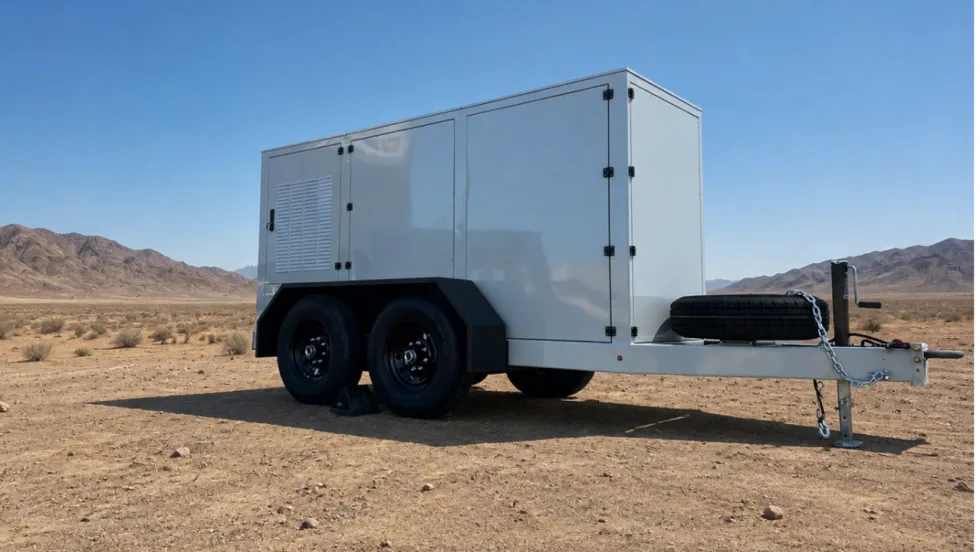
Xos Hub Surpasses One Gigawatt-Hour of Energy Delivered in the Field
A single Xos Hub has surpassed one gigawatt-hour of energy across more than 33,600 charging sessions in the field, demonstrating performance that supports Xos' expansion across new products and markets.
Read More →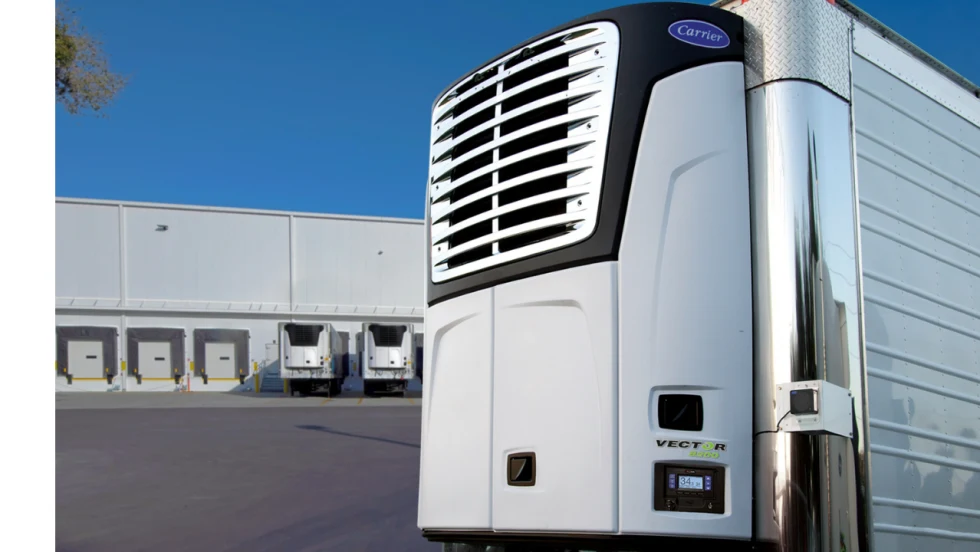
Carrier Transicold Launches All-Electric Vector 8200 TRU for Diesel-Free On-Site Cold Storage
Carrier Transicold’s first engineless multi-temperature TRU helps fresh- and frozen-food fleets add supplemental cold storage capacity during seasonal peaks.
Read More →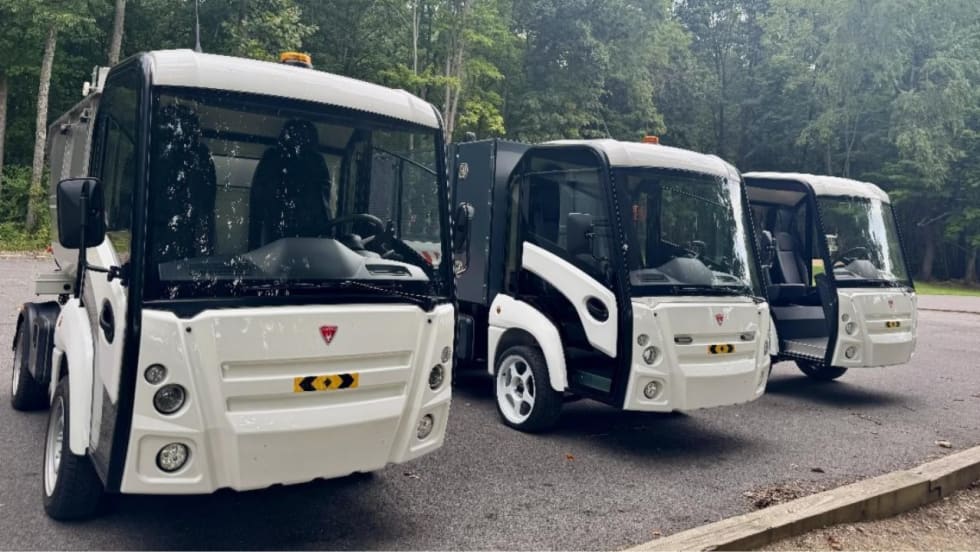
Narro Trucks Introduces Electric Utility Vehicle
Narro Trucks officially launched its operations on Aug. 20 and hosted a ride and drive to showcase its electric truck, which will be produced in Virginia.
Read More →
Samsung SDI Takes Full Control of GM Battery JV as Indiana Plant Pivots to Energy Storage
Samsung SDI is taking full control of its Indiana battery plant with GM, marking a major shift from the EV-focused joint venture Charged Fleet first covered in 2023.
Read More →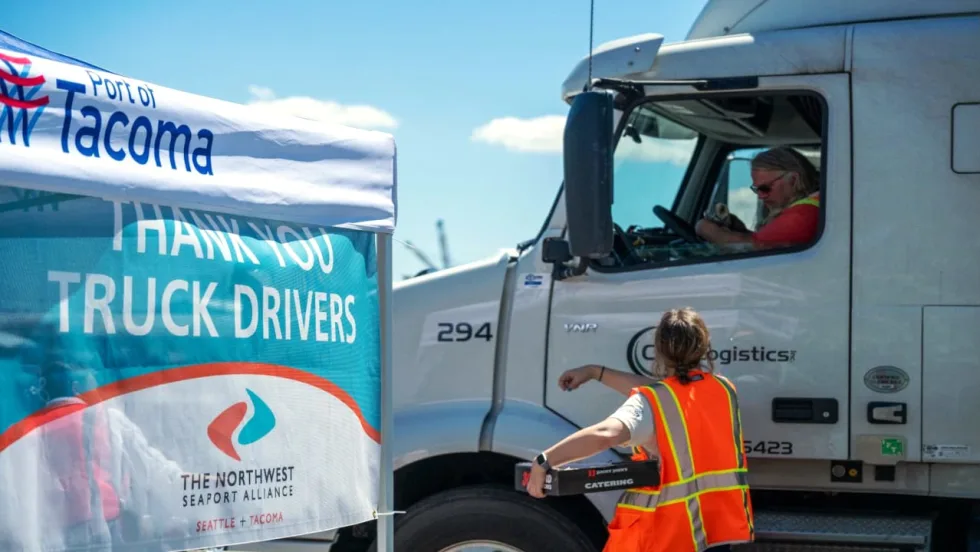
NWSA Taps CALSTART to Administer Zero-Emission Drayage Assistance Program
CALSTART will provide free technical assistance services to drayage fleets serving the Ports of Seattle and Tacoma and looking to transition to cleaner technologies and help decarbonize freight hubs.
Read More →
EV Fleet Reality Check: What Operators Wish They Knew Before Electrifying Their Work Vans
Electric work truck upfits bring new compatibility questions. Learn how parts availability, OEM guidance, power demands, and route planning can affect fleet performance.
Read More →
Peterbilt Expands Sourcewell Partnership with Electric Vehicle Lineup
Peterbilt Motors Company’s cooperative purchasing agreement with Sourcewell and its Canadian partner, Canoe Procurement Group, now includes including Peterbilt's battery-electric vehicle lineup.
Read More →