




California Leads U.S. in Adoption of EVs
Nearly half of all the battery-electric vehicles and plug-in hybrid electric vehicles registered in the U.S. in 2013 came in California, according to the U.S. Energy Information Administration (EIA).
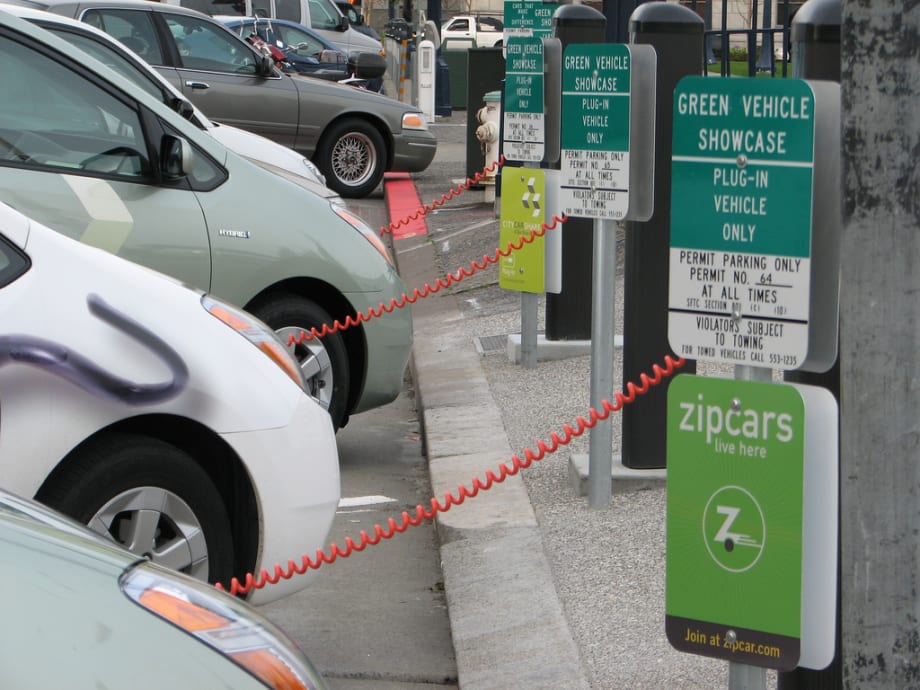
Photo via Wikipedia
Photo via Wikipedia
Nearly half of all the battery-electric vehicles and plug-in hybrid electric vehicles registered in the U.S. in 2013 came in California, according to the U.S. Energy Information Administration (EIA).
Total U.S. sales of plug-in electric vehicles (PEVs) have increased in recent years, but still represent only about 0.7 percent of new vehicle sales in 2014 so far, up from 0.6 percent in 2013 and 0.4 percent in 2012, the EIA reported. There were about 70,000 EVs and 104,000 plug-in hybrids (PHEVs) registered in the U.S. in 2013.
Several states offer tax incentives to reduce the upfront cost of PEVs to consumers. These incentives are in addition to a federal (nationwide) tax credit, which ranges from $2,500 to $7,500 depending on battery capacity and gross vehicle weight. For instance, California offers rebates of up to $2,500 for EVs that run only on a charge, and $1,500 for PHEVs, which can also run on gasoline.
California implemented a zero-emissions vehicle (ZEV) mandate that requires automobile companies to produce for sale a certain percentage of zero emission vehicles, such as electric and hydrogen fuel cell. By 2025, approximately 15 percent of all new light-duty vehicles sold in the state must be either electric or fuel-cell powered.
Nine states have agreed to follow California's ZEV mandate: Connecticut, Maine, Maryland, Massachusetts, New Jersey, New York, Oregon, Rhode Island, and Vermont. These 10 states represent close to one-quarter of the U.S. light-duty vehicle market, according to the EIA.
Originally posted on Automotive Fleet
More Green Fleet
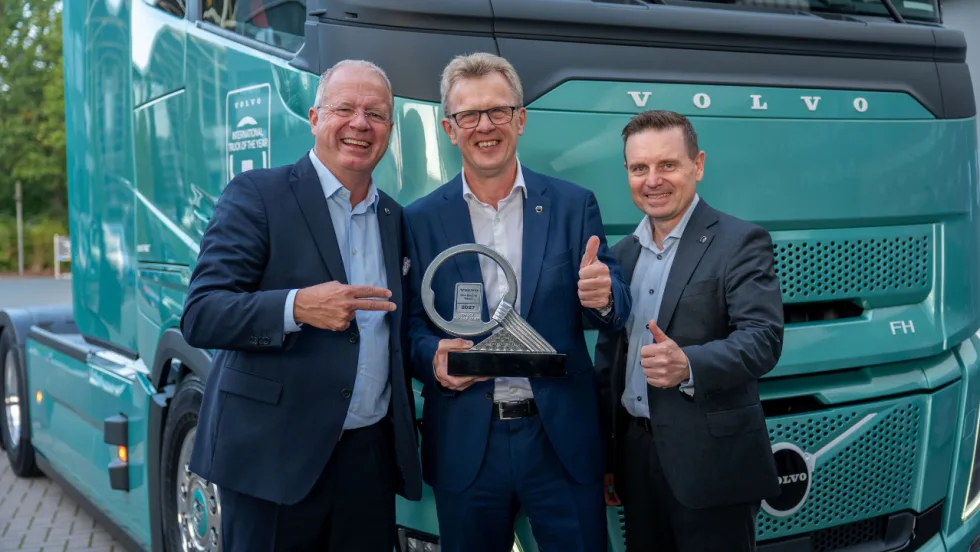
Volvo Trucks Wins International Truck of the Year 2027 for its Global Electric Range
Volvo Trucks' global heavy-duty electric range has been named International Truck of the Year 2027. Since 2019, more than 7,000 electric Volvo trucks have driven more than 310 million miles worldwide.
Read More →
Fleet Forward Conference Introduces One-Day Passes for 2026
New one-day registration gives fleet professionals the flexibility to attend Tuesday, Wednesday, or Thursday, with passes available for $199 through Sept. 18.
Read More →
CALSTART Rebrands as Catalyst Mobility, Will Combine with Forth in 2027
CALSTART has rebranded as Catalyst Mobility and will combine with Forth at the start of 2027. The new organization said it is poised to become one of the world's largest, strongest, and most impactful clean transportation nonprofits.
Read More →

Electric Truck and Charging Programs to Boost Sustainability at NY & NJ Ports
Together, the Port Authority of New York and New Jersey and CALSTART will electrify drayage and terminal operations serving the East Coast’s busiest container port. A pair of incentive programs totaling $45 million has launched to accelerate adoption of zero-emission drayage trucks and terminal tractors.
Read More →
The Smart Way to Build a Mixed-Energy Fleet Isn’t About Picking a Side
Mixed-energy fleets aren’t about picking a winning fuel. Sarah Booth of WEX explains how vehicle data, duty cycles, charging strategy, and real-world costs can help fleets choose the right energy source for each job.
Read More →
Xos Hub Surpasses One Gigawatt-Hour of Energy Delivered in the Field
A single Xos Hub has surpassed one gigawatt-hour of energy across more than 33,600 charging sessions in the field, demonstrating performance that supports Xos' expansion across new products and markets.
Read More →
Carrier Transicold Launches All-Electric Vector 8200 TRU for Diesel-Free On-Site Cold Storage
Carrier Transicold’s first engineless multi-temperature TRU helps fresh- and frozen-food fleets add supplemental cold storage capacity during seasonal peaks.
Read More →
Narro Trucks Introduces Electric Utility Vehicle
Narro Trucks officially launched its operations on Aug. 20 and hosted a ride and drive to showcase its electric truck, which will be produced in Virginia.
Read More →
Samsung SDI Takes Full Control of GM Battery JV as Indiana Plant Pivots to Energy Storage
Samsung SDI is taking full control of its Indiana battery plant with GM, marking a major shift from the EV-focused joint venture Charged Fleet first covered in 2023.
Read More →
NWSA Taps CALSTART to Administer Zero-Emission Drayage Assistance Program
CALSTART will provide free technical assistance services to drayage fleets serving the Ports of Seattle and Tacoma and looking to transition to cleaner technologies and help decarbonize freight hubs.
Read More →