





Related: CARB Levies Heavy Fine on Company Selling Used Diesel Soot Filters
California Approves $483M for Clean Transportation
The California Air Resources Board approved the plan to fund clean car rebates, zero-emission transportation, clean trucks, and other alternative-fuel and mobility pilot projects.
November 7, 2018
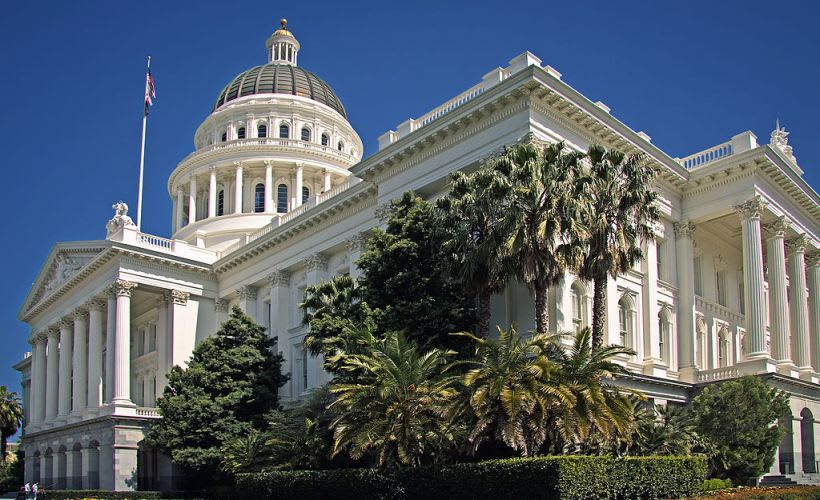
The California Air Resources Board has approved $483 million for clean transportation grants and projects.
Photo of California's state capitol via Steven Pavlov/Wikimedia.
2 min to read
The California Air Resources Board approved a $483 million plan to fund clean car rebates, zero-emission transportation, clean trucks, and other alternative-fuel and mobility pilot projects.
The approved plan, called the Fiscal Year 2018-19 Funding Plan for Clean Transportation Incentives, is part of the state's strategy for improving air quality and reducing greenhouse gas emissions in the transportation sector, the state’s largest source of air pollution and climate-changing gases, according to CARB.
Of the total, $455 million comes from cap-and-trade proceeds via California Climate Investments, a statewide program that puts billions of cap-and-trade dollars to work reducing greenhouse gas emissions, strengthening the economy and improving public health and the environment — particularly in disadvantaged communities, according to CARB. The remaining $28 million is from the Air Quality Improvement Program.
The funding is aimed at aiding low-income families with being able to afford alt-fuel vehicles and engage in cleaner transportation methods, such as car sharing. This includes $200 million for the Clean Vehicle Rebate Project, which includes increased rebates for low-income consumers.
Other highlights of the plan include, $75 million for transportation equity projects, including the Enhanced Fleet Modernization Plus-Up/Clean Cars 4 All Program that offers incentives for lower-income drivers to scrap and replace older, high-polluting cars with zero- or near-zero-emission cars, financing assistance for lower-Income consumers, and clean mobility options.
The overall plan serves as the blueprint for expending funds appropriated to CARB in budget bills passed this year by the legislature and signed by Gov. Jerry Brown, including the $455 million from cap-and-trade auction proceeds, according to CARB. The plan establishes priorities for the funding, describes the projects CARB intends to fund, and sets funding targets for each project.
Projects in the plan approved by CARB prioritize environmental justice by addressing specific community needs and increasing awareness of, and access to, cleaner transportation and mobility options exceeding the requirements called for under Senate Bill 350, according to CARB. The funding plan builds upon successes and lessons from previous years’ investments and furthers collaboration across related initiatives such as the AB 617 Community Air Protection Program.
Originally posted on Automotive Fleet
More Small Fleet


Developing Budget-Friendly Driver Safety Programs
From driver training and safety meetings to one-on-one coaching and incentive programs, several small fleets share how they have developed a safety culture with their drivers using low- to no-cost resources.
Read More →
Sponsored•March 9, 2026
Boosting Last-Mile Fleet Uptime, Safety, and Value with AI Vehicle Inspections
AI-powered inspections are transforming last-mile fleets by replacing manual checks with highly accurate automated scans that detect defects in seconds. By giving fleet operations visibility into the daily condition of their vehicles, you can identify trends over the vehicle’s lifecycle that enable improved procurement decisions, route management, driver training and accountability.
Read More →
Five Ways Seat Belts Help Prevent Injuries
There are five ways seat belts protect occupants from injuries, according to the Tennessee Department of Safety and Homeland Security.
Read More →
Sponsored•January 14, 2026
It’s here: The 2026 Fleet Technology Trends Report
What does AI mean for fleets? Get the answer — and learn other top tech trends.
Read More →
Small Fleets, Big Impact: How Independent Drivers Power Wreaths Across America
Check out how small fleets and independent drivers power Wreaths Across America each December and why their impact matters more than ever.
Read More →
VMS Survey Finds 65% of Small Fleet Managers Run Operations Alone
A new VMS survey shows small fleet managers are stretched thin, with most handling operations solo and eager to adopt digital tools for relief.
Read More →
Tips for Driving Safely on Halloween Night
This video features a reminder from the Connecticut Department of Transportation (DOT) and the Connecticut Police Chiefs Association, urging drivers to prioritize safety this Halloween.
Read More →
AI, Access, and Uptime: VMS’s Next Chapter with David Prusinski
VMS’s new Co-CEO, David Prusinski, shares how an AI-first approach will give small fleets and repair shops the tools to compete like big players.
Read More →
Fleet Managers Share Winter Prep Tips: It's Never Too Early!
Three fleets share best practices to prep vehicles for winter and prevent downtime when the cold sets in.
Read More →