




Brake Safety Week & Preventing Brake-Related Downtime
As Brake Safety Week approaches, what are the leading causes of brake issues for fleets? Drew Kortyna, of Fleet Services by Cox Automotive, shares his insights on brake issues and managing related breakdowns.

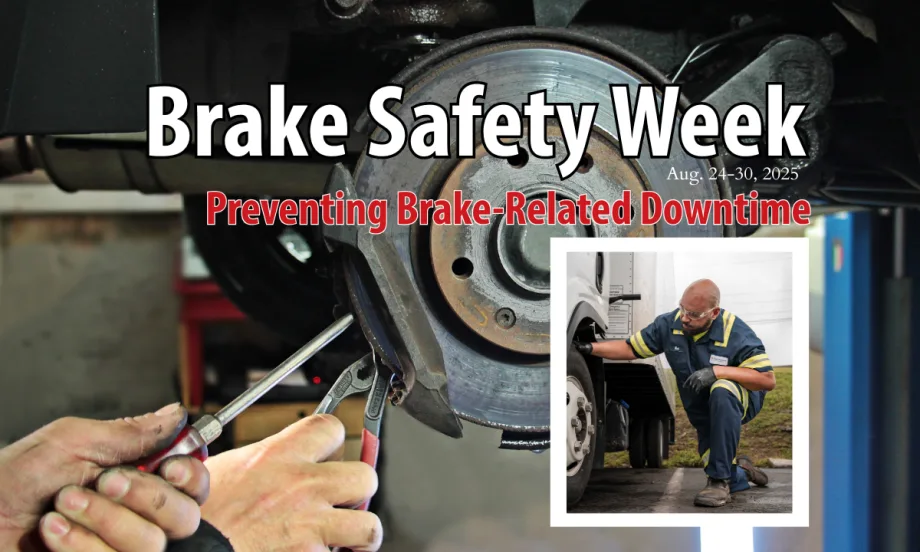
What are the most common brake system failures? What can fleets do to mitigate such issues, and how should fleets handle when those problems lead to a breakdown?
Photo: Cox Automotive/Work Truck
Fleets should already be prepared for the upcoming Brake Safety Week, an annual effort led by the Commercial Vehicle Safety Alliance (CVSA). While safety is the key focus, brake issues can also lead to downtime.
What are the leading causes of brake-related issues, and when fleets have a breakdown on the side of the road, what is the best approach for dealing with the situation?
Work Truck turned to Drew Kortyna, senior director of operations at Fleet Services by Cox Automotive, for some insights.
Q&A with Kortyna of Fleet Services
Work Truck: What are the common brake-related failure points?
Kortyna: Some of the most frequent brake-related issues include worn pads or shoes, air leaks, worn drums, wheel seal leaks that contaminate components, and ABS system failures.
Work Truck: How can fleets stay ahead of those problems?
Kortyna: The best way for fleets to stay ahead of these problems is through a disciplined inspection process. That starts with quality pre-trip inspections by drivers — looking closely for air leaks or worn parts — and ensuring any issues reported are addressed immediately. In addition, fleets should schedule quarterly brake inspections with qualified mechanics and maintain DOT compliance inspections at least every six months. Together, these steps help ensure safety, reliability, and regulatory compliance.
Work Truck: If brake problems cause a breakdown, what should fleets do if they need emergency repairs or roadside service?
Kortyna: The first priority is making sure the driver is safe and comfortable while help is on the way. Fleets should use GPS data to verify the vehicle’s location, then immediately contact their company’s roadside assistance call center or a trusted emergency provider, like FleetNet America.
Work Truck: What should fleets do after a breakdown?
Kortyna: Once the situation is resolved, it’s equally important to perform a root cause analysis of the breakdown to understand what happened and determine whether it could have been prevented.
CVSA Brake Safety Week 2025
Brake Safety Week kicks off Aug. 24 and runs through Aug. 30. CVSA-certified inspectors in the U.S., Canada, and Mexico will conduct routine commercial motor vehicle inspections throughout the week, focusing on brake systems and components. According to CVSA, this year’s focus will be on drums and rotors.
Inspectors will record data about commercial motor vehicle inspections, brake systems and components, and brake-related violations and report that data to CVSA.
Brake Safety Week 2024 Results
During Brake Safety Week 2024, 16,725 commercial motor vehicle inspections were conducted and reported to CVSA, with 2,149 of those vehicles having brake-related out-of-service violations. That equated to a 12.8% out-of-service rate.
Of those vehicles placed out of service, 1,355 (63.1%) had stand-alone out-of-service brake violations, and 217 (10.1%) had steering axle brake out-of-service violations.
In addition, CVSA reported 1,216 (56.6%) failed the 20% defective brakes criterion. That states that a vehicle is out of service if the number of defective brakes is equal to or greater than 20% of the service brakes on the vehicle or combination.
More Maintenance
Les Schwab Expands Commercial Tire Footprint Into Arizona
Les Schwab Tires has expanded into Arizona with two commercial tire locations in Phoenix and Tucson, strengthening its fleet service footprint in the Southwest.
Read More →
Volvo Trucks’ 'Lock and Leave' Software Updates Go Live Across North America
Unattended over-the-air software updates are now available in Volvo trucks across the U.S. and Canada. The new capability lets trucks stay current with the latest software without interrupting operations or requiring a dealership visit.
Read More →
Why Technician Appreciation Can’t Be a Once-a-Year Thought
For fleets trying to keep skilled technicians, recognition cannot begin and end with Technician Appreciation Week. Learn what year-round appreciation really looks like and why the everyday technician experience matters just as much as pay when fleets are trying to keep good people.
Read More →
How Faster Driver Reporting Can Keep Small Truck Problems Small
When minor damage, warning lights, or equipment issues are reported late, small problems can quickly become bigger maintenance headaches. Conversational AI can help shorten the path from what a driver notices in the field to the person who can act on it.
Read More →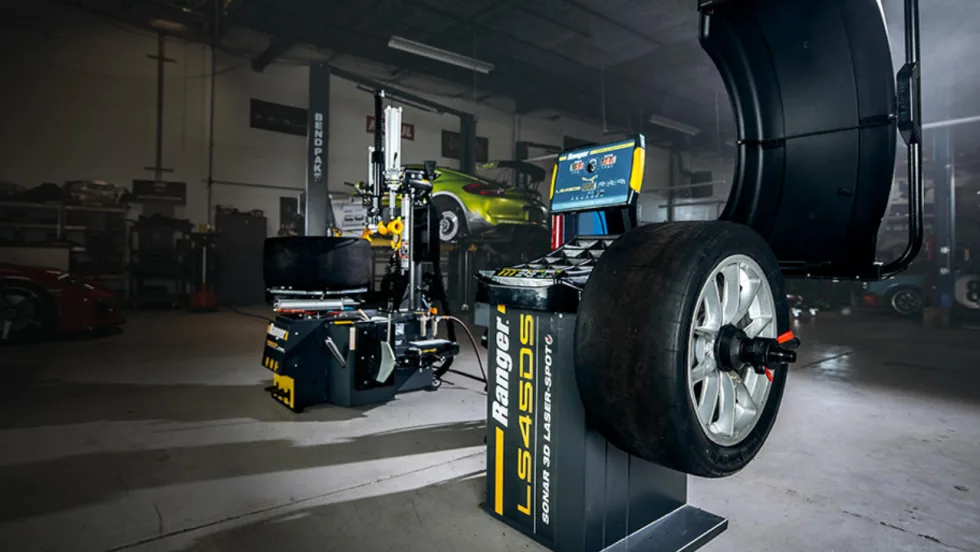
BendPak’s Ranger Wheel Service Equipment Achieves North American Safety Certification
BendPak’s full line of Ranger tire changers and wheel balancers has been ETL certified to UL and CSA standards to improve operator safety.
Read More →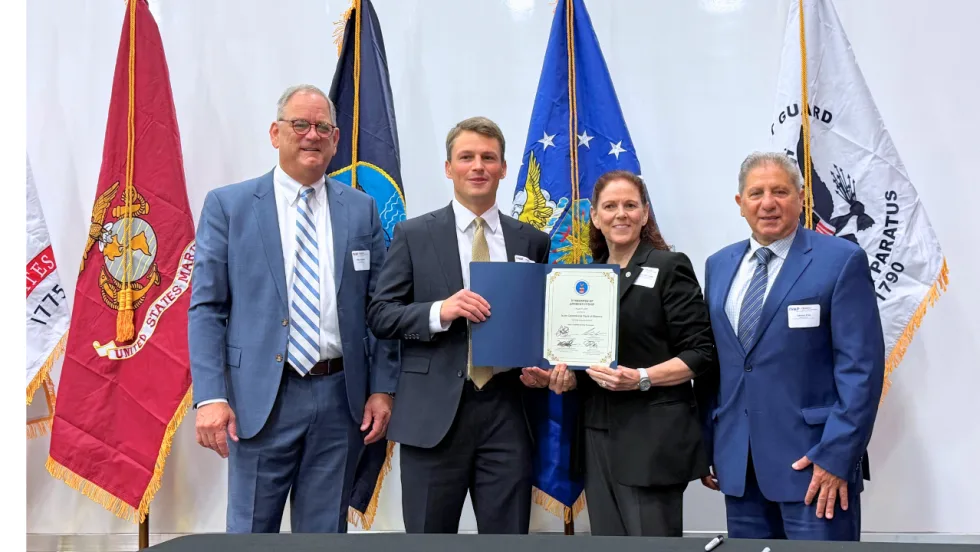
Isuzu & U.S. Department of Labor Celebrate Milestone for Veterans Apprenticeship Program
The Isuzu Veterans Apprenticeship Program (IVAP) signing ceremony highlighted Isuzu’s long-term commitment to veterans, Isuzu dealers, and the skilled workforce supporting its customers and the commercial transportation industry.
Read More →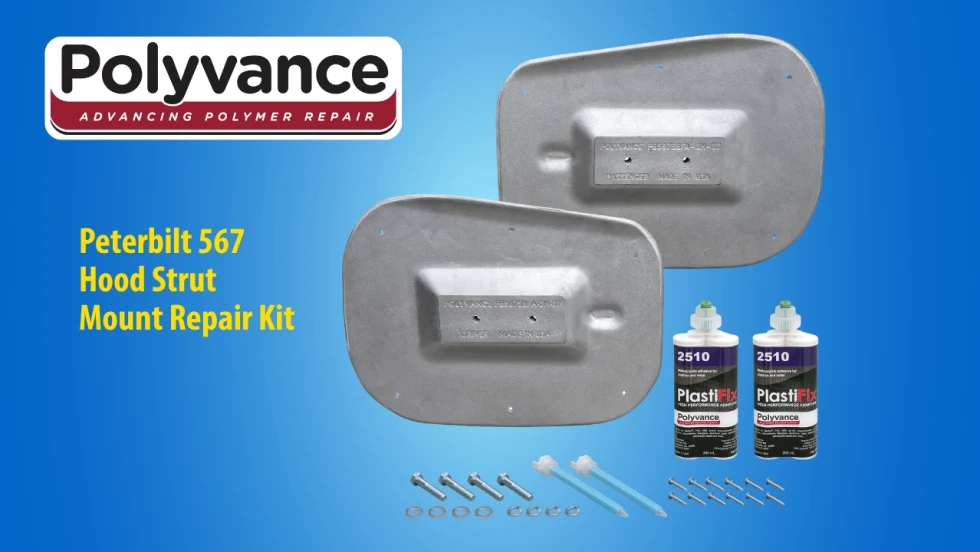
Polyvance Introduces New Peterbilt 567 Hood Strut Mount Repair Kit
Polyvance has launched a repair solution for Peterbilt 567 hood struts, helping truck owners and repair facilities avoid costly hood replacements.
Read More →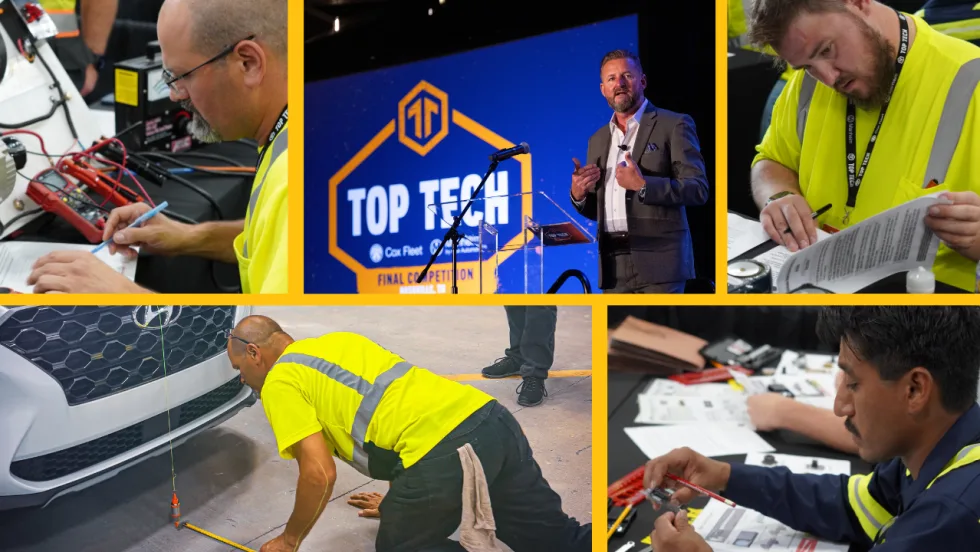
Cox Automotive Celebrates Technical Excellence at 2026 Top Tech Finals
The top technicians from Cox Fleet and Manheim tested their skills in Nashville, Tennessee, at Cox Automotive’s 2026 Top Tech Finals. The overall winners will advance to compete at the American Trucking Association’s TMC SuperTech competition.
Read More →
Grote Industries Appoints Vice President of North American Operations
Grote Industries has appointed Patrick Smith as vice president of North American operations as it celebrates 125 years of innovation and manufacturing excellence. He has more than 20 years of manufacturing leadership experience.
Read More →
Winter Fleet Prep: Expert Tips to Keep Vehicles Running Smoothly
Cold weather can expose weak batteries, tires, fuel systems, and maintenance gaps fast. Use this winter fleet checklist to prepare trucks and drivers before temperatures drop.
Read More →