




Bigger Long-Haul Trucks Better for Environment, Study Finds
HALIFAX, CANADA – Longer trucks reduce harmful exhaust emissions and improve highway safety and the Nova Scotia government is taking a look at how longer truck configurations could operate in the province.
HALIFAX, CANADA – Longer trucks reduce harmful exhaust emissions and improve highway safety, according to a Canadian Trucking Alliance-Natural Resources study; and the Nova Scotia government is taking a look at how longer truck configurations could operate in the province, according to the Web site www.theChronicleHerald.ca. The study claims double-trailer configurations reduce greenhouse gas emissions from trucks and improve highway safety.
The two-year study involved 10 trucking fleets from Western Canada and Quebec that use the longer combination vehicles, known as turnpike doubles, as well as single trailers. The study indicated turnpike doubles are about two to three times safer than the overall tractor-trailer fleet traveling Ontario’s multi-lane highways when measured by kilometers traveled per vehicle. It was estimated they save an average 28.8 liters of fuel per 100 kilometers of truck travel when compared to single-trailer configurations, or about a 55 percent saving.
Turnpike doubles could reduce the number of trucks on the road by between six and 10 percent, as well. The study estimates 900 million kilometers of truck travel would be saved annually by expanding the use of turnpike doubles, as well as 260 million liters of fuel and 730 kilotons of greenhouse gases.
The study was done by a consulting firm and overseen by a steering committee including Climate Change Central, the Centre for Sustainable Transportation, Ontario’s Ministry of Transportation, Transport Canada, and the Canada Safety Council.
More Operations

Team Fletcher Takes 2nd Overall at the Corporate Soap Box Derby
Team Fletcher came to Akron as a rookie and left with a win over Team Brown, a second-place overall finish, and $22,000 raised for The Hourglass Foundation. See how race day unfolded.
Read More →
Shades of Fleet Call for Voices: Fleet's Hidden Heroes
Fleet’s hidden heroes are often the ones keeping everything moving behind the scenes. September’s *Shades of Fleet* is looking for dispatchers, coordinators, parts specialists, and other support pros to share their stories.
Read More →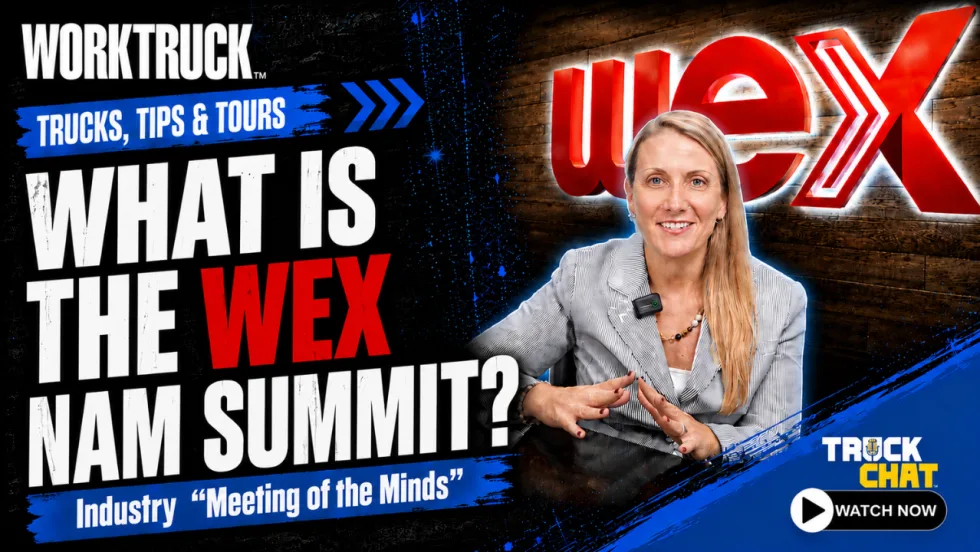
What is the WEX NAM Summit?
What makes the WEX NAM Summit different from other fleet industry events? It's a meeting of the minds that brings fleet and mobility leaders together to discuss emerging trends, AI, new solutions, best practices, and the future of the industry.
Read More →

With 293% 3-Year Revenue Growth, Fleetworthy is One of the Fastest-Growing Private Companies in the U.S.
Fleetworthy has been named to 2026 Inc. 5000 list of fastest-growing private companies for the second consecutive year. It ranked No. 2 overall in the Albany-Schenectady-Troy, New York metro area.
Read More →
EV Fleet Reality, Ford Fathom, Robots, and Smarter Fleet Tech Lead the News
EV fleet lessons, Ford’s new Fathom electric truck, robots, manufacturing shifts, and smarter fleet technology headline this week’s Truck Chat Cheat Sheet.
Read More →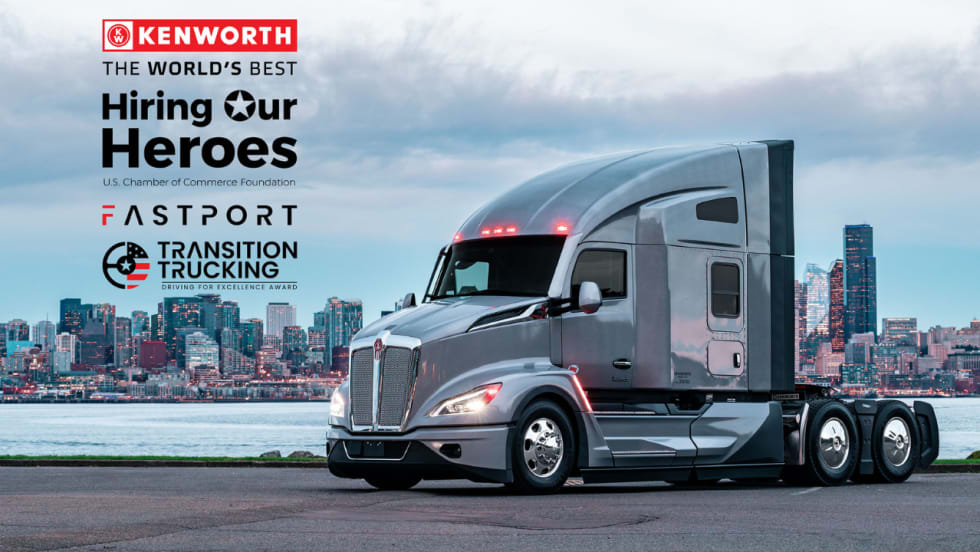
Elite 11 Semi-Finalists Announced for the 2026 Transition Trucking: Driving for Excellence Award
The 11 semi-finalists for the 2026 Transition Trucking: Driving for Excellence award have been announced. The award honors the achievements of military veterans who have transitioned into careers in the professional trucking industry.
Read More →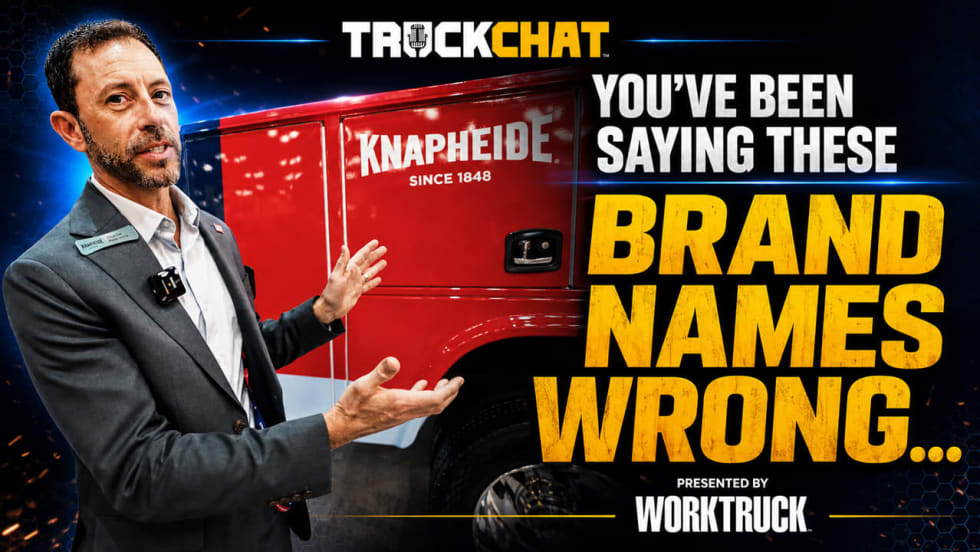
Are You Saying These Work Truck Company Names Correctly?
Think you know how to pronounce the biggest names in work trucks? We asked the companies themselves to settle it once and for all.
Read More →
Why Reactive Fleet Management Is Becoming Too Expensive to Sustain
Research highlights a growing need for proactive management strategies to address rising costs in fleet operations effectively.
Read More →
Is Your Fleet Structure Built to Scale?
As fleets grow across regions, structural inconsistencies can increase costs, limit visibility, and create operational risk. This guide helps fleet and business leaders evaluate whether their current operating model can support growth without sacrificing control or performance.
Read More →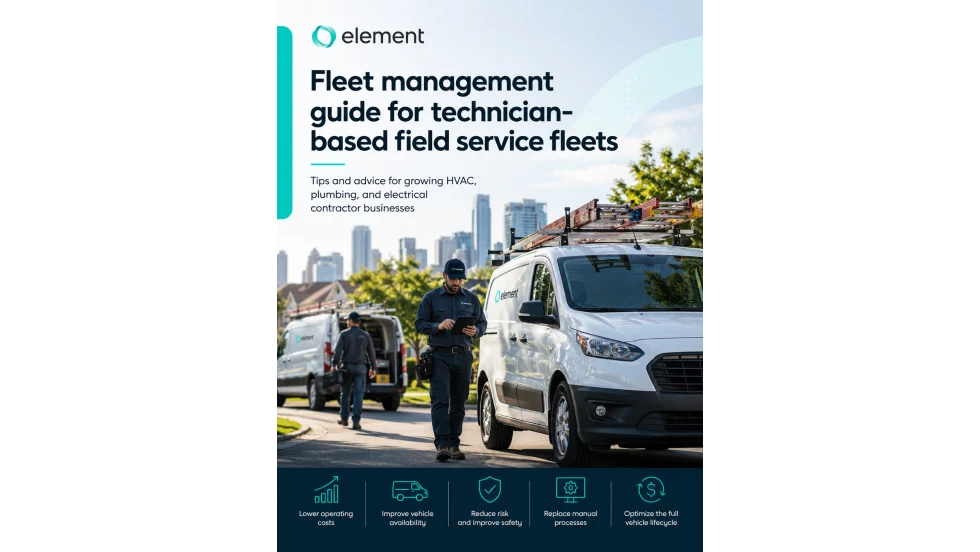
Fleet Management Guide for Growing Field Service Fleets
As HVAC, plumbing and contractor businesses grow, fleet complexity can begin to affect technician productivity, customer response times, operating costs, and revenue. This guide helps field service leaders build a more structured approach to managing vehicles, drivers, maintenance, safety, and lifecycle decisions.
Read More →