




Bi-Fuel WiNG System for Ford F-450 and F-550 Models Available for Order April 1
Westport Innovations Inc., a provider of natural gas engines, announced that its Westport WiNG Power System, a compressed natural gas (CNG) bi-fuel system, will be available for order on the Ford F-450 and F-550 Super Duty Chassis Cab trucks starting April 1, 2013.
Westport Innovations Inc., a provider of natural gas engines, announced that its Westport WiNG Power System, a compressed natural gas (CNG) bi-fuel system, will be available for order on the Ford F-450 and F-550 Super Duty Chassis Cab trucks starting April 1, 2013. The trucks will make their debut at next week's National Truck Equipment Association Work Truck Show in Indianapolis, Indiana.
Assembled alongside the Westport-powered Ford F-250 and F-350 trucks at the Westport Kentucky Integration Center (WKIC), a Ford Qualified Vehicle Modifier (QVM) audited facility, the new F-450 and F-550 trucks have undergone the same rigorous testing for safety and durability used by Ford for all its original equipment manufacturer (OEM) products, according to the company. With the WKIC located adjacent to Ford's Kentucky Truck Plant, the 2013 F-450 and F-550 trucks will use the same integrated transportation system as other Westport powered Ford products to reduce delivery costs to the customer.
Available exclusively for order at Westport authorized Ford dealerships, the Ford F-450 and F-550 Super Duty Chassis Cab trucks with the Westport WiNG Power System are delivered key-READY to customers and come with a warranty that matches the Ford warranty for all similar powertrain and emissions components.
"The expansion of our product line builds upon our proven technology of the Westport WiNG Power System and extends our product availability to a different end user," said John Lapetz, vice president Westport LD and managing director, North American Vehicle Programs. "With a higher degree of application flexibility and increased gross vehicle weight, the Ford F-450 and F-550 Super Duty trucks allow us to grow a solid footprint with customers who were not serviced with the Ford F-250 and F-350 CNG bi-fuel trucks."
According to the company, the new Ford F-450 and F-550 Super Duty trucks with the Westport WiNG Power System are an ideal application for fleets in natural resource industries, construction, delivery, public utilities as well as government and transit operators. The trucks offer fleets the opportunity to use a cleaner, domestic fuel that offers savings between 30 to 60 percent with payback demonstrated in as little as two years.
Starting at $9,500, the Westport WiNG Power System is integrated on the 6.8-liter V10 engine of the Ford F-450 and F-550 trucks and offers a combined fuel range of approximately 650 miles (at nine MPG) with maximum CNG capacity (42 gasoline gallon equivalent) and a standard 40-gallon gasoline tank capacity. For customers who want to eliminate the anxiety of operating on natural gas only, the Super Duty trucks with the Westport system will run on conventional gasoline once the CNG fuel is depleted.
More Green Fleet

Fleet Forward Conference Introduces One-Day Passes for 2026
New one-day registration gives fleet professionals the flexibility to attend Tuesday, Wednesday, or Thursday, with passes available for $199 through Sept. 18.
Read More →
CALSTART Rebrands as Catalyst Mobility, Will Combine with Forth in 2027
CALSTART has rebranded as Catalyst Mobility and will combine with Forth at the start of 2027. The new organization said it is poised to become one of the world's largest, strongest, and most impactful clean transportation nonprofits.
Read More →
Electric Truck and Charging Programs to Boost Sustainability at NY & NJ Ports
Together, the Port Authority of New York and New Jersey and CALSTART will electrify drayage and terminal operations serving the East Coast’s busiest container port. A pair of incentive programs totaling $45 million has launched to accelerate adoption of zero-emission drayage trucks and terminal tractors.
Read More →
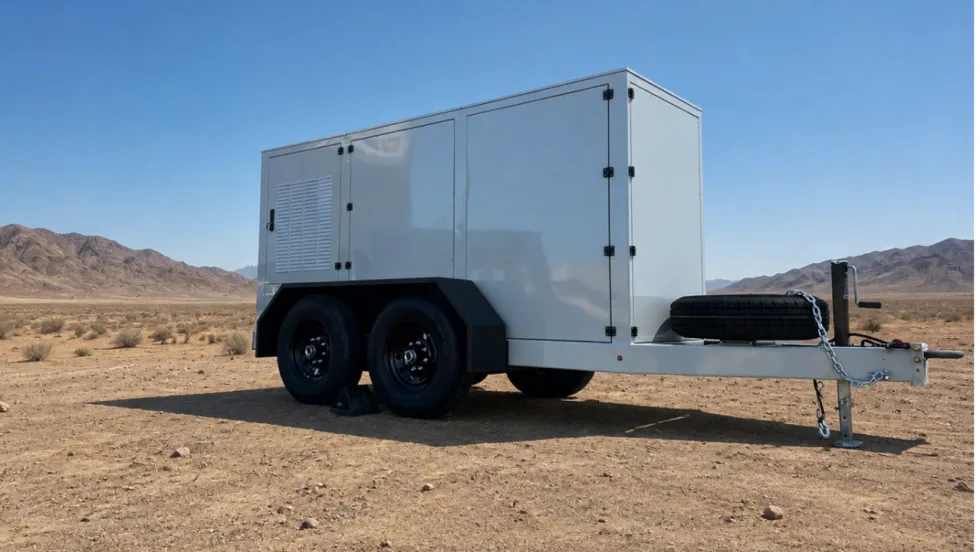
Xos Hub Surpasses One Gigawatt-Hour of Energy Delivered in the Field
A single Xos Hub has surpassed one gigawatt-hour of energy across more than 33,600 charging sessions in the field, demonstrating performance that supports Xos' expansion across new products and markets.
Read More →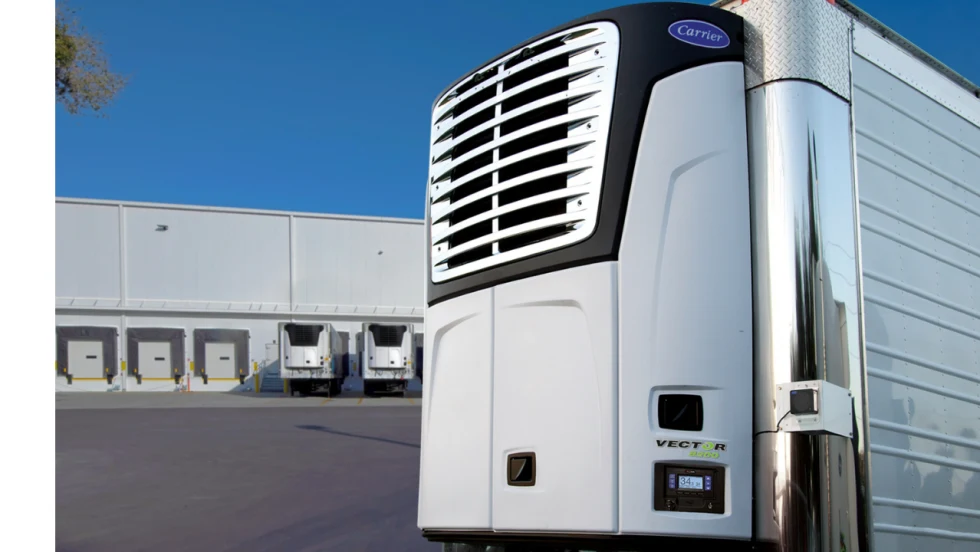
Carrier Transicold Launches All-Electric Vector 8200 TRU for Diesel-Free On-Site Cold Storage
Carrier Transicold’s first engineless multi-temperature TRU helps fresh- and frozen-food fleets add supplemental cold storage capacity during seasonal peaks.
Read More →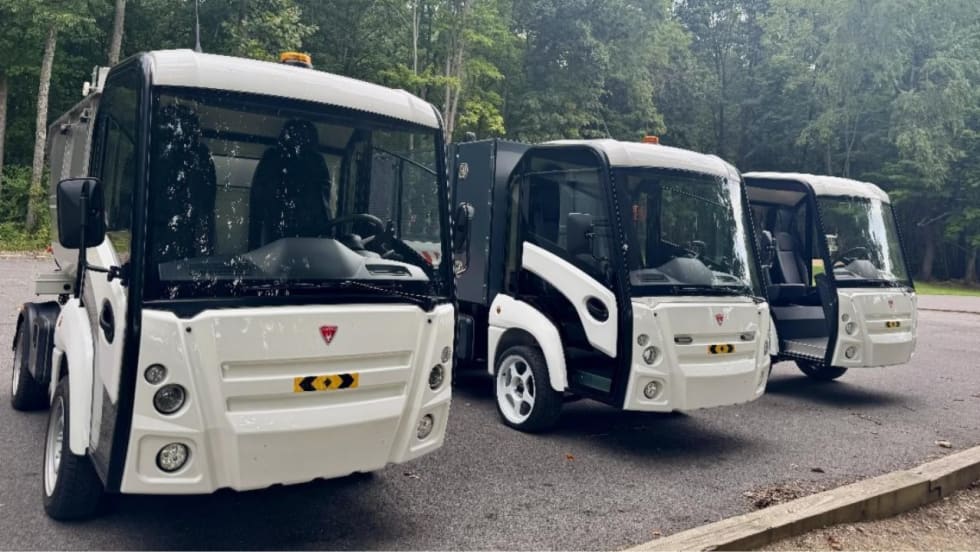
Narro Trucks Introduces Electric Utility Vehicle
Narro Trucks officially launched its operations on Aug. 20 and hosted a ride and drive to showcase its electric truck, which will be produced in Virginia.
Read More →
Samsung SDI Takes Full Control of GM Battery JV as Indiana Plant Pivots to Energy Storage
Samsung SDI is taking full control of its Indiana battery plant with GM, marking a major shift from the EV-focused joint venture Charged Fleet first covered in 2023.
Read More →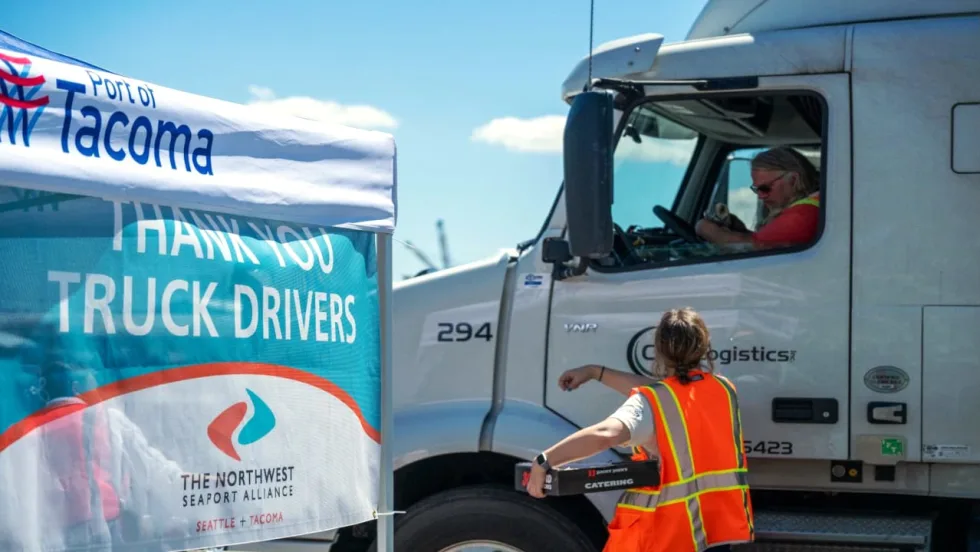
NWSA Taps CALSTART to Administer Zero-Emission Drayage Assistance Program
CALSTART will provide free technical assistance services to drayage fleets serving the Ports of Seattle and Tacoma and looking to transition to cleaner technologies and help decarbonize freight hubs.
Read More →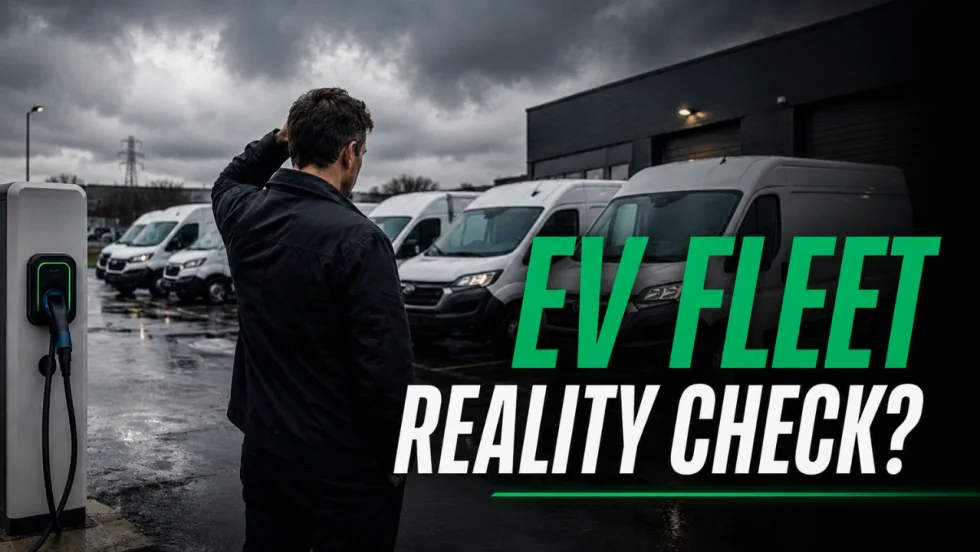
EV Fleet Reality Check: What Operators Wish They Knew Before Electrifying Their Work Vans
Electric work truck upfits bring new compatibility questions. Learn how parts availability, OEM guidance, power demands, and route planning can affect fleet performance.
Read More →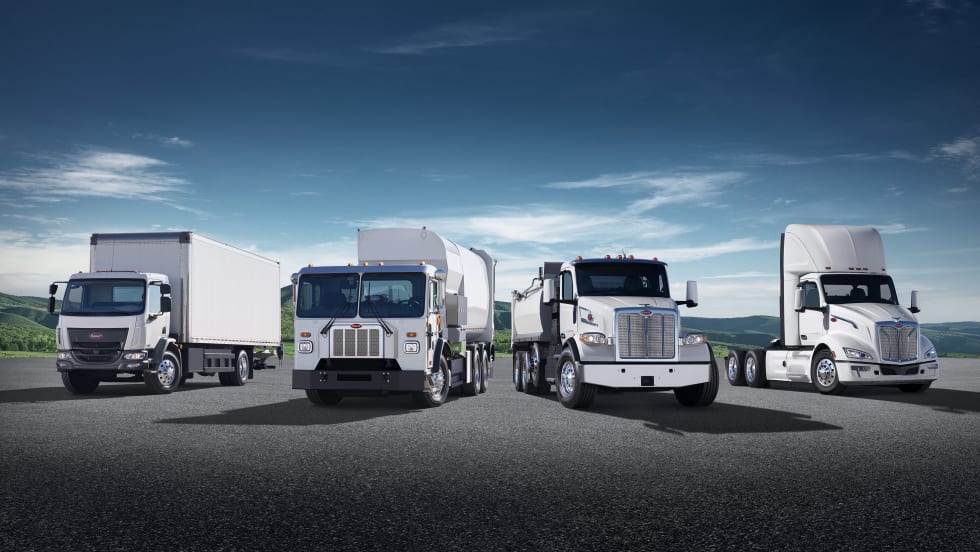
Peterbilt Expands Sourcewell Partnership with Electric Vehicle Lineup
Peterbilt Motors Company’s cooperative purchasing agreement with Sourcewell and its Canadian partner, Canoe Procurement Group, now includes including Peterbilt's battery-electric vehicle lineup.
Read More →