





Want More? Driving Autocar’s New Conventional Truck
Autocar Celebrates 'Made in the USA Day'
On Made in the USA Day, July 2, Autocar celebrated the fact the brand has been the Western Hemisphere’s oldest motor vehicle brand, first used on trucks in 1897.
July 5, 2022
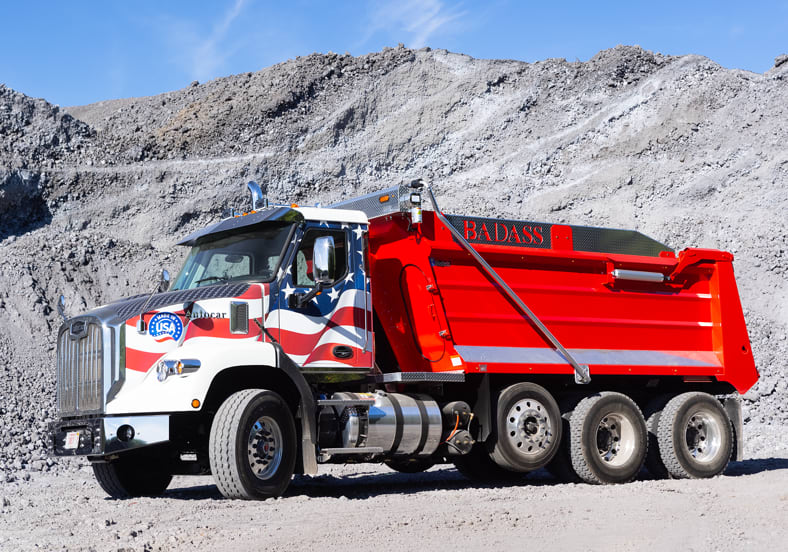
For almost 125 years, the Autocar brand has been an iconic part of American history, representing consistent innovation in the automotive and vocational truck market.
Photo: Autocar
2 min to read
On Made in the USA Day, July 2, Autocar celebrated the fact the brand has been the Western Hemisphere’s oldest motor vehicle brand, first used on trucks in 1897. What started in the heart of the country’s industrial revolution has long symbolized a patriotic and long-lasting example of American values and dedication.
Made in the USA Day took place on July 2 and encouraged Americans to shop locally and purchase from American-owned and operated companies. Started more than 30 years ago, the Made in the USA Foundation created the national holiday to celebrate products made entirely or a majority in the U.S.
“At Autocar we are committed to manufacturing purpose-built, quality trucks engineered and assembled in Indiana and Alabama. Today is an important day for us as it helps solidify our place in the vocational truck industry and the American infrastructure,” said Jim Johnston, president of Autocar. “We are proud that the Autocar brand played a longstanding role in American history, and we celebrate our commitment to our country and customers.”
For almost 125 years, the Autocar brand has been a part of American history, representing consistent innovation in the automotive and vocational truck market, according to the manufacturer. In 1899, America’s first commercial motor truck carried the brand. Today’s Autocar company fits the needs of each vocation served, from refuse to military support trucks. Today’s Autocar is the only 100% American-owned company assembling heavy duty vocational trucks.
Trucks carrying the Autocar brand hold a long list of firsts and innovations in the American automotive and vocational truck industry. In 1897, the “Autocar No. 1,” a one-cylinder gas engine tricycle, which now resides at the Smithsonian National Museum of American History, marked Autocar as the United States’ oldest and longest-lasting motor vehicle brand.
Autocar-brand trucks began fulfilling needs in the military support vehicle market and were used by the U.S. military throughout both World Wars, with over 37,000 trucks manufactured for military deliveries and support during the Second World War. In a letter to Autocar, President Dwight Eisenhower applauded the trucks use and quality in delivering goods to the military during the period in American history.
As Made in the USA Day reminds Americans to shop locally and look for American made products, it can also be a reminder for the vocational truck market to do the same. Autocar is known for its custom-engineered trucks assembled at its Birmingham, Alabama or Hagerstown, Indiana plant. The original equipment manufacturer (OEM) plays a critical role in supporting American infrastructure sectors by fulfilling the needs of severe-duty vocations like refuse collection, construction, and road maintenance.
More Operations
Family Ties Inside the Fleet Families Building Careers Across Generations
Three fleet families share what it really takes to work together, learn across generations, and keep business from following them home.
Read More →
Shades of Fleet Call for Voices: Fleet's Hidden Heroes
Fleet’s hidden heroes are often the ones keeping everything moving behind the scenes. September’s Shades of Fleet is looking for dispatchers, coordinators, parts specialists, and other support pros to share their stories.
Read More →
Truck Centers, Inc. Celebrates National Truck Driver Appreciation Week with $1,000 Fuel Card Giveaways
During National Truck Driver Appreciation Week, Truck Centers, Inc. is offering customers a chance to fuel up for free. Customers at all Truck Centers locations can enter to win one of four $1,000 fuel cards from Sept. 14 - 18.
Read More →
Fleet Guides, AI Time-Savers, Truck Tariffs & Fuel Strategy Lead the News
This week’s Truck Chat Cheat Sheet covers new fleet vehicle guides, practical AI use cases, U.S.-Canada truck production, mixed-energy strategy, and more.
Read More →
What Fleet Employers Are Missing When Hiring Veterans
What if some of the strongest candidates for fleet are already out there, but their experience is written in a language our industry does not always recognize?
Read More →
Automotive Fleet Opens 2026 Personal Use Survey for Commercial Fleet Managers
Less than two weeks left! Commercial and corporate fleet managers are invited to share how their organizations handle company vehicle personal-use policies, charges, and driver eligibility.
Read More →
What Resilient Fleets Do Differently When Conditions Change
Fleet resilience is about more than reacting to disruption. Lauren Fletcher talks with AP Fleet’s Alex Coveney about flexibility, planning, scaling, and what helps fleets adapt when business conditions shift.
Read More →
If We Want the Next Generation in Automotive, We Have to Give Them a Reason to Care
The automotive industry talks constantly about its workforce shortage. But before we can recruit the next generation, we may need to do a better job giving kids a reason to care about automotive in the first place.
Read More →
Ram ProMaster City Under $40K, Truck Tariffs, and AI Maintenance Lead the News
A sub-$40K commercial van, tariff questions, AI-powered maintenance, and a new EV production strategy headline this week’s Truck Chat Cheat Sheet.
Read More →
Bob Adamsky Shares the Fleet Lessons You Usually Learn the Hard Way
After more than 30 years in fleet, Arrow International’s Bob Adamsky has learned that the job is about far more than vehicles. He shares the lessons he wishes every fleet manager could learn a little earlier.
Read More →