




Audit Faults NHTSA for Takata Recall Oversight
An audit of the way the National Highway Traffic Safety Administration handled the recall of vehicles equipped with faulty, and in some cases deadly, Takata air-bag inflators cites the agency for delayed action and poor oversight, which may have left dangerous vehicles operating on U.S. highways longer than necessary.

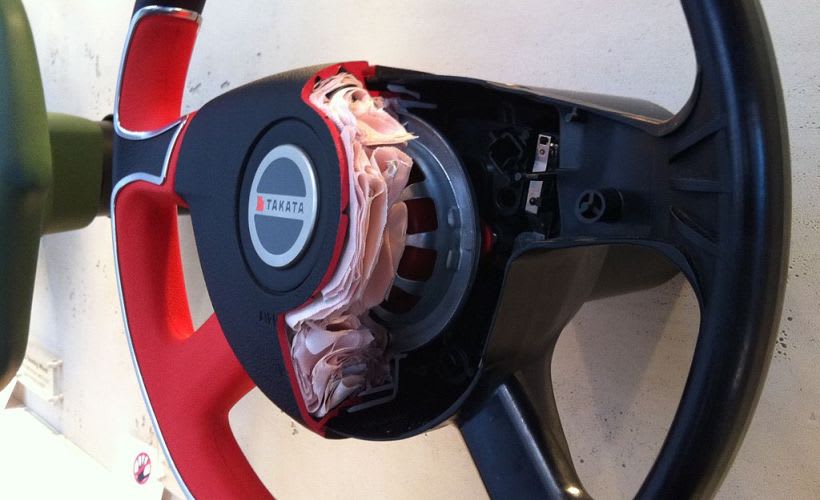
A federal audit has found that NHTSA mishandled the Takata air-bag recall with poor oversight and delays.
Photo via Alexauto321/Wikimedia.
An audit of the way the National Highway Traffic Safety Administration handled the recall of vehicles equipped with faulty, and in some cases deadly, Takata air-bag inflators cites the agency for delayed action and poor oversight, which may have left dangerous vehicles operating on U.S. highways longer than necessary.
The audit was released to Congress on July 18, reports ABC News.
It found that in the record-setting Takata air bag recalls NHTSA did not follow its own procedures to address low recall completion rates and its "delayed action to investigate" complaints may have slowed the expansion of the recalls, according to a Reuters report.
Specifically, the audit report which was prepared by the Department of Transportation Office of Inspector General, states that leadership within NHTSA who were responsible for monitoring defective vehicles and their recalls failed to hold employees accountable for sufficiently handling "the remedy or scope of the Takata recalls," reports ABC.
For example, the report noted that when consumers were slow to remedy their recall problem NHTSA had the chance to urge automakers to send a second recall notice, but NHTSA staff were not verifying completion rates.
Moreover, the agency was cited for additional manufacturer communication and follow up failures. An Inspector General analysis of 36 Takata recall reports found that in 40% of the initial reports manufacturers did not include the required information—but in most cases, NHTSA failed to notify the manufacturers of the incomplete information, reports ABC.
NHTSA did not immediately comment Wednesday, but said in a letter with the report that it did not agree with all of the findings, reports Reuters. The agency did agree fully to three of the six recommendations made by the report and partially agreed to others.
The Takata air bag recall is the largest and most complex vehicle recall in U.S. history, encompassing approximately 19 vehicle manufacturers, 37 million U.S. vehicles, and about 50 million airbags.
Late last week, Heidi King, deputy administrator at NHTSA, called on automakers to make public their specific plans for replacing defective Takata airbags.
Related: NHTSA Wants Automakers to Show Takata Repair Plans
Originally posted on Automotive Fleet
More Small Fleet

Developing Budget-Friendly Driver Safety Programs
From driver training and safety meetings to one-on-one coaching and incentive programs, several small fleets share how they have developed a safety culture with their drivers using low- to no-cost resources.
Read More →
Boosting Last-Mile Fleet Uptime, Safety, and Value with AI Vehicle Inspections
AI-powered inspections are transforming last-mile fleets by replacing manual checks with highly accurate automated scans that detect defects in seconds. By giving fleet operations visibility into the daily condition of their vehicles, you can identify trends over the vehicle’s lifecycle that enable improved procurement decisions, route management, driver training and accountability.
Read More →

Five Ways Seat Belts Help Prevent Injuries
There are five ways seat belts protect occupants from injuries, according to the Tennessee Department of Safety and Homeland Security.
Read More →
Basic Tracking vs Next Generation Fleet Technology
Fleet software is getting more sophisticated and effective than ever, tying big data models together to transform maintenance, safety, and the value of your existing tech stack. Fleet technology upgrades are undoubtedly an investment, but updated technology can offer a much higher return. Read how upgrading your fleet technology can increase the return on your investment.
Read More →
It’s here: The 2026 Fleet Technology Trends Report
What does AI mean for fleets? Get the answer — and learn other top tech trends.
Read More →
Small Fleets, Big Impact: How Independent Drivers Power Wreaths Across America
Check out how small fleets and independent drivers power Wreaths Across America each December and why their impact matters more than ever.
Read More →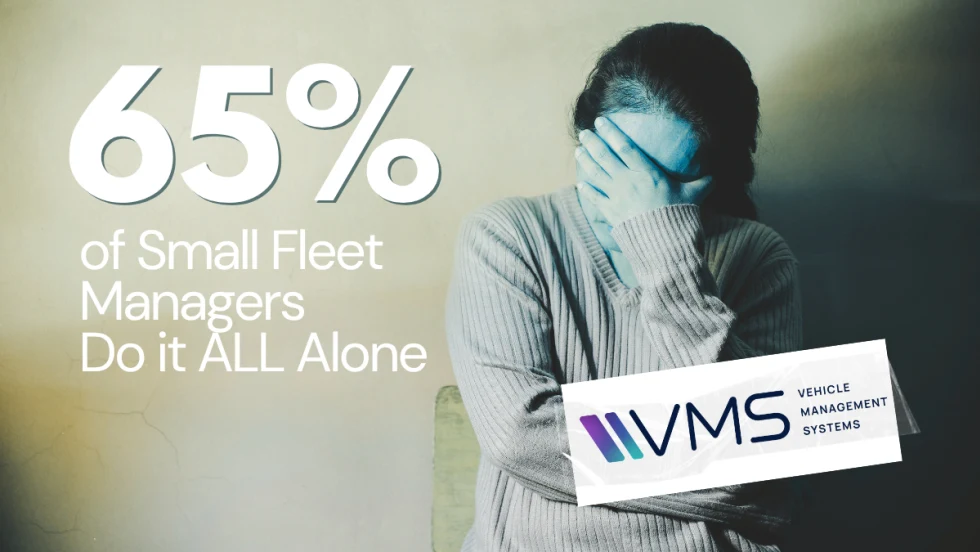
VMS Survey Finds 65% of Small Fleet Managers Run Operations Alone
A new VMS survey shows small fleet managers are stretched thin, with most handling operations solo and eager to adopt digital tools for relief.
Read More →
Tips for Driving Safely on Halloween Night
This video features a reminder from the Connecticut Department of Transportation (DOT) and the Connecticut Police Chiefs Association, urging drivers to prioritize safety this Halloween.
Read More →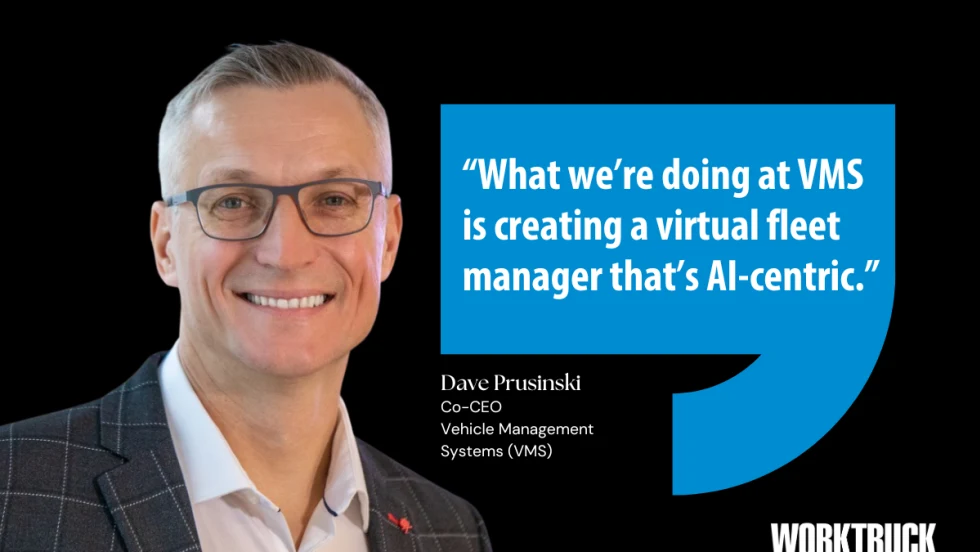
AI, Access, and Uptime: VMS’s Next Chapter with David Prusinski
VMS’s new Co-CEO, David Prusinski, shares how an AI-first approach will give small fleets and repair shops the tools to compete like big players.
Read More →