





Miss This? Rising Fuel & Insurance Costs Hit Work Truck Fleets
Analysis Shows How Emerging Fuels Power Commercial Truck Fleets
This analysis found 76% of the approximately 15 million Class 3-8 commercial trucks that make up the nation’s fleet run on diesel power.
July 15, 2022
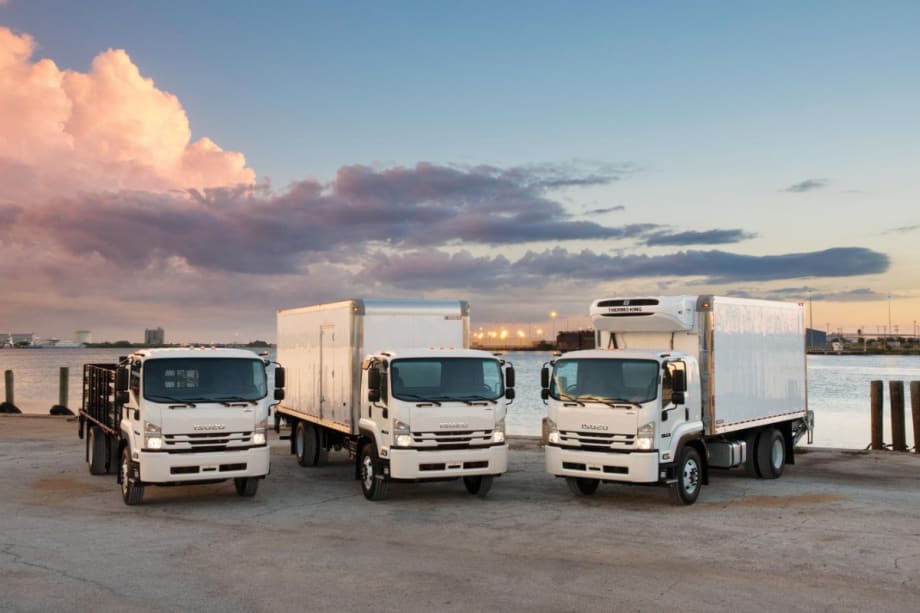
Diesel is the predominant technology in commercial trucking, school, and transit bus sectors, according to the Diesel Technology Forum’s analysis.
Photo: Isuzu
2 min to read
A new analysis from Diesel Technology Forum highlights the role of existing and emerging fuels and technologies in powering the nation’s commercial trucks.
“It’s a very dynamic time for fuels, technology and mobility and it is important to understand which technologies are powering these sectors today to better inform our understanding and in making decisions about the future,” said Allen Schaeffer, executive director of the Diesel Technology Forum.
Diesel is the predominant technology in commercial trucking, school, and transit bus sectors, according to the Diesel Technology Forum’s analysis of data sourced from S&P Global Mobility TIPNet data of vehicles in operation for Class 3-8 as of December 2021.
This analysis found 76% of the approximately 15 million commercial trucks (Class 3-8) that make up the nation’s fleet run on diesel power. Of those, the newest generation of advanced diesel technology models now account for 53% of that fleet.
Other fuels that play a role in commercial trucking include gasoline (23%) and compressed natural gas (0.4%). Electric and other categories each register less than 1%. Of the largest trucks (Class 8) in operation, 97% are diesels. About 32% of all electric trucks nationwide are in California, where for every electric truck there are about 300 diesel trucks (all years, Classes 3-8).
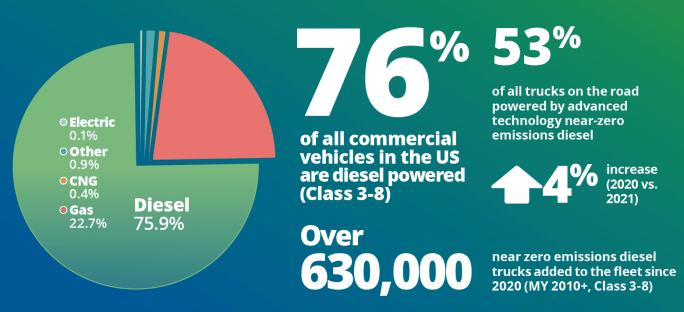
Diesel fuel still powers the large majority of Class 3-8 commercial trucks, with gasoline coming in at number 2 and natural gas a distant third.
Source: Diesel Technology Forum
Last year, Indiana had the largest amount of new generation diesel trucks registered (69.3%), followed by Utah (63.2%), Pennsylvania (62.8%), Texas (60.1%), Oklahoma (60.0%), Florida (59.1%), the District of Columbia (58.4%), Illinois (56.2%), Maryland (55.7%), and Wisconsin (55.5%).
For the largest commercial trucks (Class 8), 62.5% of diesels on the road are 2007 and newer which means they are equipped with at least a diesel particulate filter. For gasoline vehicles that make up about a quarter of all commercial trucks (Class 3-8), more than half (57.5%) of those in operation are 2007 and newer model years.
The significance of the model years (2007 and 2010 and later MY) relates to emissions standards and the introduction of new emissions controls such as particulate filters, oxidation catalysts, and selective catalytic reduction systems. This enables new diesel engines to achieve near-zero emissions with increasing fuel efficiency and lower carbon dioxide (CO2) emissions.
In previous research commissioned for DTF, AutoForecast Solutions found that increasing the number of advanced diesel technology trucks on the road will eliminate more than 1.3 billion metric tons of CO2 during this decade.
More Vehicle Research
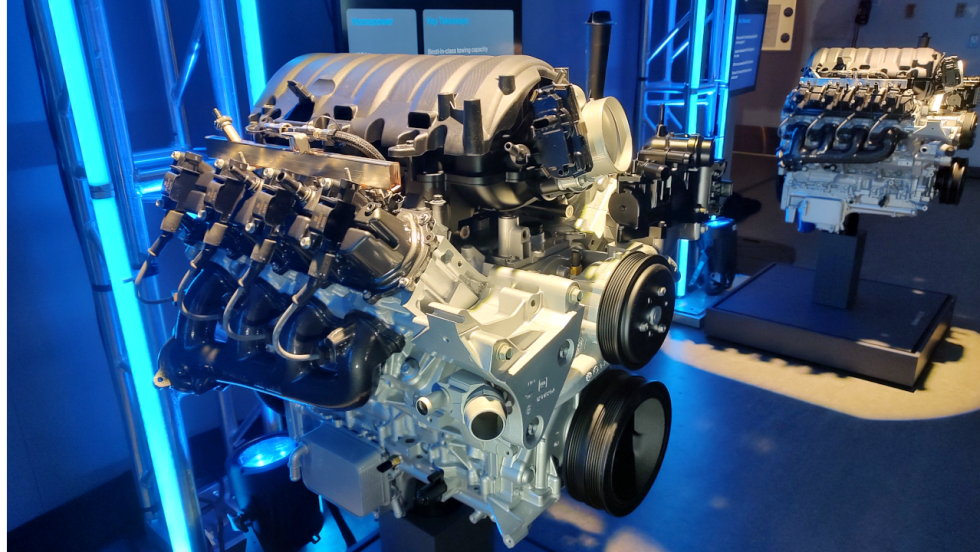
GM Unveils New Sixth-Generation Small Block Engines for 2027 Light-Duty Pickups
General Motors unveiled two new small-block engines, backed by extensive real-world validation and more than 70 years of small-block V8 manufacturing experience, as part of the engine portfolio for the 2027 Chevrolet Silverado 1500 and GMC Sierra 1500.
Read More →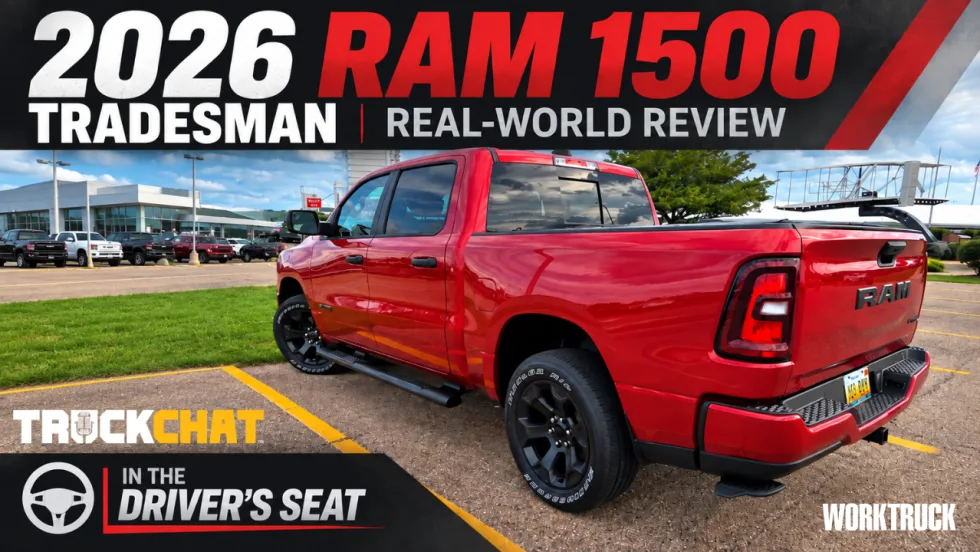
2026 Ram 1500 Tradesman Put to a Real-World Fleet Test
A few days behind the wheel of a 2026 Ram 1500 Tradesman turned into a test of visibility, parking, work-ready features, and even severe-weather driving.
Read More →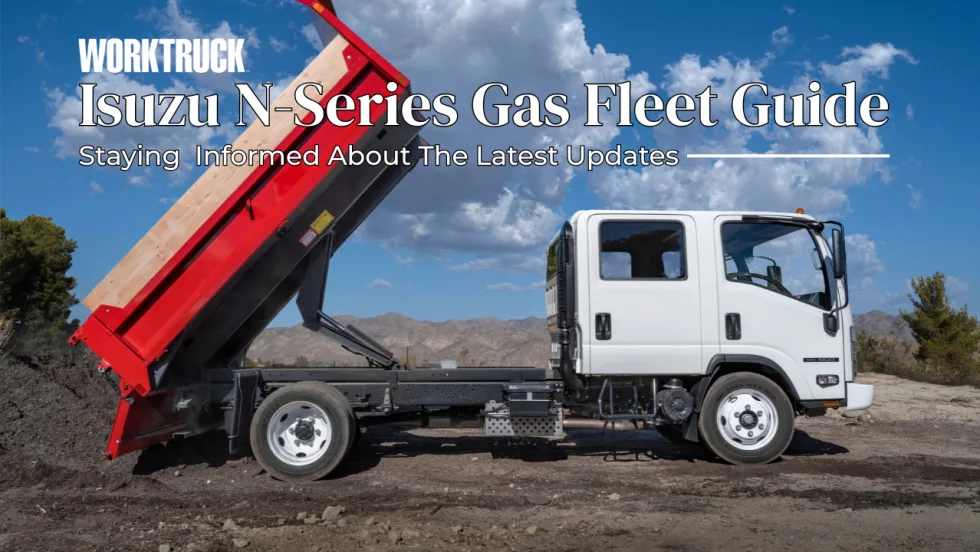
Isuzu N-Series Gas Fleet Guide: Specs, Capability and 2027 Model-Year Updates
Explore Isuzu Truck North America’s N-Series Gas fleet specs, engine performance, GVWR and payload capability, configurations, chassis dimensions, work-focused features, and 2027 model-year information.
Read More →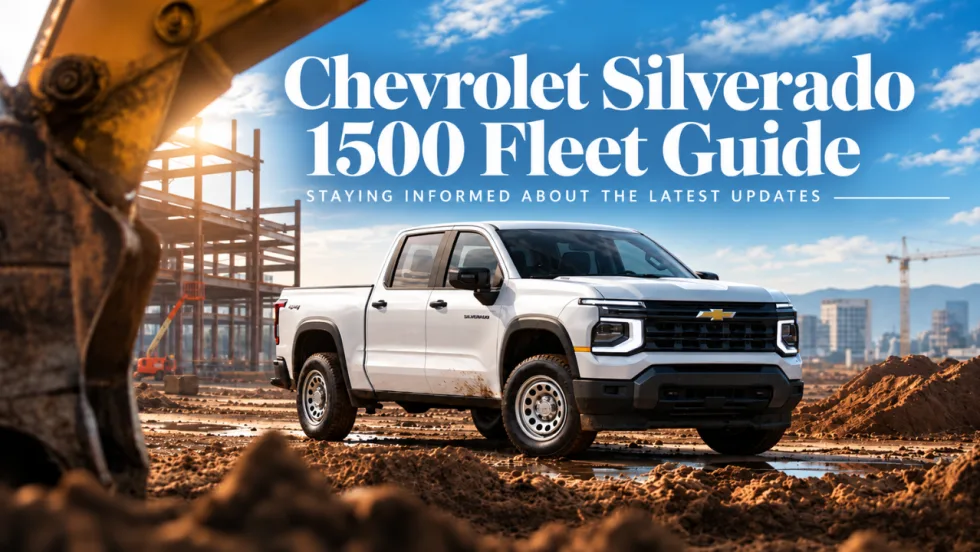
Chevrolet Silverado 1500 Fleet Guide Specs Capability and 2027 Model-Year Updates
The next-generation 2027 Chevrolet Silverado 1500 brings new V-8 engines, updated technology, expanded safety features, and a fleet-focused Work Truck. Here’s what commercial fleets need to know so far.
Read More →
Ram ProMaster City Fleet Guide Specs Cargo Capacity and 2027 Updates
Work Truck’s Ram ProMaster City Fleet Guide tracks the latest specifications, cargo capability, configurations, fleet technology, pricing, and model-year updates for Ram’s mid-size commercial van.
Read More →
Ford F-150 Fleet Guide Specs Capability and 2026 Model-Year Updates
Explore 2026 Ford F-150 fleet specs, engines, towing and payload capability, configurations, work features, technology, and model-year updates.
Read More →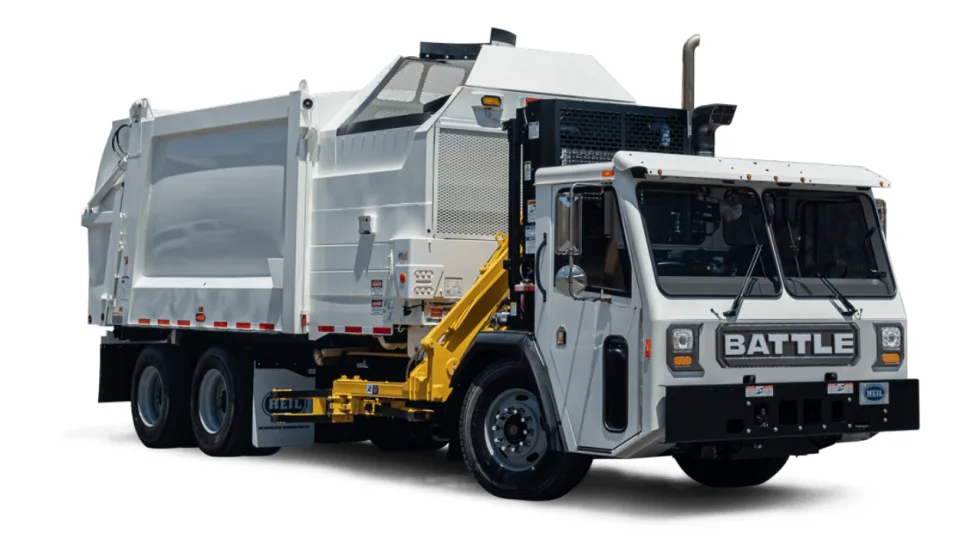
TCI Now Sells & Supports Battle Motors’ Vocational Trucks
Midwest truck dealer Truck Centers, Inc. (TCI) has expanded its transportation solutions with sales and service support for Battle Motors’ heavy-duty vocational trucks at locations in locations in Indiana, Illinois, and Missouri
Read More →
Ram 1500 Fleet Guide Specs, Capability and 2027 Model-Year Updates
Explore always up-to-date Ram 1500 fleet specs, engines, towing and payload capability, configurations, technology, pricing updates, and model-year changes.
Read More →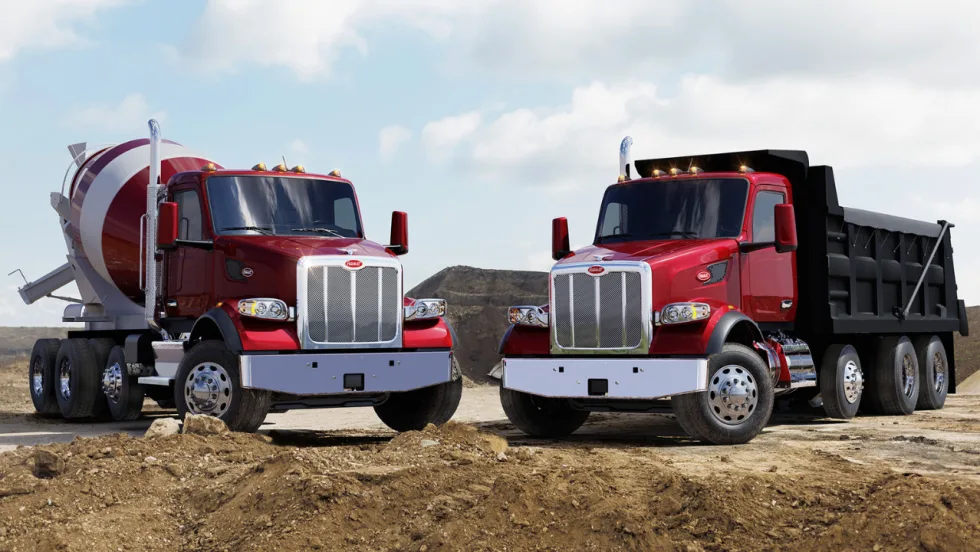
Peterbilt Trucks Equipped with Paccar TX-18 Pro Boost Efficiency for Maryland Fleet
Patuxent Companies is replacing aging trucks with the Peterbilt Model 567 and Model 589, specified with the Paccar TX-18 Pro 18-speed automated transmissions, and is reporting an 8% to 10% improvement in fuel economy.
Read More →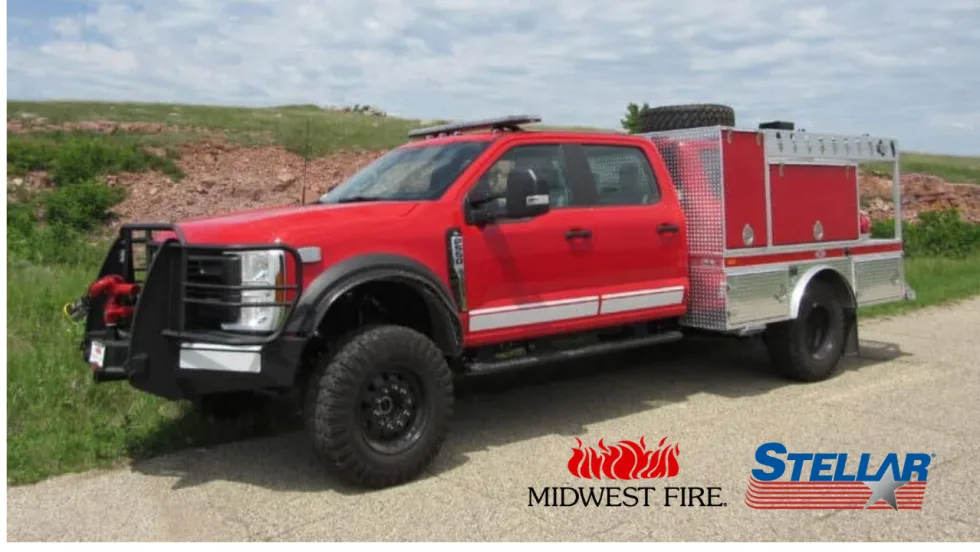
Stellar Expands into Fire Apparatus Market with Acquisition of Midwest Fire
Stellar Industries has acquired Midwest Fire, a custom fire apparatus manufacturer headquartered in Luverne, Minnesota, with nearly four decades of specialized apparatus experience.
Read More →