




2013 GMC and Chevrolet Bi-Fuel Pickups Unveiled
The bi-fuel commercial trucks can transition between CNG and gas fuel systems, making for a range of more than 650 miles. Both vehicles meet all Environmental Protection Agency and California Air Resources Board emission certification requirements.
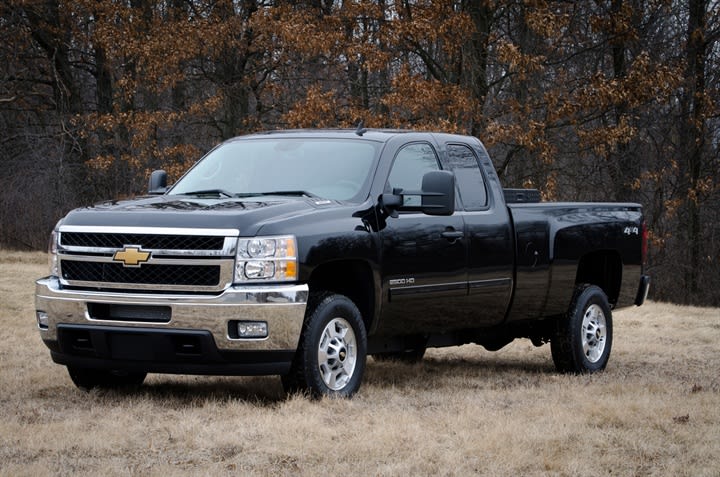
(Photo by James Fassinger for Chevrolet)
The 2013 bi-fuel Chevrolet Silverado includes a compressed natural gas (CNG) capable engine that transitions between CNG and gas fuel systems. The bi-fuel Silverado will be covered by General Motors' extensive warranty, and will meet all EPA and CARB emission certification requirements.
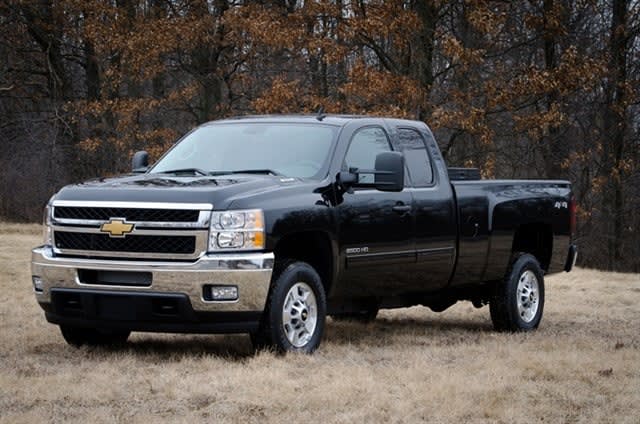
(Photo by James Fassinger for Chevrolet)
The 2013 bi-fuel Chevrolet Silverado includes a compressed natural gas (CNG) capable engine that transitions between CNG and gas fuel systems. The bi-fuel Silverado will be covered by General Motors' extensive warranty, and will meet all EPA and CARB emission certification requirements.
Chevrolet and GMC announced details March 5 of General Motors' bi-fuel 2013 Chevrolet Silverado and GMC Sierra 2500 HD extended cab pickup trucks. Fleet and retail consumers can place orders beginning in April.
The vehicles include a compressed natural gas (CNG) capable Vortec 6.0L V-8 engine that can transition between CNG and gas fuel systems. Combined, the trucks offer a range of more than 650 miles. The Silverado and Sierra will be available in standard and long box, with either two- or four-wheel drive.
"The bi-fuel Chevy Silverado and GMC Sierra provide customers with choices in advanced propulsion technology, and because CNG is a clean-burning, domestically produced fuel, it has wide appeal," said Ed Peper, general manager, GM Fleet and Commercial Operations.
GM is the only manufacturer to offer a single-source option for its gaseous fuel vehicles. The bi-fuel trucks are built with a specially designed engine, the fuel system is installed by GM's Tier One supplier, and the completed vehicle is delivered directly to the customer. This process makes ordering the bi-fuel option as seamless and efficient as a standard vehicle, according to the automaker.
"The bi-fuel truck provides businesses with added re-fueling flexibility and eases consumer range concerns that typically come with CNG, all while reducing emissions and controlling costs," said Joyce Mattman, director, GM Commercial Product and Specialty Vehicles.
The bi-fuel commercial trucks will be covered by GM's three-year, 36,000-mile new vehicle limited warranty and five-year, 100,000-mile limited powertrain warranty and vehicle emissions warranty, meeting all Environmental Protection Agency and California Air Resources Board emission certification requirements.
The trucks are built in Fort Wayne, Ind., and then sent to the Tier One supplier for installation of the CNG bi-fuel delivery and storage system. Additional information can be found online at gmfleet.com. Or, fleet-related questions can also be answered by joining the GM Fleet and Commercial Customer Service LinkedIn group.
More Small Fleet


Developing Budget-Friendly Driver Safety Programs
From driver training and safety meetings to one-on-one coaching and incentive programs, several small fleets share how they have developed a safety culture with their drivers using low- to no-cost resources.
Read More →
Boosting Last-Mile Fleet Uptime, Safety, and Value with AI Vehicle Inspections
AI-powered inspections are transforming last-mile fleets by replacing manual checks with highly accurate automated scans that detect defects in seconds. By giving fleet operations visibility into the daily condition of their vehicles, you can identify trends over the vehicle’s lifecycle that enable improved procurement decisions, route management, driver training and accountability.
Read More →
Five Ways Seat Belts Help Prevent Injuries
There are five ways seat belts protect occupants from injuries, according to the Tennessee Department of Safety and Homeland Security.
Read More →
It’s here: The 2026 Fleet Technology Trends Report
What does AI mean for fleets? Get the answer — and learn other top tech trends.
Read More →
Small Fleets, Big Impact: How Independent Drivers Power Wreaths Across America
Check out how small fleets and independent drivers power Wreaths Across America each December and why their impact matters more than ever.
Read More →
VMS Survey Finds 65% of Small Fleet Managers Run Operations Alone
A new VMS survey shows small fleet managers are stretched thin, with most handling operations solo and eager to adopt digital tools for relief.
Read More →
Tips for Driving Safely on Halloween Night
This video features a reminder from the Connecticut Department of Transportation (DOT) and the Connecticut Police Chiefs Association, urging drivers to prioritize safety this Halloween.
Read More →
AI, Access, and Uptime: VMS’s Next Chapter with David Prusinski
VMS’s new Co-CEO, David Prusinski, shares how an AI-first approach will give small fleets and repair shops the tools to compete like big players.
Read More →
Fleet Managers Share Winter Prep Tips: It's Never Too Early!
Three fleets share best practices to prep vehicles for winter and prevent downtime when the cold sets in.
Read More →