




Winery Runs Eco-Friendly Biodiesel Fleet
With favorable fuel prices compared to diesel and local availability, biodiesel is a smart way for Willamette Valley Vineyards to help the environment.

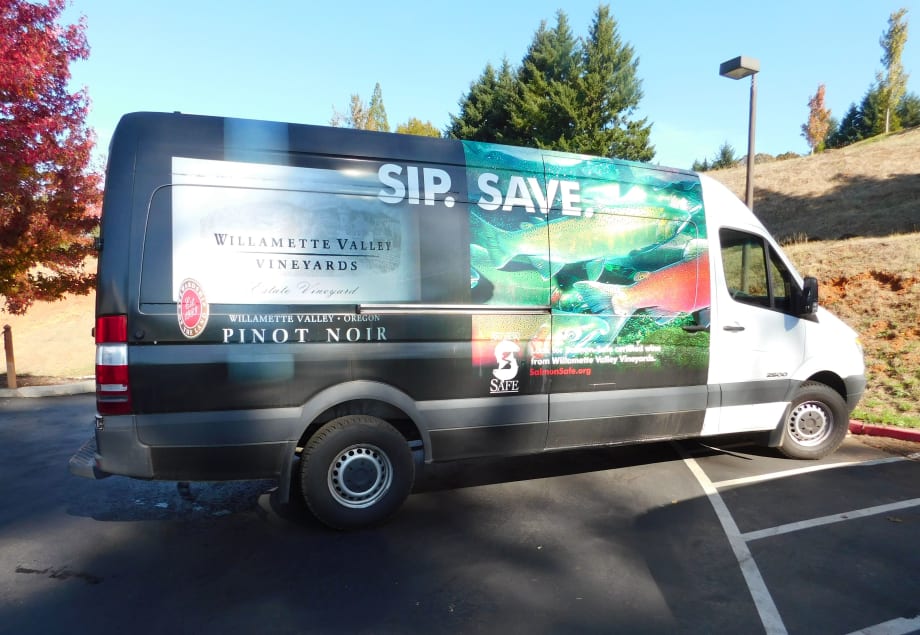
One of Willamette Valley Vineyards' Sprinters that runs on biodiesel fuel.
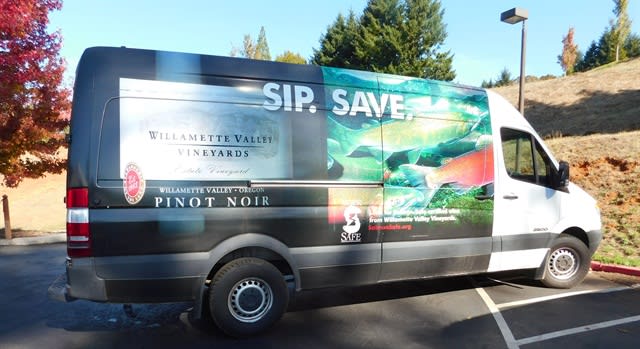
One of Willamette Valley Vineyards' Sprinters that runs on biodiesel fuel.
For Jim Bernau, it’s important for his business to be environmentally conscious. By operating a biodiesel fleet, his vehicles — and trackers — run on recycled cooking oil.
“It’s using a waste product again for a useful purpose,” says Bernau, owner of Willamette Valley Vineyards. “You are reducing your reliance on fossil fuel.”
Located in Oregon’s Willamette Valley, Bernau farms on 500 acres and has three winery locations. For 25 years, Bernau ran a wine distribution operation with a fleet of vans and trucks. After selling the distribution company a few years ago, his fleet of Sprinter vans has been reduced from eight to four. Currently, the biodiesel-running Sprinters haul wine between the company’s three different tasting rooms.
Bernau even encourages his employees to switch their personal vehicles to biodiesel. Every month, he offers each employee up to 50 gallons of biodiesel for their daily commute.
“My employees are essentially part of the marketing program promoting biodiesel,” says Bernau. “They have the materials about the benefits of biodiesel and put a sticker on the back of their cars.”
Biodiesel Benefits
Produced from renewable sources, biodiesel is a clean-burning alternative fuel that contains no petroleum. According to the National Biodiesel Board, it’s created through a refinery process called transesterification using a fat or oil.
Biodiesel is available in various percentage blends, from B10 (10% biodiesel and 90% diesel) to B20, B99 and B100 (100% biodiesel).
“Biodiesel is cleaner burning, cuts carbon significantly and is made in the U.S.,” says Jessica Robinson, director of communications at the National Biodiesel Board. “Fleets from coast to coast have turned to biodiesel as an affordable option to seamlessly convert a diesel fleet to a renewable, low carbon fuel.”
A benefit to biodiesel is the ability to switch fuels withou making any engine modifications. However, regular use is dependent on its availability in fleets' areas.
In 2004, Pacific Biodiesel opened a biodiesel production plant in Salem, only a few miles from Bernau’s vineyards. According to Bernau, the plant’s main source of biodiesel comes from the used cooking oil at Kettle Chips headquarters in Salem. Additionally, the biodiesel plant goes around to local restaurants to pick up used cooking oil.
“Our biodiesel is delivered by our local fuel distributor whenever we need it,” says Bernau.
Years ago when he didn’t have a local distributor, Bernau attempted to make his own biofuel in the barn, using cooking oil from the Kettle Chips plant. “It was messy and not very efficient.”
Favorable Fuel Prices
At SeQuential Biofuels station #1, a biofuel retail pump located near Bernau’s winery, biodiesel B99 currently costs $2.29 per gallon, biodiesel B20 costs $2.10 per gallon and regular diesel is priced at $2.19 per gallon. The price for biodiesel has dropped about 30 cents per gallon since October.
According to the U.S. Department of Energy's report on the average price of alternative fuels nationwide from Oct. 1, 2015 to Oct 15, 2015, biodiesel B20 was $2.42 per gallon, regular diesel was $2.33 per gallon and biodiesel B99-B100 was priced at $3.36 per gallon.
"The price of biodiesel varies depending on how fleets draft their RFPs and purchase the fuel," says Robinson. "Biodiesel is slightly more expensive than diesel to produce, but by the time it reaches the consumer, that cost difference is almost always offset by a $1 per gallon tax incentive and the price of a RIN credit (the renewable identification number used to track alternative fuel blended into the supply stream and required by the Renewable Fuel Standard)."

Willamette Valley Vineyards' estate vineyard.
More Small Fleet


Developing Budget-Friendly Driver Safety Programs
From driver training and safety meetings to one-on-one coaching and incentive programs, several small fleets share how they have developed a safety culture with their drivers using low- to no-cost resources.
Read More →
Boosting Last-Mile Fleet Uptime, Safety, and Value with AI Vehicle Inspections
AI-powered inspections are transforming last-mile fleets by replacing manual checks with highly accurate automated scans that detect defects in seconds. By giving fleet operations visibility into the daily condition of their vehicles, you can identify trends over the vehicle’s lifecycle that enable improved procurement decisions, route management, driver training and accountability.
Read More →
Five Ways Seat Belts Help Prevent Injuries
There are five ways seat belts protect occupants from injuries, according to the Tennessee Department of Safety and Homeland Security.
Read More →
It’s here: The 2026 Fleet Technology Trends Report
What does AI mean for fleets? Get the answer — and learn other top tech trends.
Read More →
Small Fleets, Big Impact: How Independent Drivers Power Wreaths Across America
Check out how small fleets and independent drivers power Wreaths Across America each December and why their impact matters more than ever.
Read More →
VMS Survey Finds 65% of Small Fleet Managers Run Operations Alone
A new VMS survey shows small fleet managers are stretched thin, with most handling operations solo and eager to adopt digital tools for relief.
Read More →
Tips for Driving Safely on Halloween Night
This video features a reminder from the Connecticut Department of Transportation (DOT) and the Connecticut Police Chiefs Association, urging drivers to prioritize safety this Halloween.
Read More →
AI, Access, and Uptime: VMS’s Next Chapter with David Prusinski
VMS’s new Co-CEO, David Prusinski, shares how an AI-first approach will give small fleets and repair shops the tools to compete like big players.
Read More →
Fleet Managers Share Winter Prep Tips: It's Never Too Early!
Three fleets share best practices to prep vehicles for winter and prevent downtime when the cold sets in.
Read More →