




Why Leveraging Warranty Claims is Worthwhile
Are you looking for ways to optimize your fleet operations and reduce costs? One often overlooked area, that holds significant cost savings potential, is warranties.

Whether you go with a standard warranty covering major components or an extended warranty offering prolonged protection, get to know the specifics of your assets' coverage.
Photo: Fleetio
Part of fleet optimization is knowing where and how to cut costs responsibly, and an often overlooked area that holds significant cost savings potential is warranties. A 2023 warranty report on the top three U.S. manufacturers showed that they held nearly $26 billion in warranty reserves at year-end after paying out roughly $10 billion in claims. Even accounting for adjustments, this discrepancy may indicate that many claims aren't being submitted.
Unfortunately, submitting warranty claims can be time-consuming, and if an asset is required to go back to the dealer for repair, it can be frustrating to coordinate everything. On top of that, a lack of tracking for warranty claims can make it hard for fleets to surface the value of leveraging warranties and the costs associated with overlooking them.
Fleets can use digital solutions, like fleet management software (FMS), to automate warranty management, set active warranty policy alerts within work orders, and quickly view warranty credits.
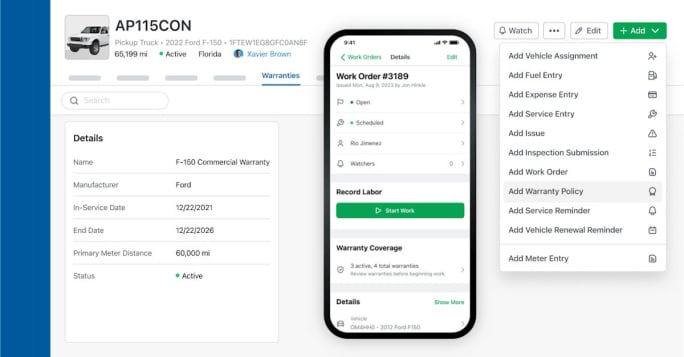
Poor maintenance, lack of service records, and vehicle misuse are reasons for warranty claim denials and voided warranties.
Photo: Fleetio
Not all Coverage is Created Equal
While warranty claims may make up a relatively small percentage of service spend, they can translate into significant savings for fleets. To fully grasp the importance — and benefits — of warranties, it's vital to know what warranty coverage makes the most sense for your assets. Manufacturers, extended powertrain, and bumper-to-bumper warranties are among the most common variants, offering distinct coverage terms, components, and conditions.
Whether you go with a standard warranty covering major components or an extended warranty offering prolonged protection, get to know the specifics of your assets' coverage. When assessing warranty coverage needs, consider the following:
What conditions is the fleet operating under? Harsh climates and rough terrain can negatively impact components and cause premature issues.
What will the asset's usage rate be like? Higher mileage vehicles may benefit from an extended warranty rather than a manufacturer's.
What will the workload for this asset be? Such actions as frequently hauling heavy loads can significantly stress vehicle components, making bumper-to-bumper a good warranty option.
Vehicle and even replacement parts warranties all provide cost-saving benefits, but they also all typically come with specific requirements that must be met for a claim to be approved. Poor maintenance, lack of service records, and vehicle misuse are reasons for warranty claim denials and voided warranties. Following manufacturer-recommended service intervals can ensure you stay within warranty parameters.

Fleets can use digital solutions, like fleet management software (FMS), to automate warranty management, set active warranty policy alerts within work orders, and quickly view warranty credits.
Photo: Fleetio
Tackling Warranty Management Challenges
Once you've picked a warranty option, the fun part begins: warranty management. Unfortunately, many fleets struggle with warrantied services due largely to the lack of visibility around covered components and coordination issues with approved warranty repair shops. To address these challenges, fleets are moving from manually tracking warranties to digital fleet solutions, streamlining the claims process and saving time and money.
Fleets can use warranty management in FMS to track and monitor claims and coverage. Once warranty details are entered into the software, it identifies covered services and alerts stakeholders to warranty-related opportunities. The software will even tag active warranty policies in work orders so the technician working with the vehicle knows to contact the dealership or manufacturer to coordinate service. And because FMS automatically tracks comprehensive vehicle service data, fleets can easily send documents to the appropriate party for quick claims processing.
FMS enables fleets to capitalize on covered components with features like automated warranty tracking, data consolidation, comprehensive service histories, and real-time communication with repair shops. The latter provides smoother coordination around warrantied services, though fleets can further improve collaboration by establishing ongoing relationships with trusted shops.
A fleet solution with robust warranty tracking features can help fleets maximize coverage benefits, including recording credits received from manufacturers and suppliers for covered parts and labor so you can easily track your savings and see how worthwhile warranty management can be. Plus, all that accumulated data provides valuable insights into warranty claims histories and trends, enabling fleets to identify areas for improvement and optimize warranty utilization.
About the Author: Rachael Plant is a senior content marketing specialist for Fleetio, a fleet management software company that helps organizations track, analyze, and improve their fleet operations. This article was authored and edited according to WT editorial standards and style. Opinions expressed may not reflect that of WT.
More Operations
Family Ties Inside the Fleet Families Building Careers Across Generations
Three fleet families share what it really takes to work together, learn across generations, and keep business from following them home.
Read More →
Shades of Fleet Call for Voices: Fleet's Hidden Heroes
Fleet’s hidden heroes are often the ones keeping everything moving behind the scenes. September’s Shades of Fleet is looking for dispatchers, coordinators, parts specialists, and other support pros to share their stories.
Read More →
Truck Centers, Inc. Celebrates National Truck Driver Appreciation Week with $1,000 Fuel Card Giveaways
During National Truck Driver Appreciation Week, Truck Centers, Inc. is offering customers a chance to fuel up for free. Customers at all Truck Centers locations can enter to win one of four $1,000 fuel cards from Sept. 14 - 18.
Read More →
Fleet Guides, AI Time-Savers, Truck Tariffs & Fuel Strategy Lead the News
This week’s Truck Chat Cheat Sheet covers new fleet vehicle guides, practical AI use cases, U.S.-Canada truck production, mixed-energy strategy, and more.
Read More →
What Fleet Employers Are Missing When Hiring Veterans
What if some of the strongest candidates for fleet are already out there, but their experience is written in a language our industry does not always recognize?
Read More →
Automotive Fleet Opens 2026 Personal Use Survey for Commercial Fleet Managers
Less than two weeks left! Commercial and corporate fleet managers are invited to share how their organizations handle company vehicle personal-use policies, charges, and driver eligibility.
Read More →
What Resilient Fleets Do Differently When Conditions Change
Fleet resilience is about more than reacting to disruption. Lauren Fletcher talks with AP Fleet’s Alex Coveney about flexibility, planning, scaling, and what helps fleets adapt when business conditions shift.
Read More →
If We Want the Next Generation in Automotive, We Have to Give Them a Reason to Care
The automotive industry talks constantly about its workforce shortage. But before we can recruit the next generation, we may need to do a better job giving kids a reason to care about automotive in the first place.
Read More →
Ram ProMaster City Under $40K, Truck Tariffs, and AI Maintenance Lead the News
A sub-$40K commercial van, tariff questions, AI-powered maintenance, and a new EV production strategy headline this week’s Truck Chat Cheat Sheet.
Read More →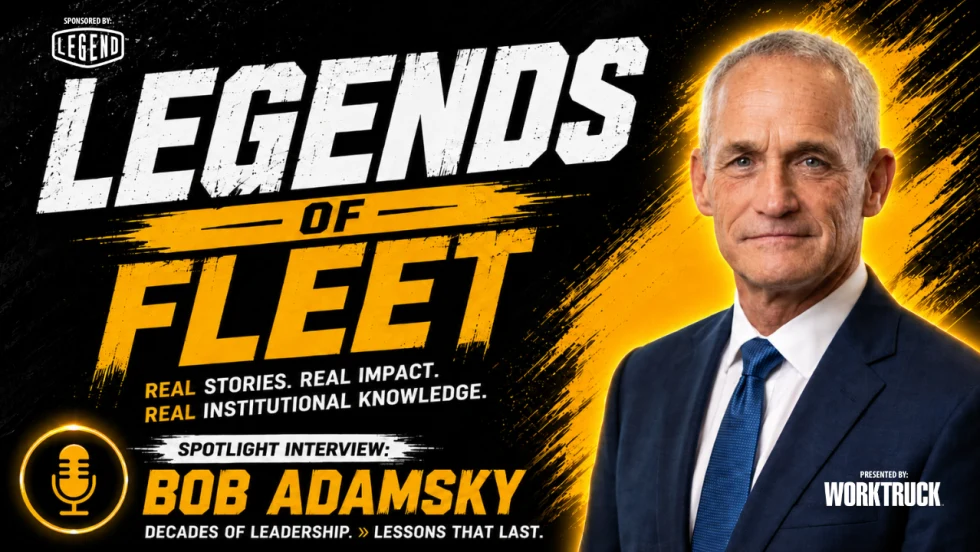
Bob Adamsky Shares the Fleet Lessons You Usually Learn the Hard Way
After more than 30 years in fleet, Arrow International’s Bob Adamsky has learned that the job is about far more than vehicles. He shares the lessons he wishes every fleet manager could learn a little earlier.
Read More →