




Why Compact Trucks are Popular in Commercial Fleets
Smaller, compact trucks are becoming a trend in work truck purchasing as OEMs have increased their dimensions and improved towing and handling capacity.

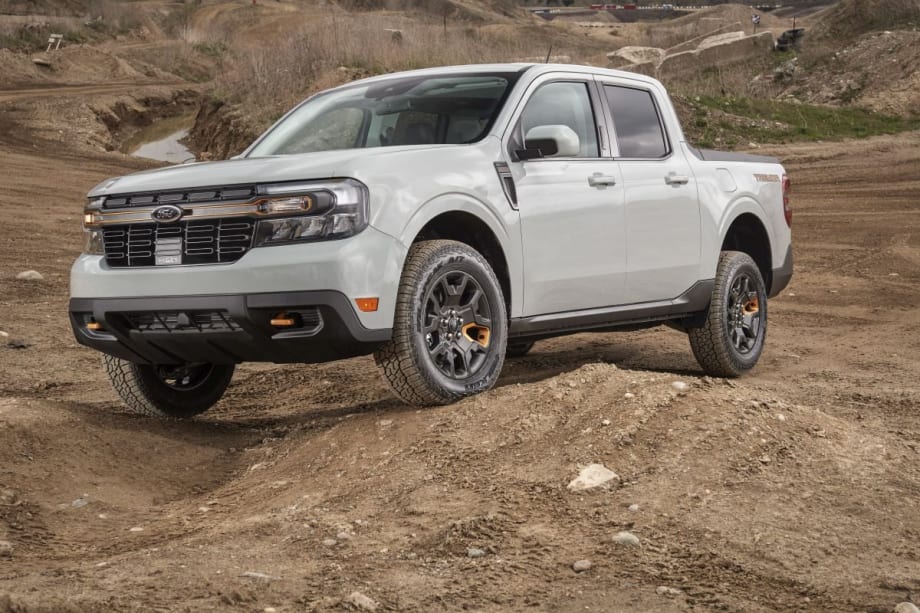
Ford added the off-road capable Ford Maverick Tremor to it's lineup for the 2023 model-year.
Photo: Ford
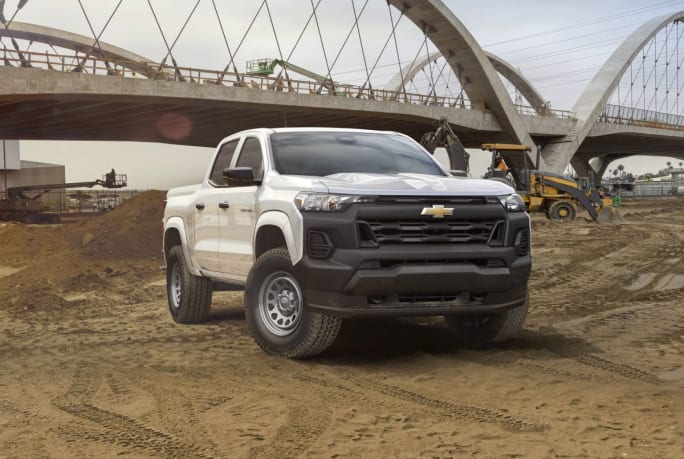
The 2023 Colorado lineup includes Work Truck (WT), LT, Z71, ZR2 and first-ever Trail Boss models.
Photo: Chevrolet
As work truck fleets continue to face pricing spikes in light-duty trucks, there is an increasing demand for smaller compact trucks like the Nissan Frontier, Toyota Tacoma, Chevrolet Colorado, Ford Ranger, and Ford Maverick.
According to Jeff Krogen, vice president of Fleet Strategy for Enterprise Fleet Management, these mid-sized and compact truck models have a lower total cost of ownership, greater availability of four- and six-cylinder options versus V-8s, and fewer ordering restrictions from larger OEMs.
Despite recent price increases on compact and full-size models, small pickup trucks remain priced well under their full-size counterparts. What other trends should commercial fleet managers be aware of with compact trucks?
“There are some great benefits to mid-sized and compact truck models, including a lower total cost of ownership (TCO), greater engine availability, and fewer ordering restrictions by some of the larger OEMs,” Krogen explained.
Fueling some of the ordering restrictions is prioritizing margins by OEMs for light-duty trucks.
“A decrease in production volume for the last few model years has led to more highly contented light-duty trucks (great for general consumer demand), but less applicable for fleet needs as the trim levels of these trucks are higher priced and often exceed the needs of a work truck’s commercial application,” Krogen said.
Factors Driving Increased Compact Truck Interest
Fleets will see cost savings on compact trucks due to lower acquisition costs than that of a traditional light-duty work truck.
“In recent months, the availability of these small trucks has proven to be more available and quicker to produce,” Krogen said.
Another factor Krogen noted is fueling current demand is buyers looking for alternatives to the mini cargo class, which are no longer available.
“Many truck caps and tonneau options which can expand the utility of delivery and services, including unique toolbox configurations with shelving, sliding trays, storage bins, and more are worth considering,” he said.
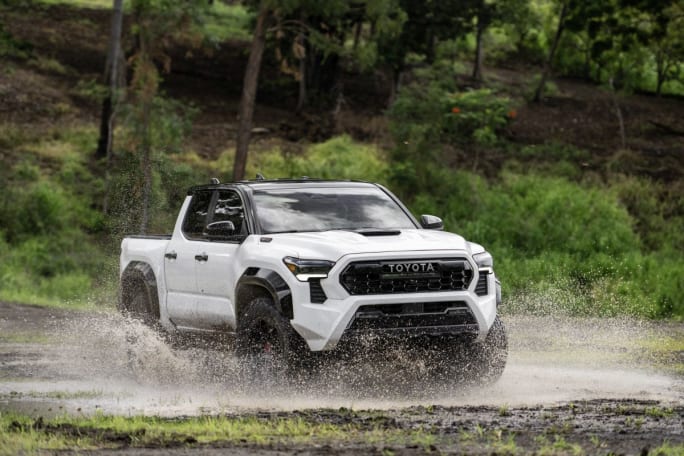
The 2024 Toyota Tacoma features a standard i-FORCE turbocharged 2.4L four-cylinder engine that produces up to 278 horsepower, 317 lb.-ft. of torque.
Photo: Toyota
Ordering Restrictions Impact Truck Availability
Some manufacturers have recently implemented controlled order allocation processes for commercial and government orders. This trend is significantly impacting both large and smaller fleet customers.
“While the ordering restrictions can often provide an advantage for larger fleet customers, with a better chance of receiving their vehicles, the smaller fleets are often overlooked. As a result, this is forcing smaller fleets to get creative and look at alternative acquisition strategies, including supplementing compact for light-duty trucks, creative spec’ing of aftermarket equipment, and looking at dealer stock or gently used trucks,” Krogen said.
We also can’t forget that OEMs face ongoing supply chain challenges.
“Limited parts and chip availability greatly impact the truck models and trims that an OEM can produce at a given time. Post-production options such as running boards and spray-in bed liners are still experiencing some supplier challenges and delays,” Krogen said.
Compact Truck Pricing & Ownership Trends
Over the past two model years, Enterprise Fleet Management has seen price increases on compact and full-size models.
“While full-size trucks have seen an approximate increase of 11%, compacts have averaged less at a 7% increase,” Krogen said. “Along with the lower price increases for compact pickups, they also remain priced well under their full-size counterparts at approximately 30% less on similarly equipped models.”
As noted, TCO is key for any vehicle purchase.
“With the average base price of a compact pickup truck costing well under $10,000 less than a larger model, and overall depreciation well below full-sized trucks, the TCO is favorable,” he said.
In addition, in our current economic environment with fluctuating fuel costs, compact trucks with lower-powered require less fuel than larger full-sized trucks.
“In some cases, full-sized variants return better fuel economy, so engine choice must be evaluated between models,” Krogen said.
But, as important as cost-savings are, there is more to fleet vehicle selection than the price tag.
“Despite the cost savings that compact trucks may offer to full-sized models, the most important factor when selecting a truck is choosing the right truck for the job at hand,” Krogen said. “Be realistic. If there is a chance the compact truck could succumb to overweighting based on the job that it is performing, then this is not the choice, despite the initial cost savings that it may provide upfront.”
Overweighting can lead to premature aging of a truck with safety and maintenance concerns that can include break and transmission failure, and premature tire wear, among other concerns.
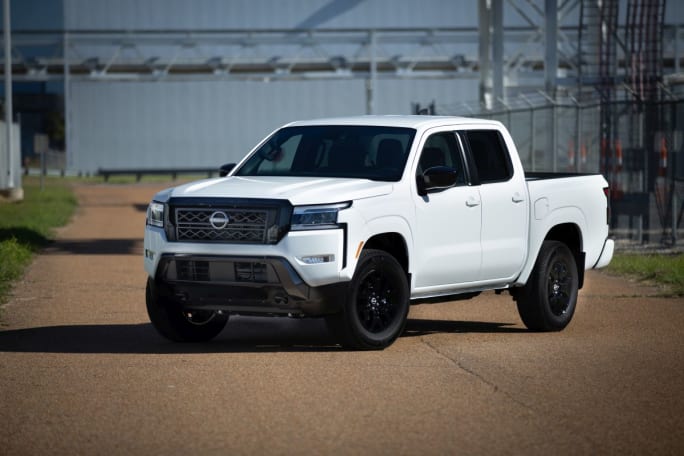
Standard on all 2023 Frontier grades is a 310-horsepower, 3.8L direct-injection V6 engine, paired with a 9-speed automatic transmission.
Photo: Nissan
Driving the Compact Truck Trend
Today’s smaller, compact trucks are much different than 20 years ago. Among the updates OEMs have made include increased dimensions and improved towing and handling capacity.
“These smaller pickup trucks are great options for fleet customers that do not need a larger truck's extra power and payload capabilities. Save the larger towing capacity trucks for hauling and towing. These smaller trucks are less expensive and can still achieve many job functions needed,” Krogen said.
Enterprise Fleet Management is seeing an improvement in ½-ton pickup truck availability on dealer lots. But Krogen cautioned that trucks with lower-trim packages (ideal for job sites) remain in short supply and difficult to find.
“We hope to see availability improve in model years 2024 and 2025,” Krogen concluded.
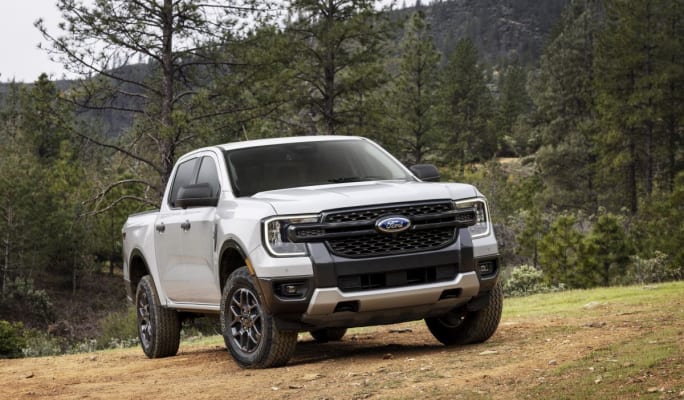
The 2024 Ford Ranger features a standard 2.3L EcoBoost engine and available 2.7L EcoBoost V-6.
Photo: Ford
More Vehicle Research
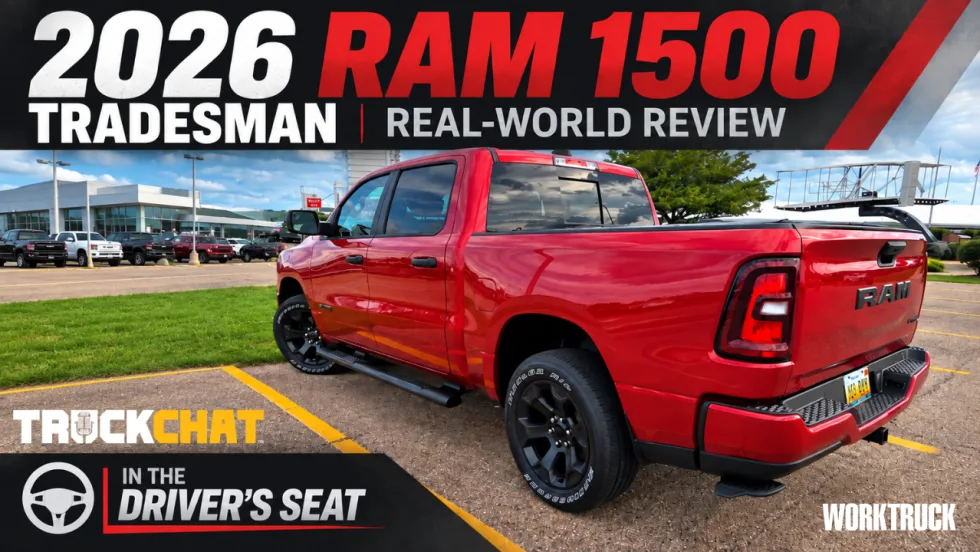
2026 Ram 1500 Tradesman Put to a Real-World Fleet Test
A few days behind the wheel of a 2026 Ram 1500 Tradesman turned into a test of visibility, parking, work-ready features, and even severe-weather driving.
Read More →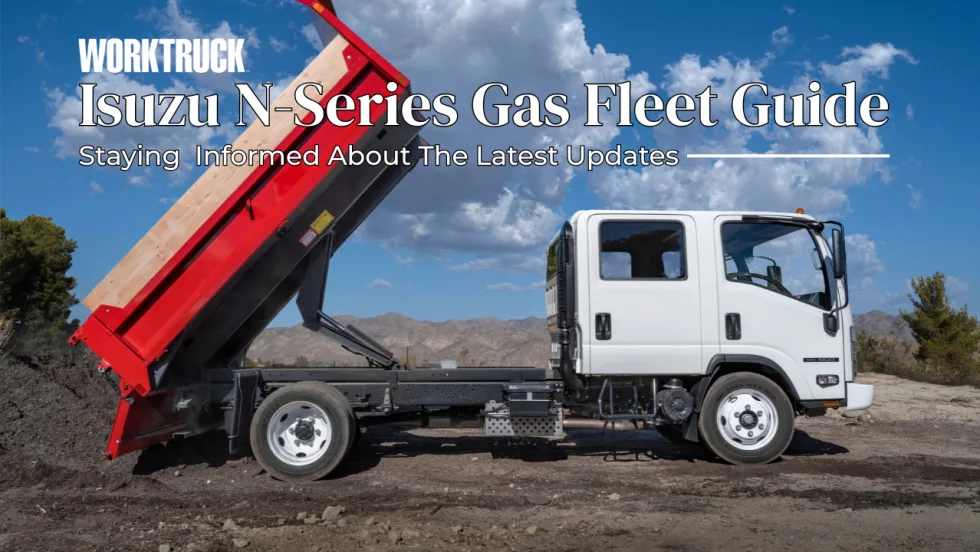
Isuzu N-Series Gas Fleet Guide: Specs, Capability and 2027 Model-Year Updates
Explore Isuzu Truck North America’s N-Series Gas fleet specs, engine performance, GVWR and payload capability, configurations, chassis dimensions, work-focused features, and 2027 model-year information.
Read More →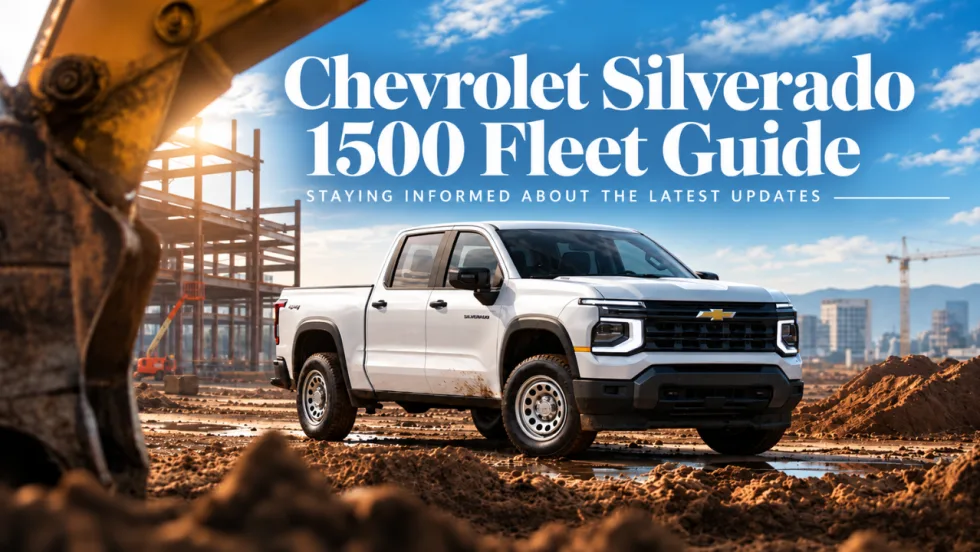
Chevrolet Silverado 1500 Fleet Guide Specs Capability and 2027 Model-Year Updates
The next-generation 2027 Chevrolet Silverado 1500 brings new V-8 engines, updated technology, expanded safety features, and a fleet-focused Work Truck. Here’s what commercial fleets need to know so far.
Read More →
Ram ProMaster City Fleet Guide Specs Cargo Capacity and 2027 Updates
Work Truck’s Ram ProMaster City Fleet Guide tracks the latest specifications, cargo capability, configurations, fleet technology, pricing, and model-year updates for Ram’s mid-size commercial van.
Read More →
Ford F-150 Fleet Guide Specs Capability and 2026 Model-Year Updates
Explore 2026 Ford F-150 fleet specs, engines, towing and payload capability, configurations, work features, technology, and model-year updates.
Read More →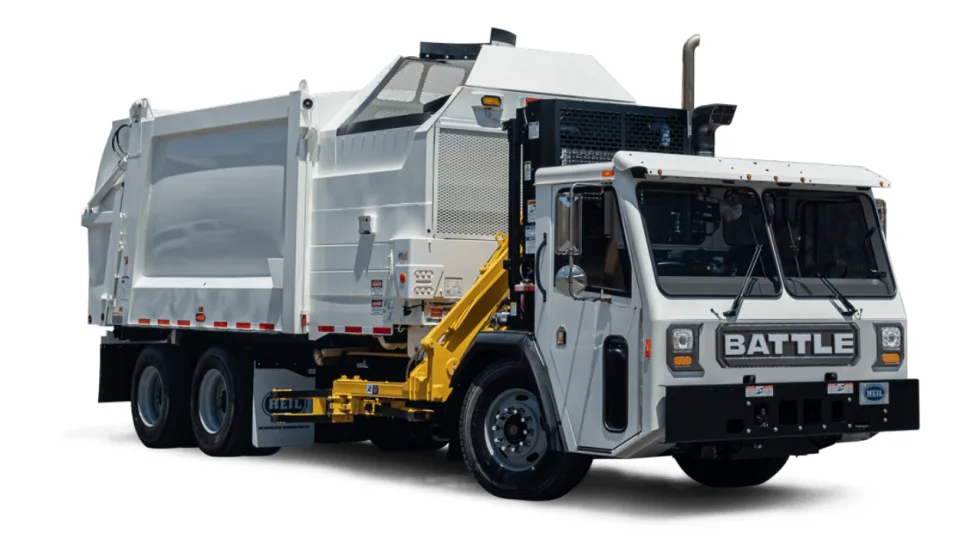
TCI Now Sells & Supports Battle Motors’ Vocational Trucks
Midwest truck dealer Truck Centers, Inc. (TCI) has expanded its transportation solutions with sales and service support for Battle Motors’ heavy-duty vocational trucks at locations in locations in Indiana, Illinois, and Missouri
Read More →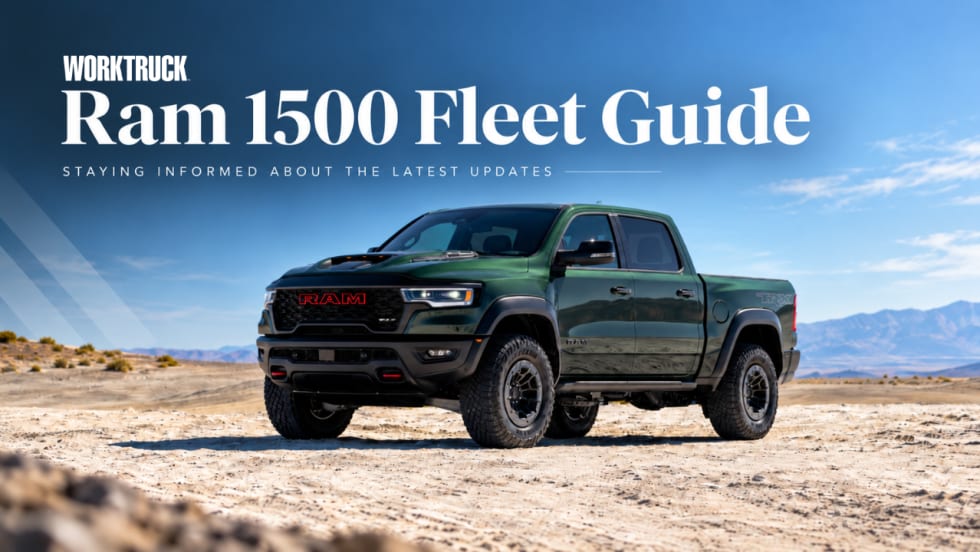
Ram 1500 Fleet Guide Specs, Capability and 2027 Model-Year Updates
Explore always up-to-date Ram 1500 fleet specs, engines, towing and payload capability, configurations, technology, pricing updates, and model-year changes.
Read More →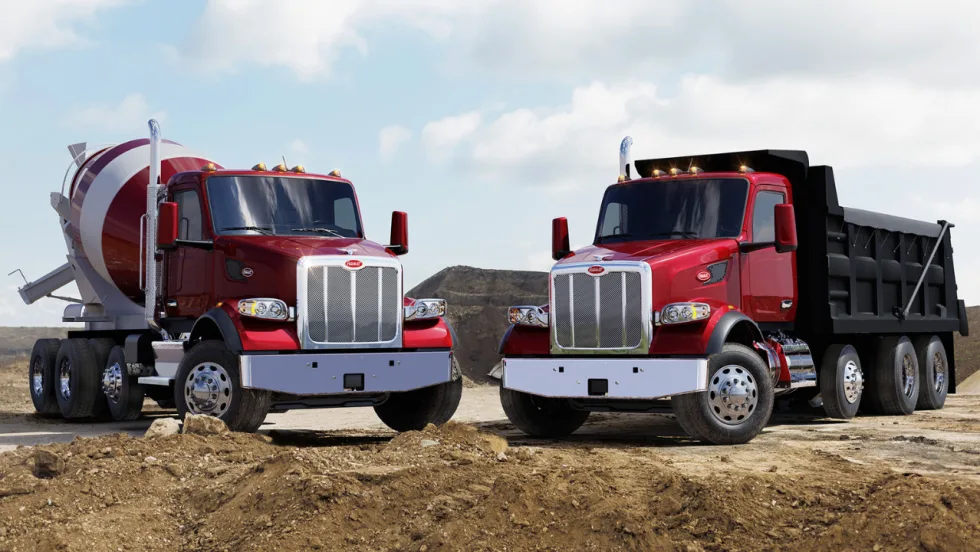
Peterbilt Trucks Equipped with Paccar TX-18 Pro Boost Efficiency for Maryland Fleet
Patuxent Companies is replacing aging trucks with the Peterbilt Model 567 and Model 589, specified with the Paccar TX-18 Pro 18-speed automated transmissions, and is reporting an 8% to 10% improvement in fuel economy.
Read More →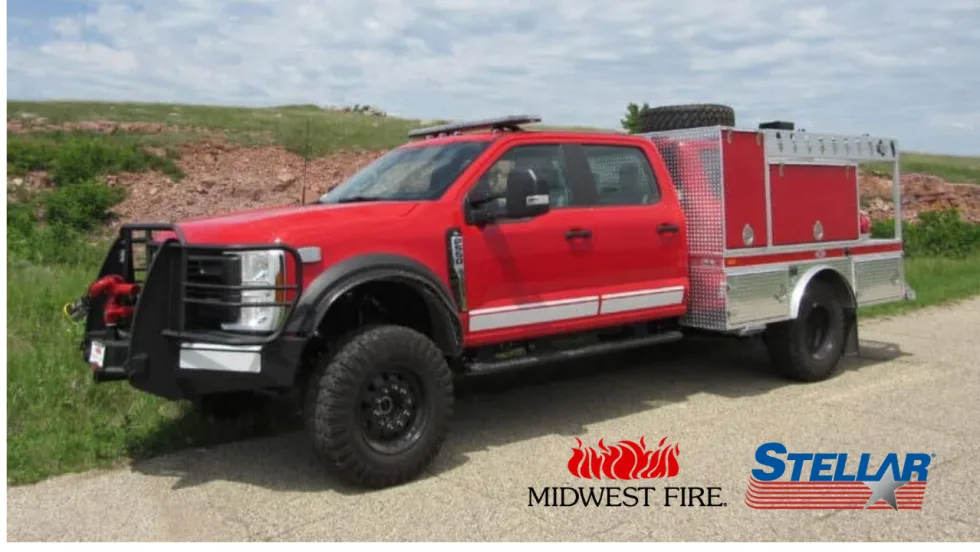
Stellar Expands into Fire Apparatus Market with Acquisition of Midwest Fire
Stellar Industries has acquired Midwest Fire, a custom fire apparatus manufacturer headquartered in Luverne, Minnesota, with nearly four decades of specialized apparatus experience.
Read More →
Recalls You Need to Know About in August 2026
If you have Altec, Chrysler, Ford, Heil, General Motors, International, Mack Trucks, Paccar, Rivian, Royal Truck, Toyota, US Truck Body, or Volvo Trucks vehicles in your fleet, you should check these important recalls issued by the National Highway Safety Administration.
Read More →