




Weighing the Options Before Procuring Hybrids
For fleets that do more driving in city areas, hybrid vehicles could be the alternative-fuel option to choose: however, do the research and weigh the options to ensure the vehicles are the right fit.

Photo via istock.com

Photo via istock.com
On paper, hybrid cars seem to make a lot of sense for today’s fleets. They use less fuel — a major expense for all fleets — and are popular with customers because they are eco-friendly. Yet, they represent a sizeable investment for fleets. Before you jump on the hybrid bandwagon, take some time to weigh the pros and cons and make the decision that is best for the company.
How Hybrids Benefit Fleets
According to www.Phys.org, hybrid vehicles are the most gasoline-efficient cars of those that use a traditional fuel. A typical hybrid has an EPA rating of between 48 and 60 mpg. Saving fuel is always a good idea, especially for fleets that spend thousands of dollars every month on it.
Yet, fuel efficiency is just one benefit. In low-speed, city driving situations, hybrids produce few if any, emissions. In average driving conditions, a hybrid will cut emissions by 25 to 35 percent.
Maintenance costs on many hybrid vehicles are also lower, because the engine’s components are not as stressed as in a traditional engine — so, while maintenance is more expensive per job, it is far less frequent.
Having a hybrid or two in the company’s fleet can improve its image to eco-conscious customers and the public at large. Customers who are committed to the environment will often support businesses that also show that commitment.
Drawbacks of Hybrid Vehicles
Before adding a hybrid to the company’s fleet, you must count the cost. Yes, hybrids have excellent fuel efficiency, but it may not be as good as you think. Compare a compact hybrid vehicle with a similar sized, similarly equipped gasoline-powered vehicle, and the fuel savings is only about 20 to 35 percent.
The good news is hybrid vehicle prices are dropping. In 2012, the cost for a hybrid car was not much higher than that for a similar gasoline-powered car. Also, the government is behind the idea of making the switch to hybrid vehicles, and tax incentives of up to $7,500 per vehicle are available to today’s fleets.
Finally, hybrids are best designed for small trips or city driving, when they rely more heavily on the battery than the gasoline motor. For fleets that regularly take long trips, a hybrid may not save much fuel, so it may not be a good fit. For those that drive around the city, it is a cost-effective, energy-efficient vehicle.
So, is a hybrid right for your company’s fleet? The answer depends on the company’s energy goals, the fleet’s drivers’ driving habits, and the fleet’s budget. For some fleets, hybrids are a cost-effective way to go green. Weigh the pros and cons, and then make the decision that best fits the fleet and the company’s needs.
Robert Hall is the president of Track Your Truck, a provider of vehicle tracking systems for small- to mid-sized business fleets. For more information, go to www.trackyourtruck.com.
Originally posted on Automotive Fleet
More Vehicle Insights
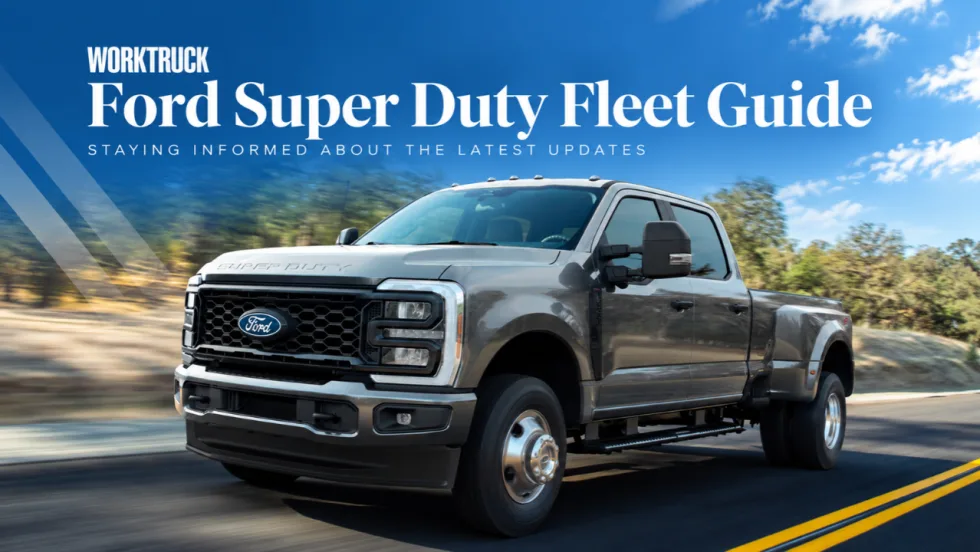
Ford Super Duty Fleet Guide Specs Capability and 2027 Updates
Explore 2027 Ford Super Duty fleet specs, gas and diesel engines, towing, payload, configurations, work features, technology, and model-year updates.
Read More →
Re-rating Gross Vehicle Weight Ratings (GVWR): Why and How it's Done
Sometimes, it is not in a fleet’s best interests to have a vehicle at a given GVWR. Changing the GVWR to a special value can be done, but the process is complicated.
Read More →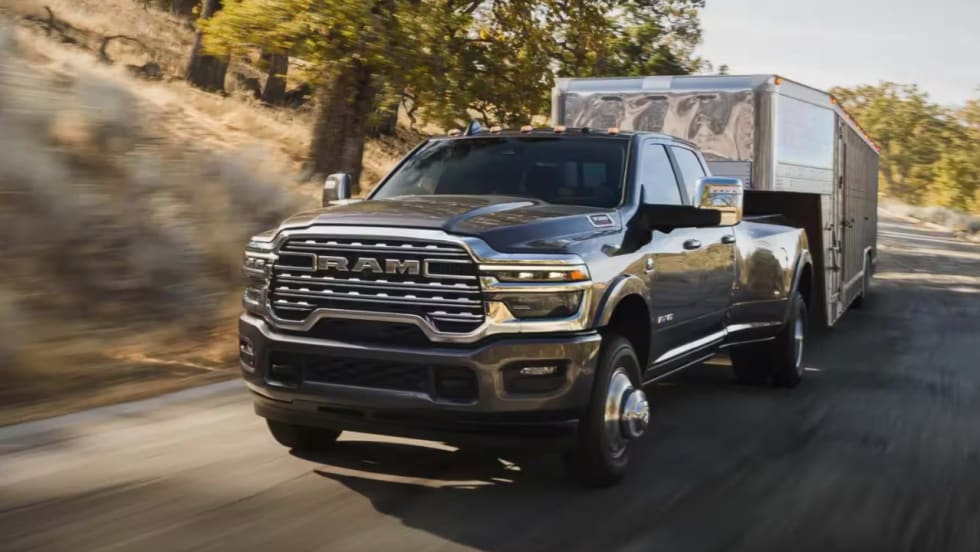
Which Pickup Trucks Last 250,000 Miles? 2026 Rankings Revealed
Which pickup trucks are most likely to reach 250,000 miles? The 2026 iSeeCars study ranks 12 long-lasting models, with Ram, Toyota, GMC, and Ford among the leaders.
Read More →
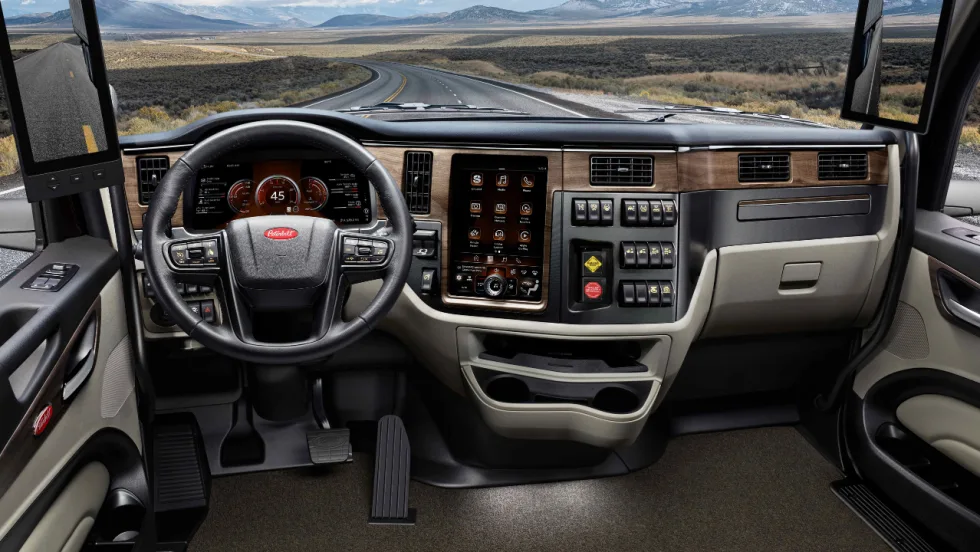
Peterbilt Showcasing Transportation Innovations at ATA MCE
Peterbilt showcased Paccar Connect and exhibited several trucks during the American Trucking Associations (ATA) Management Conference & Exhibition (MCE).
Read More →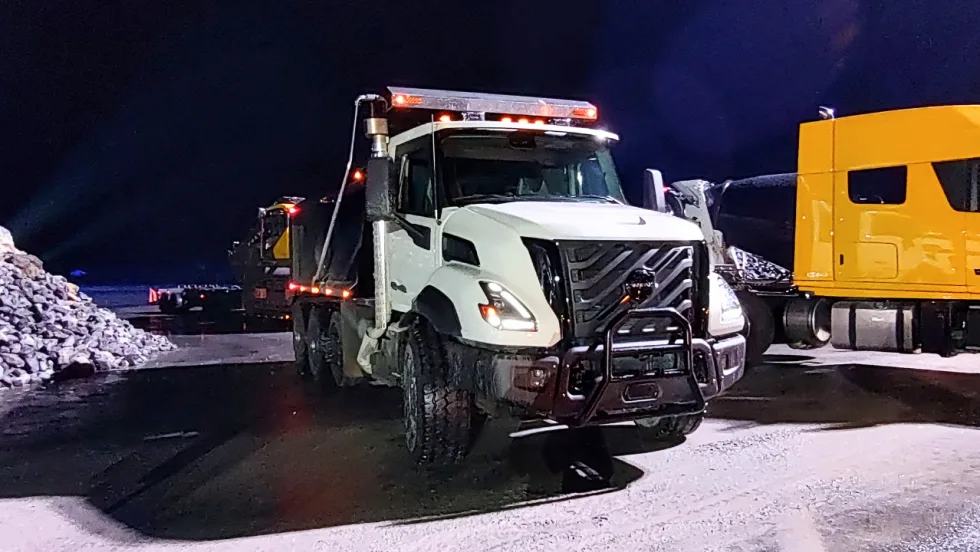
Volvo Unveils New VNX Vocational Truck & Off-Road Capable Tractor
Volvo Trucks has launched the VNX, a new vocational truck designed for on- and off-road use, and available in three variants. It is powered by the D13 platform, which delivers up to 540 horsepower and 1,950 pound-feet of torque and is EPA 2027 compliant.
Read More →
Truckers’ Strike Rumors, Electric Fleet Lessons, and GM’s New Duramax Lead This Week’s News
Truckers’ strike rumors, Republic Services’ electric fleet lessons, GM’s new 8.3L Duramax, van upfitting, Ford Pro used trucks, and more headline this week’s Truck Chat Cheat Sheet.
Read More →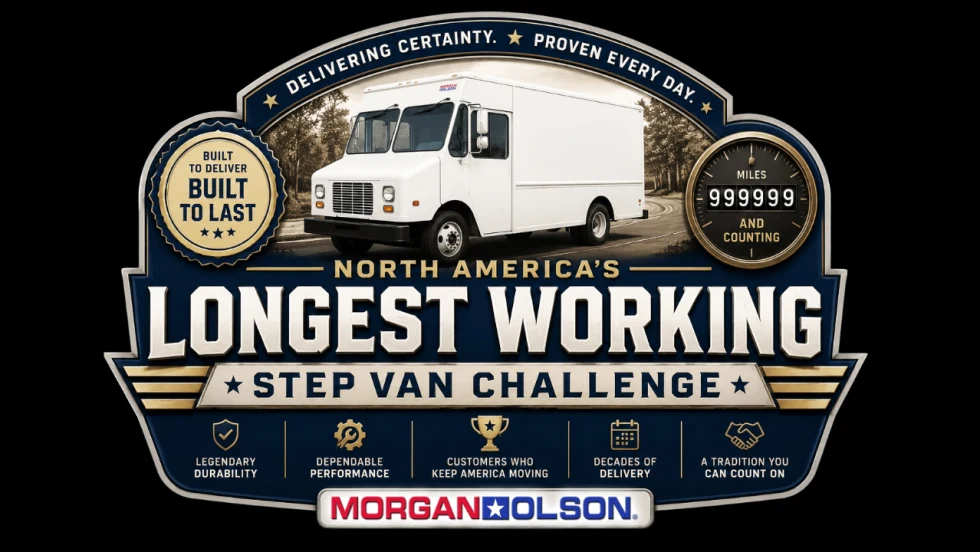
Morgan Olson Launches North America’s Longest Working Step Van Challenge
Morgan Olson has launched North America’s Longest Working Step Van Challenge, a new customer campaign to find the longest-working qualifying Morgan Olson or Grumman step van actively delivering packages for an independent service provider contracted by FedEx.
Read More →
Ford Transit Fleet Guide Specs Capability and 2027 Model-Year Updates
Explore 2027 Ford Transit fleet specs, engines, payload and towing capability, cargo configurations, work features, technology, and model-year updates.
Read More →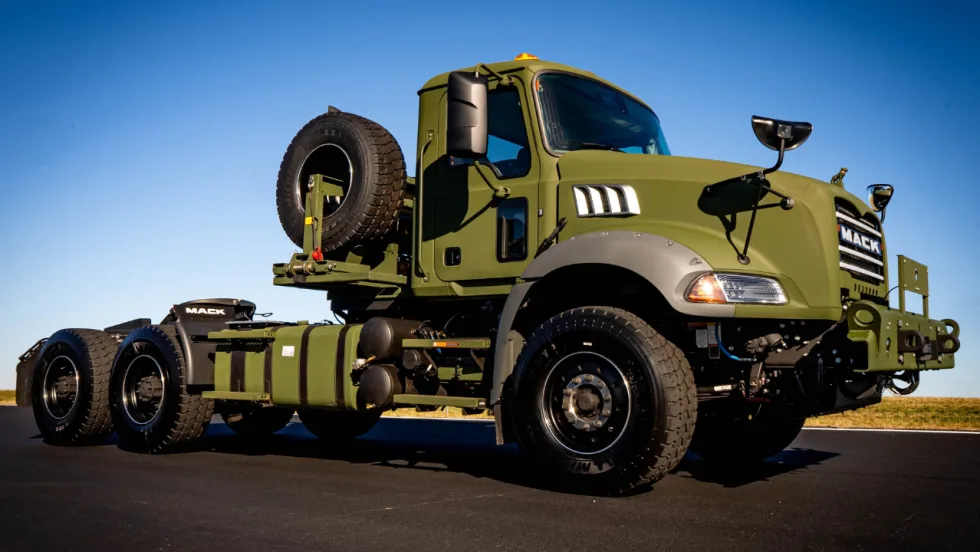
Mack Defense to Spotlight Common Tactical Truck Line Haul Hybrid Tractor During AUSA 2026
Mack Defense was awarded a contract to design, build, and deliver prototype vehicles for the U.S. Army’s Common Tactical Truck (CTT) program. It will show off its line-haul hybrid tractor prototype, based on the Mack Granite, at the 2026 United States Army (AUSA) Annual Meeting and Exposition.
Read More →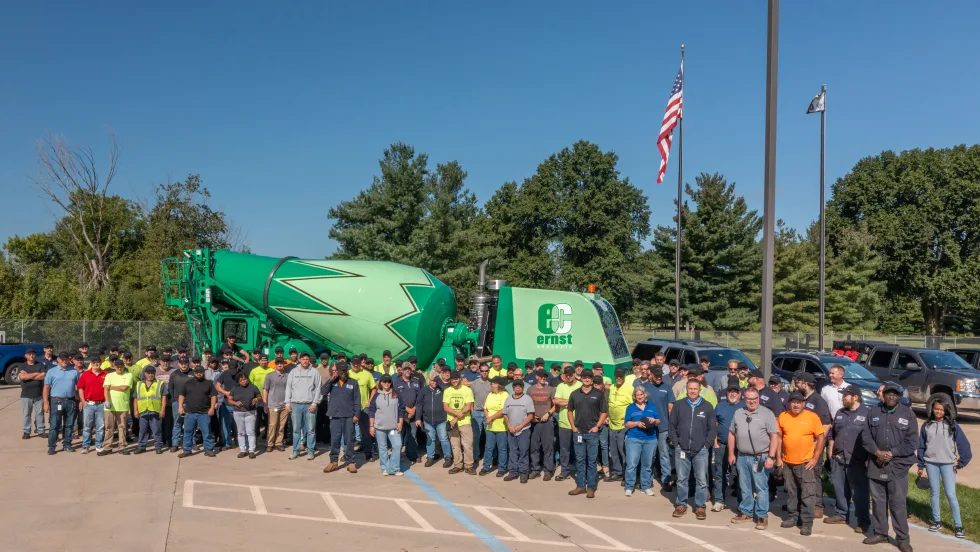
Advance Produces 20,000th Front-Discharge Mixer
Advance celebrated the production of its 20,000th front-discharge mixer, a Commander Series FD4000 mixer. Jack Willard first developed the original Rite-Way Truck in 1964, and then Advance was established in 1972.
Read More →