




Verizon Tests New Hybrid Technology
Verizon paired its communications technology with hybrid vehicles to green the company fleet.

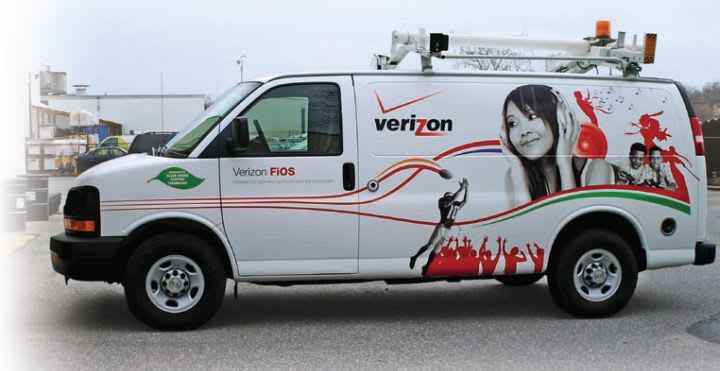
At first glance, Verizon’s efforts to become a greener fleet aren’t what one might expect. Where some assume the obvious initial step is to assess the company’s vehicles and look for ways to reduce emissions, Verizon has turned to its own telecommunications technology for solutions. For Verizon, the best way to reduce emissions is to eliminate driving altogether. The company has been using its technology to eliminate travel without compromising business.
However, company technicians still must make service calls and carry out other business requiring travel. For that, Verizon looked to hybrid technology to green the company fleet.
“Verizon has long been committed to reducing the impact of its operation on the environment, so the use of hybrids in the company’s fleet was a natural next step,” said Ralph Mayfield, executive director of fleet operations for Verizon Communications Inc. “Other examples of Verizon’s commitment include pursuing network equipment and building energy-reduction initiatives, using alternative energy sources in the network, buildings, and vehicle fleet, and promoting the company’s technology as an alternative to travel."
In 2006, Verizon developed its first innovation in creating an environmentally friendly fleet by introducing 14 specially designed service vans powered by hybrid-engine systems in Maryland and Texas.
“No domestic motor vehicle manufacturer currently makes hybrid vehicles in the van category, so Verizon worked closely with a company that specializes in hybrid-power systems, and it retrofitted the new vehicles to Verizon’s specifications. These vans are primarily used by field technicians,” Mayfield said.
Last December, Verizon introduced 100 new hybrid sedans into its fleet for use primarily as management and supervisory vehicles. Verizon has committed to an additional 100 Prius vehicles in 2008, and Mayfield said the potential exists that more will follow. With a national fleet of more than 56,000 vehicles, Verizon’s continuing commitment to creating a greener fleet could make a big difference.
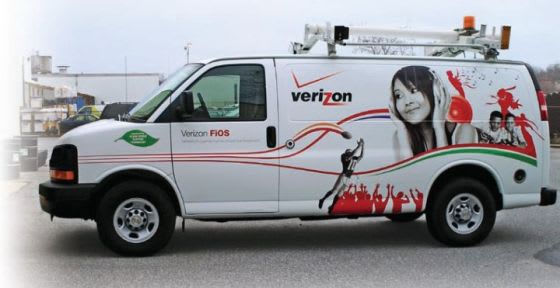
According to Mayfield, Verizon’s fleet is similar to others in the industry. However, if anything sets it apart, it’s the company’s long-standing commitment to introduce and test new technology. For instance, in New Jersey and Texas, Verizon has trial-tested use of 20-percent biodiesel fuel (B-20) to power service vehicles. The biodegradable and nontoxic fuel is a domestic, renewable resource projected to reduce greenhouse gases.
“Also in [New Jersey and Texas], Verizon has been using environmentally friendly lubricants made from vegetable oils as part of the process to cut sections of fiber-optic cable where the company is installing and maintaining its digital all-fiber-optic FiOS services. These lubricants are far more biodegradable than the traditional alternatives,” Mayfield said.
While Verizon’s green fleet initiatives are still in the early stages, Mayfield foresees positive results for fleet, the community, and the company’s business model.
“Our expectation is to realize a reduction in fuel consumption and emission of greenhouse gases,” he said. “The communications industry is very green compared to many other industries. From a branding perspective, the sedans effectively convey to passersby that Verizon is a green company.”
In the future, Verizon plans to remain committed to its determination as a green company, which includes its fleet operations. “Verizon is committed to reducing the environmental impact of its operations, so what you’ll see is a continued willingness to experiment with new technology in an efficient and smart way,” Mayfield said.
Originally posted on Automotive Fleet
More Green Fleet

Fleet Forward Conference Introduces One-Day Passes for 2026
New one-day registration gives fleet professionals the flexibility to attend Tuesday, Wednesday, or Thursday, with passes available for $199 through Sept. 18.
Read More →
CALSTART Rebrands as Catalyst Mobility, Will Combine with Forth in 2027
CALSTART has rebranded as Catalyst Mobility and will combine with Forth at the start of 2027. The new organization said it is poised to become one of the world's largest, strongest, and most impactful clean transportation nonprofits.
Read More →
Electric Truck and Charging Programs to Boost Sustainability at NY & NJ Ports
Together, the Port Authority of New York and New Jersey and CALSTART will electrify drayage and terminal operations serving the East Coast’s busiest container port. A pair of incentive programs totaling $45 million has launched to accelerate adoption of zero-emission drayage trucks and terminal tractors.
Read More →
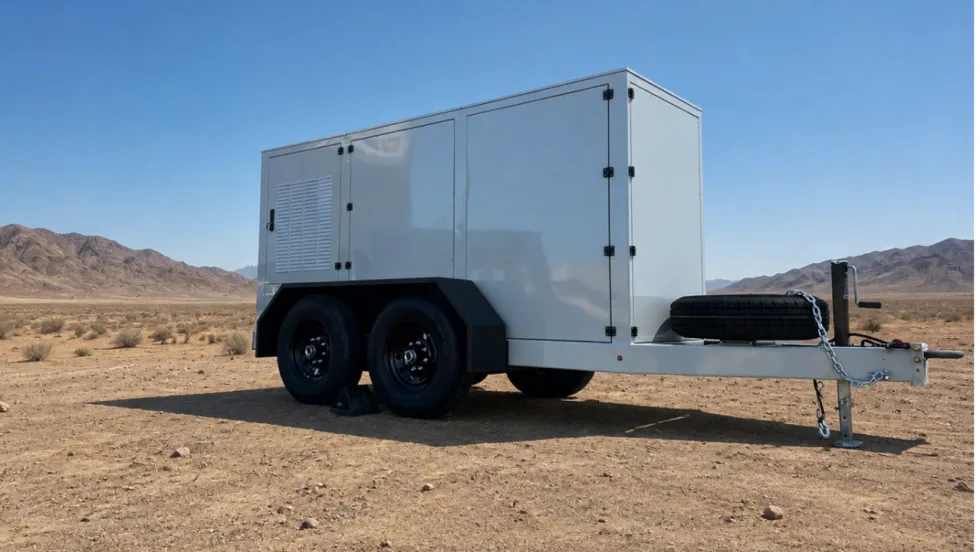
Xos Hub Surpasses One Gigawatt-Hour of Energy Delivered in the Field
A single Xos Hub has surpassed one gigawatt-hour of energy across more than 33,600 charging sessions in the field, demonstrating performance that supports Xos' expansion across new products and markets.
Read More →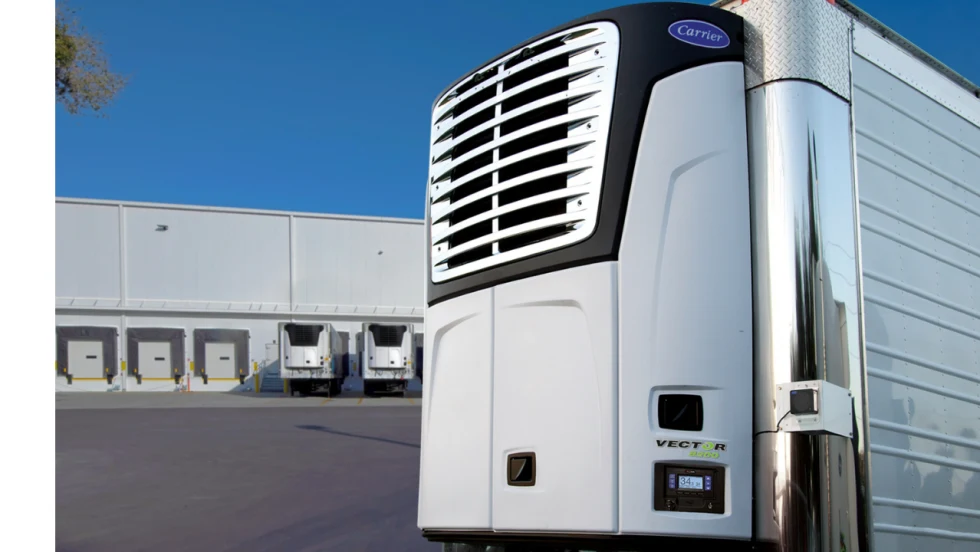
Carrier Transicold Launches All-Electric Vector 8200 TRU for Diesel-Free On-Site Cold Storage
Carrier Transicold’s first engineless multi-temperature TRU helps fresh- and frozen-food fleets add supplemental cold storage capacity during seasonal peaks.
Read More →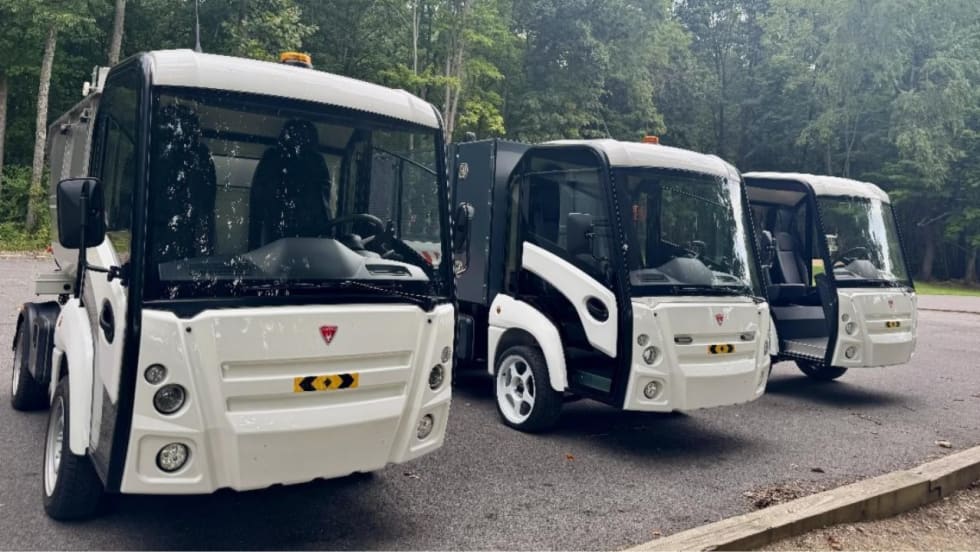
Narro Trucks Introduces Electric Utility Vehicle
Narro Trucks officially launched its operations on Aug. 20 and hosted a ride and drive to showcase its electric truck, which will be produced in Virginia.
Read More →
Samsung SDI Takes Full Control of GM Battery JV as Indiana Plant Pivots to Energy Storage
Samsung SDI is taking full control of its Indiana battery plant with GM, marking a major shift from the EV-focused joint venture Charged Fleet first covered in 2023.
Read More →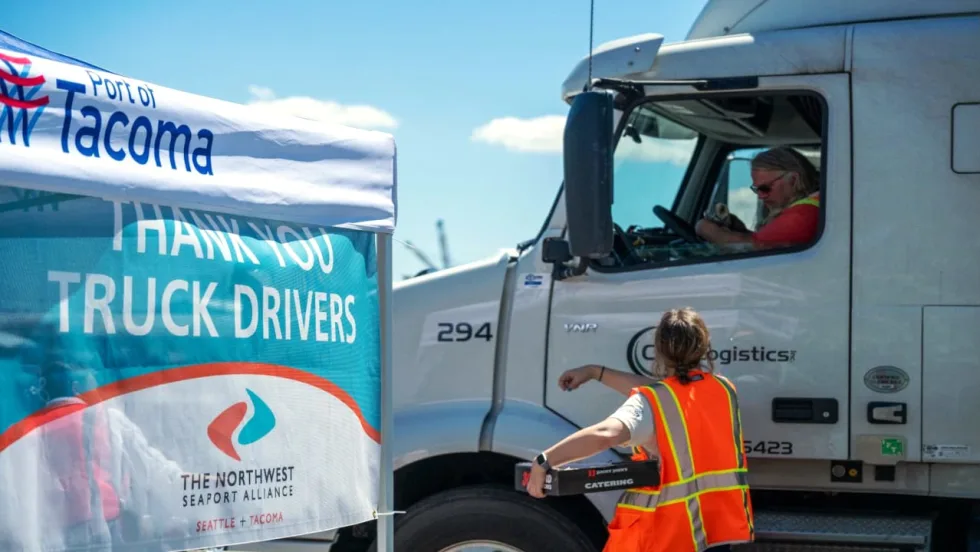
NWSA Taps CALSTART to Administer Zero-Emission Drayage Assistance Program
CALSTART will provide free technical assistance services to drayage fleets serving the Ports of Seattle and Tacoma and looking to transition to cleaner technologies and help decarbonize freight hubs.
Read More →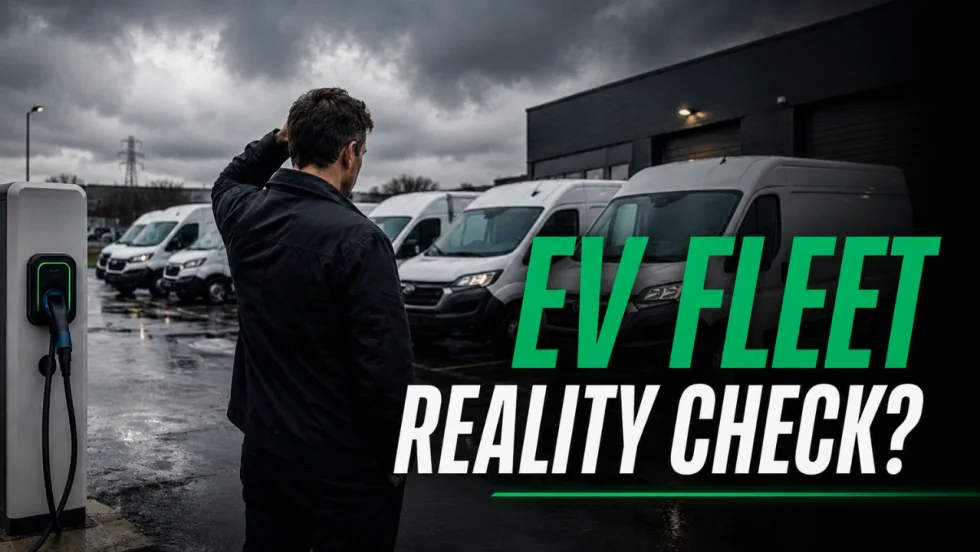
EV Fleet Reality Check: What Operators Wish They Knew Before Electrifying Their Work Vans
Electric work truck upfits bring new compatibility questions. Learn how parts availability, OEM guidance, power demands, and route planning can affect fleet performance.
Read More →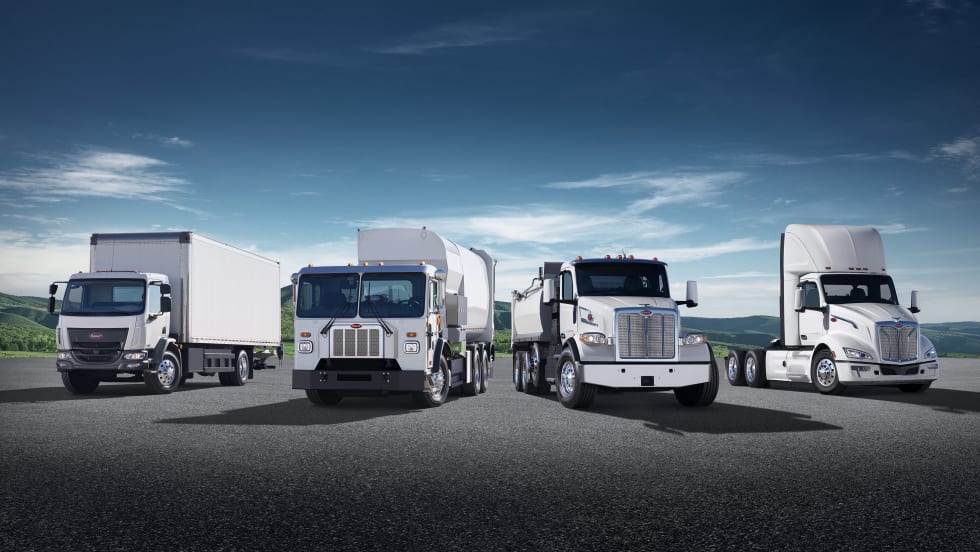
Peterbilt Expands Sourcewell Partnership with Electric Vehicle Lineup
Peterbilt Motors Company’s cooperative purchasing agreement with Sourcewell and its Canadian partner, Canoe Procurement Group, now includes including Peterbilt's battery-electric vehicle lineup.
Read More →