




Vehicle Availability and Market Shifts Shaped Fleet Decisions in 2025 [Part 7]
Vehicle availability shifted in 2025, pushing fleets to rethink replacements, juggle van shortages, and lean on smarter planning to stay on track.

In 2025, fleets focused less on chasing inventory and more on timing. The winners were the ones who matched the right truck to the right job at the right moment.
Photo: Work Truck
The commercial vehicle market did not calm down in 2025. New truck pricing dipped slightly, used inventory shifted, vans remained a challenge, and OEMs doubled down on commercial customers.
Fleets faced an unpredictable mix of availability, incentives, and product constraints, prompting them to diversify, delay, or rethink their replacement strategies. It wasn’t chaos. It was more like a cautious shuffle, with fleets adjusting plans one quarter at a time.
The Commercial Market Flattened but Stayed Strong
Kathryn Schifferle, founder and chief vision officer at Work Truck Solutions, said the data showed a market that was holding steady, even if it looked a little different each quarter.
She pointed out that new commercial vehicle sales plateaued in the third quarter of 2025, while remaining significantly up year over year. Inventory adjustments were happening across the board, and pricing reflected it.
“As predicted, 2025 is showing the average price for new commercial vehicles are down year over year 1.7% as we head into Q4,” Schifferle said.
The used market brought its own twist. Lower mileage vehicles were more available, but prices didn’t rise the way conventional wisdom would suggest.
Schifferle noted that used work trucks and vans showed “median mileage decreased by more than 2% year over year heading into Q4 2025,” but prices still fell 4.8%.
In other words, the used-vehicle market had healthier vehicles, but buyers were still cautious.
‘Right Vehicle at the Right Time’ Became the New Standard
With pricing adjusting and demand staying steady, fleets had to plan smarter. Schifferle emphasized that the key wasn’t just availability. It was alignment.
She said the market made it clear that “it’s critical that both production and dealership inventory align well with buyer demand. Said another way, it’s about having the right trucks and vans to match the needs of the market, at the right time.”
Fleets with strong planning, tighter spec discipline, and better forecasting were able to navigate the fluctuations without major disruptions.

Van shortages, shifting prices, and tighter specs made replacement planning a moving target, pushing fleets to diversify and adapt quarter by quarter.
Photo: Work Truck
Replacing Small Cargo Vans Remained a Challenge
While many segments stabilized, small cargo vans continued to frustrate fleet managers. Kendra Rupp, regional vice president of client partnerships at Mike Albert Fleet Solutions, said fleets tried multiple substitutes when sourcing small vans was difficult.
Rupp said many companies looked to full-size vans, SUVs with upfits, or pickups with caps and upfits. Each came with its own limitations:
Full-size vans pushed budgets.
Pickups with caps didn’t always fit the job.
SUVs couldn’t always accommodate necessary upfits.
Those compromises made spec development more complex and often slowed replacement cycles.
OEMs Put More Weight Behind Commercial Customers
OEM attention shifted noticeably. With retail softness across several segments, Ford, GM, and Ram leaned harder into commercial dealer programs, upfitter partnerships, and fleet-specific products.
Schifferle said this increased focus gave fleets access to more specialized support, better dealer expertise, and a stronger lineup of commercial products designed for real work.
It also helped dealers intentionally adjust inventory toward high-margin segments like work trucks and SUVs, something many buyers appreciated, as long as the options aligned with their needs.
Upfitting Mattered More Than Ever
Purpose-built capability remained one of the strongest demand drivers.
Ford Pro highlighted that customers continued to gravitate toward vehicles designed for specific work environments. Crews wanted corrosion resistance, higher payload and towing, onboard power systems, and upfits that eliminated the need to run multiple vehicles to a job site.
Partnerships with upfitters such as Knapheide, Reading Truck, and Warner Bodies played a big role in helping fleets create the right configurations at the right time.
And because upfitted vehicles are harder to replace if they go down, availability wasn’t just about trucks on the lot. It was about trucks that could be ready for service quickly.
Fleets Rebalanced Their Approaches to Replacement
Tariffs, incentives, and market instability pushed many fleets into a cautious mindset.
Rupp said companies sometimes extended existing contracts, delayed purchases, or mixed vehicle types to spread risk. Diversifying the lineup helped fleets navigate rising upfit costs, lower incentives, and unpredictable van inventory.
Battery costs, steel-heavy components, and semiconductor availability also influenced timelines, especially for fleets testing EVs or hybrids.
Brian Fournier, Americas senior vice president and general manager of fleet and mobility at WEX, noted that tariffs in early 2025 pushed the weighted average U.S. tariff rate from 2% to more than 20%. For fleets buying battery-heavy or upfit-heavy vehicles, that shift mattered.
New Suppliers Stepped in to Solve Old Problems
Diana Holland, managing director at Cavis, said cost pressure and supply chain volatility lowered long-standing barriers to entry across the fleet ecosystem.
“With traditional channels strained, fleets became much more open to considering new suppliers, new upfit partners, and new technology providers,” she said.
Instead of relying on a limited pool of legacy vendors, fleets sought partners who could move faster, respond more flexibly, or better match evolving spec requirements. Holland noted that this shift helped some operators solve long-standing challenges around availability, upfit timing, and operational support.
“Exploring new relationships gave fleets options they haven’t had in years,” she said.
Market Stability Improved, but Discipline Was Key
What defined the 2025 market wasn’t scarcity. It was imbalance.
Some segments offered more flexibility. Others (especially vans) stayed tight. New pricing softened slightly. Used pricing softened more. And OEMs increased their commercial presence.
Fleets that tracked the data, stayed close to their dealers, and diversified their replacement plans weathered the changes better than those relying on pre-2020 assumptions.
Heading into 2026, the message is simple. The commercial market is workable again, but only for fleets willing to plan, forecast, and build strong relationships with dealers and upfitters who understand their operational needs.
Catch Up on the Rest of the 2025 Work Truck Trends Series
This piece wraps up our full look at how 2025 reshaped work truck fleets. If you missed any earlier sections, here’s where to go next:
Part 1: How Rising Costs Reshaped Work Truck Fleets: fleets tightened budgets and tackled the hidden costs of downtime.
Part 2: Data Became the Backbone of Fleet Decisions: telematics and AI helped fleets manage smarter and coach earlier.
Part 3: Maintenance and Uptime Took Center Stage: mobile repair and predictive tools became uptime essentials.
Part 4: Safety, Security, and Risk Became Non-Negotiable: a tougher risk environment pushed fleets to modernize safety.
Part 5: Energy Strategies Shifted as Fleets Rebalanced Options: fleets mixed EVs, hybrids, propane autogas, and diesel to stay productive.
Part 6: Workforce Pressures Forced New Approaches: better coaching, culture, and tech helped fleets support their people.
More Vehicle Research
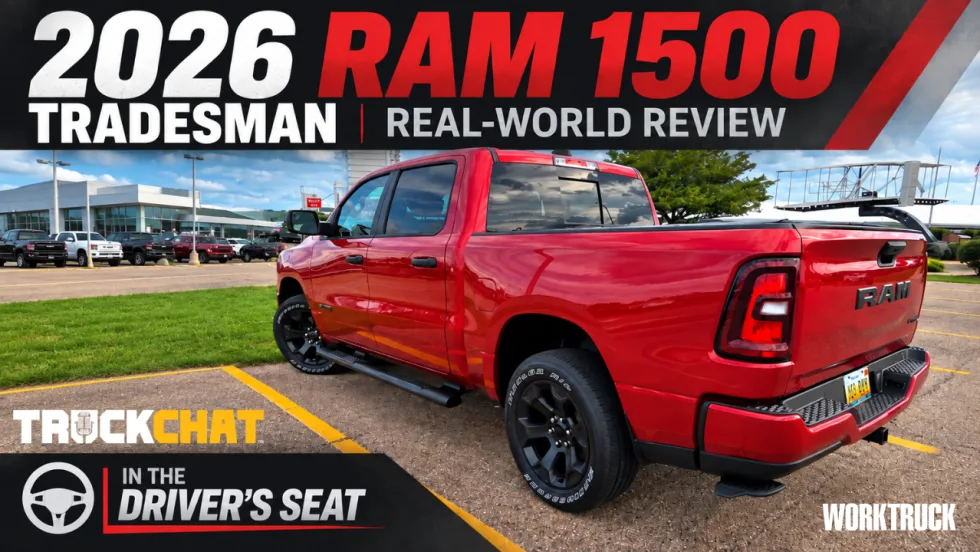
2026 Ram 1500 Tradesman Put to a Real-World Fleet Test
A few days behind the wheel of a 2026 Ram 1500 Tradesman turned into a test of visibility, parking, work-ready features, and even severe-weather driving.
Read More →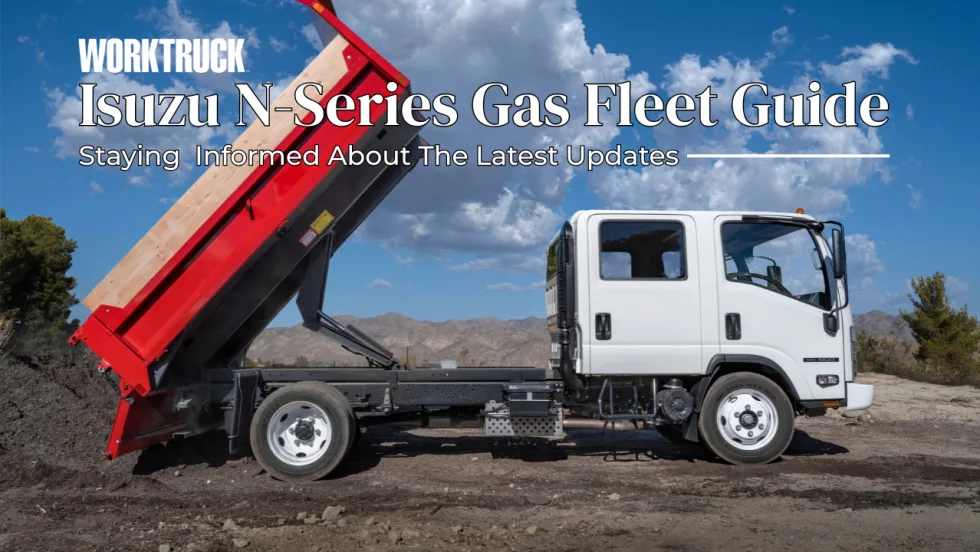
Isuzu N-Series Gas Fleet Guide: Specs, Capability and 2027 Model-Year Updates
Explore Isuzu Truck North America’s N-Series Gas fleet specs, engine performance, GVWR and payload capability, configurations, chassis dimensions, work-focused features, and 2027 model-year information.
Read More →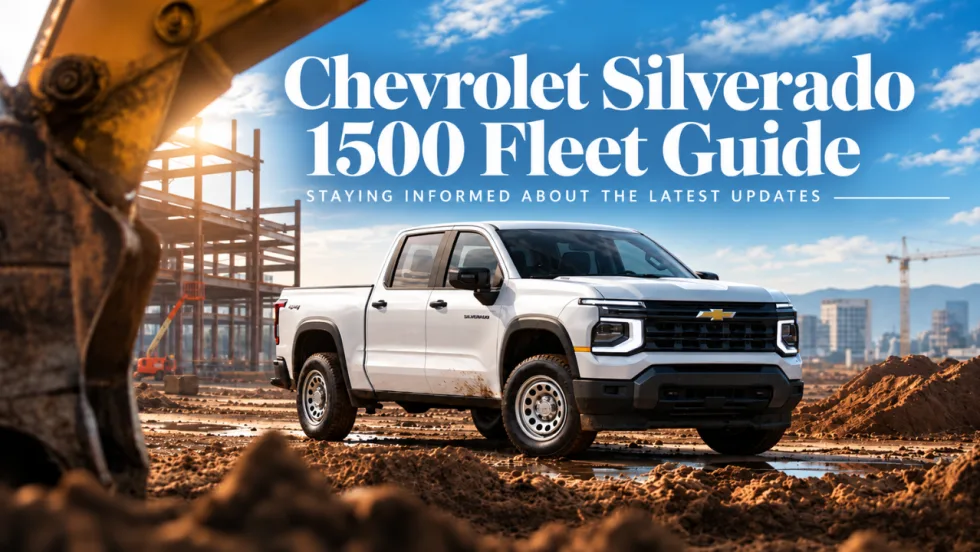
Chevrolet Silverado 1500 Fleet Guide Specs Capability and 2027 Model-Year Updates
The next-generation 2027 Chevrolet Silverado 1500 brings new V-8 engines, updated technology, expanded safety features, and a fleet-focused Work Truck. Here’s what commercial fleets need to know so far.
Read More →
Ram ProMaster City Fleet Guide Specs Cargo Capacity and 2027 Updates
Work Truck’s Ram ProMaster City Fleet Guide tracks the latest specifications, cargo capability, configurations, fleet technology, pricing, and model-year updates for Ram’s mid-size commercial van.
Read More →
Ford F-150 Fleet Guide Specs Capability and 2026 Model-Year Updates
Explore 2026 Ford F-150 fleet specs, engines, towing and payload capability, configurations, work features, technology, and model-year updates.
Read More →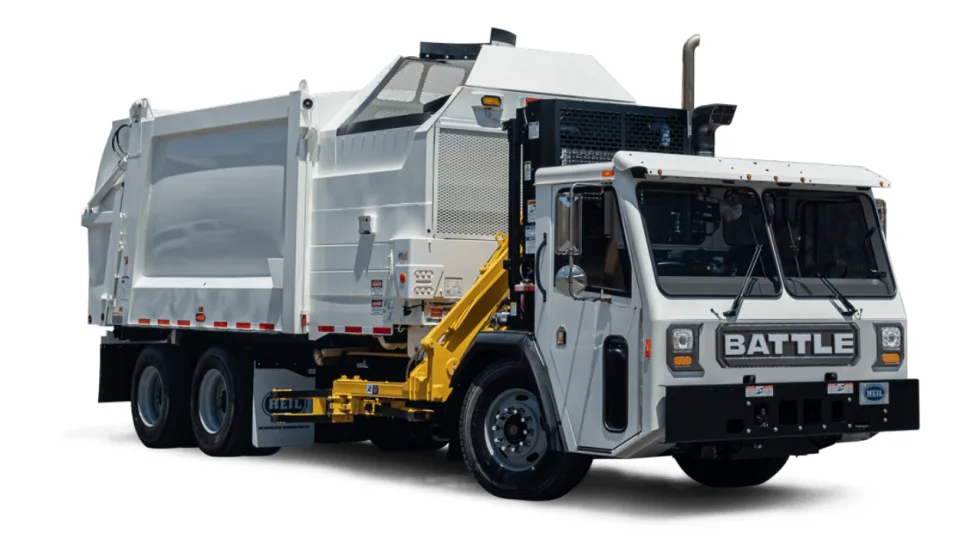
TCI Now Sells & Supports Battle Motors’ Vocational Trucks
Midwest truck dealer Truck Centers, Inc. (TCI) has expanded its transportation solutions with sales and service support for Battle Motors’ heavy-duty vocational trucks at locations in locations in Indiana, Illinois, and Missouri
Read More →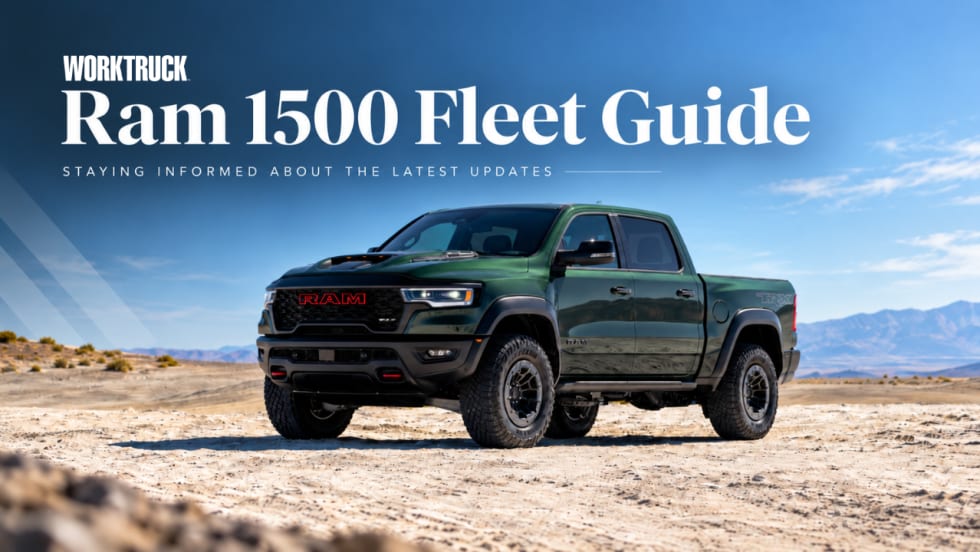
Ram 1500 Fleet Guide Specs, Capability and 2027 Model-Year Updates
Explore always up-to-date Ram 1500 fleet specs, engines, towing and payload capability, configurations, technology, pricing updates, and model-year changes.
Read More →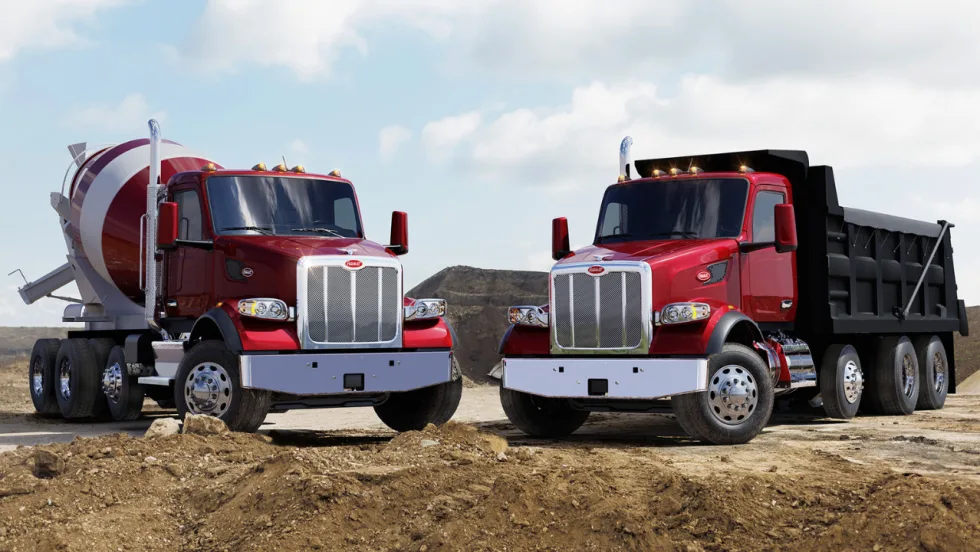
Peterbilt Trucks Equipped with Paccar TX-18 Pro Boost Efficiency for Maryland Fleet
Patuxent Companies is replacing aging trucks with the Peterbilt Model 567 and Model 589, specified with the Paccar TX-18 Pro 18-speed automated transmissions, and is reporting an 8% to 10% improvement in fuel economy.
Read More →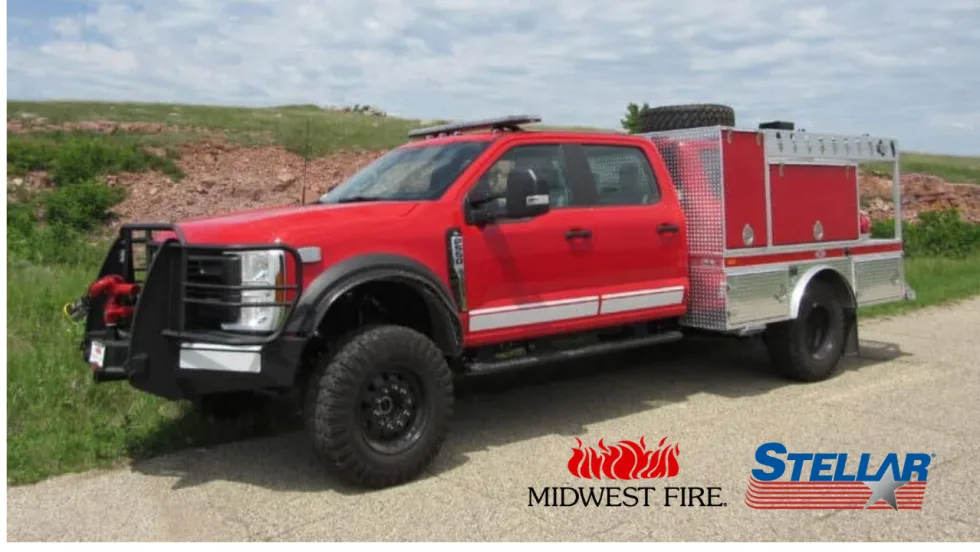
Stellar Expands into Fire Apparatus Market with Acquisition of Midwest Fire
Stellar Industries has acquired Midwest Fire, a custom fire apparatus manufacturer headquartered in Luverne, Minnesota, with nearly four decades of specialized apparatus experience.
Read More →
Recalls You Need to Know About in August 2026
If you have Altec, Chrysler, Ford, Heil, General Motors, International, Mack Trucks, Paccar, Rivian, Royal Truck, Toyota, US Truck Body, or Volvo Trucks vehicles in your fleet, you should check these important recalls issued by the National Highway Safety Administration.
Read More →