




Understanding Regional Demand Trends for Vocational Trucks
The demand for upfitted vocational trucks varies significantly across the United States, driven by regional industries, economic conditions, and evolving infrastructure needs.

Economic growth, urbanization, and infrastructure projects continue to shape demand across the country. But each region has it's nuances to be aware of.
Photo: Work Truck
The demand for upfitted vocational trucks varies significantly across the United States, driven by regional industries, economic conditions, and evolving infrastructure needs.
To illuminate these dynamics, Charles Bowles, director of strategic initiatives for Commercial Truck Trader (CTT), shares valuable insights from the extensive data collected by CTT, which captures buyer behavior from over 2 million monthly visitors.
Stability in Overall Demand
"The overall demand for upfitted vocational vehicles has remained relatively stable for 2024, with box trucks consistently leading in the medium-duty segment," Bowles explains.
In order of popularity, dump trucks, flatbeds, utility trucks, service vehicles, chassis cabs, landscape trucks, and contractor trucks are the most viewed body types on CTT.
Each truck class reveals distinct preferences: box, chassis cab, and dump trucks dominate Class 4, while dump, service, and flatbed trucks lead in Class 5. Class 6 sees box, dump, and hauler trucks in top demand, with Class 7 prioritizing dump, box, and chassis cab configurations.
Regional Nuances: Northeast and Midwest
Regional demand, however, tells a more detailed story.
Bowles noted, "In the Northeast, the rise of e-commerce has fueled demand for last-mile delivery vehicles, particularly box trucks, which are in high demand in cities like New York, Philadelphia, Baltimore, and Cleveland."
The ongoing growth of last-mile deliveries has only strengthened interest in box trucks throughout 2024. Service and utility trucks also see significant demand in New York, Philadelphia, and Cleveland. At the same time, chassis cabs remain highly sought after across most markets due to their scarcity and supply chain challenges, particularly with frame rails.
In the Midwest, similarities emerge with the Northeast.
"The larger metropolitan areas in the Midwest show a lot of similarities in interest with the Northeast," Bowles said, highlighting contractor trucks, box trucks, and utility/service trucks as the most popular choices in this region.
The demand patterns reflect the region's industrial and agricultural strengths, mirroring the Northeast's urban development and infrastructure focus.
Southern U.S. Demand Drivers
In the South, the demand landscape shifts due to the influence of key industries such as agriculture, energy, manufacturing, and construction.
"Agriculture is a major industry in states like Texas, Georgia, and Florida," Bowles explained, "driving demand for flatbeds, dump trucks, and livestock haulers."
Meanwhile, the ongoing population growth in the South has spurred a thriving construction industry in states like Florida, Texas, and North Carolina, significantly increasing the need for dump trucks, cement mixers, and other construction-related vehicles.
Unique Needs in the Western U.S.
The Western U.S. presents its own set of unique needs.
"California's vast agricultural output drives demand for refrigerated trucks, flatbeds, and bulk haulers," Bowles shared.
The region's ongoing infrastructure development, particularly in California and Arizona, further fuels the need for dump trucks, cement mixers, and other construction vehicles.
Economic Impact on Vocational Truck Demand
Economic growth, urbanization, and infrastructure projects continue to shape demand across the country.
"Economic growth and urbanization in regions like the Southeast, Southwest, and parts of the Midwest have led to increased demand for construction-related vehicles such as dump trucks, cement mixers, and flatbed trucks," Bowles noted.
Government infrastructure projects, particularly in areas with aging infrastructure like the Northeast and Midwest, also drive the demand for heavy-duty vocational trucks.
Emerging Trends and Technologies
The market is responding to traditional demand drivers, as well as new technologies and trends.
"Highly connected vehicles are quickly becoming a crucial component of fleet management across all U.S. regions," Bowles pointed out.
Telematics systems, offering real-time data on performance, fuel consumption, route efficiency, and driver behavior, enable fleet operators to optimize operations and reduce downtime through predictive maintenance.
Electric vehicles (EVs) are another emerging trend, particularly for urban and regional vocational applications like waste management, last-mile delivery, and utility services. However,
Bowles cautioned that while municipalities and large last-mile fleets have been early adopters, "other business segments have considerably slowed their interest in EVs."
The commercial segment's transition from internal combustion engines (ICE) to EVs is progressing more slowly than initially anticipated, with recent pullbacks in OEM production forecasts reflecting this trend.
The Road Ahead
As the commercial truck market continues to evolve, staying informed is crucial.
"The commercial truck market is in serious flux right now, as production is outpacing demand in certain categories," Bowles advised.
For OEMs and dealers, leveraging accurate and reliable data is essential to making informed decisions about stocking and sales.
More Upfitting
M.H. Eby Announces Bostick Truck Center as Michigan Distributor
Bostick Truck Center in Pontiac, Michigan, is now the official distributor for Eby Truck Bodies in Michigan. It will have access to Eby’s Ford, GM, and Ram chassis pool programs.
Read More →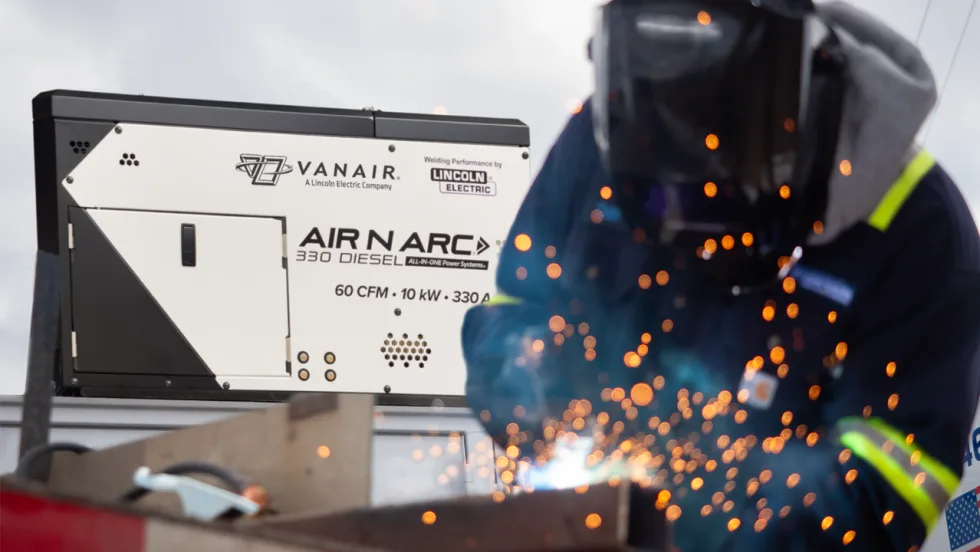
Multitasking: Vanair’s Air N Arc 330 Diesel 60 CFM All-In-One Power System
The Air N Arc 330 Diesel 60 CFM from Vanair consolidates a welder, generator, rotary screw air compressor, battery booster, battery charger, and EV charger into a single 750-pound enclosure driven by one 24.8-horsepower Kubota diesel engine.
Read More →
Buyers Products Awarded Sourcewell Cooperative Purchasing Contract for Snow & Ice Equipment
Buyers Products has been awarded a Sourcewell contract for a wide range of winter maintenance equipment and accessories, including snowplows, municipal plow systems, wing plows, spreaders, and more.
Read More →

Hilltip Introduces the SnowStriker SFT Flex Expandable Box Plow
Hilltip’s new SnowStriker SFT Flex expandable box plow features hydraulically extendable sections that allow operators to adapt the clearing width to changing conditions and applications on the go.
Read More →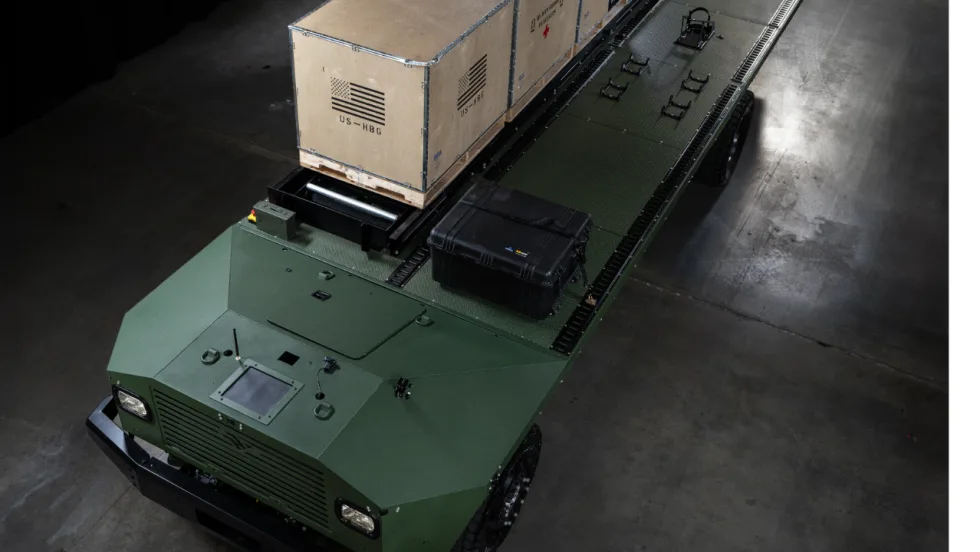
Harbinger Part of Effort to Deliver Autonomous Logistics Capabilities for U.S. Army
American Rheinmetall received an 18-month U.S. Army contract to deliver autonomous, hybrid-powered uncrewed ground vehicles. Harbinger is providing the truck platform for those vehicles.
Read More →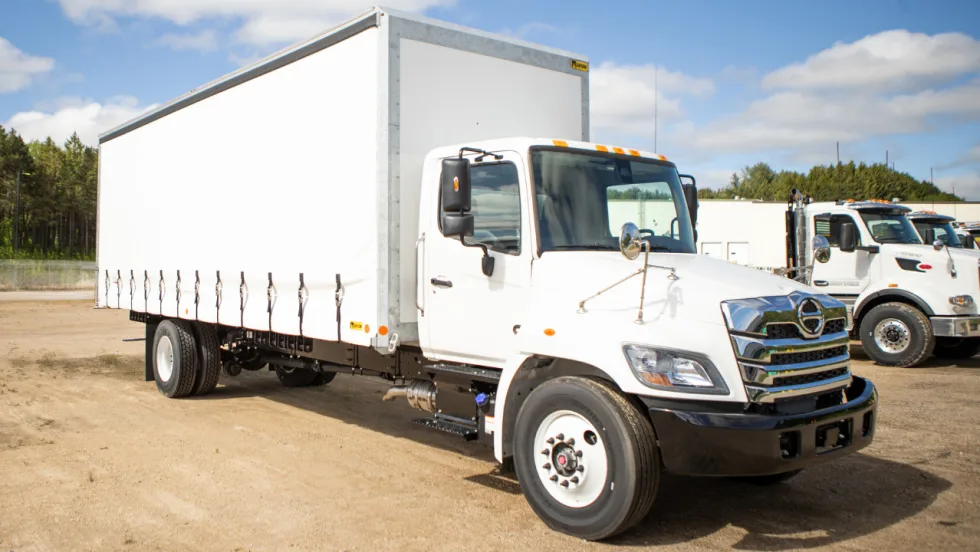
Thinking Outside of the Box: Choosing the Right Truck Body for Your Fleet
Choosing the right truck body can have a major impact on loading efficiency, cargo protection, downtime, and long-term operating costs. Here’s how dry vans, platforms, and curtainsiders compare, plus what fleets should consider before spec’ing their next truck.
Read More →
Fourth Annual Upfit Package of the Year Awards Open for 2027 Entries: One Month Left!
Think your upfit deserves industry recognition? Enter the 2027 Work Truck Upfit Package of the Year Awards before the Sept. 30 deadline. There is less than a month left to get your submissions in!
Read More →
Reading Truck Equipment & Masterack Unite as One of North America's Largest Commercial Vehicle Upfit Networks
Reading Truck Equipment and Masterack have integrated operations to create one of North America's largest and most comprehensive commercial vehicle upfit organizations.
Read More →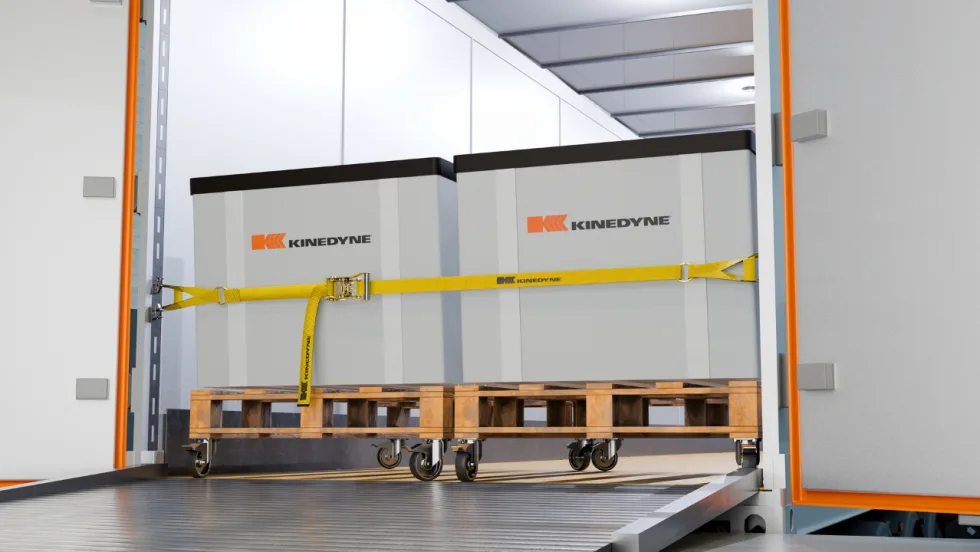
Kinedyne Launches Heavy Duty Logistic Shoring Strap
Kinedyne’s new Heavy Duty Logistic Shoring Strap features a patent-pending four-point design to deliver greater cargo stability, increased strength, and easier handling for rolling and shifting freight.
Read More →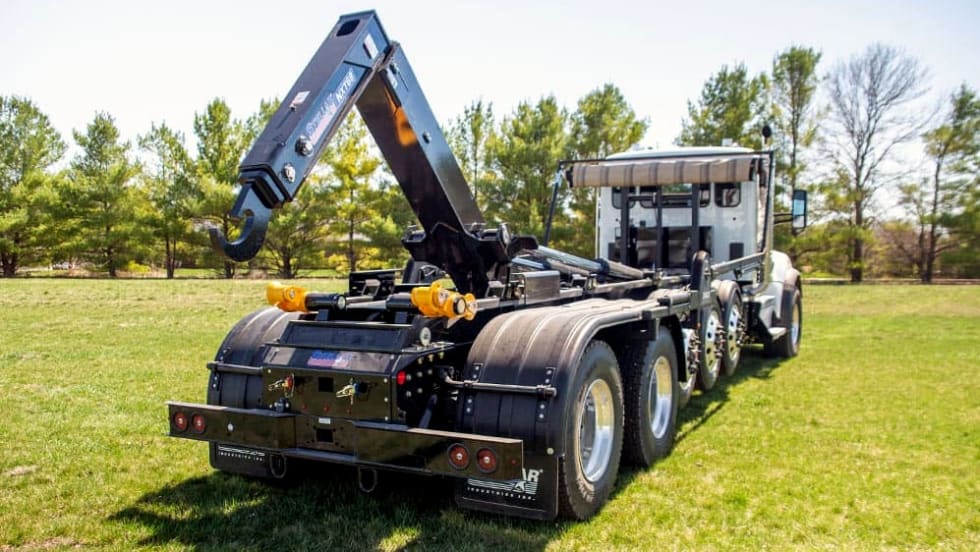
Hooklift Bumper Design from Stellar Showcases Strength & Versatility
Stellar Industries’ new bumper for the NZT Series Hooklifts come in two capacity options: the 20K, designed for Class 3 – 6 chassis with a 20,000-pound pull capacity, and the 90K, built for Class 7 and 8 chassis with a 90,000-pound pull capacity.
Read More →