




Don't Wait 'Til It's Too Late! How to Reduce Costs and Increase Uptime
Trends for Specifying Utility Bucket Trucks
Before purchasing a bucket truck, consider the various factors to ensure a comprehensive understanding of how line workers will use it in the field.
by Osvaldo Jimenez and Ryan Kloos, Terex
May 30, 2023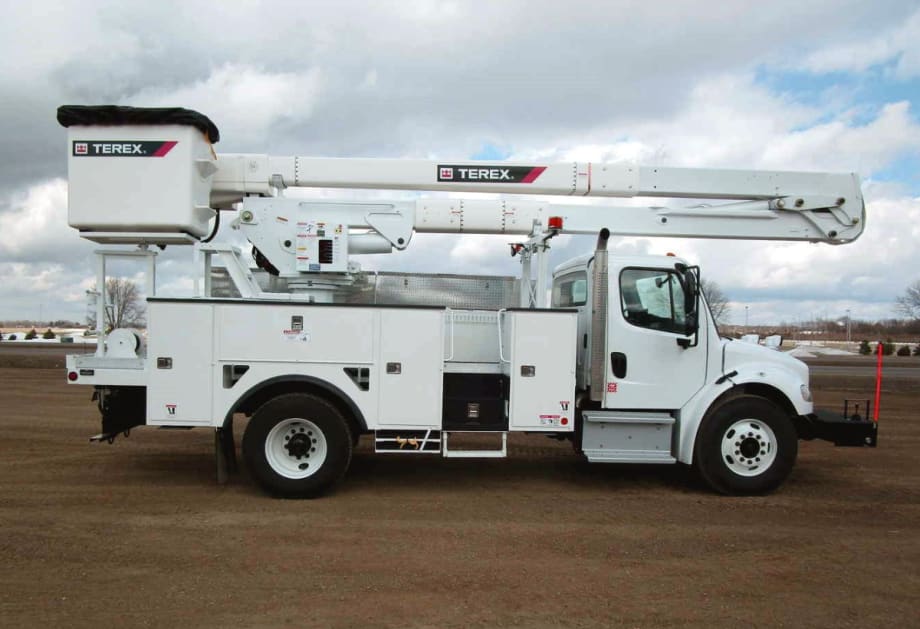
With the introduction of Terex’s Optima Series, the stacked boom configuration has become more widely accepted by IOU customers. This configuration delivers low travel height plus other benefits.
Photo: Terex
6 min to read
As the demand for efficient and safe operations continues to drive the utility industry forward, specifying bucket truck trends has significantly changed.
Investor-owned utilities now prioritize ergonomics and enhanced operator experience when selecting aerial devices for their utility fleets.
This shift in focus has led to boom designs and accessory specifications that offer greater flexibility in personnel positioning.
Before purchasing a bucket truck, it is essential to consider various factors to ensure a comprehensive understanding of how line workers will use it in the field.
By doing so, utility companies can make informed decisions that optimize productivity and safe work practices in their operations.
Let’s explore some of the factors to consider when purchasing a bucket truck and trends for specifying utility bucket trucks.
Key Considerations Before Ordering a Bucket Truck
The first thing to do is bring the right parties to the table, starting with the OEM account manager.
Input from your safety and fleet managers is essential, while people from field operations provide valuable insight into how the truck will be used day-to-day.
Any other subject matter experts from the field, who understand the job requirements for the vehicle, would also be good to invite.
Buying a bucket truck starts with identifying:
The crew’s needs for working height.
Side reach.
Material handling capacity.
Vehicle payload capacity.
All this information also impacts the chassis selection, including single rear or tandem rear axle configuration, required horsepower, cab-to-axle length, boom length, available payload, and multiple other options.
Aerials with higher bucket heights and reach require greater gross vehicle capacity of the chassis, and many companies prefer all-wheel drive with higher horsepower engines.
Other scenarios might be stronger axles, aluminum cabs to reduce the overall weight or alternative fuel options.
Depending on the application, consider larger fuel tank capacity, horizontal or vertical exhaust configurations, or even an electric truck if one is available for the truck class size needed.
Provide this information to your OEM account manager. At Terex, we will prepare a detailed quote, which you can review with your team and clarify any details before proceeding to the next step.
After you receive an order, we will also provide a detailed 3D drawing so you can review it again with your team to make sure that all details are captured properly.
Should You opt for OvercenterBoom Configurations?
In recent years, utilities frequently opt for overcenter boom configurations. Overcenter aerial devices are typically selected for the range of upper boom articulation they provide.
This supports distribution work practices that take place on both sides of the pole. Overcenter aerial devices have a greater range of motion, better side reach (up to five feet more in some cases), and lower access to the ground in the overcenter position.
One example of an application where this is beneficial is when the line worker needs to reach the lines on the field side of the poles while remaining set up on the roadway. They can lay the boom out flat and swing under the lines, then raise the upper boom up to reach the work, rather than work in between the lines.
If the line worker can get in the correct position to do their work, it can accomplish the tasks assigned without multiple setups, as long as each task can be accomplished safely.
Reducing ergonomics risk when in the overcenter ground mount position allows the operator to lower the bucket close to or even on the ground.
Consider all the tools, including phase lifters, crimpers, hydraulic drills or chain saws, and components that go into the bucket with personnel or are installed on the material handling jib.
It is easier for the ground worker to hand materials off with the platform at the ground rather than lifting items over their shoulder or in the boom's stowed position.
Better ground access also makes cleaning out debris in the platform easier and aids personnel rescue.
Stacked Boom Sections to Reduce Stowed Height
Utilities also frequently look to reduce the overall stowed height of the aerial device as much as possible.
This is dictated by the need to access tight areas, such as highway overpasses or entry through garage doors. In the past, the side-by-side boom configuration was the only option that offered low travel height.
However, with the introduction of Terex’s Optima Series, the stacked boom configuration has become more widely accepted by large utilities. This configuration delivers low travel height plus other benefits.
The stacked boom configuration weighs less on average than side-by-side booms. This increases available chassis options and increases truck bed and storage space.
Investor-owned utilities often prefer more payload capacity for stocking the truck with supplies when serving a large geographic area with crews stationed a long distance from their warehouse centers.
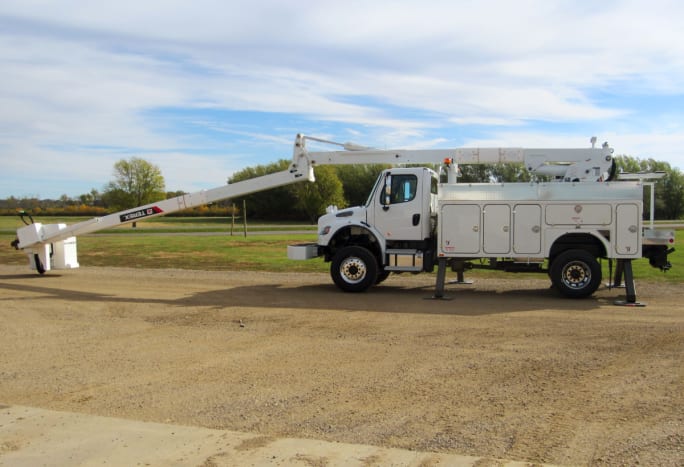
Overcenter aerial devices are typically selected for the range of upper boom articulation they provide, including being able to lower the bucket close to the ground.
Photo: Terex
Equipment for Extra Reach and Height
Two other pieces of optional equipment that are frequently selected — hydraulic extended jibs and a 24-inch platform lifter — further support the goal of increasing versatility.
Material handling jibs allow the operator to lift loads to the work zone. Top-mounted jibs offer the option of hydraulic articulation and extension.
More often, the jib type that allows extension under load is selected. Roller assemblies above and below the jib allow this type of jib to extend and retract when loaded, as long as it is loaded within the capacity rating of the jib.
However, the other option is simplified/compact jibs, which provide infinite positioning through 120 degrees of articulation envelope and a load radius of 0 to 65 inches. Hydraulic extension and repositioning are possible, but not while the jib is under load.
It is also popular to add a 24-inch platform lifter. This enables the bucket to be elevated independently from the boom, effectively adding two feet of working height to the unit without repositioning the boom.
Increased access to the work area potentially reduces the twisting and straining that can cause ergonomic injuries.
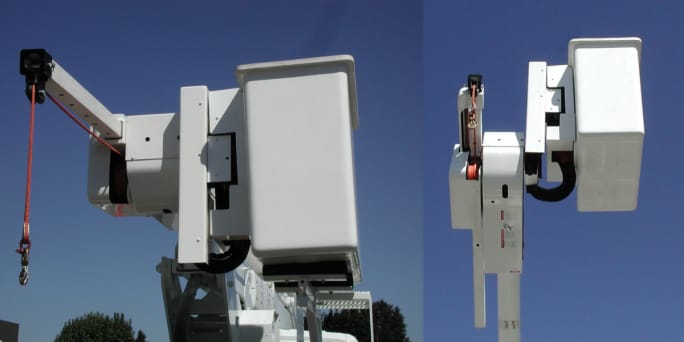
Platform lifter is a popular option that enables the bucket to be elevated independently from the boom.
Photo: Terex
Evaluating and Reducing Risks: Create a Standard Spec Document
Each utility can have different work conditions depending on the services they provide and their service area.
Often the safety department or standards committees play an integral role in equipment specification.
Understanding the unique factors that affect their employees’ work is central to evaluating and reducing risks to accomplish the task the crews are assigned. The environment and the tools used are a few of those influencing factors when utilities create their safe work practices.
Finally, take one last step to simplify future purchases by developing a standard spec document. You have already done the tedious work of identifying application needs, functional requirements, system requirements, safety requirements, business goals, key options, and budget.
And you have worked with the OEM account manager to evaluate the equipment and options.
Creating and sharing standard spec documents with other departments helps to maintain fleet consistency, reduces parts inventory, and ultimately improves return on investment.
Subscribe to Our Newsletter
More Utility Fleet
Reduce Noise & Idling with Viatec’s ePTO
Viatec's Workforce ePTO lets utility trucks power booms, outriggers, and auxiliary equipment using battery power instead of idling the engine. Learn how this technology helps reduce fuel use, noise, engine wear, and emissions while improving operator comfort.
Read More →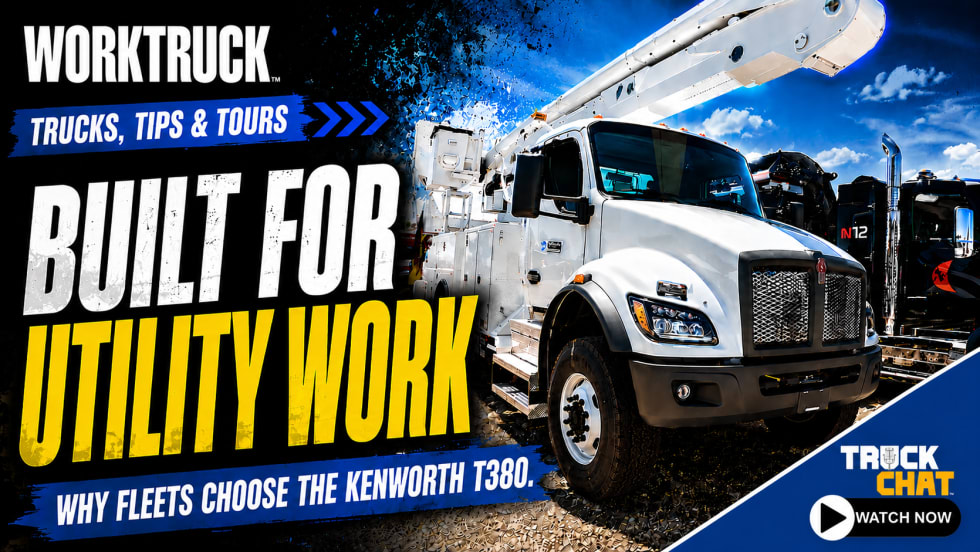
Why Utility Fleets Choose the Kenworth T380
The Kenworth T380 is engineered for utility fleets with custom chassis layouts, optimized frame rails, 4x4 capability, and improved driver visibility. See how its design helps maximize upfit flexibility and field performance.
Read More →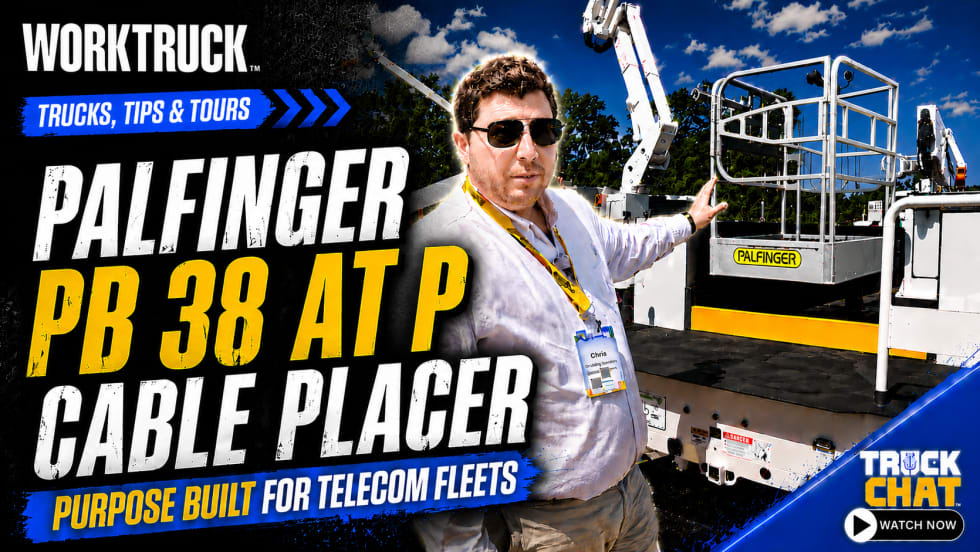
PALFINGER PB 38 AT P: Purpose-Built for Telecom Fleets
Purpose-built for telecommunications crews, the PALFINGER PB 38 ATP combines a 43-foot working height, flexible basket stowage, integrated cameras, and operator communication systems to improve productivity and safety during fiber and overhead cable installation.
Read More →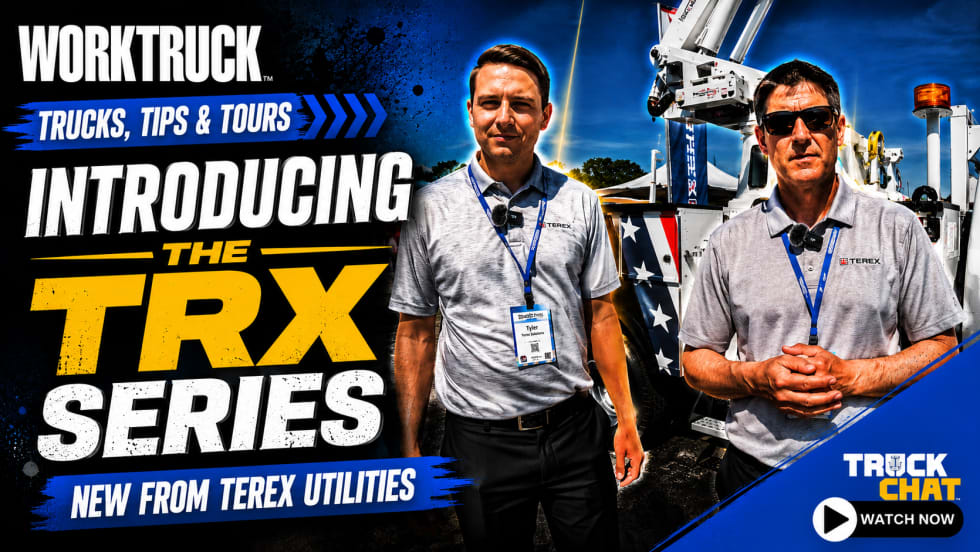
Inside Terex Utilities' Latest Work Truck Innovations
Terex Utilities is advancing utility fleet operations with its new TRX aerial platforms, Flex Pro controls, and AI-powered 3rd Eye safety technology. See how these innovations are helping fleets work safer, smarter, and more productively.
Read More →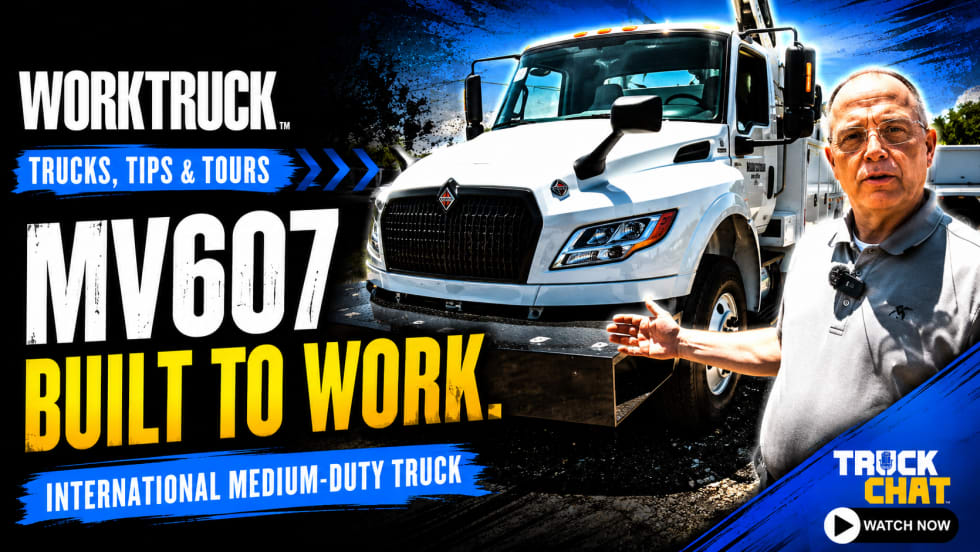
Walkaround of International MV607 Digger Derrick
The International MV607 combines advanced safety technologies, excellent visibility, vocational flexibility, and seamless body integration to create a powerful platform for utility fleet operations. Take a closer look at this Altec digger derrick configuration from EUFMC.
Read More →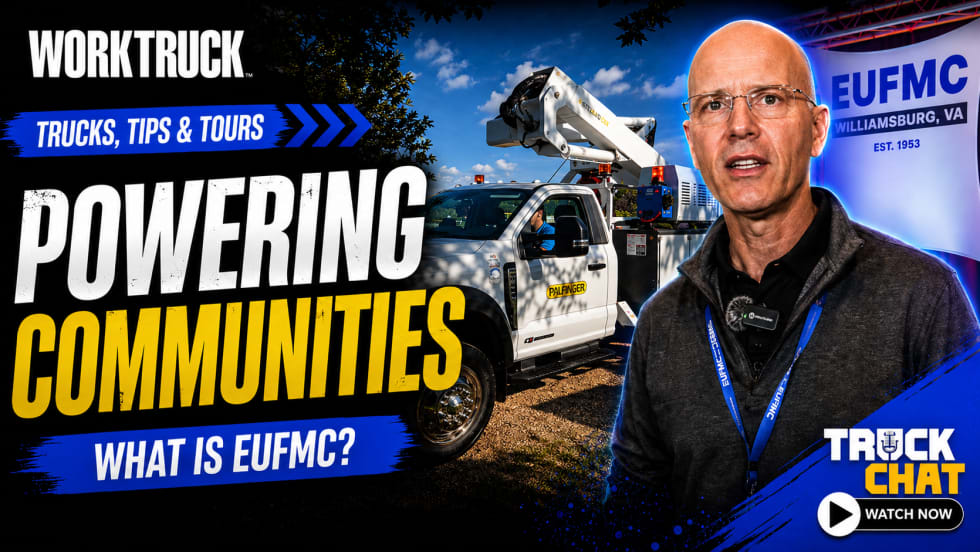
Inside the Electric Utility Fleet Managers Conference
What is EUFMC? For more than seven decades, the Electric Utility Fleet Managers Conference has served as a hub for collaboration, education, and innovation within the utility fleet industry. In this video, Work Truck talks to EUFMC President Greg Loew to learn more.
Read More →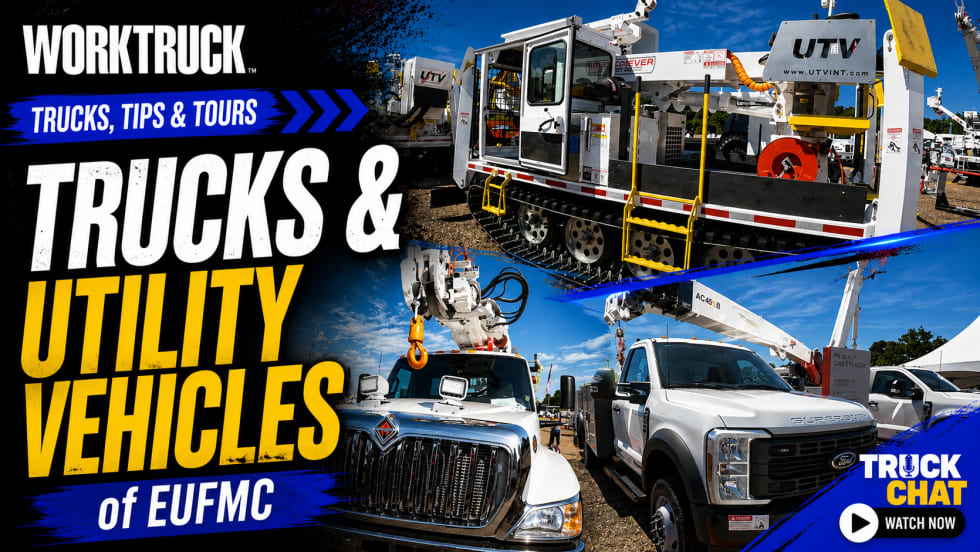
Inside the EUFMC Equipment Expo & Drive-Through
Follow Work Truck as we check out the trucks and other vehicles that were showcased at the Electric Utility Fleet Managers Conference in Williamsburg, Virginia. Whether looking for something on tires or treads, it was there for fleet managers to see.
Read More →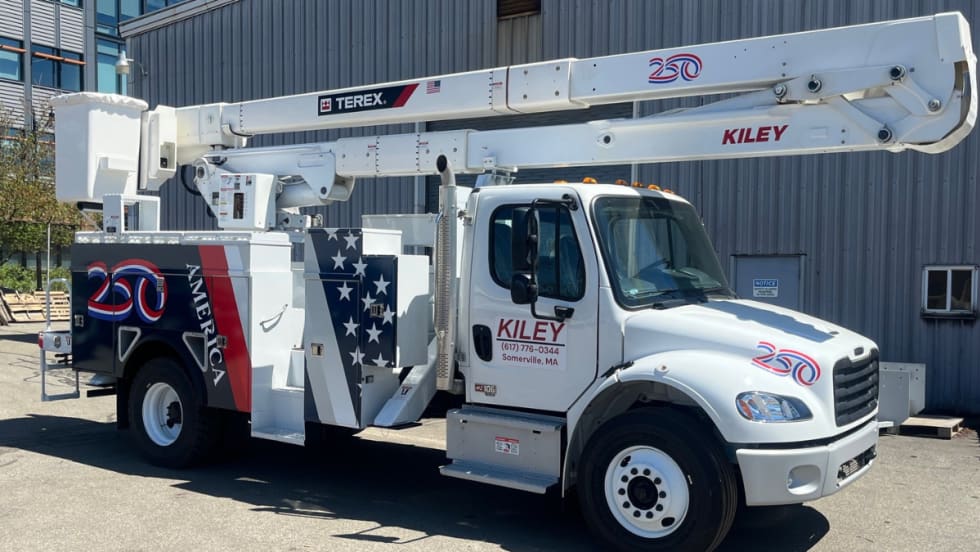
Terex Utilities & Kiley Unveil Custom America 250 Bucket Trucks at EUFMC 2026
Terex Utilities showcased a patriotic spirit in its booth this week during the Electric Utility Fleet Managers Conference in Williamsburg, Virginia, by debuting two custom-wrapped bucket trucks celebrating America’s upcoming 250th anniversary.
Read More →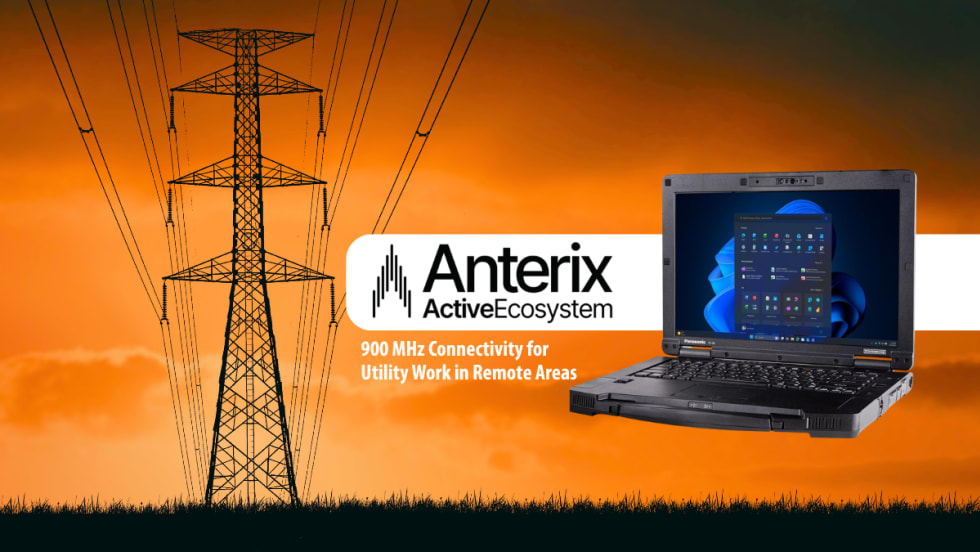
Panasonic Connect & Anterix Strengthen Connectivity Options for Utilities and Field Workers
The Panasonic Connect Toughbook 56 is the first Toughbook to earn the AnterixActive badge, which means it can connect to and operate on Anterix’s 900 MHz network even in the most remote locations.
Read More →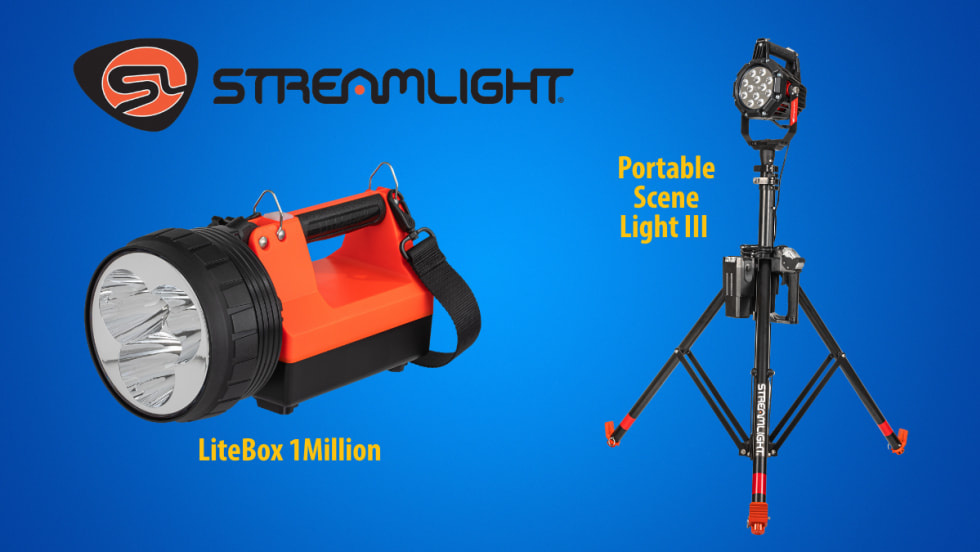
Streamlight Launches Portable Scene Light III & LiteBox 1Million
Streamlight has launched its Portable Scene Light III (PSL III), which delivers up to 10,000 lumens, and the LiteBox 1Million, a long-range search light that delivers one million candela.
Read More →