




The Shift to Biodiesel is Gaining Momentum
More than 600 fleets currently use biodiesel, according to the U.S. Department of Energy. This number promises to grow based on several recent announcements.


Photo: Work Truck
San Francisco city departments and agencies using B-20 include the San Francisco Airport, Department of Public Works, MUNI buses, and the San Francisco Zoo. Also, the San Francisco Fire Department expects to expand the use of biodiesel throughout the city upon completion of its pilot program. San Francisco already has more than 800 alt-fuel vehicles in its departmental and agency fleets. The number municipal fleets using biodiesel is growing.
Recently, two additional cities announced that they will be transitioning to biodiesel. One is Boston. Mayor Thomas Menino recently ordered the changeover of Boston’s 450 diesel vehicles to biodiesel. Another is Fayetteville, N.C, which is transitioning its 200-unit diesel fleet to B-20. Among county fleets, Snohomish County in Washington is one of a number of county fleets using B-20 in its diesel vehicles, off-road units, and construction equipment.
At the state level, South Dakota Gov. Mike Rounds directed the state Department of Transportation (DOT) to use biodiesel-blended fuel whenever possible for its more than 1,200 diesel-powered vehicles. Similarly, a Washington state law mandates the state vehicle fleets use at least 20-percent biodiesel by June 2009. Last fall, Minnesota became the first state to require biodiesel to be blended into all diesel fuel, using soybean-based oil.
Why is Biodiesel Attractive?
One reason why biodiesel is attractive is because it can be used in any diesel engine with few or no modifications to the engine or fuel system. It can be blended with petroleum diesel at any level, such as B-20, which is a blend of 20 percent biodiesel and 80 percent petroleum diesel. Biodiesel is a renewable diesel fuel made from soybean oil or other domestic fats and vegetable oils. Also, biodiesel is available throughout the U.S. The National Biodiesel Board maintains a list of registered fuel suppliers as well as petroleum distributors and retail fueling sites.
However, biodiesel has a solvent effect that may release deposits accumulated on fuel tank walls and pipes from previous diesel fuel usage. The release of these deposits may initially accumulate in fuel filters, so fuel filters must be checked more frequently during early use of biodiesel. It is recommended that only biodiesel fuel meeting the specification (D 6751) be used.
Satisfies EPACT Mandates
Effective November 1998, the U.S. Congress approved the use of biodiesel to comply with Energy Policy Act (EPACT) man-dates and Executive Order 13149 requirements. Federal agencies can meet up to 50 percent of their AFV acquisition credits by using biodiesel fuel. Under this biodiesel fuel use credits provision, fleets may choose to operate existing diesel vehicles that weigh more than 8,500 lbs. on blends of biodiesel in lieu of purchasing a new alternative-fuel vehicle.
For each 450 gallons of pure biodiesel purchased and consumed, an alternative-fuel vehicle credit is awarded. To constitute a “qualifying volume” a 20-percent biodiesel blend (B-20) or higher blend must be used. For example, if a fleet wished to qualify for the credit using 100-percent biodiesel it would need to purchase and use 450 gallons of B-100 to receive one credit. Alternatively, if a fleet wanted to qualify for the credit using B-20, it would need to purchase and use 2,250 total gallons of the B-20 fuel. B-20 is also approved as a compliance tool for Executive Order 13149.
Meeting Mandates without Changing Vehicles
Since the use of biodiesel does not require major engine modifications, it means that public sector fleets can keep their existing fleets, spare parts inventories, refueling stations, and diagnostic equipment.
It also means that fleet maintenance technicians do not need to be retrained to service new powertrains and fuel systems. When reviewing the high costs associated with other alternative-fuel systems, many fleet managers have determined that biodiesel is their most cost-effective strategy to comply with state and federal clean air regulations. Although biodiesel is more expensive than petroleum diesel, a federal tax incentive helps lower the cost of biodiesel blends in both tax-exempt and taxable markets.
The Congressional Budget Office and the U.S. Department of Agriculture have both confirmed that the biodiesel is the lowest-cost alternative-fuel option for meeting the Federal government’s EPACT compliance requirements. Because it works with existing diesel engines, biodiesel offers an immediate and seamless way to transition existing diesel vehicles into a cleaner burning fleet.
More Green Fleet

Fleet Forward Conference Introduces One-Day Passes for 2026
New one-day registration gives fleet professionals the flexibility to attend Tuesday, Wednesday, or Thursday, with passes available for $199 through Sept. 18.
Read More →
CALSTART Rebrands as Catalyst Mobility, Will Combine with Forth in 2027
CALSTART has rebranded as Catalyst Mobility and will combine with Forth at the start of 2027. The new organization said it is poised to become one of the world's largest, strongest, and most impactful clean transportation nonprofits.
Read More →
Electric Truck and Charging Programs to Boost Sustainability at NY & NJ Ports
Together, the Port Authority of New York and New Jersey and CALSTART will electrify drayage and terminal operations serving the East Coast’s busiest container port. A pair of incentive programs totaling $45 million has launched to accelerate adoption of zero-emission drayage trucks and terminal tractors.
Read More →
Xos Hub Surpasses One Gigawatt-Hour of Energy Delivered in the Field
A single Xos Hub has surpassed one gigawatt-hour of energy across more than 33,600 charging sessions in the field, demonstrating performance that supports Xos' expansion across new products and markets.
Read More →
Carrier Transicold Launches All-Electric Vector 8200 TRU for Diesel-Free On-Site Cold Storage
Carrier Transicold’s first engineless multi-temperature TRU helps fresh- and frozen-food fleets add supplemental cold storage capacity during seasonal peaks.
Read More →
Narro Trucks Introduces Electric Utility Vehicle
Narro Trucks officially launched its operations on Aug. 20 and hosted a ride and drive to showcase its electric truck, which will be produced in Virginia.
Read More →
Samsung SDI Takes Full Control of GM Battery JV as Indiana Plant Pivots to Energy Storage
Samsung SDI is taking full control of its Indiana battery plant with GM, marking a major shift from the EV-focused joint venture Charged Fleet first covered in 2023.
Read More →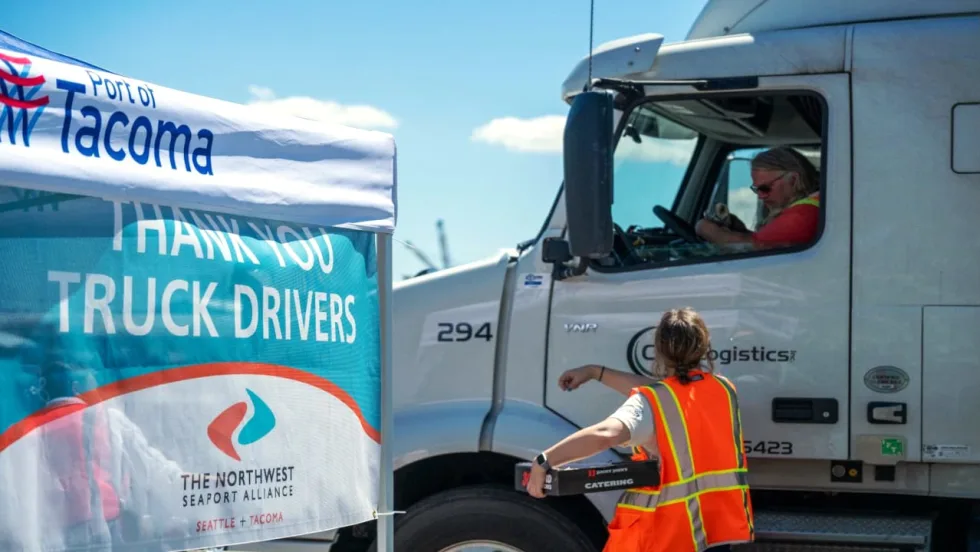
NWSA Taps CALSTART to Administer Zero-Emission Drayage Assistance Program
CALSTART will provide free technical assistance services to drayage fleets serving the Ports of Seattle and Tacoma and looking to transition to cleaner technologies and help decarbonize freight hubs.
Read More →
EV Fleet Reality Check: What Operators Wish They Knew Before Electrifying Their Work Vans
Electric work truck upfits bring new compatibility questions. Learn how parts availability, OEM guidance, power demands, and route planning can affect fleet performance.
Read More →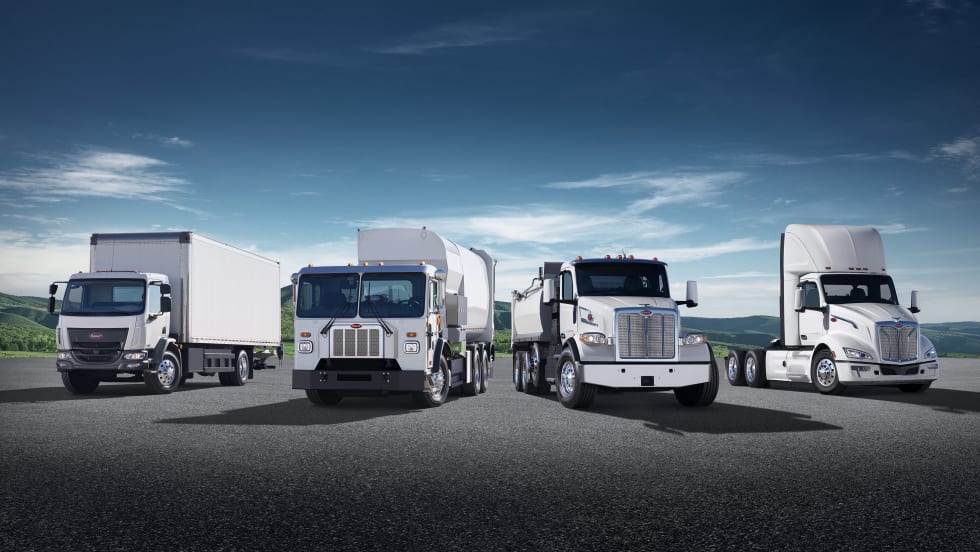
Peterbilt Expands Sourcewell Partnership with Electric Vehicle Lineup
Peterbilt Motors Company’s cooperative purchasing agreement with Sourcewell and its Canadian partner, Canoe Procurement Group, now includes including Peterbilt's battery-electric vehicle lineup.
Read More →