





Read More: Electric Vehicle Growth Closely Tied to Data
The New World of Electric Pickups
Karl Brauer from iSeeCars shares insights on electric pickups when it comes to timelines, use cases, and performance — along with which independent makers have a chance in this new world.
September 21, 2021
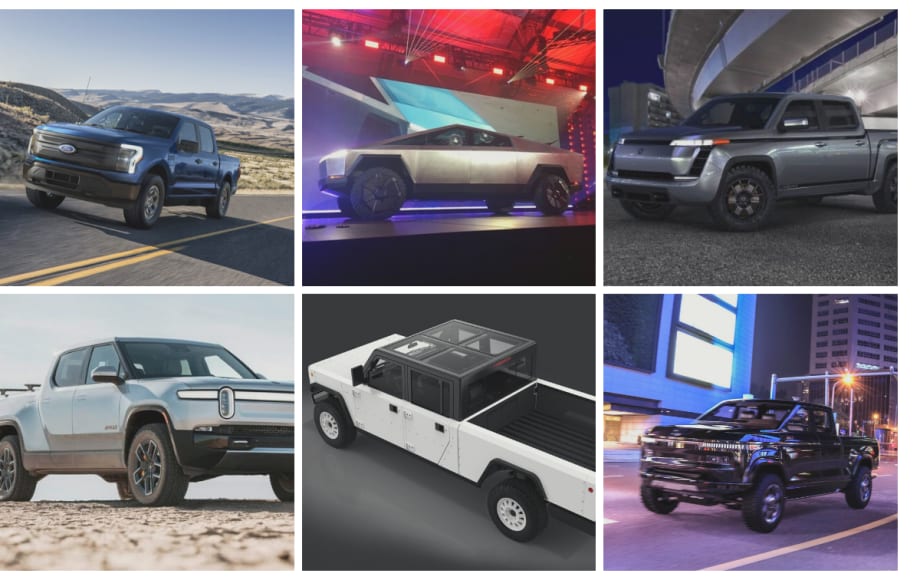
Many automakers are jumping on the EV bandwagon for pickups coming soon to the market. Karl Brauer of iSeeCars says that the auto giants like Ford and Chevy bring strength in funding and infrastructure, but Rivian is one to watch due to strong partnerships out of the gate.
Photos courtesy of Ford, Chris Brown, Rivian, Lordstown, Bollinger Motors, and Atlis Motor Vehicles.
5 min to read
As electrification is finally coming to the pickup market, and more OEMs are announcing hybrid or battery-powered vehicles, it begs the question — is an electric pickup feasible for fleets? Which vehicles are coming down the pike, and will they be successful?
We asked these questions and more to iSeeCars Executive Analyst Karl Brauer in episode 3 of Fast Forward to find out.
The (EV) Kids on the Block
Brauer talked turkey with Fleet Forward editor Chris Brown on his quick-hit thoughts about the new independents on the scene, including Lordstown, Bollinger, Rivian, and Atlis, as well as traditional players such as Ford and General Motors.
“I think the F-150 Lightning is clear evidence that the traditionals will not be ceding their market share easily to these upstarts that are coming in,” he commented on Ford’s position.
Similarly, speaking to Chevy’s offering, he mentions strength in another established automaker with a full network, supply chain access, high-volume production capabilities, “and now an EV version of a very popular truck that plenty of people already buy.”
As to that Cybertruck from Tesla, Brauer said: “I hope no one’s waiting with held breath on that one. I think it’ll eventually show up, but who knows when,” adding that Tesla does bring clout as an established company.
And Lordstown? “Not sure what’s going to happen with the company, let alone the vehicles that the company claims to be making,” he said.
Brauer called the Rivian R1T “probably the most impressive electric vehicle startup in startup mode” and “the real next potential Tesla.” It’s also worth noting Rivian looks to be first to market with its EV truck set for delivery by January 2022. However, Rivian isn't shooting for fleet use just yet as the R1T is initially being positioned as a "lifestyle vehicle."
As for Bollinger’s B2, “It’s very easy to make a concept car that looks really cool,” Brauer said. “Making a production vehicle with supply chains and high-volume sales and retailing outlets, much tougher. So Bollinger, like so many of these is a perfect example of that.”
Partnerships are key to success for these relative newcomers, and that’s why Brauer believes Rivian is best positioned for the long term. “They not only have an impressive corporate pedigree in terms of who’s working there right now and their histories, but also their ability to generate interest from the likes of Amazon and Ford,” he said. “And now, of course, another round of funding that they just received.”
The Electric Pickup’s Place in the Fleet World
Brauer said last-mile delivery is the most likely place we’ll see electric pickups put to use, at least out of the gate due to current charging infrastructure and recharging times. “An electric vehicle is really good at certain things and really bad at other things, and one of the things it’s bad at is, for instance, driving across the country,” he said. “But they’re really good at urban predictable routes.”
He added that they’ll work best in an environment where the driver has a home charging network or access to a delivery hub and fixed routes and plenty of range. “Suddenly, a 100-, 200-mile, 300-mile range electric pickup makes all the sense in the world. You now can send this vehicle out.”
Of course, added benefits in an urban delivery area are reduced noise and emissions. But enclosed and secure cargo space is a concern, and EV pickups will be hard up to compete with EV vans when thinking about the need for caps, ease of access and ergonomics of reaching into a bed. “It won’t be long until we see tradesmen reaching into an electric pickup’s ‘frunk’ (front trunk) to retrieve tools on the job site,” Brauer added.
While an electric pickup may not be an exact fit for a delivery environment compared to an electric van, they do offer one prime capability over internal-combustion pickups — the ability to use the EV battery to power tools onsite. “There’s actually some things that an electric pickup can do that an internal combustion engine (ICE) vehicle can’t do as easily once you’re at the worksite,” Brauer notes.
And there is towing. Surprisingly, EVs have proven to be champs in performance in towing compared to ICE vehicles, but suffer greatly in reduced range — so much so to make towing an almost non-starter with electric pickups, at least with today's battery technology.
“Once you leave the urban environment, the EV story starts to fall on its face, especially when you’re going a long distance and carrying a lot of things,” Brauer stated. In that scenario, “You’re going to not get the performance that you remotely see out of a diesel-powered truck, and F-350 is going to have such an advantage over an electric truck.”
However, Brauer believes that battery costs will keep coming down and battery density will keep going up. That’s some more good news.
The caveat, though, Brauer said is, “But how long before the cost and the density and the range are equating to what you would get out of an internal combustion engine, especially when you roll in recharge time.” If you’re trying to get over steep passes and need lots of torque — in which the Tesla Cybertruck is great — but if you’ve got 500 miles and you’re hauling, say, a boat, that’ll cost you 90% of your charge.
All in all, as the F-150 pickup is a top-selling vehicle over all for the last 40 years, by extension the F-150 Lightning will gather the most attention too. How dealers mark up that vehicle to sell from their lots will be an ongoing concern.
Brauer also added that dealers will play a pivotal role in the future. As more cars are purchased online and cut down on the need for showroom space, coupled with modern and electric vehicles requiring less maintenance, the old dealership model may no longer apply. Yet there is an opportunity for dealerships to become part of the EV charging infrastructure and offer a respite with added services for drivers stopping to charge up.
While no major changes will happen overnight, there is much to be seen over the next couple of months and years once these upcoming electric pickups hit the road.
Originally posted on Automotive Fleet
Subscribe to Our Newsletter
More Vehicle Research
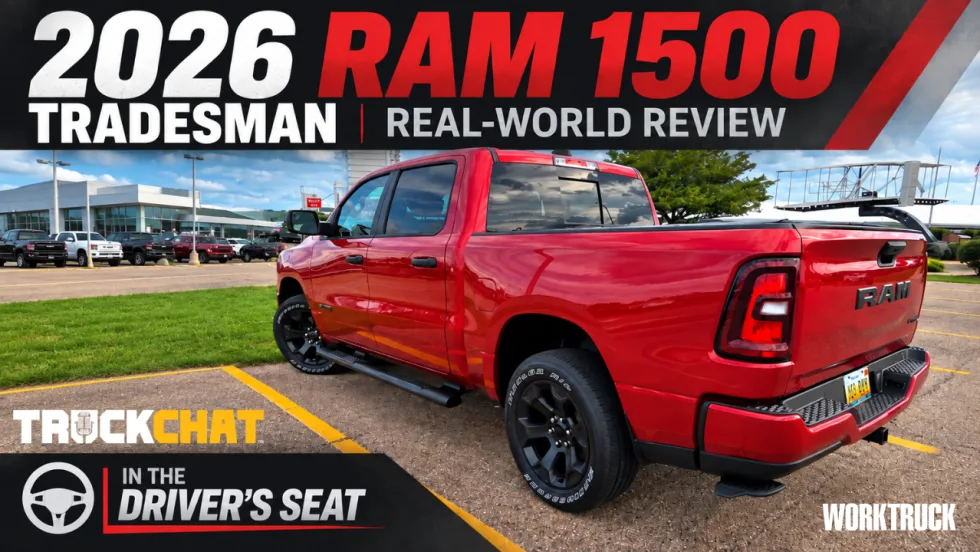
2026 Ram 1500 Tradesman Put to a Real-World Fleet Test
A few days behind the wheel of a 2026 Ram 1500 Tradesman turned into a test of visibility, parking, work-ready features, and even severe-weather driving.
Read More →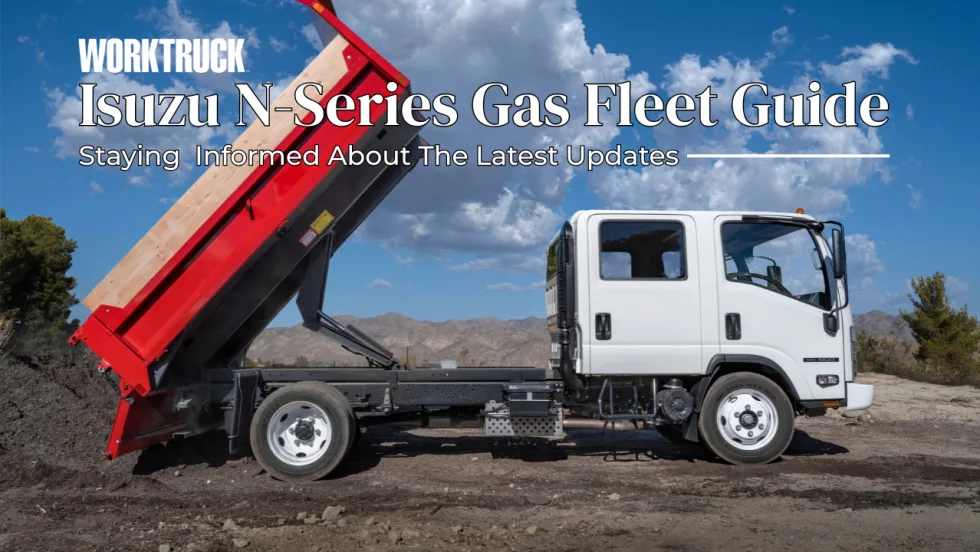
Isuzu N-Series Gas Fleet Guide: Specs, Capability and 2027 Model-Year Updates
Explore Isuzu Truck North America’s N-Series Gas fleet specs, engine performance, GVWR and payload capability, configurations, chassis dimensions, work-focused features, and 2027 model-year information.
Read More →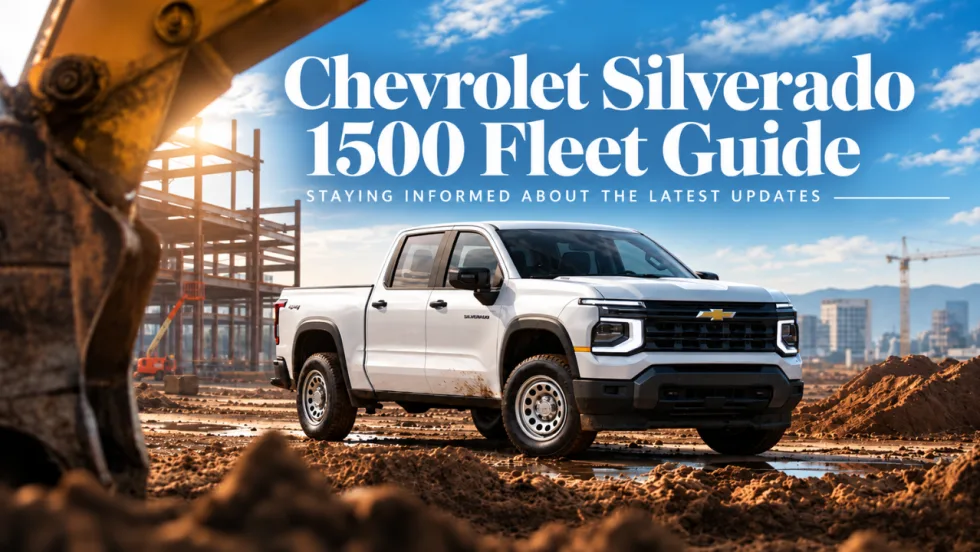
Chevrolet Silverado 1500 Fleet Guide Specs Capability and 2027 Model-Year Updates
The next-generation 2027 Chevrolet Silverado 1500 brings new V-8 engines, updated technology, expanded safety features, and a fleet-focused Work Truck. Here’s what commercial fleets need to know so far.
Read More →
Ram ProMaster City Fleet Guide Specs Cargo Capacity and 2027 Updates
Work Truck’s Ram ProMaster City Fleet Guide tracks the latest specifications, cargo capability, configurations, fleet technology, pricing, and model-year updates for Ram’s mid-size commercial van.
Read More →
Ford F-150 Fleet Guide Specs Capability and 2026 Model-Year Updates
Explore 2026 Ford F-150 fleet specs, engines, towing and payload capability, configurations, work features, technology, and model-year updates.
Read More →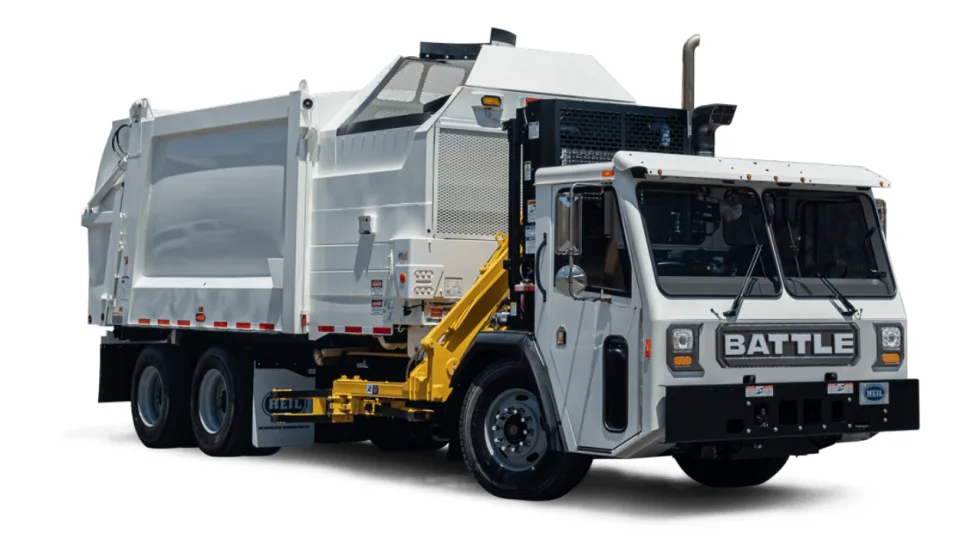
TCI Now Sells & Supports Battle Motors’ Vocational Trucks
Midwest truck dealer Truck Centers, Inc. (TCI) has expanded its transportation solutions with sales and service support for Battle Motors’ heavy-duty vocational trucks at locations in locations in Indiana, Illinois, and Missouri
Read More →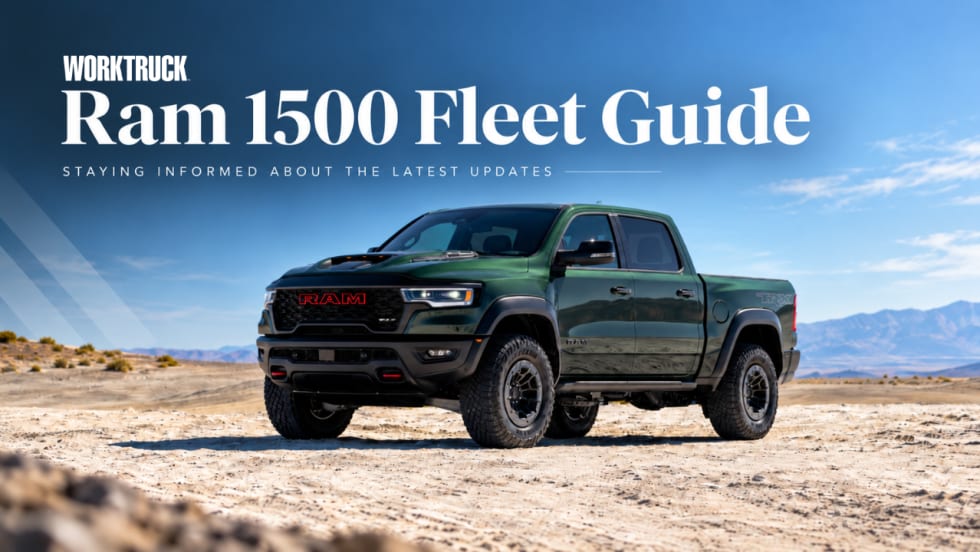
Ram 1500 Fleet Guide Specs, Capability and 2027 Model-Year Updates
Explore always up-to-date Ram 1500 fleet specs, engines, towing and payload capability, configurations, technology, pricing updates, and model-year changes.
Read More →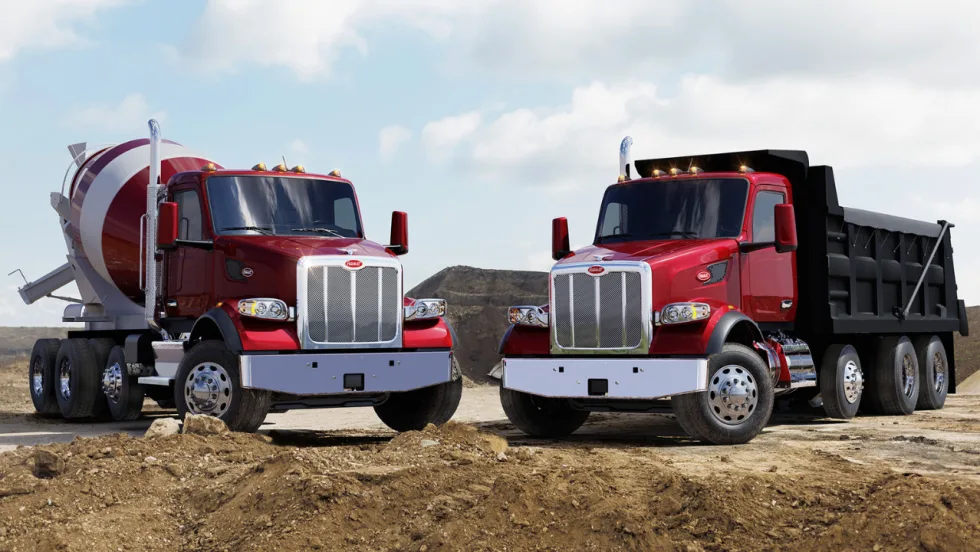
Peterbilt Trucks Equipped with Paccar TX-18 Pro Boost Efficiency for Maryland Fleet
Patuxent Companies is replacing aging trucks with the Peterbilt Model 567 and Model 589, specified with the Paccar TX-18 Pro 18-speed automated transmissions, and is reporting an 8% to 10% improvement in fuel economy.
Read More →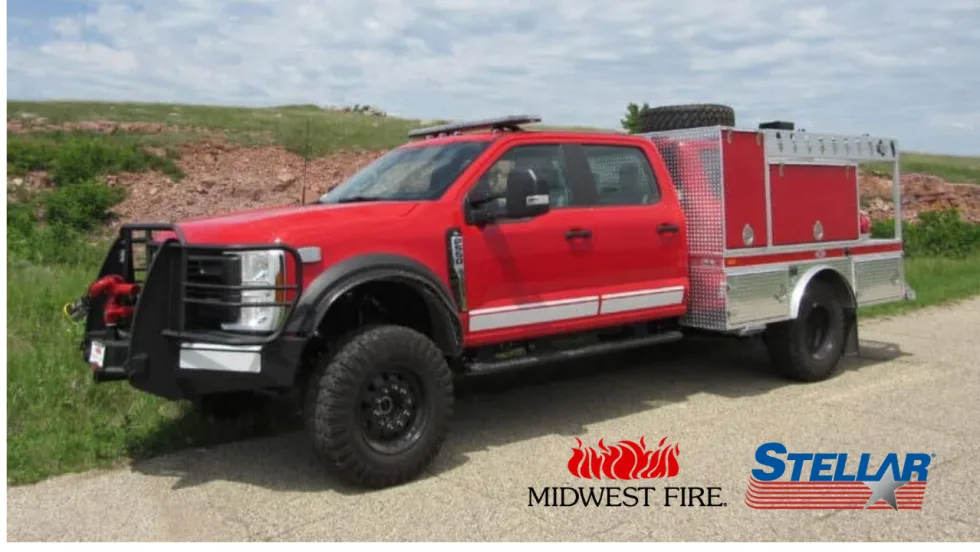
Stellar Expands into Fire Apparatus Market with Acquisition of Midwest Fire
Stellar Industries has acquired Midwest Fire, a custom fire apparatus manufacturer headquartered in Luverne, Minnesota, with nearly four decades of specialized apparatus experience.
Read More →
Recalls You Need to Know About in August 2026
If you have Altec, Chrysler, Ford, Heil, General Motors, International, Mack Trucks, Paccar, Rivian, Royal Truck, Toyota, US Truck Body, or Volvo Trucks vehicles in your fleet, you should check these important recalls issued by the National Highway Safety Administration.
Read More →