




Related: Motiv Power Systems Displays New F-59 All-Electric Chassis
The New Frontier for Medium-Duty EV Innovation
Innovation in the medium-duty CEV sector is imperative to increase market adoption but hinges on OEMs delivering cost-effective and reliable solutions to consumers.
by Jim Castelaz, Motiv Power Systems
April 21, 2020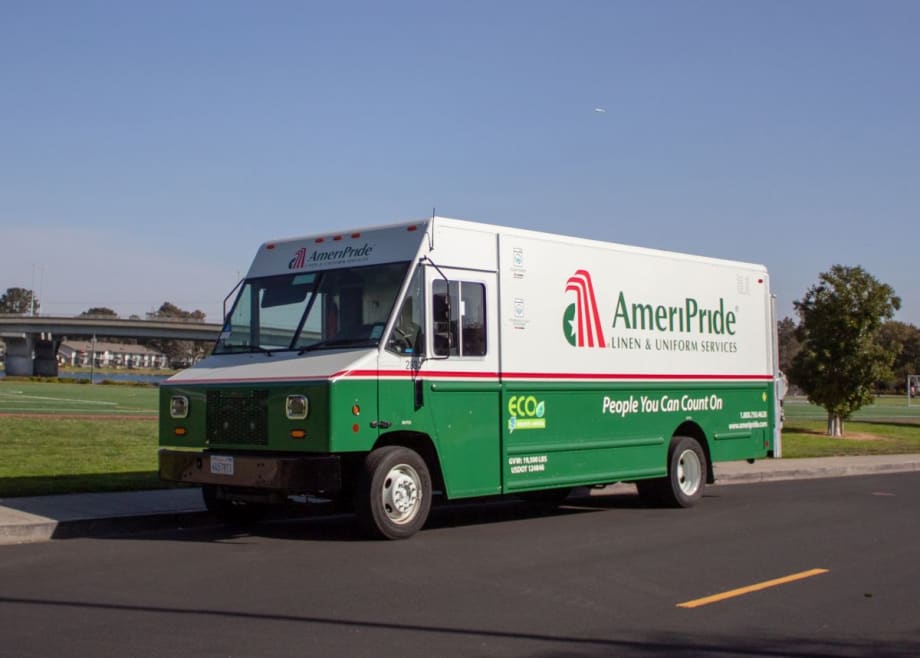
As the industry more broadly adopts this strategy, key CEV innovations and differentiators will be in software controls and flexible component integration.
Photo: Motiv
4 min to read
While the popularity of OEM passenger electric vehicles (EV) has skyrocketed in recent years, medium- and heavy-duty commercial electric vehicle (CEV) deployments are limited to pilots and small demonstration fleets. The lag in adoption appears surprising given that these deployments are ideal applications for electric vehicles, with repeatable routes and predictable overnight charging while parked in depots.
The real adoption barrier lies in the high cost and low reliability of these vehicles due to the approach that many CEV original equipment manufacturers (OEMs) have taken, which involves labor-intense, low volume manufacturing processes, and a lack of investment in product validation.
CEV OEMs are constantly faced with decisions on when to invest in development, when to integrate vertically, and when to source components from other suppliers and even other industries. In recent years, these OEMs have the opportunity to utilize more mature and cost-effective battery components and technologies that already exist in the passenger EV market.
Though few companies have adopted this strategy, it allows R&D investments to be focused on integration and scalability. As the race to cost parity with internal combustion vehicles becomes increasingly competitive, leveraging commoditized technologies will become advantageous. As such, advances in controls and software to integrate these components will be the true path to innovation.
Developing the Medium-Duty EV
Starting in the mid-2000s, passenger automobile OEMs began developing EV offerings but struggled to offer a compelling and economical electric vehicle with meaningful range and performance. Tesla became an industry success story by directly addressing these concerns. Its rapid growth was predicated on its ability to offer high-performance vehicles with a long-range.
While battery technology was a challenge for all automakers, Tesla strategically utilized commodity battery cells from consumer electronics to leverage mature technologies and economies of scale. In parallel, they focused on overall vehicle performance to offer a compelling EV product to consumers. Its success drove the rest of the EV market to follow suit, and passenger EV offerings now have a stringent focus on performance, range, and features.
Though the passenger EV market today has enough scale to drive commoditization of its components, the early success of the industry was facilitated by using commoditized building blocks to provide customers with a compelling offering. The commercial automobile OEM’s would do well to follow this approach to reduce costs and increase adoption.
Range & Performance Challenges
The range and performance challenges that passenger EVs faced are magnified in CEVs as they require more energy to haul larger payloads. Because a single, monolithic battery pack is impractical for installation and service, these vehicles typically require multiple battery packs, driving up vehicle cost and complexity. As such, taking advantage of commoditized passenger EV battery packs already tested and validated in automotive applications is the fastest path to cost parity without requiring substantial upfront investment or high-volume manufacturing.
Unlike light-duty applications, medium-duty applications have diverse applications and lower overall volumes, which may never enable a custom CEV battery to drive efficiencies of scale.
This is why, instead of focusing on developing battery technology, Motiv concentrated on building a highly flexible system - optimizing control of multiple packs and mechanically integrating off-the-shelf batteries into electric chassis.
Recently, this modularity allowed Motiv to integrate BMW lithium-ion packs, found in its all-electric i3 passenger cars, into our chassis. Strategies such as Motiv's are an example of how a small volume OEM can utilize extensively validated technology and economically manufactured components to drive down costs.
As the industry more broadly adopts this strategy, key CEV innovations and differentiators will be in software controls and flexible component integration.
Building flexible platforms in an emerging technology space not only allows commercial OEMs to capitalize on mature supply chains, but it also enables CEVs to evolve with technological advances. For instance, a decoupled battery approach will allow CEVs to keep pace with the rapid improvement of battery energy density, form factor, and price without a heavy R&D investment. Focusing on the ability to integrate a variety of battery technologies seamlessly can keep commercial OEMs competitive and their systems cutting edge.
Considering that a vehicle's battery pack is much more likely to be rendered obsolete during the service life of a CEV compared to other components, it may be more economical to upgrade vehicle batteries for existing vehicles rather than replace an entire vehicle in the future.
The Bottom Line
Looking ahead, innovation in the medium-duty CEV sector is imperative to increase market adoption but hinges on OEMs delivering cost-effective and reliable solutions to consumers. OEMs that focus on developing flexible product offerings with optimized control software for adaptable integrations will be able to leverage advantageous technologies in the absence of customized CEV options.
The race to cost parity with fossil fuel medium-duty vehicles will hinge on an OEMs ability to quickly and effectively integrate new technology solutions into their product offerings.
About the Author: Jim Castelaz is an electric vehicle entrepreneur, trained as an electrical engineer with expertise in power and embedded systems. As founder and CTO of Motiv, Jim champions the company's vision to "Free Fleets from Fossil Fuels" – a vision that summarizes his professional and personal passion. His experience includes capital formation, government grants, developing IP portfolios, and building a world-class team aligned around a shared purpose. For more information, visit www.motivps.com.
Subscribe to Our Newsletter
More Green Fleet

Fleet Forward Conference Introduces One-Day Passes for 2026
New one-day registration gives fleet professionals the flexibility to attend Tuesday, Wednesday, or Thursday, with passes available for $199 through Sept. 18.
Read More →
CALSTART Rebrands as Catalyst Mobility, Will Combine with Forth in 2027
CALSTART has rebranded as Catalyst Mobility and will combine with Forth at the start of 2027. The new organization said it is poised to become one of the world's largest, strongest, and most impactful clean transportation nonprofits.
Read More →
Electric Truck and Charging Programs to Boost Sustainability at NY & NJ Ports
Together, the Port Authority of New York and New Jersey and CALSTART will electrify drayage and terminal operations serving the East Coast’s busiest container port. A pair of incentive programs totaling $45 million has launched to accelerate adoption of zero-emission drayage trucks and terminal tractors.
Read More →
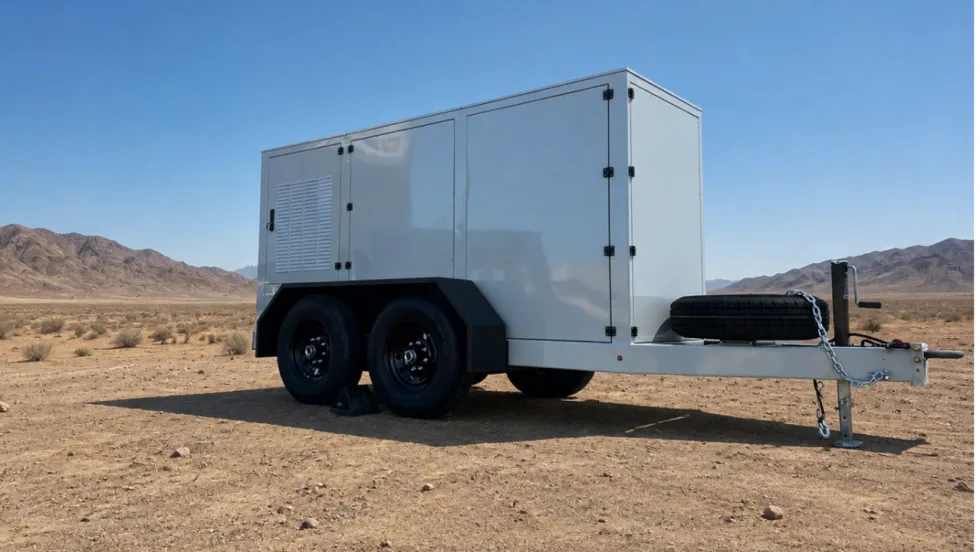
Xos Hub Surpasses One Gigawatt-Hour of Energy Delivered in the Field
A single Xos Hub has surpassed one gigawatt-hour of energy across more than 33,600 charging sessions in the field, demonstrating performance that supports Xos' expansion across new products and markets.
Read More →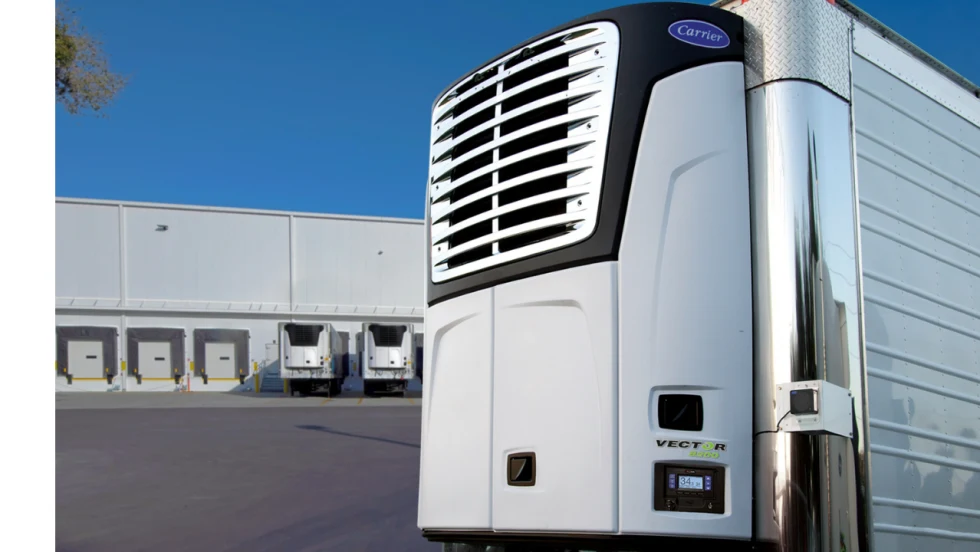
Carrier Transicold Launches All-Electric Vector 8200 TRU for Diesel-Free On-Site Cold Storage
Carrier Transicold’s first engineless multi-temperature TRU helps fresh- and frozen-food fleets add supplemental cold storage capacity during seasonal peaks.
Read More →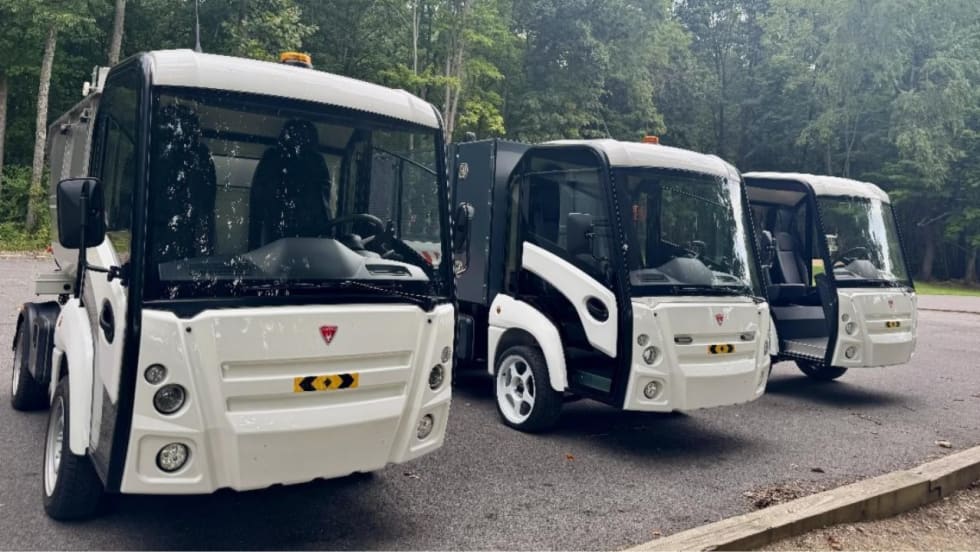
Narro Trucks Introduces Electric Utility Vehicle
Narro Trucks officially launched its operations on Aug. 20 and hosted a ride and drive to showcase its electric truck, which will be produced in Virginia.
Read More →
Samsung SDI Takes Full Control of GM Battery JV as Indiana Plant Pivots to Energy Storage
Samsung SDI is taking full control of its Indiana battery plant with GM, marking a major shift from the EV-focused joint venture Charged Fleet first covered in 2023.
Read More →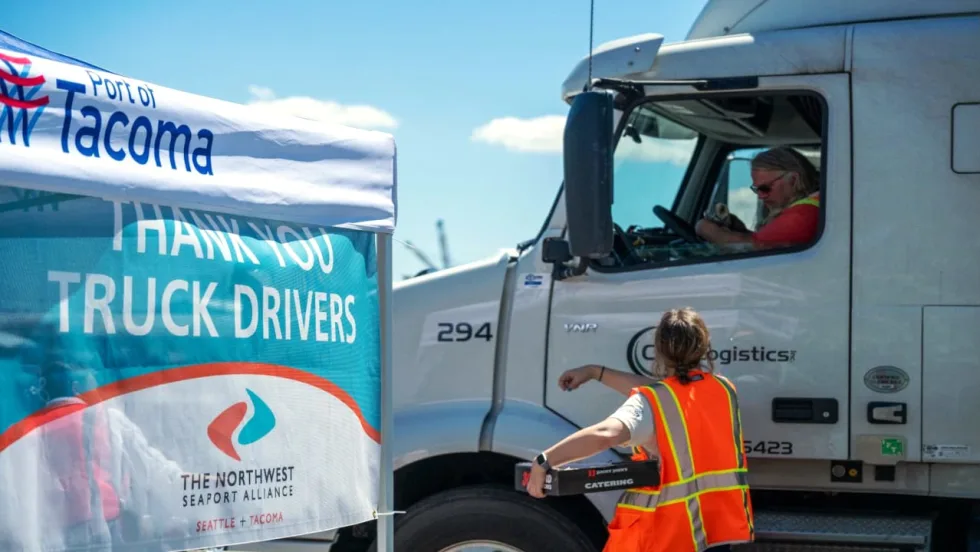
NWSA Taps CALSTART to Administer Zero-Emission Drayage Assistance Program
CALSTART will provide free technical assistance services to drayage fleets serving the Ports of Seattle and Tacoma and looking to transition to cleaner technologies and help decarbonize freight hubs.
Read More →
EV Fleet Reality Check: What Operators Wish They Knew Before Electrifying Their Work Vans
Electric work truck upfits bring new compatibility questions. Learn how parts availability, OEM guidance, power demands, and route planning can affect fleet performance.
Read More →
Peterbilt Expands Sourcewell Partnership with Electric Vehicle Lineup
Peterbilt Motors Company’s cooperative purchasing agreement with Sourcewell and its Canadian partner, Canoe Procurement Group, now includes including Peterbilt's battery-electric vehicle lineup.
Read More →