




Learn More: What to Look For When Spec’ing a Bucket Truck
The Best Impact Wrenches for Linemen: A Balance of Power and Ergonomics
The life of the battery and power impact wrenches deliver are key considerations when selecting what's best for your operation.
by The Utility Expo
August 30, 2021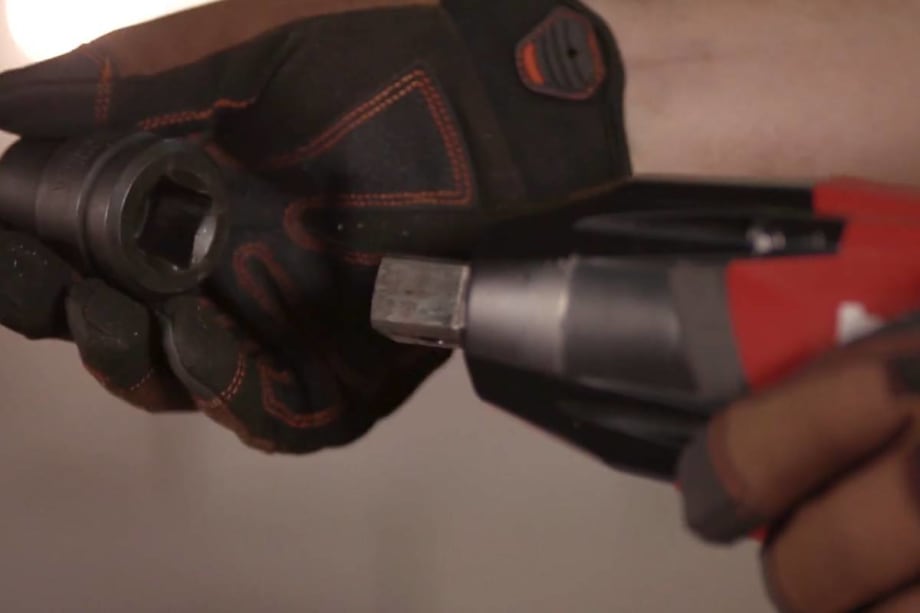
The life of the battery and power impact wrenches deliver are key considerations when selecting what's best for your operation.
4 min to read
Battery‐powered impact wrenches have largely replaced hydraulic and gas‐powered models in the utility market. Improvements in battery life and power mean linemen no longer have to carry long hydraulic hoses on the job or carry fuel to run their tools. The life of the battery and power it delivers are key considerations when selecting an impact wrench.
“Batteries today are much improved,” says Andrew Condino, account manager for Utilities at Makita. “They are lighter, charge faster, and hold more power than they did in the past.”
Condino says a big consideration for linemen is the battery platform.
“Utilities don’t want to keep four different chargers on the truck.” To solve that pain point, all of Makita’s utility tools use the same battery platform.
Users also compare how fast the impact wrench will charge and how it holds up over time. The newest batteries on the market use larger 21700 lithium cells while keeping the battery size small. These cells produce higher capacity and output per cell while running cooler.
Hilti offers three classes within their 22‐volt platform – a compact, advanced compact, and power class. “While the V22 8.0 Ah Li‐ion battery power class battery offers the most run time, we find users look for a balance of weight, size, and run time,” says Kevin Stahler, segment manager for Hilti North America‐ Power. “Most linemen choose the V22 4.0 Ah and find that work per charge is plenty to get them through the day with maybe one charge.”
Makita’s 18‐volt options include a 4.0 Ah Li‐ion battery that weighs in at 1.5 pounds while the 8.0 ah industrial battery weighs 2.5 pounds. Condino says whether or not a battery will last all day is dependent on the task. “If a lineman is drilling holes all day, it’s likely they are going to have to change out batteries a couple of times.”
Lighter Tools Reduce Injuries
Utilities today are increasingly paying attention to the role of ergonomics in improving worker productivity and avoiding lost time to due to work‐related musculoskeletal disorders – injuries of the muscles, tendons, joints, and nerves. The weight of the tool and distribution of the load within the tool are important considerations when linemen work with a tool like an impact wrench all day. It affects the way an operator holds the tool.
“While we strive to make the lightest tool possible, larger, more demanding applications require larger tools to achieve the desired performance in the application,” says Stahler. “Designing the tool to be well balanced and reduce operator fatigue is important.”
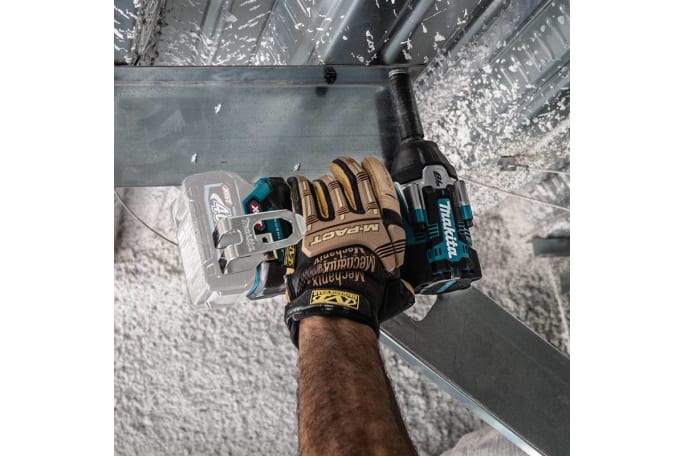
All of Makita’s utility tools use the same battery platform.
Photo: Makita
Match Torque To The Job
The impact wrenches linemen use today are equipped with brushless motor technology that prevents the tool from losing power when it comes in contact or proximity of an energized line. According to Cordino, linemen often call the high‐torque impact wrench – “the hard money gun.” It has the most power and is designed to work as fast as possible. Torque is measured in foot pounds and manufacturers have several options depending on the power needed. Both Cordino and Stahler believe the mid‐torque category is growing as linemen recognize lighter weight tools have the power to get the job done.
“Torque and speed go hand in hand,” says Stahler. “You get the job done faster with more torque.” But too much power can also be a problem. “Some connectors may only need 20‐foot pound,” says Condino. “A lineman puts a tool on at full speed and overtightens and strips the threads on the bolt.” Makita’s solution to the problem is a torque‐limiting feature called an “auto‐stop” that gives utilities more control over fastening.
Lifetime Cost Of Ownership
Determining what impact wrench will be the lowest cost over the life the tool requires tracking maintenance and repair costs, along with battery life.
“Makita impact wrenches feature seals and gaskets that keep water and dirt from damaging the motor and core components,” says Condino. “The tools keep on working and are more reliable.” The company also offers a three‐year warranty.
Hilti’s ON!Track software solution provides tool and asset tracking to help customers manage costs by asset, job, and time. “Hilti covers wear and tear for two years when the tool, batteries, and charger are purchased or three years when the tool is purchased with the Fleet Management program. Hilti Tool Fleet Management provides tools at a fixed monthly rate for a defined usage period, eliminating up‐front capital investment.
Subscribe to Our Newsletter
More Maintenance
Les Schwab Expands Commercial Tire Footprint Into Arizona
Les Schwab Tires has expanded into Arizona with two commercial tire locations in Phoenix and Tucson, strengthening its fleet service footprint in the Southwest.
Read More →
Volvo Trucks’ 'Lock and Leave' Software Updates Go Live Across North America
Unattended over-the-air software updates are now available in Volvo trucks across the U.S. and Canada. The new capability lets trucks stay current with the latest software without interrupting operations or requiring a dealership visit.
Read More →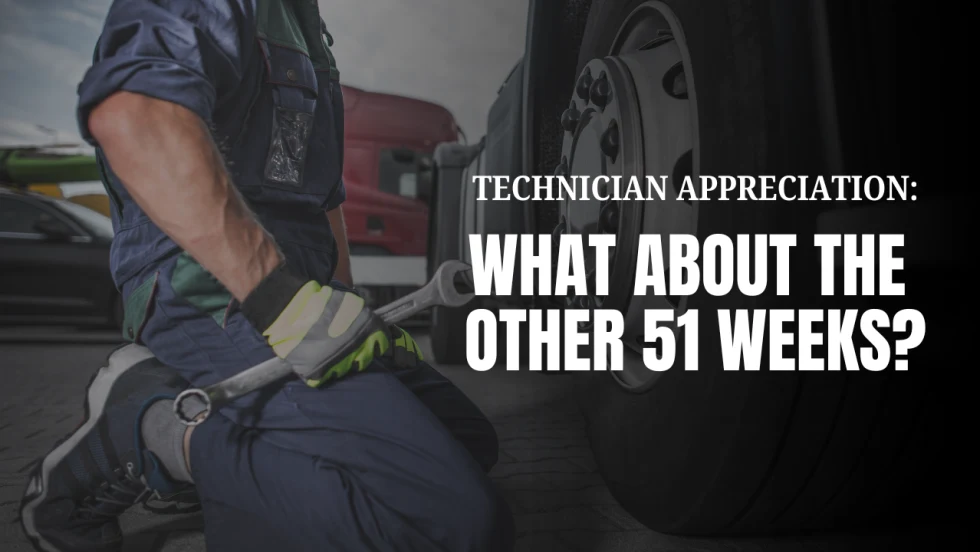
Why Technician Appreciation Can’t Be a Once-a-Year Thought
For fleets trying to keep skilled technicians, recognition cannot begin and end with Technician Appreciation Week. Learn what year-round appreciation really looks like and why the everyday technician experience matters just as much as pay when fleets are trying to keep good people.
Read More →
How Faster Driver Reporting Can Keep Small Truck Problems Small
When minor damage, warning lights, or equipment issues are reported late, small problems can quickly become bigger maintenance headaches. Conversational AI can help shorten the path from what a driver notices in the field to the person who can act on it.
Read More →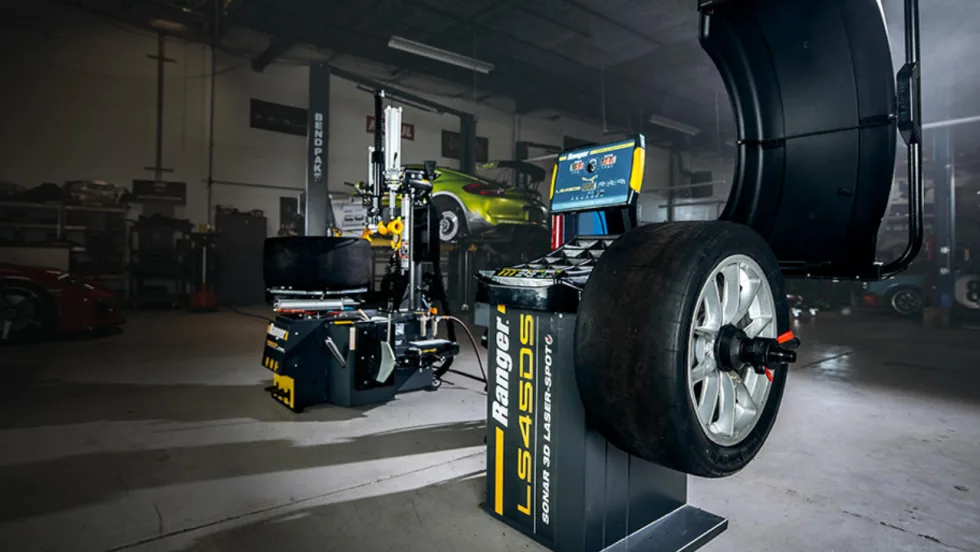
BendPak’s Ranger Wheel Service Equipment Achieves North American Safety Certification
BendPak’s full line of Ranger tire changers and wheel balancers has been ETL certified to UL and CSA standards to improve operator safety.
Read More →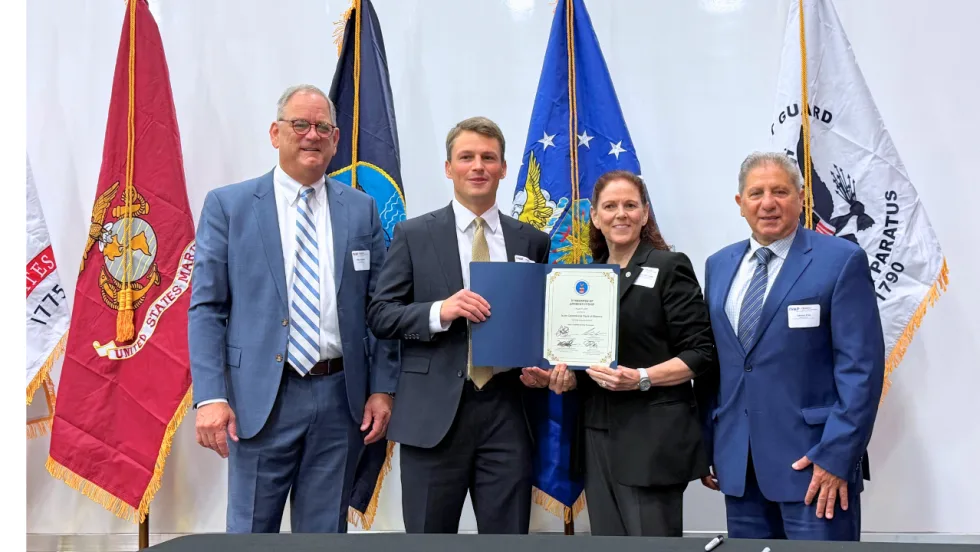
Isuzu & U.S. Department of Labor Celebrate Milestone for Veterans Apprenticeship Program
The Isuzu Veterans Apprenticeship Program (IVAP) signing ceremony highlighted Isuzu’s long-term commitment to veterans, Isuzu dealers, and the skilled workforce supporting its customers and the commercial transportation industry.
Read More →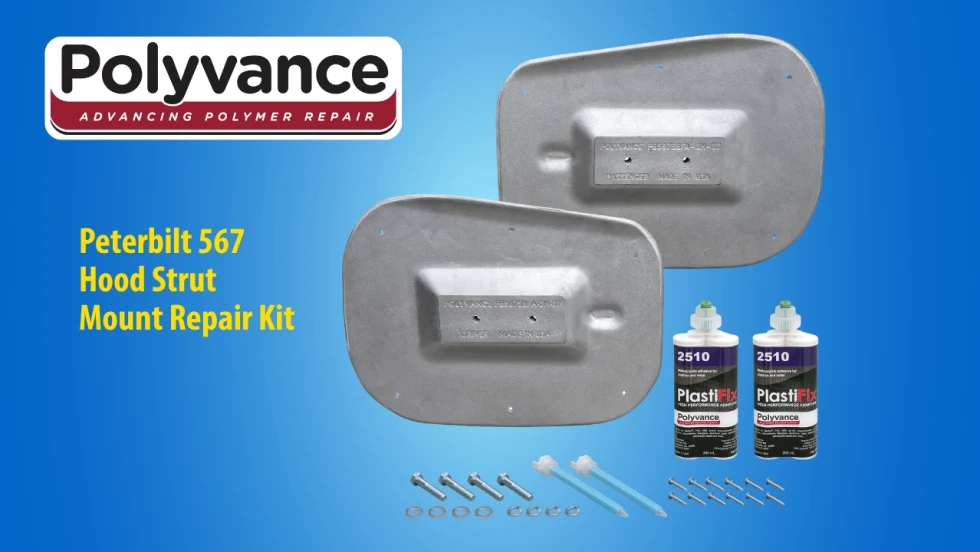
Polyvance Introduces New Peterbilt 567 Hood Strut Mount Repair Kit
Polyvance has launched a repair solution for Peterbilt 567 hood struts, helping truck owners and repair facilities avoid costly hood replacements.
Read More →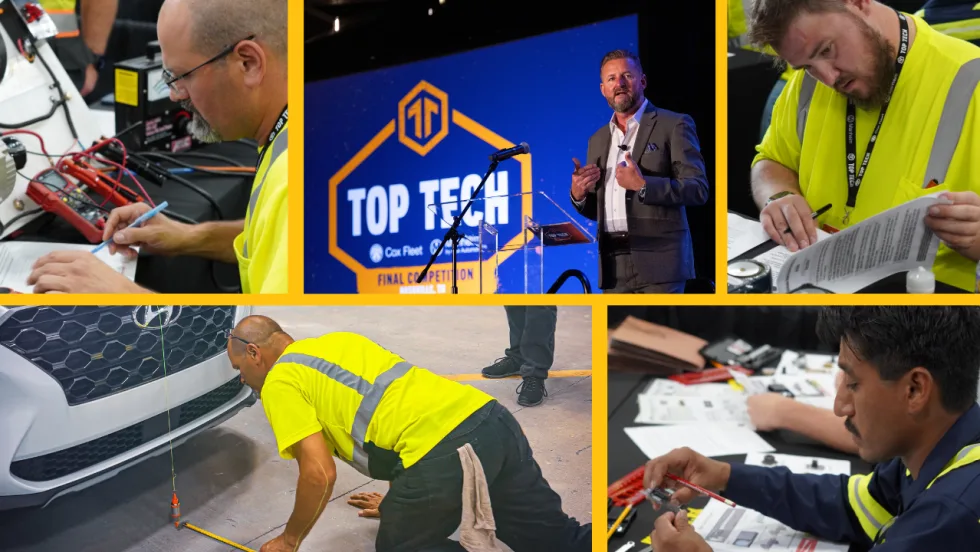
Cox Automotive Celebrates Technical Excellence at 2026 Top Tech Finals
The top technicians from Cox Fleet and Manheim tested their skills in Nashville, Tennessee, at Cox Automotive’s 2026 Top Tech Finals. The overall winners will advance to compete at the American Trucking Association’s TMC SuperTech competition.
Read More →
Grote Industries Appoints Vice President of North American Operations
Grote Industries has appointed Patrick Smith as vice president of North American operations as it celebrates 125 years of innovation and manufacturing excellence. He has more than 20 years of manufacturing leadership experience.
Read More →
Winter Fleet Prep: Expert Tips to Keep Vehicles Running Smoothly
Cold weather can expose weak batteries, tires, fuel systems, and maintenance gaps fast. Use this winter fleet checklist to prepare trucks and drivers before temperatures drop.
Read More →