




State of the Commercial Truck Tire Industry in 2025
As 2025 winds down and fleets prepare for 2026, what are the key trends in the commercial tire industry?

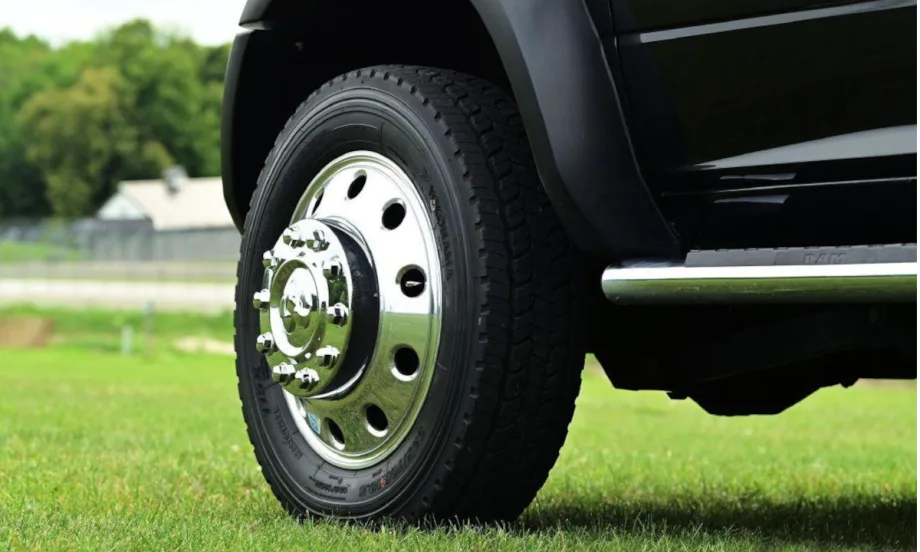
Tires play a crucial role in fleet safety, efficiency, and cost control.
Photo: Yokohama
Tires play a key role in keeping work truck fleets on the road and generating revenue. While many aspects of fleet maintenance are vital, the importance of tires spans safety, fuel savings, preventing downtime, and more.
As 2025 winds down and fleets prepare for 2026, what are the key trends in the commercial tire industry?
Light-Duty Tire Trends
Light-duty tire trends are often driven by demands from the consumer market, a larger vehicle segment when compared to light-duty commercial vehicles.
Mark Roe, vice president of U.S. TBR Sales, Hankook Tire America Corp., said that consumers are looking for versatility and adaptability, particularly for vehicles that alternate between urban and outdoor use.
“All-terrain and mud-terrain tires, offering enhanced durability, noise reduction, and traction, are increasingly sought after, fueled by recreational activities and the expanding e-commerce market,” he explained.
Roe added that tires like Hankook’s Dynapro line responds to such needs with innovations such as reinforced sidewalls and multi-directional grooves, ensuring dependable performance and comfort across various driving environments.
Medium-Duty Tire Trends
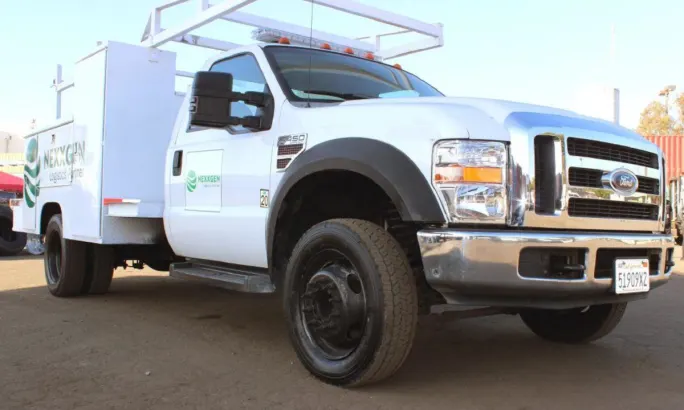
Work truck fleets require tires that deliver year-round traction, dependability, extended tread life, and improved fuel efficiency.
Photo: Yokohama
The medium-duty truck tire segment is traditionally one of the more stable segments in the industry; however, the demands placed on the tires continue to increase.
Tom Clauer, senior manager of commercial product planning at Yokohama Tire, said fleets demand a balance between tread life, or longevity, and fuel efficiency.
“This is especially true in many urban or regional operations where it’s not uncommon for equipment to find itself in and out of highway speeds and high scrub environments throughout a route. In more targeted segments like pick-up and delivery, other performance attributes like durability and even appearance come into play,” Clauer added.
Roe pointed out that demand for medium-duty truck tires continues to be guided by the needs of today’s diverse commercial fleets. He said fleet operators are seeking products suitable for regional and urban operations that offer extended service, consistent performance, and the flexibility to support higher-speed applications and heavier cargo. He also emphasized that Hankook continually works to deliver solutions featuring improved casing construction, innovative tread designs, and robust warranties.
The simple summary of the trend, Clauer said, is that fleets are looking for more of everything when it comes to features and performance, including increasing expectations around all-season performance. He pointed to all-around performers, like the Yokohama 115R, that strike that balance and can be a go-to tire for many operations.
Heavy-Duty Tire Trends
The heavy-duty truck tire segment is shaped by fleet demands for performance, durability, and cost-efficient operation, according to Roe. Factors such as fluctuating fuel prices remain top of mind for fleet customers.
“Fleet operators continually evaluate their tire choices to minimize expenditures and ensure longevity across various routes and conditions,” he explained
“Perhaps the more of everything trend is even more pronounced in over-the-road operations. Longevity, plus fuel efficiency, is the name of the game,” Clauer explained. “However, while on paper, the saying “you can’t outrun the pump” rings true, especially with diesel hovering around $4 per gallon, fleets need to understand who they are in terms of maintenance and tire tracking to truly get the most out of fuel-efficient tires.”
Clauer said Yokohama continues to see that durability remains the primary focus for products.
Last-Mile Delivery Tire Trends
Last-mile delivery vehicles, regardless of their type or class, must have tires designed to withstand the daily abuse. As Clauer pointed out, cut and chip durability, combined with long tread life, is the current standard.
“It used to be that one had to be chosen over the other in high scrub operations like this, but as performance has improved, we’ve been able to combine these two previously competing criteria,” he explained, as he pointed to Yokohama’s 115R as an example.
“It is a tough, all-season/all-position tire built to provide class 4 and 5 vehicles with superior year-round traction and dependability and is engineered with a heat-resistant compound for better fuel efficiency and longer-lasting tread. Plus, it has an N speed rating (87 mph) and carries the Three-Peak mountain snowflake symbol,” Clauer said.
Roe said E-commerce is fueling ongoing demand for durable last-mile delivery tires; however, it is also placing unprecedented demands on both fleets and tire manufacturers.
He also pointed out the challenges that last-mile delivery vehicles face, including frequent stop-and-go traffic, curb impacts in dense urban settings, and the need to sustain high mileage under consistently harsh conditions. He said Hankook’s Vantra line has been expanded to meet these challenges, emphasizing sustainability through the use of advanced materials and tread technologies.
Battery-Electric Vehicles
Battery-electric vehicles are reshaping portions of the commercial trucking space, driving demand for stronger, longer-lasting tires. With the introduction of BEVs, fleet operators must contend with those new factors.
Hankook Tire contributes to this transition with its iON HT, designed for electric light-duty trucks. Featuring an XL load rating to support heavy batteries, along with Roll Lite Compound and Opti Cure Technology, it reduces friction, boosts efficiency, and extends range. With a tread life warranty of up to 80,000 miles, Hankook emphasizes durability, safety, and sustainability in meeting the demands of EV fleets.
Clauer said the torque concern must be addressed specifically in the drive position. He explained how designs have evolved into more rib-lug or connected lug products to combat this added torque, as well as lower tread depths.
Regulatory Trends
With the future of government zero-emission vehicle mandates up in the air, many truck manufacturers and fleets still are looking for ways to reduce emissions and improve efficiency.
Clauer said some fleets are holding off on new purchases hoping for some finality to either existing regulations or pending new ones. These fleets are keeping their equipment for longer replacement cycles than normal, which in turn relates to additional tire replacement turns.
“Replacement tire demand is much stronger today than OEM demand,” Clauer said. “Power OEMs have decided to follow a path of lower emissions and extended fuel-efficiencies, especially after millions of dollars spent in developments, and that is not expected to change anytime soon. In turn, these signals have helped push fuel efficiency in tires.”
Strict environmental regulations are reshaping truck and bus radial tire standards, including environmental certification requirements, such as GHG emission reductions, CARB standards, 6PPD regulations, and stricter ply ratings, Roe suggested.
New Tire Materials
Roe reported that recent breakthroughs in tire materials are reshaping commercial truck performance.
“At Hankook, we are heavily focused on advanced rubber compounds, innovative tread designs, and progressive smart technologies,” Roe explained. “The integration of silica-enriched rubbers, bio-based polymers, and chemically recycled PET fiber cords—recently commercialized in collaboration with materials partners—enables tailored solutions for the increasingly varied needs of high-load, urban, and electric vehicle fleets. In addition to material improvements, smart tire technology remains central to enhanced safety and operational insights, with integrated sensors providing real-time data on wear, pressure, and overall condition— allowing fleets to manage tire health and performance proactively.
Tire Technology & Sustainability
Tire manufacturers are focused on providing products that deliver durability and mileage, reducing landfill waste. And, new advanced compounding research and development reduces conventional materials in tire manufacturing, creating a more sustainable earth-friendly product, according to Clauer.
“The ability/durability of a tire/casing to endure multiple retreads adds greatly to the initial product value to not just lower fleet operating cost but lighten the impacts on landfills,” he said.
Roe pointed out that tire technology plays a pivotal role in advancing sustainability within the commercial trucking industry by directly influencing fuel efficiency, vehicle range, and overall resource conservation. Modern compounds, recycled materials, and tread innovations help lower rolling resistance, extend tire life, and reduce waste, all of which are critical to cutting fleet emissions and improving operational efficiency.
For instance, Hankook Tire’s core strategy, driven by the E.Circle framework and international ESG standards, is to strengthen oversight through a company-wide ESG committee, aligning practices with organizations such as the European Sustainability Reporting Standards (ESRS) and the Taskforce on Nature-related Financial Disclosure (TNFD), while enhancing biodiversity and climate-related disclosures.
Intensive efforts to accelerate circular economy transformations, including Korea’s first tire with chemically recycled PET fiber cords and the launch of EV-exclusive tires made with 77% ISCC PLUS certified sustainable materials, have fueled Hankook’s sustainability efforts, highlighted in the recently released 2024-2025 ESG report, according to Roe.
End-of-Life Disposal
Even with retreading extending the life of tires, in recent years, there has been a growing focus on environmental concerns and the best methods for managing end-of-life tire disposal. More than 90% of end-of-life tires (ELT) collected globally are processed through responsible channels, such as reuse and material recycling, Roe explained. Also, more than 40% of tires are directly reused or recycled,
Hankook’s continues to work with the Tire Industry Project (TIP) of the Business Council for Sustainable Development, an effort that brings together leading tire makers, recycling firms, and government partners to advance transparency in tracking waste tire flows and drive innovation in recycling methods and policies. These efforts reflect an expanding commitment to circular economy principles, aiming to lower environmental impacts and support broader sector sustainability.
“Through regional partnerships, investment in new recycling tech, and active leadership in global initiatives, Hankook’s progress in responsible tire disposal sets higher industry benchmarks for ecological stewardship and lifecycle management,” Roe said.
More Maintenance
Les Schwab Expands Commercial Tire Footprint Into Arizona
Les Schwab Tires has expanded into Arizona with two commercial tire locations in Phoenix and Tucson, strengthening its fleet service footprint in the Southwest.
Read More →
Volvo Trucks’ 'Lock and Leave' Software Updates Go Live Across North America
Unattended over-the-air software updates are now available in Volvo trucks across the U.S. and Canada. The new capability lets trucks stay current with the latest software without interrupting operations or requiring a dealership visit.
Read More →
Why Technician Appreciation Can’t Be a Once-a-Year Thought
For fleets trying to keep skilled technicians, recognition cannot begin and end with Technician Appreciation Week. Learn what year-round appreciation really looks like and why the everyday technician experience matters just as much as pay when fleets are trying to keep good people.
Read More →
How Faster Driver Reporting Can Keep Small Truck Problems Small
When minor damage, warning lights, or equipment issues are reported late, small problems can quickly become bigger maintenance headaches. Conversational AI can help shorten the path from what a driver notices in the field to the person who can act on it.
Read More →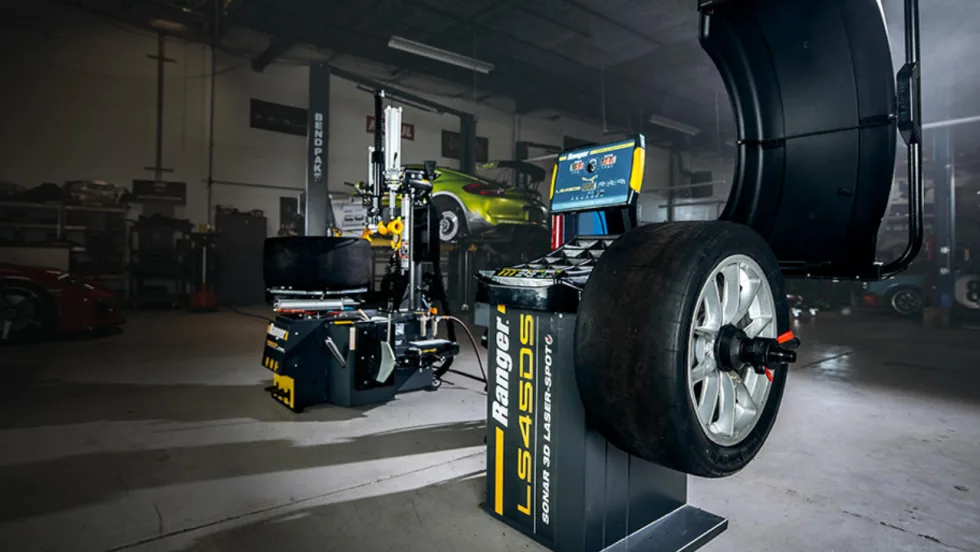
BendPak’s Ranger Wheel Service Equipment Achieves North American Safety Certification
BendPak’s full line of Ranger tire changers and wheel balancers has been ETL certified to UL and CSA standards to improve operator safety.
Read More →
Isuzu & U.S. Department of Labor Celebrate Milestone for Veterans Apprenticeship Program
The Isuzu Veterans Apprenticeship Program (IVAP) signing ceremony highlighted Isuzu’s long-term commitment to veterans, Isuzu dealers, and the skilled workforce supporting its customers and the commercial transportation industry.
Read More →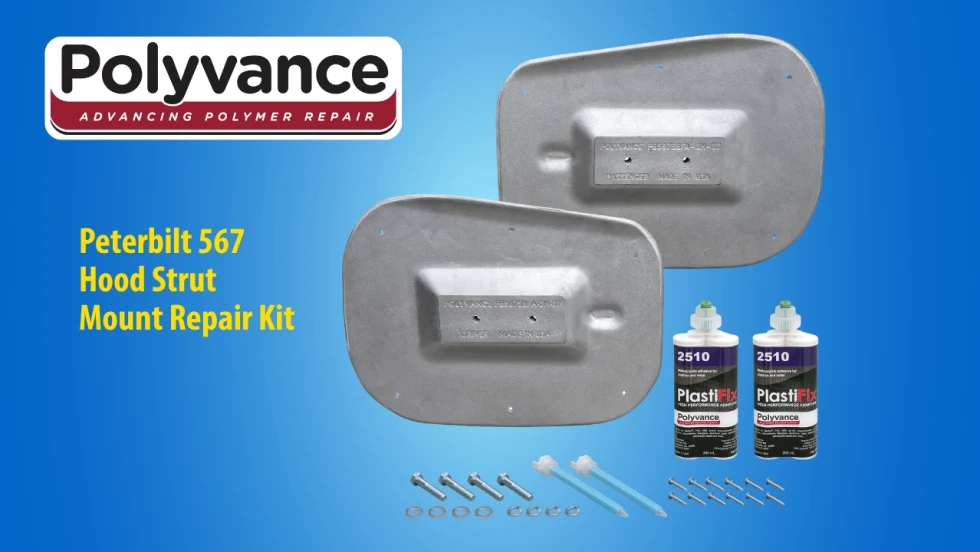
Polyvance Introduces New Peterbilt 567 Hood Strut Mount Repair Kit
Polyvance has launched a repair solution for Peterbilt 567 hood struts, helping truck owners and repair facilities avoid costly hood replacements.
Read More →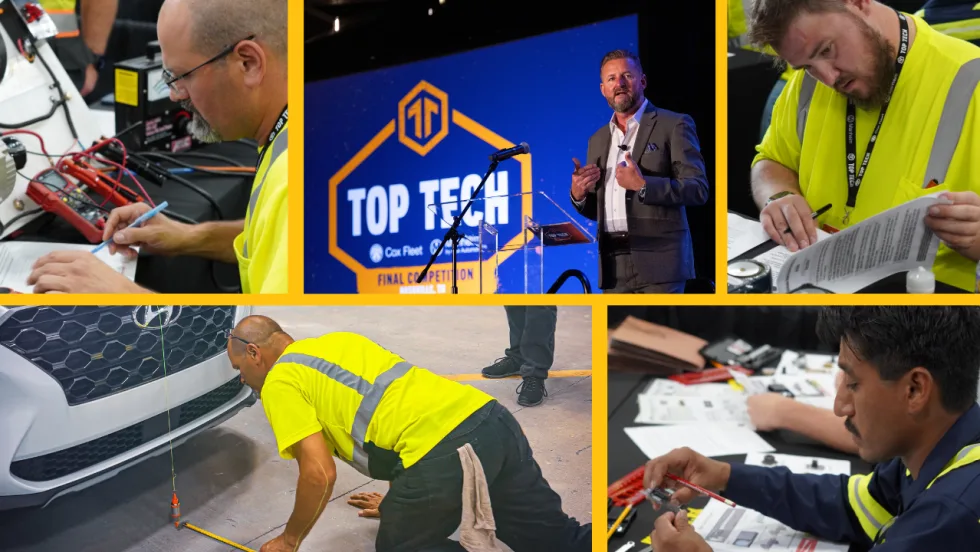
Cox Automotive Celebrates Technical Excellence at 2026 Top Tech Finals
The top technicians from Cox Fleet and Manheim tested their skills in Nashville, Tennessee, at Cox Automotive’s 2026 Top Tech Finals. The overall winners will advance to compete at the American Trucking Association’s TMC SuperTech competition.
Read More →
Grote Industries Appoints Vice President of North American Operations
Grote Industries has appointed Patrick Smith as vice president of North American operations as it celebrates 125 years of innovation and manufacturing excellence. He has more than 20 years of manufacturing leadership experience.
Read More →
Winter Fleet Prep: Expert Tips to Keep Vehicles Running Smoothly
Cold weather can expose weak batteries, tires, fuel systems, and maintenance gaps fast. Use this winter fleet checklist to prepare trucks and drivers before temperatures drop.
Read More →