




Showroom - Ford Transit Connect Electric: Plug and Work
In its initial run of up to 1,000 units a year, Ford will sell the van almost exclusively to fleet and for other commercial uses that will limit its use to regular, predetermined routes from a central location.

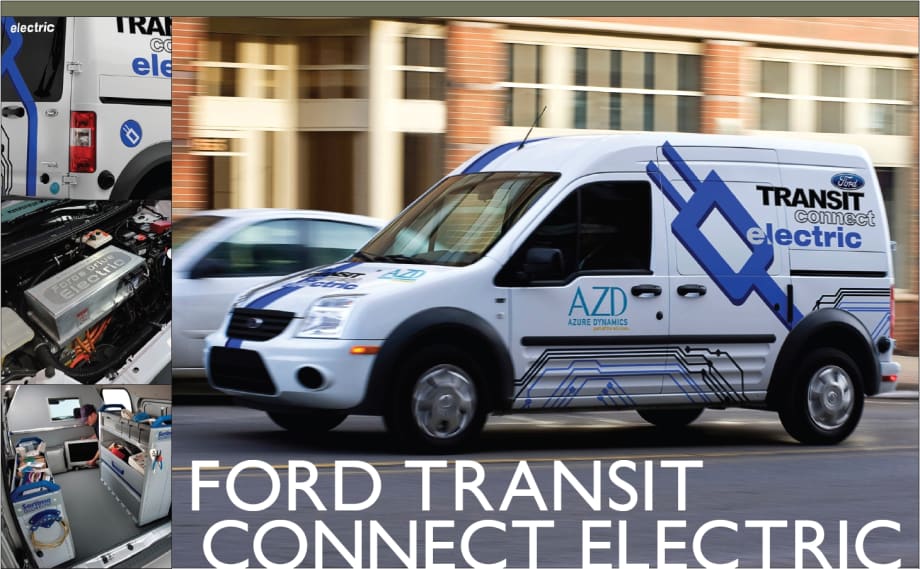
Alt-fuel vehicles are beginning to blend into the automotive landscape, and the all-electric, zero-emission Transit Connect Electric is no exception. The body is identical to the gasoline- and diesel-powered Transit Connect shells shipped in from Turkey to the AM General plant in Livonia, Mich., where they are upfitted with Azure Dynamic Corp.’s “Force Drive” powertrain.
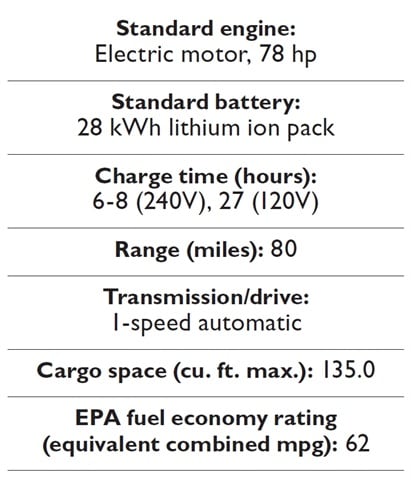
The small van’s mighty interior remains unchanged. The electric version still offers 135 cubic feet of cargo space, 59 inches from floor to ceiling and more than six feet in load length. The floor space between the interior wheel arches is just an inch shy of four feet.
Space is spared since the 600-pound lithium ion battery pack is installed below the cargo floor, which offers another bonus: Business Fleet editor Chris Brown reported that the lower center of gravity improves the van’s handling, aiding the electric version’s “more spirited” ride.
The Transit Connect Electric is no go-kart, but it does enjoy some of the higher low-end torque and quick acceleration that EV drivers have come to expect. Ford claims a zero-to-60 time of 12.0 seconds, beating the gasoline version by 0.3 ticks.
The battery pack also powers an onboard, 12-volt battery to run the headlights, power steering and coolant pumps. This setup is designed to keep the wheels turning for 80 miles on a full charge, which can be reached in as little as six hours with Ford’s proprietary, 240-volt charging station — a time that is more than quadrupled when the only outlet available is the U.S.-standard, 120-volt plug.
But Ford is not attempting to market the Transit Connect Electric to drivers who need to recharge on the fly. In its initial run of up to 1,000 units a year, the OEM will sell the van almost exclusively to fleet and for other commercial uses that will limit its use to regular, predetermined routes from a central location.
If that describes your operations, adding a Transit Connect Electric could represent a sound investment. The electric version won’t cost a dime in fuel, oil or other lubricants, and it contains fewer moving parts than the original.
The savings on maintenance, in conjunction with federal and state incentives, should help to defray the new van’s $54,000 sticker price.
More Small Fleet


Developing Budget-Friendly Driver Safety Programs
From driver training and safety meetings to one-on-one coaching and incentive programs, several small fleets share how they have developed a safety culture with their drivers using low- to no-cost resources.
Read More →
Boosting Last-Mile Fleet Uptime, Safety, and Value with AI Vehicle Inspections
AI-powered inspections are transforming last-mile fleets by replacing manual checks with highly accurate automated scans that detect defects in seconds. By giving fleet operations visibility into the daily condition of their vehicles, you can identify trends over the vehicle’s lifecycle that enable improved procurement decisions, route management, driver training and accountability.
Read More →
Five Ways Seat Belts Help Prevent Injuries
There are five ways seat belts protect occupants from injuries, according to the Tennessee Department of Safety and Homeland Security.
Read More →
It’s here: The 2026 Fleet Technology Trends Report
What does AI mean for fleets? Get the answer — and learn other top tech trends.
Read More →
Small Fleets, Big Impact: How Independent Drivers Power Wreaths Across America
Check out how small fleets and independent drivers power Wreaths Across America each December and why their impact matters more than ever.
Read More →
VMS Survey Finds 65% of Small Fleet Managers Run Operations Alone
A new VMS survey shows small fleet managers are stretched thin, with most handling operations solo and eager to adopt digital tools for relief.
Read More →
Tips for Driving Safely on Halloween Night
This video features a reminder from the Connecticut Department of Transportation (DOT) and the Connecticut Police Chiefs Association, urging drivers to prioritize safety this Halloween.
Read More →
AI, Access, and Uptime: VMS’s Next Chapter with David Prusinski
VMS’s new Co-CEO, David Prusinski, shares how an AI-first approach will give small fleets and repair shops the tools to compete like big players.
Read More →
Fleet Managers Share Winter Prep Tips: It's Never Too Early!
Three fleets share best practices to prep vehicles for winter and prevent downtime when the cold sets in.
Read More →