




Scheduling Your Vehicle's Checkup
A systematic preventive maintenance (PM) schedule makes sound business sense and keeps drivers safer on the road.


The FMCSR regulations require fleets have a record system that shows the vehicle's maintenance schedule, among other items. How you capture that data is a matter of personal preference (paper or digital).
Photo courtesy of Getty Images
Imagine your commercial vehicle rolling down the highway. The driver hears a loud bang and feels a violent jerk as the vehicle is being pulled to one side. As he or she looks in his rearview mirror, tread from one of the rear duallies becomes airborne. F
ortunately, the shred from the tire did not hit any nearby vehicles or bystanders along the roadway. Next time the driver might not be so lucky.
Your drivers may be able to avoid a scenario such as this if you routinely have your vehicles in the shop as a part of a preventive maintenance (PM) program.
FMCSRs Require It
Section 396.3 of the Federal Motor Carrier Safety Regulations (FMCSR) requires the systematic inspection, repair, and maintenance of all commercial motor vehicles (CMVs) under your control. You may accomplish this by maintaining an in-house shop or by outsourcing the tasks to a fleet maintenance garage.
In this regulation, the term CMV refers to large pickup trucks, box trucks, semi-trucks, and any trailers attached to these vehicles. It also applies to both for-hire or private motor carriers.
Setting Up a PM Schedule
A PM schedue is typically based on vehicle type. If you operate different types of CMVs in your fleet, you will need to divide them into “dynamic groups.”
Each group is made up of vehicles with similar traits and maintenance requirements regardless of make and model.
For each dynamic group, a PM schedule should be written to include:
Intervals.
Checklists.
Wear points.
In addition, the three most common methods for scheduling PMs are:
Time. After a specific number of days, regardless of mileage or engine hours, the vehicle is brought into the shop.
Miles. After a predetermined number of miles driven, the vehicle is scheduled for PM.
Engine hours. When a vehicle’s engine works hard during every mile, the schedule is based on engine hours. Examples of vehicles that would benefit from this PM scheduling include waste trucks, concrete haulers, and gravel trucks.
The type of vehicles and operation will determine the best type of PM schedule for your individual company.
Documenting Your PM Program
According to vehicle maintenance regulations each vehicle file must include:
The PM for the assigned dynamic group;
Identifying information for the vehicle, including:
Vehicle number.
Make.
VIN.
Year.
Tire size.
The entity providing the vehicle (if it is not owned by the company); and
Records of all inspections, maintenance, and repairs.
The regulations require that the company have a record system that shows the vehicles’:
Maintenance schedule, and
Last and next scheduled service (both due date and nature of the service).
How you capture the required information (e.g., spreadsheet, software, forms) would be a matter of personal preference. You just have to be able to present the documentation in the event of an audit.
Benefits of a PM Program
Compliance with the FMCSRs is not the only reason to run a scheduled PM program. A well-maintained vehicle:
Is less likely to be involved in an accident,
Will be more productive, and
Requires less unscheduled maintenance and repair, which is more expensive than PM.
In other words, a systematic PM makes sound business sense.
About the Author
Kathy Close is a transportation editor at J. J. Keller & Associates, Inc. Her areas of expertise include transportation security, DOT drug and alcohol testing, and driver qualification. For more information e-mail transporteditors@jjkeller.com.
More Maintenance
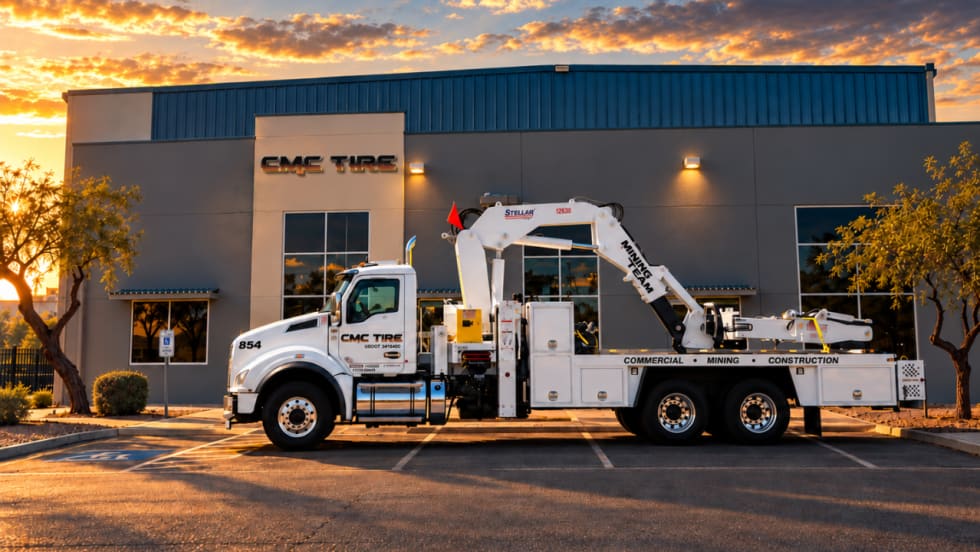
Les Schwab Expands Commercial Tire Footprint Into Arizona
Les Schwab Tires has expanded into Arizona with two commercial tire locations in Phoenix and Tucson, strengthening its fleet service footprint in the Southwest.
Read More →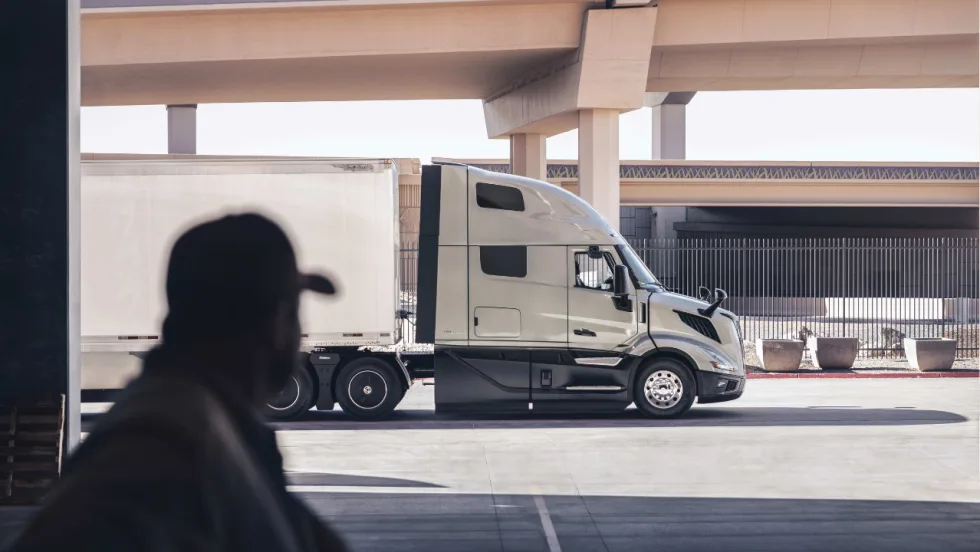
Volvo Trucks’ 'Lock and Leave' Software Updates Go Live Across North America
Unattended over-the-air software updates are now available in Volvo trucks across the U.S. and Canada. The new capability lets trucks stay current with the latest software without interrupting operations or requiring a dealership visit.
Read More →
Why Technician Appreciation Can’t Be a Once-a-Year Thought
For fleets trying to keep skilled technicians, recognition cannot begin and end with Technician Appreciation Week. Learn what year-round appreciation really looks like and why the everyday technician experience matters just as much as pay when fleets are trying to keep good people.
Read More →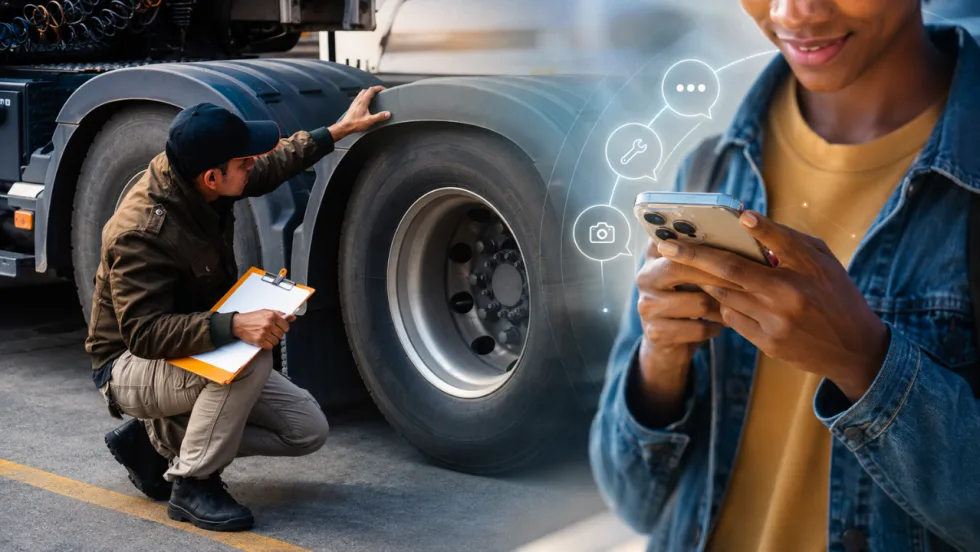
How Faster Driver Reporting Can Keep Small Truck Problems Small
When minor damage, warning lights, or equipment issues are reported late, small problems can quickly become bigger maintenance headaches. Conversational AI can help shorten the path from what a driver notices in the field to the person who can act on it.
Read More →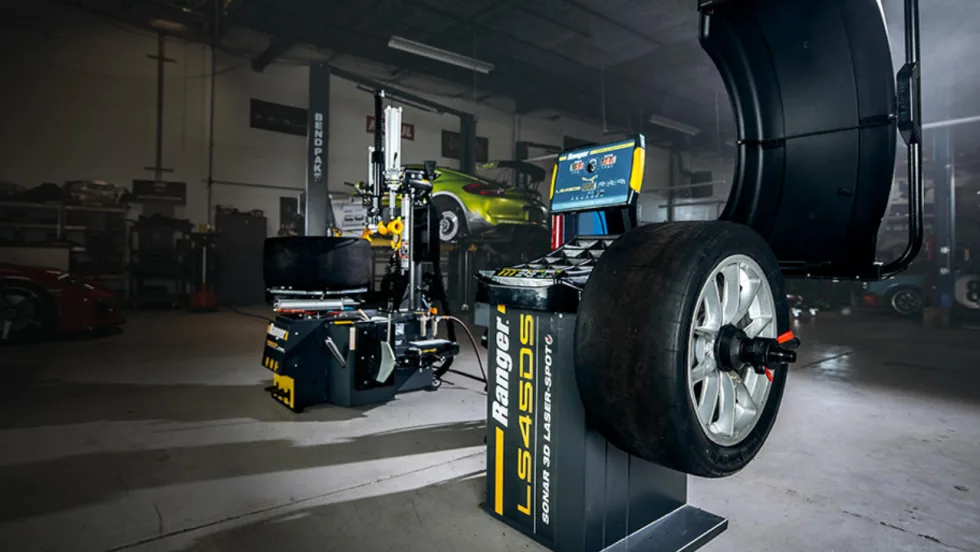
BendPak’s Ranger Wheel Service Equipment Achieves North American Safety Certification
BendPak’s full line of Ranger tire changers and wheel balancers has been ETL certified to UL and CSA standards to improve operator safety.
Read More →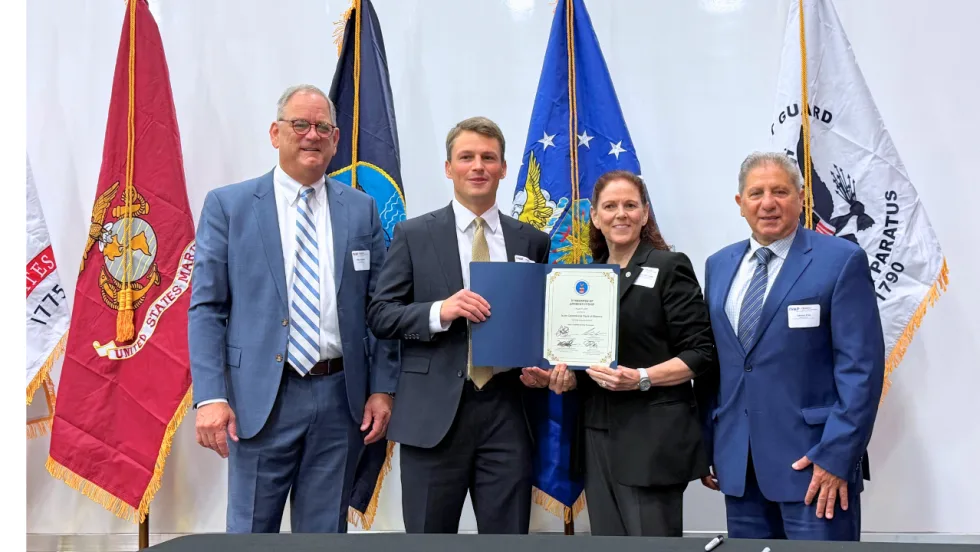
Isuzu & U.S. Department of Labor Celebrate Milestone for Veterans Apprenticeship Program
The Isuzu Veterans Apprenticeship Program (IVAP) signing ceremony highlighted Isuzu’s long-term commitment to veterans, Isuzu dealers, and the skilled workforce supporting its customers and the commercial transportation industry.
Read More →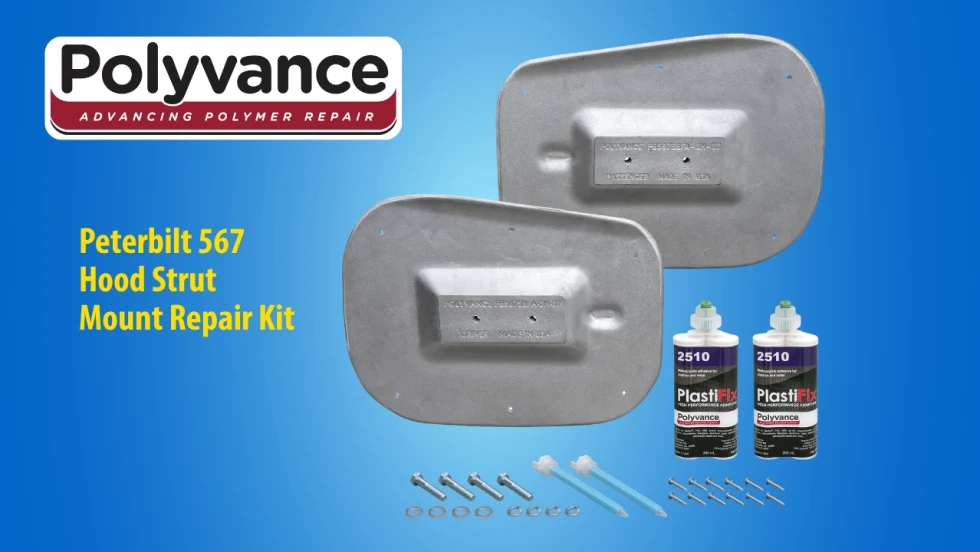
Polyvance Introduces New Peterbilt 567 Hood Strut Mount Repair Kit
Polyvance has launched a repair solution for Peterbilt 567 hood struts, helping truck owners and repair facilities avoid costly hood replacements.
Read More →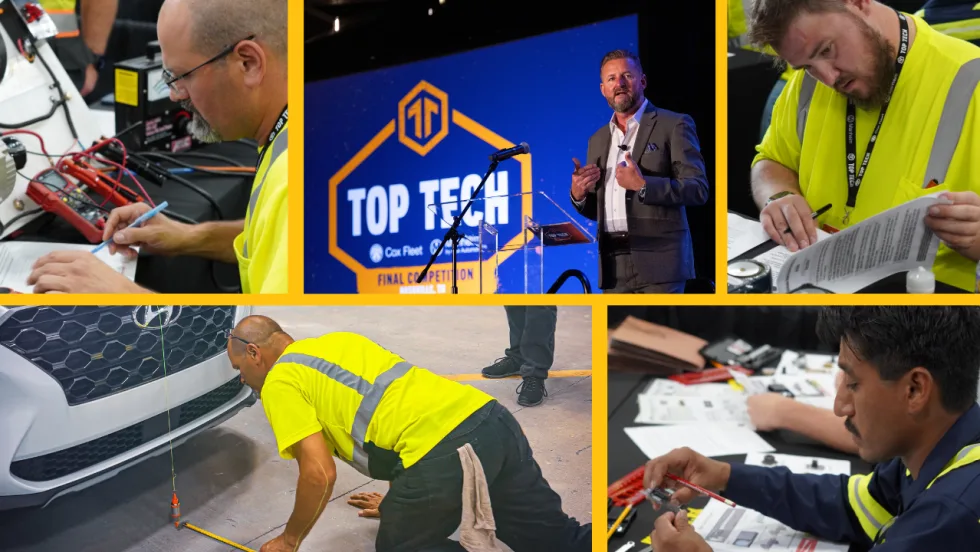
Cox Automotive Celebrates Technical Excellence at 2026 Top Tech Finals
The top technicians from Cox Fleet and Manheim tested their skills in Nashville, Tennessee, at Cox Automotive’s 2026 Top Tech Finals. The overall winners will advance to compete at the American Trucking Association’s TMC SuperTech competition.
Read More →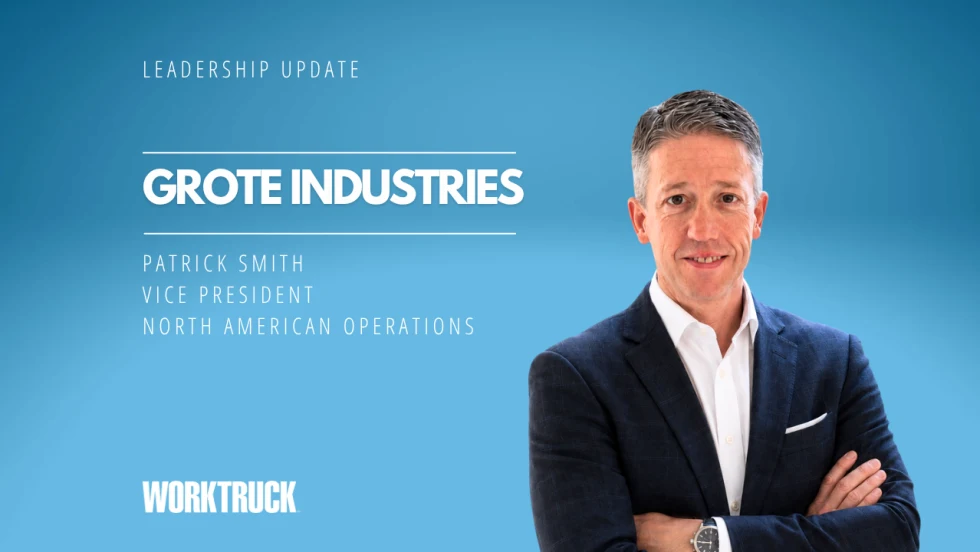
Grote Industries Appoints Vice President of North American Operations
Grote Industries has appointed Patrick Smith as vice president of North American operations as it celebrates 125 years of innovation and manufacturing excellence. He has more than 20 years of manufacturing leadership experience.
Read More →
Winter Fleet Prep: Expert Tips to Keep Vehicles Running Smoothly
Cold weather can expose weak batteries, tires, fuel systems, and maintenance gaps fast. Use this winter fleet checklist to prepare trucks and drivers before temperatures drop.
Read More →