




Rise of Data-Driven Insights for Truck Tire Performance
Tires are more than rubber and wheels, with an increasing amount of technology being incorporated into today’s modern commercial vehicles. That tech produces data, but can it help with more than tire pressure info? Experts say yes.

Clearly tires are becoming more advanced, and with technology comes the ability to obtain more data. But is it just adding to the noise of the data you already have?
Photo: Work Truck
Data and fleet management are increasingly interconnecting in areas you may have never realized.
Take your tire. What used to be one of the few pieces of a vehicle without technology, today’s tire is becoming more technologically advanced than ever. And with all that advancement comes data. But how do you use that data? How has data helped commercial truck fleets continue to reduce downtime and increase insight?
“Technology, and the data it provides, is becoming vital to fleets as they look to maximize investment and uptime and achieve sustainability goals. With data at a fleet’s fingertips, issues that arise from underinflated tires can be addressed before getting back out on the road, helping trucks get the best performance from their tires,” said Timothy Netzel, Director, TBR Brand Marketing, Bridgestone Americas.
Beyond Pressure Monitoring
As technology advances, so does the amount and type of information you can gather for your tires. Together, tire pressure monitoring systems and telematics are great tools for fleet managers to find ways to optimize fleet performance and lower costs.
“Telematics allows fleets to know where assets are always located and can help prevent blowouts by getting trucks and trailers into the shop if maintenance is needed. It can help prevent possible blowouts, but if there are other issues, such as a bad brake, it can help you locate the time and place where the problem began (recent service at a brake shop, for example). These situations allow fleets to ensure their equipment is properly cared for and maximize their profits,” said Craig Smith, VP of marketing for Pressure Systems International (PSI).
Hankook Tire America has been analyzing driving data collected through global positioning systems (GPS) and digital tachographs (DTG). From this information, the company has derived guides and solutions to improve vehicle management from a total cost of ownership (TCO) perspective.
“Analyzing previously completed real-world driving data, we have confirmed that driving habits such as frequent braking and idling affect fuel efficiency and tire life. We have quantified and analyzed that improving driving habits and managing tire pressure can help reduce fuel consumption and extend tire life. We also built a tire mileage prediction model based on the harshness of driving routes and drivers' braking patterns using vehicle driving data by region,” said KJ Kim, TB marketing & sales director of Hankook Tire America.
Modern tire pressure-sensing technologies help fleets automate maintenance scheduling based on vehicle usage and integrations with their maintenance system.
“Additionally, these systems can instantly provide verified visual inspection defect data to alert maintenance teams about serious defects mere seconds after the driver sees them. The result of this combination is a preventive maintenance program built around the needs of each specific vehicle. This helps calculate fuel efficiency, cut idle time, and increase the longevity of tires, hardware, and other accessories equipped on these vehicles,” said Nick Grandy, GM, Vocational – Industrial Services at Zonar Systems.
So Much Data
Clearly tires are becoming more advanced, and with technology comes the ability to obtain more data. But is it just adding to the noise of the data you already have?
Every regional, urban, and vocational work truck fleet has unique needs and challenges. However, according to Goodyear North America, two things they increasingly have in common are a lot of data and the desire to lower operating costs and maximize uptime efficiently.
“The key is finding the right tools and services to capture data, unleash insights, and help improve maintenance decision-making. Fortunately, fleets that build and utilize a tire management program can capture data and use it to tackle common work truck fleet problems,” said Dustin Lancy, senior commercial product manager, Goodyear North America.
From a manufacturer's perspective, data points from the tire provide an understanding of how it performs or the conditions that created a failure.
“Progressive fleet managers not only review performance data during the initial tread life of the tire but also the durability to retread the casing to meet management expense goals and sustainability targets. In addition, when tires fail, they usually tell a story, and often scrap tire analysis allows a manager to see a manageable condition that may be developing in their fleet and perform a correction,” said Aaron Murphy, sr. vice president of Double Coin.
Understanding this data is important for growth.
“Integration of these in-cab technologies helps fleets make data-informed decisions about the safest and most relevant times to air up their tires. Without it, maintenance is left to a series of predetermined checkpoints equipped with shop stick gauges that may not be calibrated correctly,” said Grandy of Zonar Systems.
Tires Under Pressure
Most fleet managers know that tire pressure is often the root of most tire management issues.
“In fact, more than 50% of breakdowns on the road are tire-related, and 85% result from improper pressure maintenance. Goodyear’s suite of Tire Management Solutions offers fleets several products and technologically advanced services that monitor tire pressure and performance and then provide data-driven insights,” said Lancy of Goodyear North America.
Today’s tire pressure management systems have come a long way from the days of simple monitoring tire pressure.
“There are advanced and efficient tire pressure management systems that alert dispatch and technicians to pressure and temperature for every tire on every vehicle whenever an issue is detected. With these connected technologies, fleets can remotely identify the exact tire(s) on a truck that is not at the recommended pressure, and drivers can view their vehicle’s real-time tire pressure on their in-cab tablet,” said Grandy of Zonar Systems.
A Focus on Cost Reduction
One of the top ways data can help fleets is by helping them better understand their operations and find ways to improve.
“Fleets understand the importance of reducing tire costs, increasing labor productivity, and improving overall fleet safety. That is why using data-driven insights is a trend that will only become more popular as time goes on,” said Netzel of Bridgestone Americas.
Hankook Tire noted that its technology can reduce fuel consumption and improve tire life by comprehensively analyzing data such as air pressure, rapid acceleration, and deceleration, as well as idling using sensors attached to tires and vehicle digital tachographs (DTGs) to help the fleet business management.
“Our FMS tire sensing technology collects tire data in real-time through dedicated sensors attached to the inside of the tires of fleet buses and trucks. The collected data will be processed to obtain actionable information such as tire tread life prediction, abnormal behavior, optimization of maintenance intervals and settings, and real-time alerts, and contribute to improving safety, operating efficiency, and driving time,” said Kim of Hankook Tire America.
In addition to all this information, Hankook Tire plans to provide solutions for the fleet business by collecting not only telematics driving data, but also tire sensor-based data to provide quality services for commercial vehicle customers, such as fuel efficiency improvement and various notifications for safe driving.
Driving Thoughts
Jim Garrett, product category manager for Michelin North America, Inc. summed it up, noting that fleet managers and the industry are “experiencing an unprecedented transformation, with new regulations, new uses and behaviors, and the increasing use of digital assets.”
The underlying goal of all digital tire management solutions is to help fleet customers get more out of their tires.
“These tools connect to better tire maintenance management to drive down costs and reduce tire-related expenses, particularly road failures,” Garrett added.
More Maintenance
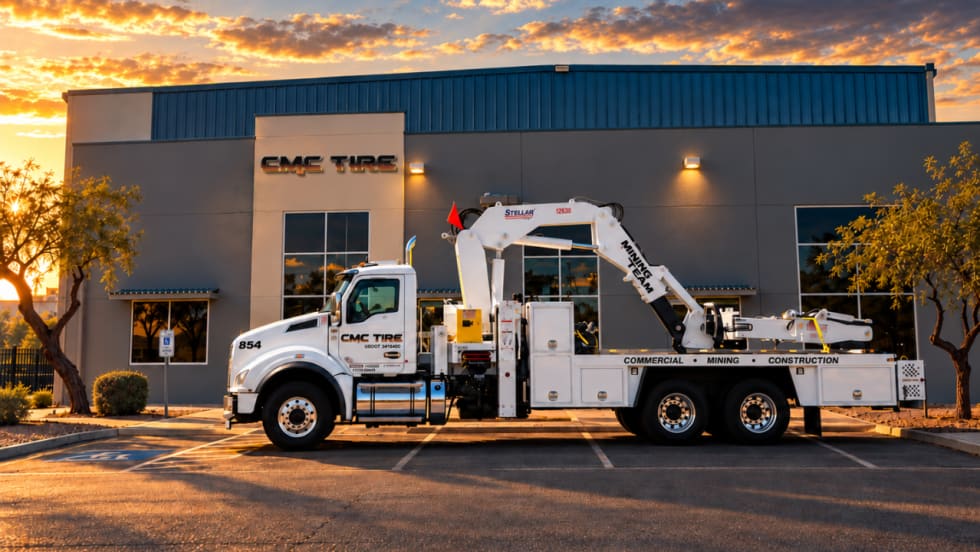
Les Schwab Expands Commercial Tire Footprint Into Arizona
Les Schwab Tires has expanded into Arizona with two commercial tire locations in Phoenix and Tucson, strengthening its fleet service footprint in the Southwest.
Read More →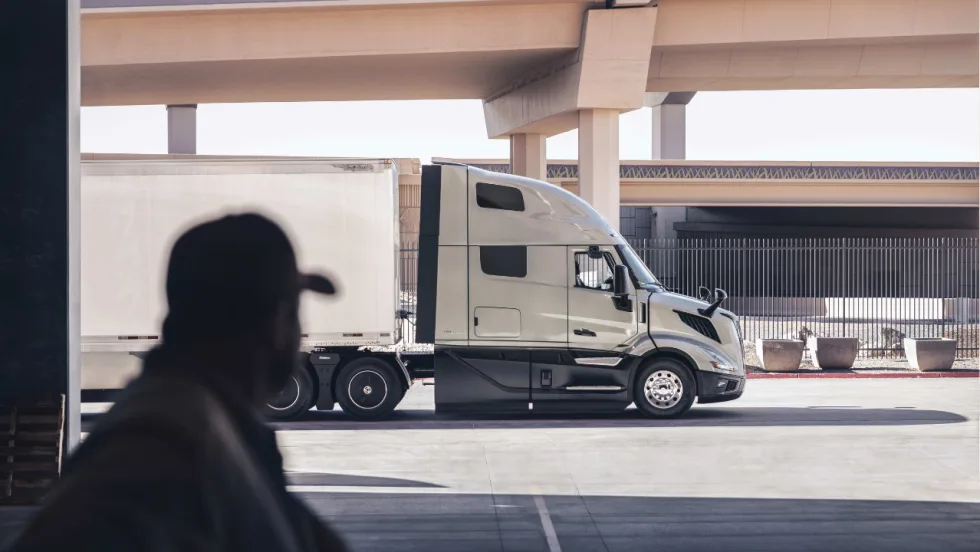
Volvo Trucks’ 'Lock and Leave' Software Updates Go Live Across North America
Unattended over-the-air software updates are now available in Volvo trucks across the U.S. and Canada. The new capability lets trucks stay current with the latest software without interrupting operations or requiring a dealership visit.
Read More →
Why Technician Appreciation Can’t Be a Once-a-Year Thought
For fleets trying to keep skilled technicians, recognition cannot begin and end with Technician Appreciation Week. Learn what year-round appreciation really looks like and why the everyday technician experience matters just as much as pay when fleets are trying to keep good people.
Read More →
How Faster Driver Reporting Can Keep Small Truck Problems Small
When minor damage, warning lights, or equipment issues are reported late, small problems can quickly become bigger maintenance headaches. Conversational AI can help shorten the path from what a driver notices in the field to the person who can act on it.
Read More →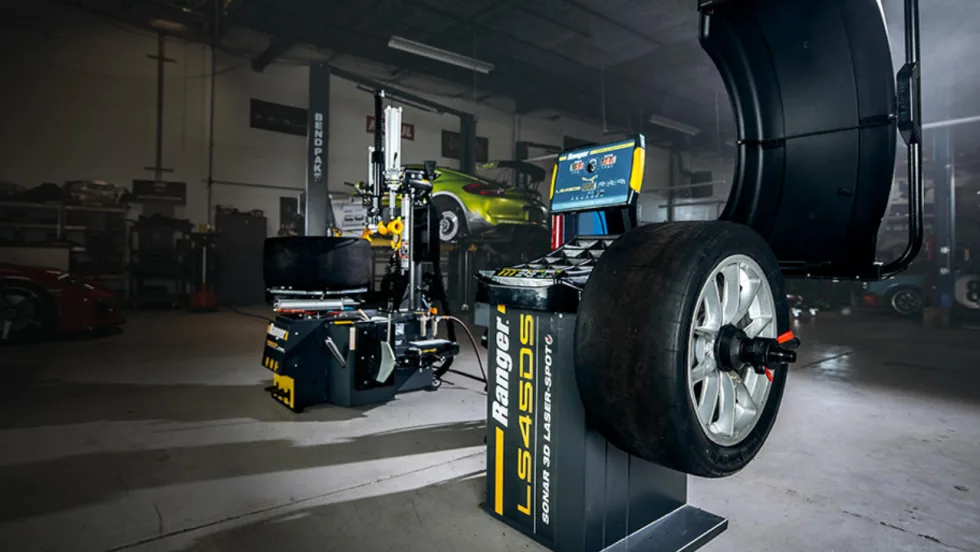
BendPak’s Ranger Wheel Service Equipment Achieves North American Safety Certification
BendPak’s full line of Ranger tire changers and wheel balancers has been ETL certified to UL and CSA standards to improve operator safety.
Read More →
Isuzu & U.S. Department of Labor Celebrate Milestone for Veterans Apprenticeship Program
The Isuzu Veterans Apprenticeship Program (IVAP) signing ceremony highlighted Isuzu’s long-term commitment to veterans, Isuzu dealers, and the skilled workforce supporting its customers and the commercial transportation industry.
Read More →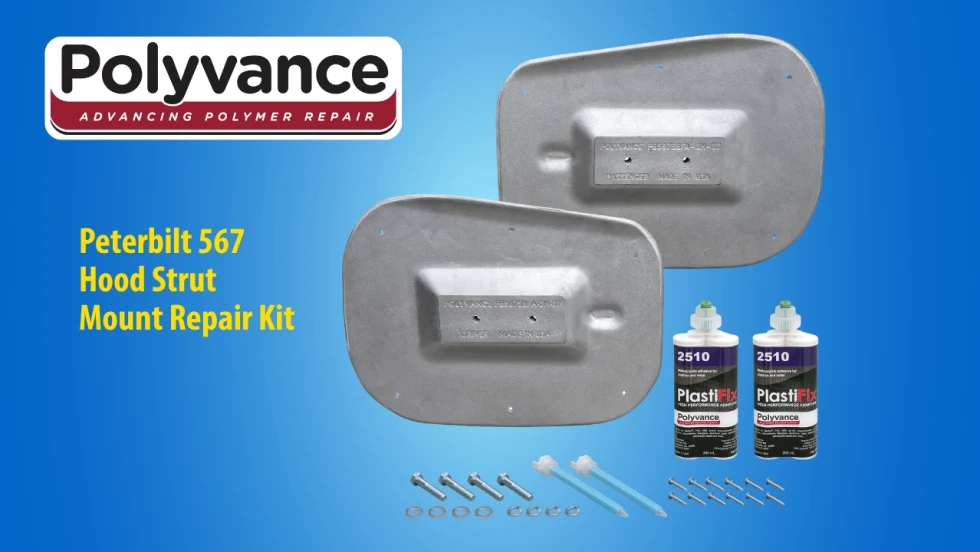
Polyvance Introduces New Peterbilt 567 Hood Strut Mount Repair Kit
Polyvance has launched a repair solution for Peterbilt 567 hood struts, helping truck owners and repair facilities avoid costly hood replacements.
Read More →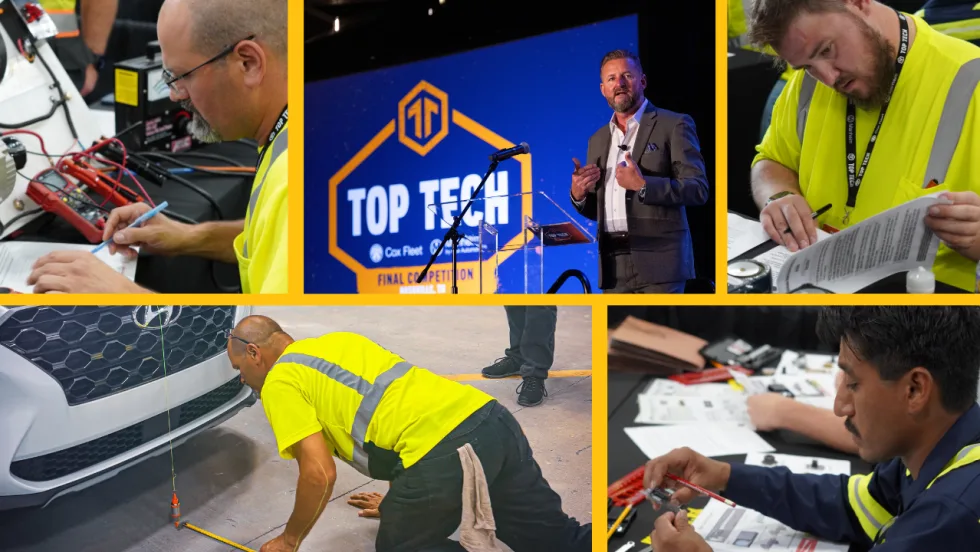
Cox Automotive Celebrates Technical Excellence at 2026 Top Tech Finals
The top technicians from Cox Fleet and Manheim tested their skills in Nashville, Tennessee, at Cox Automotive’s 2026 Top Tech Finals. The overall winners will advance to compete at the American Trucking Association’s TMC SuperTech competition.
Read More →
Grote Industries Appoints Vice President of North American Operations
Grote Industries has appointed Patrick Smith as vice president of North American operations as it celebrates 125 years of innovation and manufacturing excellence. He has more than 20 years of manufacturing leadership experience.
Read More →
Winter Fleet Prep: Expert Tips to Keep Vehicles Running Smoothly
Cold weather can expose weak batteries, tires, fuel systems, and maintenance gaps fast. Use this winter fleet checklist to prepare trucks and drivers before temperatures drop.
Read More →