




Propane Fueling Safety Best Practices for Work Trucks
Do you truly understand the importance of fueling training programs and the features built into propane fueling stations to maximize safety? Learn more!

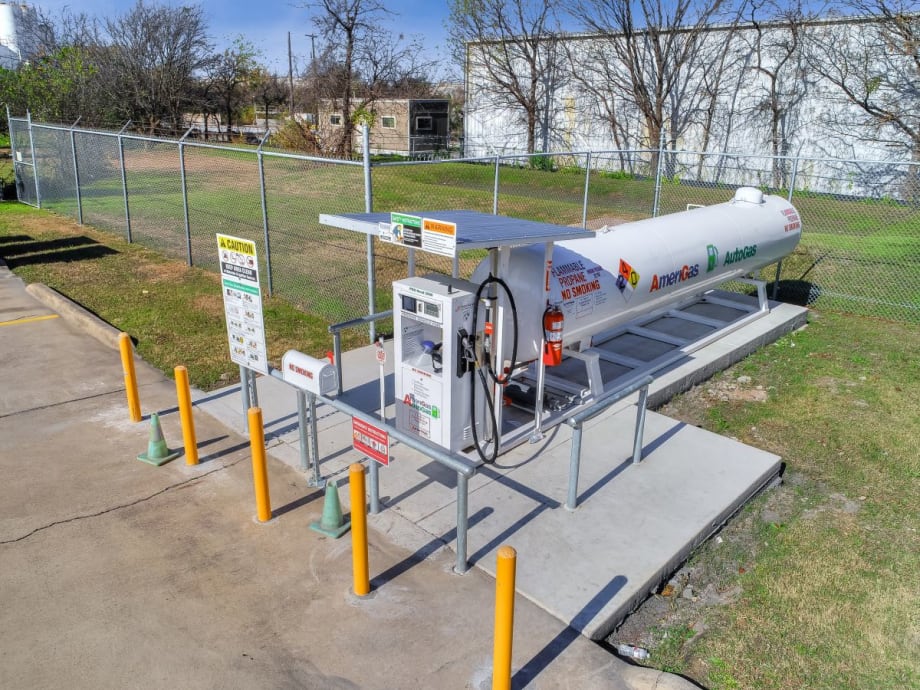
Superior Energy Systems dispensers have features designed with people in mind. For example, there is a lockout timer that automatically shuts down if an operator doesn't pump for 35 to 40 seconds.
Photo: Superior Energy Systems
Are you using propane-fueled work trucks? If so, it is essential to follow the best practices for propane fueling safety.
We recently had the opportunity to interview Mike Walters, the Vice President of Safety and Fleet at Superior Energy Systems, about propane fueling safety best practices for work trucks.
In this excerpt from the interview, Walters discusses fueling training programs and the features built into propane fueling stations to maximize safety. He also talks about the importance of following National Electrical Code (NEC) and how safety ultimately comes down to people and their behavior.
Propane Autogas Refueling Best Practices
Read on to learn more about Walters' insights on propane fueling safety.
Work Truck: When fueling a propane-fueled work truck, what are the best practices regarding safety?
Walters: Because propane autogas is similar to gasoline, training for fueling is as simple as operating the dispenser. There is a training program within the Propane Education & Research Council's education suite titled "Dispensing Propane Safely," and Superior Energy Systems delivers the module on propane fueling to all of our customers.
Still, it's truly as easy as operating the dispenser.
WT: What features are built into a propane fueling station that maximizes safety?
Walters: In simple terms, safety is about the people. Features built into Superior Energy Systems dispensers are designed with people in mind. For example, there is a lockout timer where the dispenser will automatically shut down if an operator doesn't pump for 35 to 40 seconds. There is also a pull-away connection, where the hose connects to a pull-away adapter that connects to the dispenser.
On the off-chance of a drive-away with the hose attached, it will detach and trap the gas in both ends of the hose, eliminating release. This is required on all dispensers to prevent a pull-away event.
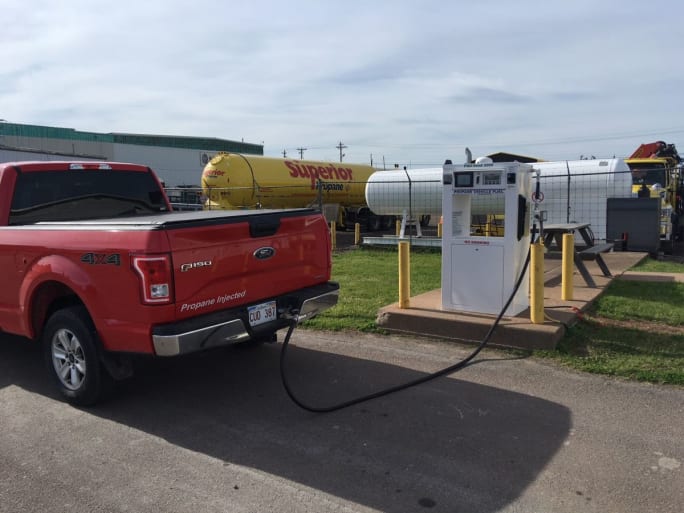
There is a perception that propane gas is dangerous. It's not. Yes, it must be respected and handled properly, but it's not more dangerous.
Photo: Superior Energy Systems
WT: What is PERC's Certified Employee Training Program (CETP)?
Walters: PERC's Certified Employee Training Program started in 1987 and has served as the industry's primary training program for all these years. PERC is working on a PERC Education Program (PEP) — a modularized format allowing those using it to pick and choose the topics relative to their employees' needs. That will make it more universal to the industry so that propane providers can all select modules to train their employees.
It's not just about training. It's about education. They're not mutually exclusive things. Education is when you provide someone with the knowledge they need to do their job.
WT: How can fleet operators participate in CETP?
Walters: All fleet operators can access the PEP programs. Visit Propane.com and click on the Learning Center to access any safety module. The most frequently accessed example is the "Autogas Technician Training Program."
WT: What is NFPA 70, and why is it crucial to propane fueling safety?
Walters: The National Fire Protection Association provides NFPA 70, the National Electrical Code (NEC). It is significant because it sets parameters for electrical safety. Power is connected to every dispenser, and the National Electrical Code defines the safety zones. It doesn't matter if the fuel is propane, diesel, kerosene, or whatever. It ensures there are no ignition sources near the dispenser's operation.
WT: What is it like to be an LP Gas industry Hall of Famer?
Walters: It's a dream. You sit out there year after year and watch people be inducted and say to yourself, "I wonder what it would be like if …," and then it happens. Sometimes, you're excited; sometimes, you're humbled. After the awards ceremony, I couldn't get 10 feet without someone talking to me.
I'm eternally grateful to the people who poked, prodded, and presented opportunities to me — even forcing me to do things I may not have been ready to do. But now it's back to business as usual.
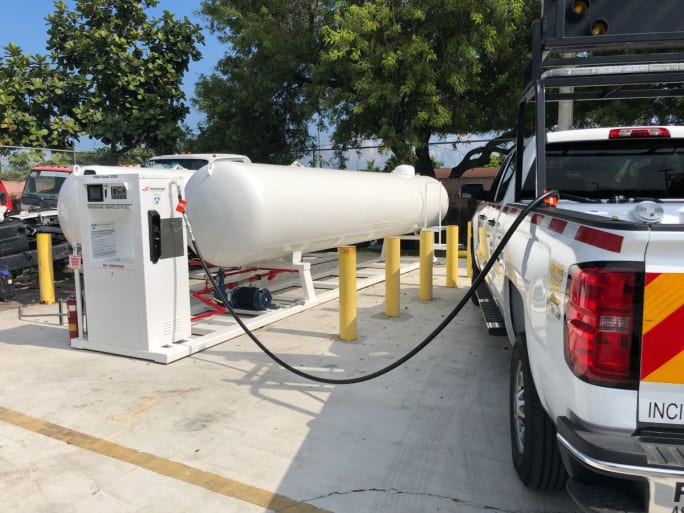
Features built into Superior Energy Systems dispensers are designed with people in mind. For example, there is a lockout timer where the dispenser will automatically shut down if an operator doesn't pump for 35 to 40 seconds.
Photo: Superior Energy Systems
WT: What are the most common safety hazards or misconceptions you encounter in your work, and how do you address them?
Walters: This answer could go in 15 different directions — I'll give you three. The perception is that propane gas is unsafe. It's not. Yes, it needs to be respected and handled properly, but it's not less safe. Propane has the lowest carbon footprint of all fuels, including natural gas. But people don't know what the industry knows about this product.
Misconceptions about safety are that safety is about compliance and equipment. If you comply with all the codes and have good working equipment, you're safe. However, safety still comes back to people and their behaviors that put them in a bad position that leads to injury or accident.
Training and education are a subset of safety — people can make better decisions that avoid accidents or injuries. The code is put in place to help people be safe.
WT: What advice would you give someone new to working with propane or autogas vehicles?
Walters: I tell students to follow the code in every class I teach. But if you see something you don't understand, stop and get someone to help you with it. That's what I mean when I say safety boils down to people and their behavior.
More Green Fleet

Fleet Forward Conference Introduces One-Day Passes for 2026
New one-day registration gives fleet professionals the flexibility to attend Tuesday, Wednesday, or Thursday, with passes available for $199 through Sept. 18.
Read More →
CALSTART Rebrands as Catalyst Mobility, Will Combine with Forth in 2027
CALSTART has rebranded as Catalyst Mobility and will combine with Forth at the start of 2027. The new organization said it is poised to become one of the world's largest, strongest, and most impactful clean transportation nonprofits.
Read More →
Electric Truck and Charging Programs to Boost Sustainability at NY & NJ Ports
Together, the Port Authority of New York and New Jersey and CALSTART will electrify drayage and terminal operations serving the East Coast’s busiest container port. A pair of incentive programs totaling $45 million has launched to accelerate adoption of zero-emission drayage trucks and terminal tractors.
Read More →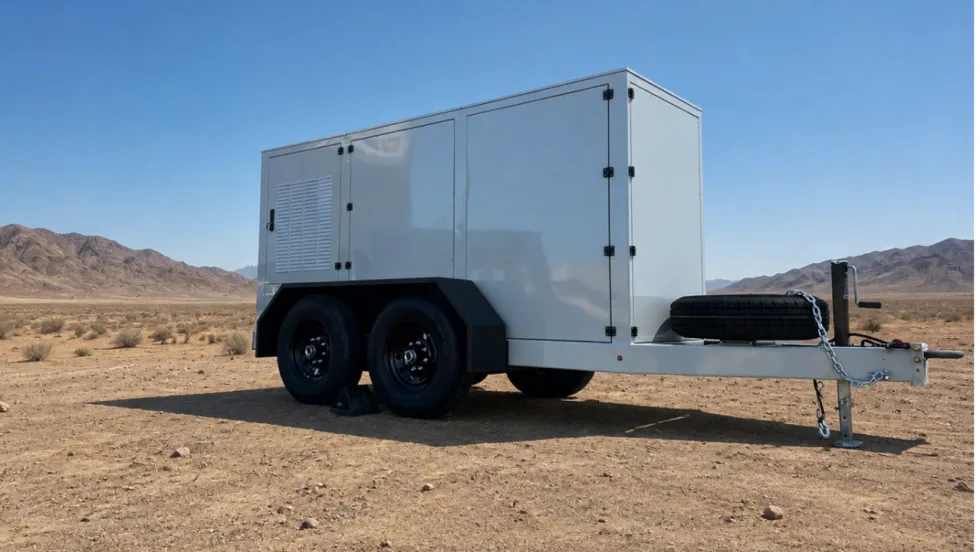
Xos Hub Surpasses One Gigawatt-Hour of Energy Delivered in the Field
A single Xos Hub has surpassed one gigawatt-hour of energy across more than 33,600 charging sessions in the field, demonstrating performance that supports Xos' expansion across new products and markets.
Read More →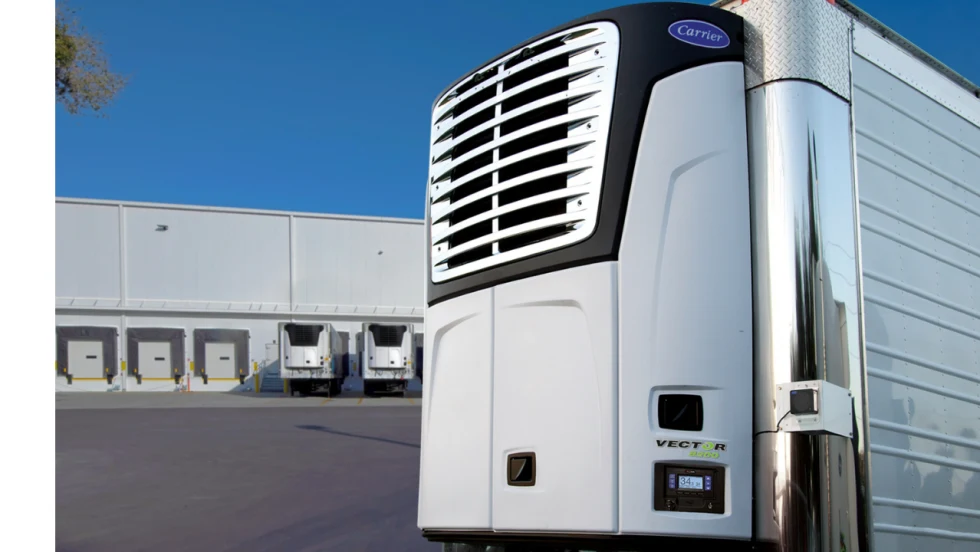
Carrier Transicold Launches All-Electric Vector 8200 TRU for Diesel-Free On-Site Cold Storage
Carrier Transicold’s first engineless multi-temperature TRU helps fresh- and frozen-food fleets add supplemental cold storage capacity during seasonal peaks.
Read More →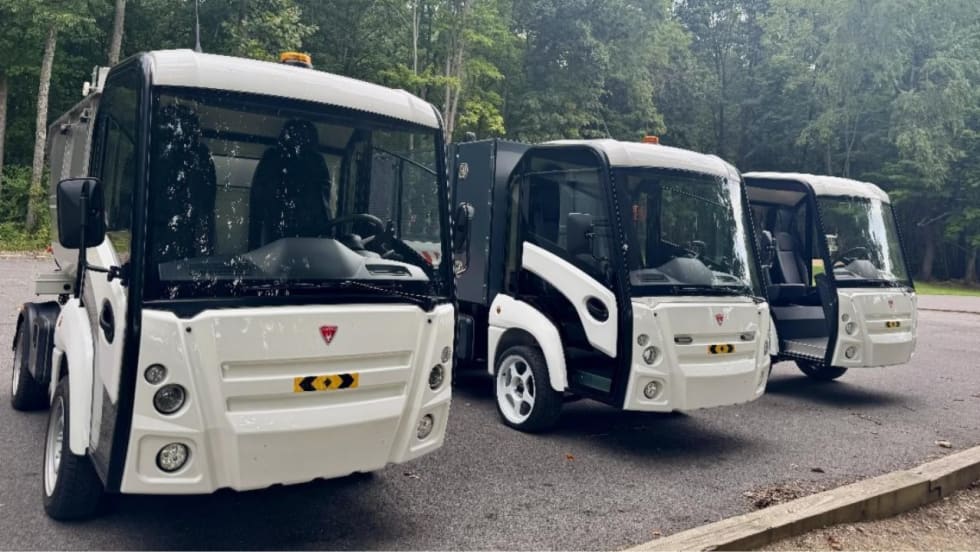
Narro Trucks Introduces Electric Utility Vehicle
Narro Trucks officially launched its operations on Aug. 20 and hosted a ride and drive to showcase its electric truck, which will be produced in Virginia.
Read More →
Samsung SDI Takes Full Control of GM Battery JV as Indiana Plant Pivots to Energy Storage
Samsung SDI is taking full control of its Indiana battery plant with GM, marking a major shift from the EV-focused joint venture Charged Fleet first covered in 2023.
Read More →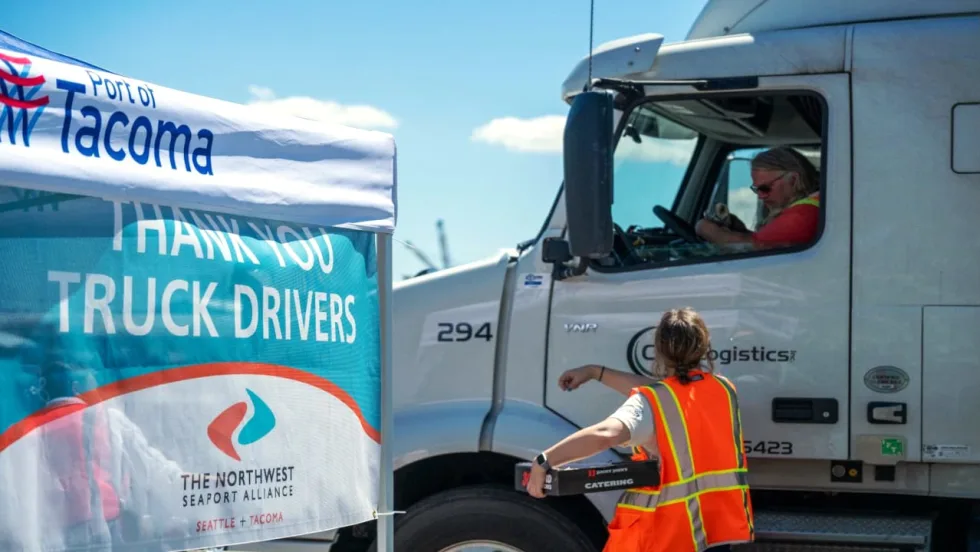
NWSA Taps CALSTART to Administer Zero-Emission Drayage Assistance Program
CALSTART will provide free technical assistance services to drayage fleets serving the Ports of Seattle and Tacoma and looking to transition to cleaner technologies and help decarbonize freight hubs.
Read More →
EV Fleet Reality Check: What Operators Wish They Knew Before Electrifying Their Work Vans
Electric work truck upfits bring new compatibility questions. Learn how parts availability, OEM guidance, power demands, and route planning can affect fleet performance.
Read More →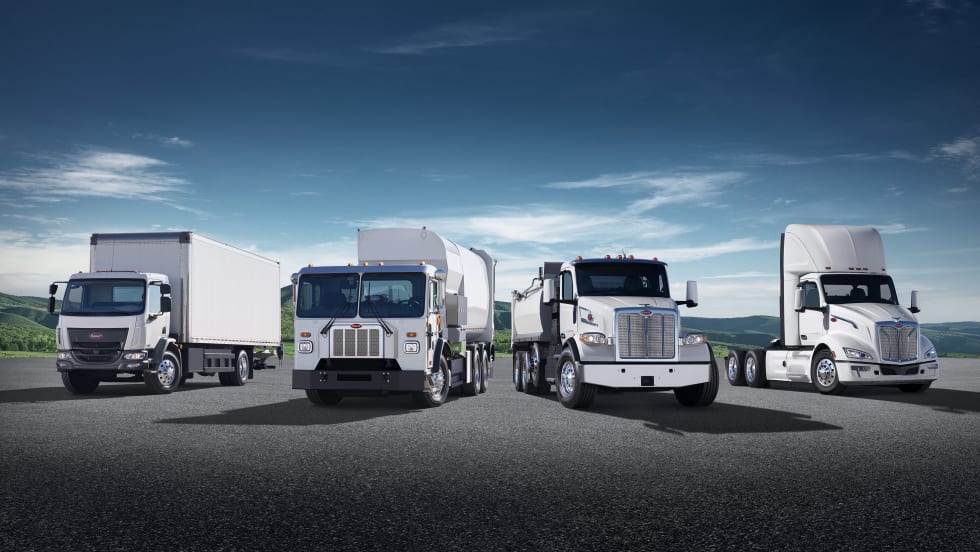
Peterbilt Expands Sourcewell Partnership with Electric Vehicle Lineup
Peterbilt Motors Company’s cooperative purchasing agreement with Sourcewell and its Canadian partner, Canoe Procurement Group, now includes including Peterbilt's battery-electric vehicle lineup.
Read More →