





Related: Advanced Safety Tech Could Reduce Fatalities by 29%
NYC Medical Fleet Combines Safety Tech to Manage Fleet Risk
Using two camera-based technologies, Ambu-Trans reduced fleet collisions from 35 a year to six.
March 4, 2019
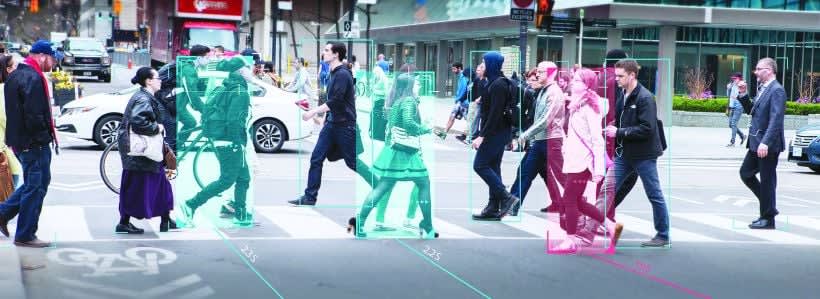
Mobileye’s chip-and-camera technology is constantly scanning for objects and then measuring the distance, speed, and trajectory between those objects and the vehicle. Recent research by AAA’s Foundation for Traffic Safety concluded that ADAS could prevent 2.7 million crashes, 1.1 million injuries, and about 9,500 deaths in the U.S. a year if installed in all vehicles.
3 min to read
With the implementation of in-vehicle technology, fleets using advanced driver assistance systems (ADAS) have more tools to protect drivers, vehicles, pedestrians, and the company. With approximately 80 employees, Ambu-Trans provides non-emergency medical transportation within the five boroughs of New York City. The company operates a fleet of about 70 “ambulettes” — typically modified Ford E-250 or Ford Transit Connect vans.
Ambu-Trans CEO Neal Kalish says that a big struggle of operating a fleet in New York City is the high number of collisions. He estimates his fleet was involved in approximately 35 collisions per year, ranging from “nuisances” like fender-benders to more severe accidents.
In an effort to mitigate these risks, Kalish installed two types of aftermarket camera-based safety systems: one to alert drivers to imminent danger, the other to record dangerous events.
Changing Behavior
Kalish’s first initiative was to install Lytx DriveCam, a video capture system, in all Ambu-Trans vehicles. When the Lytx cameras sense a G-force event such as a hard brake, the system captures video eight seconds prior to the incident and four seconds after. After installing the Lytx cameras, Kalish says Ambu-Trans drivers began modifying risky driving behaviors.
While the Lytx cameras provide a vital record of events surrounding a collision, Kalish says he wanted drivers to be alerted to impending potential accidents.
Kalish’s research led him to Mobileye, founded in 1999, an Intel-owned developer of vision-based ADAS that provides drivers with audio and visual warnings prior to potential collisions.
The company works with fleets to install its chip-and-camera technology in vehicles aftermarket. The cameras and its sensors are constantly scanning for pedestrians, cyclists, street signs, lane markings, and other vehicles, and then measure the distance, speed, and trajectory between those objects and the vehicle.
A 2018 study conducted by the Insurance Institute for Highway Safety (IIHS) on General Motors vehicles equipped with Mobileye’s autobrake and forward collision warning saw 43% fewer police reported front-to-rear crashes compared to the same vehicles without ADAS. The same study found a reduction of 64%
fewer front-to-rear crashes with injuries.
Similarly, an ongoing program by the IIHs and Highway Loss Data Institute staff members using Mobileye’s collision avoidance system has seen 62% of participants reporting that the system has helped improve their safe driving habits.
“Mobileye will reinforce and precondition drivers to safer driver behavior, whether it’s using the signal when needed or maintaining the safe distance,” says Moran David, Mobileye’s general manager for aftermarket in North America.
“First and foremost, we’re there to prevent events before they happen.”
In 2015, Kalish tested Mobileye’s ADAS system in his Land Cruiser, and then on each Ambu-Trans vehicle. Similar to installing any new technology, using the Mobileye system came with an adjustment period.
“Over time, it conditions you to drive more cautiously, because otherwise you’re going to be receiving alerts every 20 seconds,” Kalish says.
With two types of camera systems in the fleet, Ambu-Trans drivers now receive alerts prior to potential accidents in addition to having video recordings of any collisions that couldn’t be avoided.
With the added protection, the Ambu-Trans fleet is now involved in about six accidents a year. “It’s a high-impact product and we’ve gotten a dramatic result,” Kalish says.
Ancilliary Benefits
Kalish says that after seeing Mobileye’s results, the company’s insurer has “substantially” lowered Ambu-Trans’ premium and has been willing to write coverage for extended periods of time.
David says that fleets with Mobileye’s tech are seeing benefits beyond safety, such as a decrease in fuel consumption. Further, Kalish says Ambu-Trans’ competitors aren’t yet using ADAS tech — something that hasn’t gone unnoticed by Ambu-Trans’ clients.
“Certain facilities know that we are doing things in this market is to ensure our clients are being handled in a safe, quality manner,” he says.
Subscribe to Our Newsletter
More Small Fleet


Developing Budget-Friendly Driver Safety Programs
From driver training and safety meetings to one-on-one coaching and incentive programs, several small fleets share how they have developed a safety culture with their drivers using low- to no-cost resources.
Read More →
Sponsored•March 9, 2026
Boosting Last-Mile Fleet Uptime, Safety, and Value with AI Vehicle Inspections
AI-powered inspections are transforming last-mile fleets by replacing manual checks with highly accurate automated scans that detect defects in seconds. By giving fleet operations visibility into the daily condition of their vehicles, you can identify trends over the vehicle’s lifecycle that enable improved procurement decisions, route management, driver training and accountability.
Read More →
Five Ways Seat Belts Help Prevent Injuries
There are five ways seat belts protect occupants from injuries, according to the Tennessee Department of Safety and Homeland Security.
Read More →
Sponsored•January 14, 2026
It’s here: The 2026 Fleet Technology Trends Report
What does AI mean for fleets? Get the answer — and learn other top tech trends.
Read More →
Small Fleets, Big Impact: How Independent Drivers Power Wreaths Across America
Check out how small fleets and independent drivers power Wreaths Across America each December and why their impact matters more than ever.
Read More →
VMS Survey Finds 65% of Small Fleet Managers Run Operations Alone
A new VMS survey shows small fleet managers are stretched thin, with most handling operations solo and eager to adopt digital tools for relief.
Read More →
Tips for Driving Safely on Halloween Night
This video features a reminder from the Connecticut Department of Transportation (DOT) and the Connecticut Police Chiefs Association, urging drivers to prioritize safety this Halloween.
Read More →
AI, Access, and Uptime: VMS’s Next Chapter with David Prusinski
VMS’s new Co-CEO, David Prusinski, shares how an AI-first approach will give small fleets and repair shops the tools to compete like big players.
Read More →
Fleet Managers Share Winter Prep Tips: It's Never Too Early!
Three fleets share best practices to prep vehicles for winter and prevent downtime when the cold sets in.
Read More →